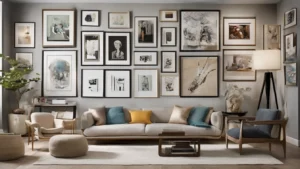

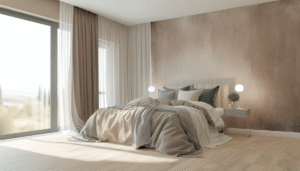
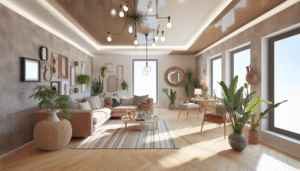


You know that feeling when you fall in love with a mid-century modern coffee table but your heart also belongs to your grandmother’s ornate Victorian armchair? You’re not alone. Today’s most captivating interiors blur the lines between epochs, creating spaces that feel both timeless and completely current. The secret lies in understanding how to bridge different eras without creating visual chaos.
Understanding the Philosophy Behind Eclectic Design
When we talk about mixing furniture styles, we’re really discussing the art of creating visual conversations between pieces that were born decades—sometimes centuries—apart. Think of it like hosting a dinner party where your guests span multiple generations. The magic happens when you find common ground while celebrating their differences.
The foundation of successful style mixing rests on a simple principle: every piece should feel intentional, not accidental. This doesn’t mean you need a design degree to pull it off. It means developing an eye for what connects different pieces beyond their obvious differences.
Consider how a streamlined Scandinavian dining table might share similar clean lines with a 1950s Danish teak sideboard. Or how the brass hardware on a vintage secretary desk could echo the warm metal accents in contemporary lighting fixtures. These visual bridges create coherence in what might otherwise look like a furniture showroom explosion.
Honestly, some of the most stunning interiors I’ve encountered break conventional rules while maintaining an underlying logic that just feels right. That’s the sweet spot we’re aiming for—spaces that surprise and delight while maintaining harmony.
The Art of Finding Your Design North Star
Before you start mixing pieces, you need to establish what designers call a "through line"—a unifying element that will guide your choices and keep your space from looking like a thrift store warehouse. This could be anything from a consistent color palette to repeated materials or even a shared sense of proportion.
Let me explain what I mean. Maybe your through line is warm wood tones that appear in both your sleek walnut platform bed and your antique oak writing desk. Or perhaps it’s the recurring theme of brass accents that show up in your modern pendant lights and your vintage bar cart hardware.
Some people gravitate toward what I call "the rebellion approach"—deliberately contrasting sharp modern edges with soft, curved vintage pieces. Others prefer the "harmony method," where they seek furniture from different eras that share similar design DNA. Neither approach is wrong; it’s about finding what speaks to your aesthetic soul.
The key is making this decision consciously rather than hoping things will magically work out. Trust me, I’ve seen too many beautiful individual pieces that fight each other instead of complementing each other because there wasn’t a clear vision holding them together.
Color: Your Secret Weapon for Cohesion
Color might be the most powerful tool in your furniture-mixing arsenal, yet it’s often the most overlooked. Here’s why it’s so crucial: when pieces share color relationships, your eye accepts them as belonging together, even if their styles are worlds apart.
Consider starting with a neutral foundation—think warm whites, soft grays, or rich blacks—then building your color story from there. A charcoal gray modern sectional can absolutely live in harmony with a painted vintage French Provincial dresser if they’re connected through color relationships.
But here’s where it gets interesting. You don’t need exact color matches. In fact, slight variations often look more sophisticated and natural. That sage green velvet of your contemporary accent chair might pick up the subtle green undertones in the patina of your antique copper side table.
Seasonal color shifts can also help refresh your mixed-style space without major overhauls. Swapping out throw pillows, artwork, or decorative objects lets you experiment with how different color combinations affect the relationship between your modern and vintage pieces.
The professional trick that many people miss? Use color to guide the eye around the room in a deliberate path. When color elements are distributed thoughtfully, they create visual rhythm that makes eclectic furniture arrangements feel intentional rather than random.
Scale and Proportion: The Unsung Heroes
Nothing kills a well-intentioned furniture mix faster than pieces that are fighting for dominance based on size alone. Understanding scale and proportion is like learning the grammar of interior design—it’s not always exciting, but it’s absolutely essential for creating spaces that feel balanced and livable.
Think about the visual weight of each piece, not just its physical dimensions. A delicate Victorian settee might get completely overwhelmed next to a chunky contemporary sectional, but place that same settee alongside a sleek modern console table, and suddenly both pieces can shine.
Here’s a practical approach: imagine your room as a stage where each furniture piece is an actor. You want supporting players and stars, not a cast where everyone’s trying to steal the scene. That massive antique armoire can absolutely be your star, but then let your modern pieces play supporting roles that enhance rather than compete.
Professional designers often use the "rule of odds" when mixing furniture styles—grouping pieces in odd numbers creates more dynamic and natural-looking arrangements. Three different height elements, for instance, tend to create more visual interest than pairs or even numbers.
Consider how negative space works in your favor too. Sometimes the most powerful statement comes from what you don’t include. A room with fewer, well-chosen pieces often showcases the beauty of mixed styles better than a space crowded with furniture, no matter how beautiful each individual piece might be.
Materials Matter More Than You Think
The materials and finishes of your furniture pieces can make or break your mixed-style vision. Wood tones, metal finishes, fabric textures—these elements create subtle connections that help disparate pieces feel like they belong in the same conversation.
Wood presents some of the most interesting opportunities and challenges. You might think all wood tones need to match, but that’s actually a recipe for boredom. Instead, look for woods that complement each other—perhaps the rich mahogany of your vintage dining table paired with the lighter walnut of your contemporary credenza. Different wood tones can absolutely coexist when they share similar undertones or grain patterns.
Metal finishes offer another layer of connection possibilities. The brass legs on your modern coffee table can echo the brass drawer pulls on your antique chest of drawers. Or consider how black metal frames on contemporary pieces might relate to wrought iron details in vintage furniture.
Fabric and upholstery choices become especially important when mixing eras. A vintage Chesterfield sofa reupholstered in a contemporary fabric can bridge old and new beautifully. Similarly, modern furniture in classic fabrics can feel more approachable and less stark.
The texture play between materials adds another dimension to consider. Smooth, polished surfaces might contrast beautifully with rough, weathered finishes, creating visual interest that keeps the eye engaged and curious.
Strategic Placement: Where Things Live Matters
Even the most perfectly chosen furniture pieces can fall flat if they’re not positioned thoughtfully within your space. The way you arrange mixed-style furniture can either highlight their beautiful contrasts or create visual confusion.
Consider creating what I call "style zones" within larger spaces—areas where a particular aesthetic dominates while still maintaining connections to the overall room. Maybe your reading nook leans heavily vintage with its antique leather chair and brass floor lamp, while your dining area feels more contemporary with clean-lined furniture that shares material connections with the vintage pieces.
Traffic flow becomes crucial when working with furniture of different eras, especially since older pieces were often designed for different lifestyle patterns than contemporary furniture. That gorgeous antique secretary desk might need more space around it for the drop-front to open comfortably, while your sleek modern pieces might allow for tighter spacing.
Lighting placement can dramatically affect how mixed furniture styles read in a space. Natural light tends to be democratic—it makes most furniture look good together. But artificial lighting choices can emphasize certain pieces over others, so consider how your modern track lighting might affect the appearance of vintage wood finishes, or how a traditional table lamp might cast shadows on contemporary surfaces.
Don’t forget about sight lines from different vantage points in your room. What looks balanced from your sofa might feel off-kilter from the dining table. Walk around your space and consider how the furniture relationships change from different perspectives.
The Power of Transitional Pieces
Sometimes the secret to successfully mixing modern and vintage furniture lies in the pieces that act as translators between different styles. These transitional elements help ease the visual journey from one era to another, creating smoother style conversations.
Mid-century modern furniture often excels at this bridging role because it combines the clean lines that complement contemporary pieces with the wood warmth and handcrafted details that harmonize with older vintage items. A 1960s walnut dining table can feel equally at home with sleek modern chairs or vintage Windsor seats.
Antique accessories can serve as style ambassadors too. A collection of vintage brass candlesticks might make your ultra-modern dining table feel more approachable, while a contemporary art piece can give your traditional sideboard a fresh perspective.
Recent reproductions of classic designs occupy interesting middle ground. A well-made reproduction of an Eames chair or a Chippendale table can offer the style benefits of vintage pieces with the practical advantages of contemporary manufacturing—better materials, updated proportions, or improved comfort.
Consider how plants and natural elements can serve as universal translators too. A fiddle leaf fig looks equally stunning next to a sleek Scandinavian credenza or an ornate Victorian plant stand. Nature doesn’t belong to any particular design era, making organic elements perfect neutral ground for mixed-style spaces.
Common Mistakes That Even Pros Make Sometimes
Let’s talk about the pitfalls that can trip up even experienced decorators when mixing furniture styles. Recognizing these potential problems early can save you from expensive mistakes and design disappointment.
The "museum syndrome" is probably the most common error—treating each furniture piece like a precious artifact that can’t be touched or lived with. Remember, you’re creating a home, not a showroom. That antique chair should invite you to sit in it, not just admire it from across the room.
Another frequent mistake is what I call "style schizophrenia"—trying to represent too many different eras or aesthetics in one space. While eclecticism is wonderful, rooms need some unifying elements to feel cohesive. If you have Victorian, mid-century modern, industrial, and farmhouse pieces all competing for attention, something’s got to give.
The "one of everything" trap catches many enthusiasts who want to sample every design era. But rooms often look more successful when they lean toward one dominant style while incorporating carefully chosen pieces from other periods. Think 70% contemporary with 30% vintage accents, rather than equal representation across multiple styles.
Ignoring functionality for the sake of aesthetics is another common pitfall. That gorgeous antique writing desk might look stunning in your living room, but if it’s too small for modern laptops and doesn’t have cable management for contemporary technology, it’ll become more decorative than functional.
Finally, many people underestimate the importance of maintenance requirements when mixing old and new pieces. Vintage furniture often needs more care than contemporary pieces, and different materials may require different cleaning methods or environmental conditions.
Budget-Smart Strategies for the Mix-and-Match Approach
Creating a beautifully mixed interior doesn’t require unlimited funds, but it does require smart shopping strategies and patience. The key is knowing where to invest your money for maximum impact and where you can save without sacrificing style.
Vintage pieces often offer incredible value compared to their contemporary equivalents, especially when you’re shopping for solid wood furniture or unique statement pieces. That antique oak dining table might cost less than a new particle board version while offering better quality and distinctive character.
Estate sales, auction houses, and consignment shops can be goldmines for finding quality vintage pieces at reasonable prices. But here’s the professional tip: go to these venues with specific measurements and your design plan in mind. It’s easy to fall in love with pieces that won’t actually work in your space.
When it comes to larger contemporary furniture pieces—sofas, sectionals, platform beds—consider investing in new pieces for comfort and durability, then mixing in vintage accessories and accent pieces for character. This approach gives you the best of both worlds: contemporary comfort with vintage charm.
Some pieces are worth the splurge, whether vintage or contemporary. Quality dining tables, comfortable seating, and storage pieces that get daily use should be investments. Save money on decorative accessories, seasonal elements, and pieces that are easier to replace as your tastes evolve.
Don’t overlook the power of DIY updates to help vintage pieces work better with contemporary aesthetics. Fresh upholstery, updated hardware, or a new finish can help bridge style gaps while staying within budget. Just make sure any modifications you make honor the original piece’s character rather than erasing it entirely.
Creating Zones: When Different Areas Tell Different Stories
In larger homes or open-plan spaces, you have the luxury of creating distinct zones that can each explore different aspects of the modern-vintage conversation. This approach lets you be more adventurous with style mixing while maintaining overall harmony.
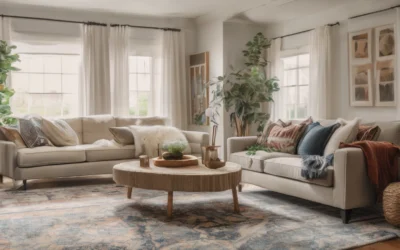
Your living area might lean heavily contemporary with a sleek sectional and modern coffee table, while incorporating vintage elements through accessories, artwork, or a single statement piece like an antique side table. This gives you contemporary comfort for daily living while adding the warmth and character that only vintage pieces can provide.
Dining areas often work beautifully with mixed approaches because they’re used less frequently than living spaces, giving you more freedom to prioritize aesthetics. A modern dining table with vintage chairs creates an interesting contrast, or you might flip the script with an antique table surrounded by contemporary seating.
Bedrooms offer unique opportunities for subtle style mixing. Maybe your bed frame is sleek and contemporary while your dresser is a beautifully restored mid-century piece. These combinations can create more interesting and personal-feeling spaces than perfectly matched bedroom sets.
Home offices and studies seem particularly suited to mixing eras, perhaps because knowledge and learning transcend time periods. A contemporary desk with vintage task lighting and antique bookcases can create spaces that feel both efficient and inspiring.
The key to successful zone creation is maintaining visual connections between areas so your home feels cohesive rather than like a series of unrelated rooms. This might mean repeating certain colors, materials, or design elements across zones while allowing each area to have its own personality.
Seasonal Flexibility in Mixed-Style Spaces
One of the beautiful advantages of mixed-style decorating is how easily these spaces adapt to seasonal changes and evolving tastes. Because the foundation isn’t locked into one specific era or trend, you can refresh and update your rooms without major overhauls.
Summer might call for lighter textiles and accessories that make your vintage pieces feel fresh and airy. Swapping heavy winter drapes for linen curtains, or changing throw pillows from rich velvets to crisp cottons can dramatically shift the mood while keeping your core furniture mix intact.
Holiday decorating becomes more interesting too when you have pieces from different eras to work with. Contemporary minimalist decorations might look stunning against vintage furniture, while traditional holiday elements can add warmth to modern pieces.
As your lifestyle changes—new family members, different work arrangements, changing hobbies—mixed-style rooms often adapt more gracefully than spaces locked into specific aesthetic formulas. That vintage armoire might transform from a TV cabinet to a craft storage solution without looking out of place in your evolved room design.
Consider how lighting changes throughout the year affect your furniture mix too. The way winter’s low light hits your pieces differently than summer’s bright illumination can reveal new relationships between modern and vintage elements that you might not notice otherwise.
Technology Integration in Vintage-Modern Spaces
Let’s face it—we live in a connected world, and our furniture needs to accommodate modern technology without compromising design integrity. This challenge becomes especially interesting when working with vintage pieces that were designed long before anyone imagined wireless routers, charging stations, or smart home devices.
The trick is finding ways to incorporate necessary technology without letting it dominate your carefully curated aesthetic. Cable management becomes an art form when you’re routing modern electronics through and around vintage furniture pieces. Sometimes this means creative solutions like hiding power strips inside antique boxes or using decorative cord covers that complement your mixed-style approach.
Vintage pieces can often be sensitively modified to accommodate modern needs. An antique secretary desk might benefit from discrete cable holes drilled in the back panel for computer cords. Or a mid-century sideboard could be fitted with interior power strips for electronics while maintaining its original exterior appearance.
Smart home devices present their own integration challenges. Modern speakers, smart displays, or home automation controls need to find their place among your mixed furniture without looking like alien invasions. Sometimes the solution is choosing technology in finishes that complement your furniture—brass or copper accents on smart devices that echo similar finishes in vintage hardware.
The goal is making technology feel intentional rather than apologetic in your mixed-style space. This might mean investing in higher-quality devices with better design, or finding creative ways to incorporate necessary modern elements as part of your overall aesthetic vision.
The Psychology of Living with Mixed Styles
There’s something deeply satisfying about living in spaces that reflect multiple time periods and design philosophies. Psychologically, these environments often feel richer and more complex than single-style rooms, offering visual interest that keeps spaces engaging over time.
Mixed-style rooms tend to feel more personal and collected rather than decorated. When you successfully combine pieces from different eras, your space tells a story about your journey, your interests, and your ability to see beauty across different contexts. This personal narrative makes homes feel more authentic and welcoming.
The visual complexity of well-executed mixed styles can actually be calming rather than overwhelming. When the mixing is done thoughtfully, these spaces offer the comfortable unpredictability of real life rather than the sometimes sterile perfection of single-style rooms.
Guests often respond positively to mixed-style spaces because they offer conversation starters and points of interest. That vintage brass compass on your contemporary console table might spark discussions about travel or history, while your sleek modern dining chairs paired with a rustic farmhouse table might lead to conversations about design choices and personal style.
Living with mixed styles also tends to make people more thoughtful consumers. When you’re considering how new pieces will work with your existing collection, you naturally become more selective and intentional about purchases. This often leads to higher-quality acquisitions and less impulse buying.
Professional Styling Secrets for the Perfect Mix
Professional interior designers rely on several advanced techniques when mixing modern and vintage furniture that go beyond basic color and scale coordination. These insider approaches can elevate your mixed-style space from good to extraordinary.
The "rule of threes" works magic in mixed-style arrangements. Group three elements that share a common characteristic—maybe three different brass elements from different eras, or three pieces with similar proportions but different styles. This creates visual rhythm while celebrating diversity.
Layering different time periods within single vignettes often creates the most interesting styling moments. A contemporary table might hold a vintage lamp, a modern book stack, and an antique decorative object. These small-scale combinations help visitors accept the larger furniture mixing throughout your space.
Professional photographers and stylists often use what they call "visual breathing room"—allowing mixed-style pieces enough space to be appreciated individually while still relating to their neighbors. This prevents any single piece from feeling overwhelmed or overlooked in the composition.
Consider the "focal point hierarchy" in your mixed-style rooms. Typically, you’ll want one dominant statement piece, several supporting pieces, and various accent elements. This creates visual order that helps visitors process and appreciate your eclectic choices.
The final professional secret is editing ruthlessly. Even when you love multiple pieces, sometimes removing one element makes the remaining pieces look exponentially better together. Don’t be afraid to store pieces temporarily while you evaluate whether they’re truly serving your overall vision.
Maintenance and Care for Mixed Collections
Caring for a collection of mixed-era furniture requires understanding that different pieces may need different maintenance approaches. Vintage furniture often needs more specialized care than contemporary pieces, and combining these requirements into a manageable routine is essential for long-term success.
Wood furniture from different eras may require different cleaning products and techniques. That antique mahogany sideboard might need traditional paste wax, while your contemporary walnut dining table performs better with modern wood cleaners designed for its finishing system. Keep track of what works for each piece to avoid damage.
Upholstered pieces present their own challenges, especially when mixing vintage and contemporary fabrics. Professional cleaning codes vary, and what’s safe for your new sofa might damage the delicate fabric on your vintage chair. Document care requirements for each upholstered piece in your collection.
Environmental factors affect vintage and contemporary pieces differently. Antique pieces often need more stable temperature and humidity conditions than modern furniture. Consider the placement of older pieces away from direct sunlight, heating vents, or other environmental stressors that might cause damage over time.
Regular inspection becomes more important with mixed collections because problems can develop differently across various ages and types of furniture. Check vintage pieces for loose joints, worn finishes, or other issues that might need professional attention before they become major problems.
Create a simple maintenance schedule that accounts for the different needs of your various pieces. This doesn’t need to be complicated—just a basic system for tracking when pieces need attention and what type of care they require.
Investment Perspectives: What Holds Value
When you’re mixing modern and vintage furniture, it’s worth understanding how different pieces might appreciate or depreciate over time. This knowledge can help guide your purchasing decisions and insurance considerations.
Authentic vintage pieces from recognized designers or manufacturers often hold their value better than contemporary reproductions. A genuine Eames chair or Danish modern teak table represents both functional furniture and collectible design history. However, condition is crucial—restored pieces may be more livable but could have less collector value than original condition pieces.
Contemporary furniture from established designers can also be good long-term investments, especially limited editions or pieces from makers known for quality and innovation. Research the track record of contemporary furniture makers before making significant investments.
The practical value of your mixed collection often exceeds its monetary worth. Well-chosen pieces that function beautifully in your daily life provide ongoing returns through comfort, functionality, and aesthetic pleasure that pure collector pieces might not offer.
Consider the replacement cost when insuring your mixed collection. Some vintage pieces might be irreplaceable if lost or damaged, while contemporary pieces usually can be reordered. Make sure your insurance coverage reflects these different replacement scenarios.
Document your collection with photos and provenance information when possible. This serves both insurance purposes and helps you remember the stories behind your pieces—information that often becomes more valuable and interesting over time.
Future-Proofing Your Mixed-Style Approach
The beauty of successfully mixing modern and vintage furniture lies in creating spaces that can evolve gracefully over time. As your needs change and new pieces catch your eye, a well-planned mixed-style foundation can accommodate growth and change without requiring complete overhauls.
Choose your largest, most expensive pieces—sofas, dining tables, bed frames—with longevity in mind. These foundational elements should work with various accent pieces and decorative approaches, giving you flexibility to refresh your space through smaller additions and changes.
Stay open to unexpected finds that might enhance your existing mix. The perfect vintage lamp for your contemporary side table might appear at an estate sale next month, or a new contemporary piece might solve a functional problem while complementing your vintage elements.
Document your space’s evolution through photos. This not only helps you remember successful combinations but also identifies patterns in your preferences that can guide future decisions. You might discover you’re drawn to certain proportions, materials, or color relationships that you can use to make better choices going forward.
Consider how lifestyle changes might affect your furniture needs. That vintage writing desk that works perfectly now might need to accommodate different technology in the future, or your seating needs might change as family circumstances evolve. Choose pieces that can adapt or be repurposed rather than becoming obsolete.
The most successful mixed-style spaces feel organic and collected over time rather than perfectly coordinated from day one. Embrace this evolution as part of the charm and character of your design approach. Each thoughtful addition becomes part of your space’s unique story and personality.
FAQ
How do I start mixing modern and vintage furniture if I’m a complete beginner?
Start small with one statement vintage piece in an otherwise contemporary room, or vice versa. Choose pieces that share similar scales and materials. A vintage coffee table with your modern sofa is easier than completely reimagining your entire space at once.
What’s the best ratio of modern to vintage pieces in a room?
There’s no magic formula, but many successful spaces lean 60-70% toward one style with 30-40% from other eras. The key is having one dominant aesthetic that provides foundation while other styles add character and interest.
How can I tell if two different furniture pieces will work well together?
Look for connecting elements like similar materials, proportions, or colors. If pieces share wood tones, metal finishes, or scale relationships, they’re more likely to harmonize despite different styles. Trust your instincts—if something feels right together, it probably is.
Should I buy vintage pieces first or contemporary pieces first?
Start with whichever pieces you love most or need most urgently. However, beginning with larger contemporary pieces (sofas, beds) for comfort and reliability, then adding vintage character pieces often works well practically and financially.
What are the biggest mistakes people make when mixing furniture styles?
The most common mistakes include trying to represent too many different eras in one space, ignoring scale relationships, and forgetting about functionality. Also, many people rush the process instead of building their collection thoughtfully over time.
How do I incorporate technology with vintage furniture pieces?
Focus on discrete cable management and consider sensitive modifications like adding grommets for cords. Choose modern electronics in finishes that complement your vintage pieces, and don’t be afraid to hide necessary technology in beautiful vintage storage pieces or decorative boxes.
Is it expensive to mix modern and vintage furniture effectively?
Mixed-style decorating can actually be budget-friendly since vintage pieces often cost less than new equivalents and offer better quality. The key is shopping strategically, investing in pieces you’ll use daily, and building your collection gradually rather than trying to furnish everything at once.
Disclaimer
The information provided in this article represents general design guidance and personal opinions about mixing modern and vintage furniture. Individual results may vary based on personal preferences, room layouts, and specific furniture pieces. Always consider professional design consultation for major renovations or expensive furniture investments. Vintage furniture condition and authenticity should be verified independently before purchase. Care instructions may vary by manufacturer and age of pieces—consult professionals for valuable or antique items.
Categories
- Accent Walls & Ceilings (84)
- Art Curation & Gallery (83)
- Bedding Style Trends (89)
- Bedroom Makeover (96)
- Bohemian & Eclectic Styles (80)
- DIY & Budget-Friendly Decor (78)
- Eco-Friendly Design (83)
- Furniture Care (87)
- Home Decor & Design Ideas (181)
- Home Wellness Spaces (103)
- Integrated Outdoor Living (91)
- Japandi Style (84)
- Kids and Nursery Decor (73)
- Living Room Decor (99)
- Mix & Match Techniques (95)
- Modern & Contemporary Design (88)
- Rug Sizing & Placement (89)
- Scandinavian Design Inspiration (51)
- Seasonal Home Decor (100)
- Small Space Solutions (93)
- Wall Art & Painting Tips (94)
Recent Comments
Archives
Product Gallery
-
 Majestic African Wildlife Canvas Art for Stylish Home Decor
Rated 5.00 out of 5
Majestic African Wildlife Canvas Art for Stylish Home Decor
Rated 5.00 out of 5 -
 Cozy Irregular Green Plush Rug for Nordic Living Spaces
Rated 5.00 out of 5$43.73 – $275.79Price range: $43.73 through $275.79
Cozy Irregular Green Plush Rug for Nordic Living Spaces
Rated 5.00 out of 5$43.73 – $275.79Price range: $43.73 through $275.79 -
 Scandinavian Geometric Area Rugs for Stylish Home Décor
Rated 5.00 out of 5$32.78 – $496.51Price range: $32.78 through $496.51
Scandinavian Geometric Area Rugs for Stylish Home Décor
Rated 5.00 out of 5$32.78 – $496.51Price range: $32.78 through $496.51