
Living in a compact space often feels like an ongoing challenge: how do you make the most of every inch without sacrificing style or practicality? The good news is that small space solutions that combine form and function aren’t just a dream—they’re a reality backed by smart design principles. Whether you’re navigating a tiny apartment, a cozy studio, or a snug home office corner, this guide offers tested strategies and inspirational ideas to maximize your space with effortless elegance.
In this article, you’ll uncover clever storage hacks, multi-use furniture choices, visually appealing layouts, and smart decorating tips that transform cramped quarters into streamlined sanctuaries. Expect to learn actionable steps that enhance usability and aesthetic balance while respecting the unique constraints of small living.
We’ll explore key topics such as modular furniture, vertical storage options, light and color tactics, and technology-friendly design ideas. Each section provides expert insights, real-world examples, and practical advice to help you rethink your small spaces and reclaim both form and function.
Understanding Your Space: Challenges & Opportunities
Before you remodel or buy new furniture, understanding the specific challenges small spaces present makes all the difference. Common problems include limited floor area, poor storage, and an overstuffed look that makes the room feel smaller. But do you know these constraints can become creative opportunities? Emphasizing vertical space, selecting multifunctional furnishings, and playing with light and color can open possibilities most people miss.
Smart Storage Solutions: Beyond Clutter to Clarity
Vertical Storage Ideas That Save Floor Space
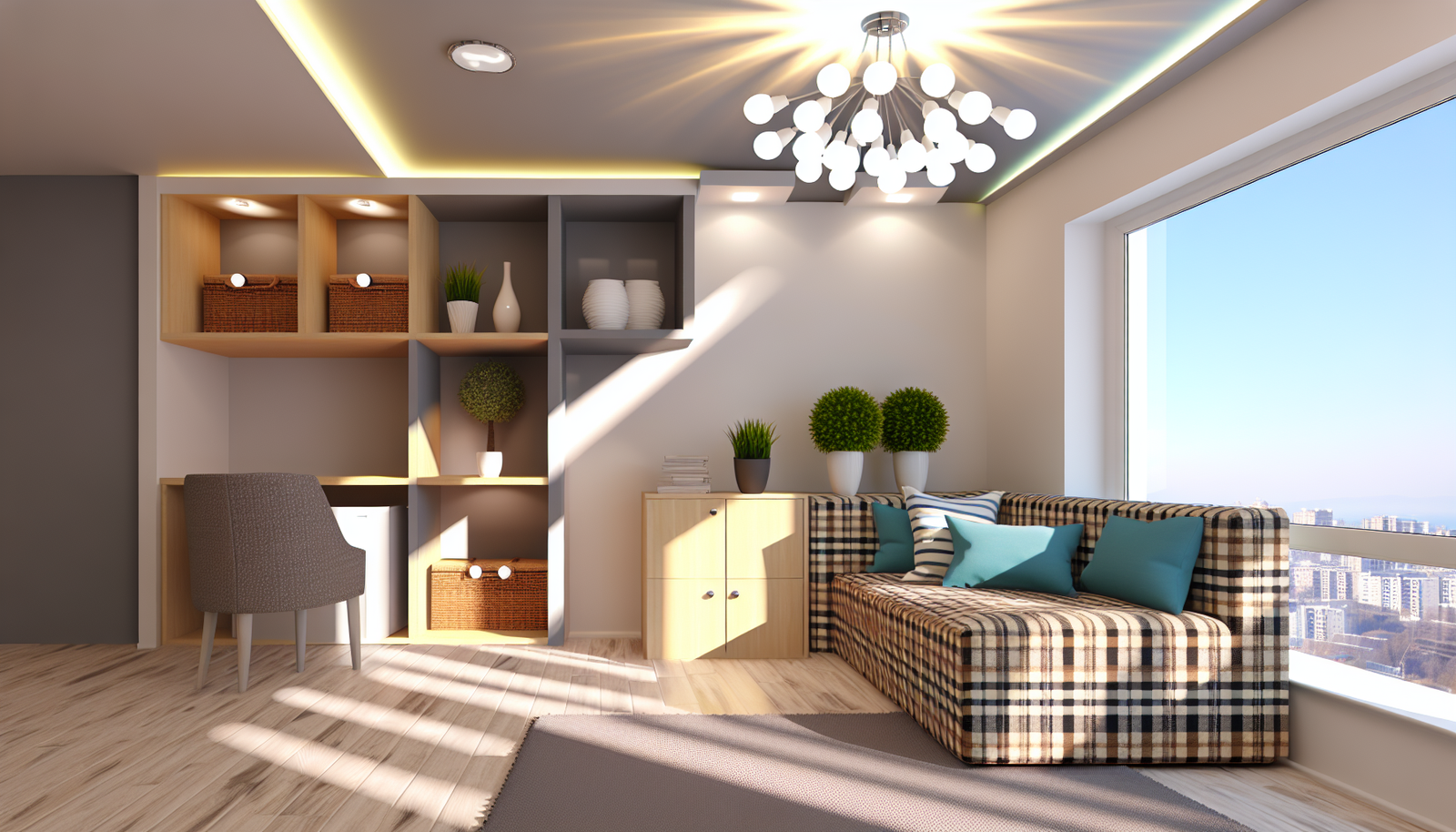
One of the most effective ways to increase storage capacity without crowding your living space is to leverage vertical height. Installing floating shelves, tall bookcases, or vertical cabinets keeps the floor clear while providing ample organizational opportunities.
- Floating shelves: Perfect for displaying decor and storing essentials without bulky furniture.
- Stacked storage cubes: Modular and customizable, they adapt to various needs and room shapes.
- Over-door organizers: Utilize often ignored door space for shoes, cleaning supplies, or pantry items.
Underutilized Spaces: Hidden Storage Hacks
Think beyond traditional cabinets. Beds with drawers, ottomans that open up for stowing away blankets, and window benches with hidden compartments combine comfort with secret storage.
Multifunctional Furniture: Double Duty with Style
Convertible and Modular Designs
Choose furniture that flexes with your lifestyle. A sofa bed, foldable desks, or nested tables are winners for small areas. For instance, modular seating you can rearrange keeps your room fresh and functional.
Custom Built-Ins: Personalized and Space-Savvy
Built-in furniture tailored to your space can optimize irregular nooks and corners, delivering clean lines and maximum utility while blending seamlessly into the décor.
Light and Color Techniques to Expand Small Spaces
Choosing Colors That Open Up Rooms
Soft, muted tones like pale blues, blush pinks, or light grays create an airy vibe. Avoid heavy, dark colors that confine; instead, opt for monochromatic palettes to unify and visually extend your room.
Maximizing Natural and Artificial Light
Mirrors positioned opposite windows boost available sunlight. Use adjustable LED lighting for evening flexibility—a mix of task, accent, and ambient lighting layers depth into your space.
Tech-Friendly Small Spaces: Integrating Modern Solutions
Smart Home Devices That Save Space
Look for compact gadgets and wireless solutions that reduce clutter: all-in-one printers, wall-mounted charging stations, or voice-activated assistants that eliminate the need for bulky remotes and controls.
Cord Management and Minimalist Electronics
Use cable raceways and under-desk trays to hide cables. Choose slim-profile monitors and foldable keyboards to keep your workspace neat and functional.
Case Study: The 300-Square-Foot Apartment Transformation
An architect specializing in small homes revamped a downtown studio by installing a wall bed with integrated shelving, using floor-to-ceiling storage unit, and painting the walls in a soft dove gray. The space gained 30% more usable area and felt twice as open. Local experts praised the design for blending smart engineering with an inviting ambiance—showing form and function really can coexist.
Comparison: Modular vs. Traditional Furniture in Small Rooms
| Feature | Modular Furniture | Traditional Furniture |
|---|---|---|
| Flexibility | Highly adaptable to changing needs | Fixed shape and function |
| Space Efficiency | Optimizes irregular spaces | Requires standard room layout |
| Cost Considerations | Often higher initial cost but longer life | Usually less expensive upfront |
| Style Variety | Contemporary and customizable | Traditional and limited in reconfiguration |
Recommended Tools and Resources
- SketchUp: 3D modeling software for visualizing small space layouts.
- Houzz: Inspiration and product sourcing from interior design pros.
- IKEA Planning Tools: Excellent for mixing modular furniture with efficient storage.
Visual Content Suggestions
- Infographic: “10 Small Space Hacks to Maximize Storage”
- Before-and-after photos comparing traditional vs. modular furniture setups
- Diagram showing layering of light sources in a small room
Frequently Asked Questions
What are the best furniture types for small spaces?
Furniture that performs multiple functions, like sofa beds, nesting tables, and foldable desks, generally works best. Modular and built-in options enhance flexibility and save floor area.
How can I make a tiny room look larger?
Use light colors, maximize natural light with mirrors, and keep décor minimal. Vertical storage and clear pathways also help the room feel spacious.
Is vertical storage better than traditional cupboards?
Vertical storage frees up floor space and draws the eye upwards, creating a sense of height and reducing clutter. It’s often more efficient in compact rooms.
Can technology help save space?
Absolutely. Compact electronics, wireless devices, and cable management solutions reduce clutter and enable streamlined living.
What colors are best for small spaces?
Soft, neutral palettes like whites, light pastels, and gentle grays reflect light and visually expand the space.
How do I combine aesthetics with functionality?
Prioritize furniture and storage that deliver on both looks and utility. Balance decorative pieces with organized storage and maintain clean lines.
Can small spaces feel cozy without feeling cramped?
Yes. Use warm lighting, textured fabrics, personal touches, and strategic layout to introduce comfort without overwhelming the room.
Conclusion & Next Steps
Mastering small space solutions that combine form and function hinges on thoughtful design, clever storage, and a keen eye for aesthetics. By embracing vertical storage, multifunctional furniture, and smart color choices, you can transform constrained areas into stylish, livable spaces that meet your everyday needs.
Ready to start? Assess your space critically, prioritize flexibility, and experiment with layering light and color schemes to redesign your small room. For further inspiration, explore resources like our modular furniture guide and color tricks for small rooms.
Small spaces don’t have to feel limiting. With the right strategies, you turn constraints into character — and a home that truly feels yours.
Content Disclaimer
The information provided in this article is for educational purposes only and is not intended as professional advice. Results may vary based on individual circumstances. Please consult relevant experts when making significant changes to your living space or investments.
Categories
- Accent Walls & Ceilings (84)
- Art Curation & Gallery (83)
- Bedding Style Trends (89)
- Bedroom Makeover (96)
- Bohemian & Eclectic Styles (80)
- DIY & Budget-Friendly Decor (78)
- Eco-Friendly Design (83)
- Furniture Care (87)
- Home Decor & Design Ideas (181)
- Home Wellness Spaces (103)
- Integrated Outdoor Living (91)
- Japandi Style (84)
- Kids and Nursery Decor (73)
- Living Room Decor (99)
- Mix & Match Techniques (95)
- Modern & Contemporary Design (88)
- Rug Sizing & Placement (89)
- Scandinavian Design Inspiration (51)
- Seasonal Home Decor (100)
- Small Space Solutions (93)
- Wall Art & Painting Tips (94)
Recent Comments
Archives
Product Gallery
-
 Majestic African Wildlife Canvas Art for Stylish Home Decor
Rated 5.00 out of 5
Majestic African Wildlife Canvas Art for Stylish Home Decor
Rated 5.00 out of 5 -
 Cozy Irregular Green Plush Rug for Nordic Living Spaces
Rated 5.00 out of 5$56.79 – $358.08Price range: $56.79 through $358.08
Cozy Irregular Green Plush Rug for Nordic Living Spaces
Rated 5.00 out of 5$56.79 – $358.08Price range: $56.79 through $358.08 -
 Scandinavian Geometric Area Rugs for Stylish Home Décor
Rated 5.00 out of 5$40.78 – $617.78Price range: $40.78 through $617.78
Scandinavian Geometric Area Rugs for Stylish Home Décor
Rated 5.00 out of 5$40.78 – $617.78Price range: $40.78 through $617.78