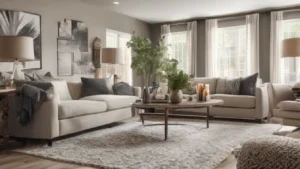
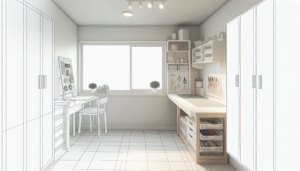


Living in a small space doesn’t mean sacrificing style, comfort, or sanity. In fact, it’s an incredible opportunity to unleash your creativity, embrace minimalism, and cultivate an environment where every item has a purpose and a place. The challenge often isn’t the size of your home, but rather how effectively you utilize the space you have. Many of us grapple with clutter, limited storage, and the feeling that our possessions are dictating our living experience rather than enhancing it. We yearn for a home that feels open, calm, and perfectly tailored to our needs, yet the reality often involves overflowing drawers and forgotten corners.
This comprehensive guide delves into a world of ingenious small space solutions that inspire organization, turning cramped quarters into functional, beautiful havens. We’re not just talking about decluttering; we’re exploring a holistic approach to spatial efficiency, aesthetic appeal, and mindful living. You’ll discover how to reclaim hidden storage, implement multi-functional furniture, streamline your possessions, and develop sustainable organizational habits. By the time you finish reading, you’ll have a clear roadmap and actionable strategies to transform your compact dwelling into a highly organized, productivity-boosting, and wonderfully inspiring home. Get ready to unlock the true potential of your small space.
The Psychology of Small Spaces: Why Organization Matters
Before diving into practical solutions, let’s understand the profound impact an organized small space has on our well-being. A chaotic environment can lead to stress, reduced productivity, and even impact our mental clarity. Conversely, a well-ordered home fosters a sense of calm and control. When every item has a designated spot, daily routines become smoother, decision fatigue reduces, and you reclaim valuable mental bandwidth.
The Ripple Effect of Clutter in Compact Living
- Increased Stress Levels: Constant visual reminders of unfinished tasks or misplaced items can heighten anxiety. A study published in the ‘Personality and Social Psychology Bulletin’ found women with cluttered homes showed higher levels of cortisol, the stress hormone.
- Reduced Productivity: Searching for items wastes time and breaks focus, making it harder to complete tasks efficiently.
- Diminished Sense of Control: Feeling overwhelmed by your surroundings can translate into a broader feeling of lacking control in your life.
- Impaired Decision-Making: A cluttered environment can impair your ability to process information and make sound decisions, a phenomenon known as “decision fatigue.”
- Social Discomfort: Feeling embarrassed by your messy home can lead to avoiding social gatherings or inviting guests over, impacting your social life.
By investing in effective small space solutions that inspire organization, you’re not just tidying up; you’re investing in your mental health, efficiency, and overall quality of life. It’s about creating a sanctuary, not just a dwelling.
of clutter is a result of disorganization, not lack of space.
Mastering the Art of Decluttering: Your First Step to an Organized Small Home
Before you can organize, you must ruthlessly declutter. This isn’t just about throwing things away; it’s about mindful curation – only keeping items that truly add value or joy to your life. For small spaces, every possession must earn its spot.
The KonMari Method & Its Small Space Application
Marie Kondo’s philosophy, “Does it spark joy?”, is particularly potent for compact living. It encourages evaluating each item individually. If an item doesn’t bring you joy or serve a practical purpose, it’s time to part ways.
Steps for Small Space KonMari:
- Categorize, Don’t Localize: Gather all items from one category (e.g., all clothes, all books) from every corner of your home. This helps you grasp the true volume.
- Touch Everything: Hold each item and genuinely ask, “Does this spark joy?” or “Is this truly functional for my small space needs?”
- Thank and Release: Express gratitude to items you’re letting go of. This makes the parting easier and more intentional.
- Designate a Home: For every item you keep, immediately assign it a permanent, logical home.
Crucial Decluttering Questions for Limited Square Footage
- “When did I last use this?” If it’s been over a year, seriously reconsider its necessity.
- “Do I have duplicates?” Small spaces rarely accommodate redundant items. Choose the best one.
- “Is this multi-functional?” Items that serve multiple purposes are gold in compact living.
- “Does this fit my current lifestyle?” Life changes, and so should your possessions.
- “Is this item worth the valuable space it occupies?” This is key for small space solutions that inspire organization.
Consider the “one in, one out” rule. When you bring something new into your small home, something old of a similar category must leave. This prevents clutter creep and maintains your curated inventory.
Strategic Furniture Choices: Multi-Functional Magic for Compact Homes
In a small apartment or home, furniture isn’t just for decoration; it’s a vital component of your organizational strategy. The right pieces can dramatically expand your usable space without adding square footage.
Furniture That Works Overtime: Top Picks for Small Spaces
- Ottomans with Storage: Perfect for stashing blankets, books, or games while providing extra seating or a footrest.
- Sofa Beds/Futons: Essential for studio apartments or guest rooms, transforming a living area into a sleeping zone with ease.
- Nesting Tables: Offer flexible surface area when needed and tuck away neatly when not in use.
- Under-Bed Storage Platforms: Elevate your bed to create significant hidden storage, ideal for seasonal clothing or bulk items.
- Expandable Dining Tables: Go from a compact console to a full dining table accommodating guests.
- Wall-Mounted Desks/Fold-Down Tables: Disappear when not in use, freeing up valuable floor space.
- Shelving Units with Built-in Desks: Combine storage and workspace vertically.
Case Study: The Transformative Power of a Wall Bed
The Urban Studio Apartment Challenge
Sarah, a graphic designer living in a 400 sq ft studio apartment, struggled to separate her “work” from her “life.” Her bed dominated the space, making her apartment feel constantly like a bedroom, not a functional home where she could entertain or relax in a distinct living area. She applied for small space solutions that inspire organization and functionality.
Solution: The Murphy Bed Integration
Sarah invested in a high-quality wall bed (also known as a Murphy bed) that folded seamlessly into a custom cabinetry unit. This unit also incorporated a small built-in desk and bookshelves. Before, her bed took up 30 sq ft permanently. Now, it only consumed space when she needed it at night.
Results: A Dual-Purpose Sanctuary
- Daytime Transformation: Her apartment transformed into an open-plan living and working space, perfect for client meetings or yoga.
- Enhanced Organization: The integrated cabinetry provided dedicated storage for her books, supplies, and even a small wardrobe.
- Improved Well-being: Sarah reported feeling less cramped and more productive, with a clear mental distinction between her “sleep zone” and “day zone.” Her small space now truly inspired organization and calm.
Choosing furniture with a dual purpose or a clever design that adapts to your needs is one of the most effective small space solutions that inspire organization and maximize square footage.
Vertical & Hidden Storage: Unlocking the Untapped Potential of Your Home
When horizontal space is scarce, look up! Vertical storage is your best friend in a small home. Additionally, every nook and cranny has the potential for hidden storage, turning forgotten areas into functional zones.
Embracing Verticality: Shelves, Towers, and Wall Organizers
- Floor-to-Ceiling Shelving: Install bookshelves, open shelving, or modular wall units that extend right up to the ceiling. This draws the eye upward, making the room feel larger, and provides immense storage.
- Wall-Mounted Units: Floating shelves, pegboards, and wall-mounted cabinets are excellent for keeping items off surfaces and floors. Use pegboards in kitchens for pots and pans, or in garages for tools.
- Over-the-Door Solutions: Shoe racks, towel hooks, and pantry organizers that hang over doors are cheap, effective, and require no installation.
- Stackable Bins & Drawers: Maximize cabinet or pantry space by adding stackable containers or small drawers. Labels are crucial here for quick retrieval.
- Tension Rods: Incredibly versatile for creating temporary hanging space under sinks, inside cupboards, or even in showers.
The Magic of Hidden Storage: Beyond the Obvious
Think strategically about dead space. These are the unsung heroes of small space solutions that inspire organization.
- Under-Stair Storage: If you have stairs, the space underneath can be converted into drawers, cupboards, or even a compact workspace.
- Kick-Plate Drawers: Install shallow drawers directly into the toe-kick space of your kitchen or bathroom cabinets. Ideal for storing seldom-used items like baking sheets or cleaning supplies.
- Back-Of-Door Organizers: Don’t just use over-the-door hangers. Install slim shelves or spice racks on the inside of cabinet doors.
- Platform Beds with Storage: As mentioned, but worth reiterating – a bed with built-in drawers or lift-up storage is a game-changer.
- Window Seats with Integrated Storage: Create a cozy reading nook and significant storage space at the same time.
- Faux Columns/Panels: In some cases, strategically placed decorative panels can conceal shallow built-in shelving or pull-out storage solutions.
- Pantry Overhaul with Clear Containers: Decant dry goods into airtight, clear containers. This saves space, keeps food fresh, and allows you to see what you have, preventing duplicate purchases. Label everything.
- Drawer Dividers & Organizers: Keep cutlery, utensils, and small gadgets tidy. This prevents the dreaded “junk drawer” syndrome.
- Pot and Pan Organizers: Use vertical racks or pull-out shelves to store pots and pans efficiently, preventing stacking and scratching.
- Magnetic Knife Strips: Frees up counter and drawer space.
- Small Appliance Storage: Dedicate a specific cabinet or pantry shelf for small appliances. Consider multi-functional appliances (e.g., an Instant Pot) to reduce the number of items needed.
- Roll-Out Shelves/Caddies: For under-sink areas or deep cabinets, roll-out solutions make items accessible.
- Medicine Cabinet Maximization: Use small acrylic organizers or risers within your medicine cabinet to sort toiletries and medication.
- Shower Caddies & Corner Shelves: Keep shower essentials tidy and off the tub ledge. Look for tension-rod caddies that go from floor to ceiling.
- Slim Storage Carts: A narrow rolling cart can tuck into small gaps for extra storage of towels, toilet paper, or cleaning supplies.
- Wall-Mounted Storage: Floating shelves above the toilet, hooks for towels, and narrow wall cabinets are excellent for keeping items off the limited counter space.
- Under-Sink Organizers: Utilize pull-out drawers or stackable bins to manage cleaning supplies and extra toiletries.
- Decorative Baskets: Use attractive baskets on open shelving or the floor to corral items like extra hand towels or beauty products, maintaining a tidy appearance.
- File & Folder Hygiene: Create a logical, consistent folder structure for your digital documents, photos, and downloads. Regularly delete duplicates and unnecessary files.
- Email Management: Aim for inbox zero. Unsubscribe from unwanted newsletters, archive old messages, and use folders/labels to categorize important emails.
- Cloud Storage: Utilize services like Google Drive, Dropbox, or iCloud to store documents and photos, freeing up space on your devices and ensuring backups.
- App Purge: Delete unused apps from your phone and computer. They take up space, consume resources, and add visual clutter to your screens.
- Password Manager: Use a secure password manager to store all your logins, reducing mental clutter and improving security.
- Reduces clutter build-up
- Saves money in the long run
- Promotes environmental sustainability
- Increases appreciation for what you own
- Simplifies cleaning and maintenance
- Leads to clutter and disorganization
- Wastes money on unnecessary items
- Contributes to environmental waste
- Can cause buyer’s remorse
- Often results in limited usable space
- The “30-Day Rule”: For non-essential items, wait 30 days before purchasing. Often, the urge passes.
- Needs vs. Wants: Differentiate clearly. Prioritize items that genuinely serve a purpose or solve a problem.
- Quality Over Quantity: Invest in fewer, higher-quality items that will last, rather than many cheap, disposable ones.
- Consider the Cost Per Use: A more expensive item used daily might be a better value than a cheaper item used once a year.
- Borrow, Don’t Buy: For tools or equipment you’ll use infrequently, consider borrowing from friends or renting.
- The “One In, One Out” Policy (Revisited): If you do buy something, be prepared to let go of a similar item you already own.
- The “Daily Tidy”: Spend 10-15 minutes each day putting things back in their designated homes. This prevents small messes from snowballing into overwhelming clutter.
- “Put It Away Now”: Avoid the “I’ll do it later” trap. If you take something out, put it back immediately after use. This simple habit dramatically reduces clutter build-up.
- Weekly Reset: Dedicate 30-60 minutes once a week for a deeper reset. This might involve wiping down surfaces, tidying up areas that saw heavy use, or doing a quick declutter of one drawer.
- Regular Purges: Schedule seasonal or quarterly decluttering sessions. Use these opportunities to reassess items and ensure they still serve their purpose and spark joy.
- Delegation (If Applicable): If you live with others, assign organizational responsibilities to family members or housemates. Shared ownership fosters collective tidiness.
- Decision Fatigue: If you find yourself staring at an item unsure where to put it, it might not have a clear home, or it might be time to declutter it.
- Sentimental Clutter: For emotionally significant items, consider digitizing, photographing, or selecting one meaningful representation rather than keeping many.
- Lack of Systems: If a system isn’t working, don’t force it. Re-evaluate and create a new system that aligns better with your habits and your small space.
- Fear of Letting Go: Remind yourself of the benefits. An organized home boosts peace of mind, saves time, and creates a more enjoyable living environment.
- Light Color Palettes: Use light, neutral colors on walls, ceilings, and large furniture pieces. These colors reflect light, making rooms feel more open and airy.
- Strategic Lighting: Incorporate multiple light sources (overhead, task, accent) via wall sconces, floor lamps, and track lighting. Avoid heavy, obstructing lamps. Natural light is king – keep windows unobstructed.
- Mirrors: A well-placed large mirror can work wonders, reflecting light and creating the illusion of more depth and space. Position it opposite a window or a focal point.
- Leggy Furniture: Choose furniture with exposed legs rather than solid bases. This allows light and air to flow underneath, making the room feel less heavy and more open.
- Scaled Furniture: Resist the urge to buy oversized furniture. Opt for pieces that are appropriately scaled to the room’s dimensions. Think slim profiles and compact designs.
- Attractive Baskets and Bins: Instead of plastic bins, opt for woven baskets, fabric bins, or aesthetically pleasing storage boxes that complement your decor.
- Open Shelving as Display: While not for every item, artfully arranged books, plants, and decorative objects on open shelves can add personality without clutter. Curate carefully.
- Built-in Look: Creating a “built-in” feel with custom cabinetry or by painting shelves the same color as your walls can make a small space feel more sophisticated and intentional. This looks seamless and purposeful.
- Utilize Statement Pieces: A single large piece of art or a striking light fixture can act as a focal point, distracting the eye from the room’s compact size.
- Greenery: Plants add life and a touch of nature. Choose vertical plants or hang planters to save surface space.
- Choose One Area: Pick one small space (e.g., a counter, a single drawer) to declutter and organize today.
- Embrace a Multi-Functional Piece: Identify one piece of furniture in your home that could be upgraded to a multi-functional alternative.
- Go Vertical: Purchase or install one vertical storage solution (e.g., a wall shelf, an over-the-door organizer) this week.
- Start a Digital Declutter: Spend 15 minutes organizing your computer files or email inbox.
- Plan Your “One In, One Out”: Commit to this policy for your next purchase.
Recommended Tool: Modular Shelving Systems
For ultimate flexibility and customization, explore brands like IKEA’s IVAR or ELFA shelving systems. These allow you to adjust shelf heights, add drawers, and incorporate desks as your needs change, making them excellent long-term small space solutions that inspire organization.
Kitchen & Bathroom Breakthroughs: Maximizing Tiny, High-Traffic Zones
The kitchen and bathroom are often the smallest rooms, yet they hold an astonishing number of items. Efficient organization here is critical for daily functionality and peace of mind.
Kitchen Organization Hacks for Compact Cooking Spaces
Bathroom Bliss: Organizing for Serenity in a Small Space
A well-organized kitchen and bathroom significantly enhance daily living, making these essential spaces not just functional, but genuinely enjoyable. These small space solutions that inspire organization are built on practical design and mindful storage.
Digital Decluttering & Mindful Consumption: Long-Term Strategies
Organization isn’t just about physical items; it extends to our digital lives and our purchasing habits. Cultivating a minimalist mindset is key to sustainable small-space living.
The Digital Organization Imperative
Even digital clutter can create mental noise and inefficiency. Regularly cleaning up your digital files complements your physical organization efforts.
Mindful Consumption: Less Is Truly More
The most effective strategy for preventing clutter in a small space is to be intentional about what enters your home. This is where long-term small space solutions that inspire organization truly shine.
Pros of Mindful Consumption
Cons of Impulse Buying
Strategies for Mindful Buying:
Adopting a mindful approach to consumption is a powerful long-term strategy, ensuring your small space remains organized and genuinely reflects your priorities. It’s part of a holistic approach to small space solutions that inspire organization from the ground up.
Habit Formation & Maintenance: Sustaining Your Organized Oasis
Achieving an organized small space is one thing; maintaining it is another. Organization isn’t a one-time event but a continuous practice built on consistent habits.
Key Habits for Lasting Organization
Overcoming Organizational Roadblocks
Consistency is paramount. Just like daily exercise or healthy eating, maintaining an organized small space requires dedication. But the rewards – a peaceful, functional, and inspiring home – are well worth the effort. These habits are the backbone of sustainable small space solutions that inspire organization every single day.
For further inspiration on maintaining a minimalist lifestyle, explore Frugalwoods, a popular blog with excellent resources on mindful living and financial independence, often intertwined with small-space living. Visit Frugalwoods for more insights.
Enhancing Small Spaces Aesthetically: Design Tips for Flow & Openness
Organization is functional, but aesthetics are what make a small space truly feel like home. Smart design choices can make a compact area feel larger, brighter, and more inviting, complementing your small space solutions that inspire organization.
Illusion of Space: Clever Design Techniques
Integrating Style with Storage
Your organizational solutions don’t have to be purely utilitarian; they can be beautiful additions to your decor.
By blending smart organization with thoughtful design, your small space will not only function efficiently but also exude a captivating, spacious aesthetic. This dual approach solidifies your small space solutions that inspire organization and joy.
For more design inspiration tailored to small living, check out Apartment Therapy, an excellent resource for home tours, design ideas, and organizational tips that cater to compact homes. Explore Apartment Therapy for design ideas.
FAQ: Your Small Space Organization Questions Answered
How do I start organizing a small space if it feels overwhelming?
Start small. Don’t try to organize your entire home at once. Pick one small area, like a single drawer, a shelf, or your bedside table. Declutter that space completely, then organize it. This creates a quick win, builds momentum, and helps you learn what works before tackling larger projects. Categorize your items (clothes, books, papers) and tackle one category at a time across your entire home. The KonMari method is often recommended for this systematic approach.
What are the best multi-functional furniture pieces for a studio apartment?
For a studio, multi-functional furniture is non-negotiable. Top choices include a wall bed (Murphy bed) or a high-quality sofa bed, a storage ottoman, nesting tables, an expandable dining table, and wall-mounted or fold-down desks. Look for pieces that offer hidden storage, like platform beds with drawers or coffee tables with lift-tops. Every item should ideally serve at least two purposes to maximize your limited footprint and achieve optimal small space solutions that inspire organization.
How can I organize clothes in a tiny closet without a dresser?
Maximize vertical space with hanging organizers (shoe racks, tiered shelves). Use slimline hangers to save rod space. Implement clear storage bins on shelves for folded items like sweaters or accessories. Rolling carts with drawers can act as a mobile dresser alternative. Consider under-bed storage for off-season items. If allowed, add additional shelves or a second hanging rod in your closet. Compression bags can also be useful for bulky seasonal items.
Is it worth investing in custom built-ins for a small space?
While an upfront investment, custom built-ins can be incredibly valuable for small spaces. They are designed to fit your exact dimensions, utilizing every inch of awkward spaces (alcoves, around windows, under stairs). This can provide significantly more storage than freestanding furniture and gives a seamless, high-end look. They often add resale value to a home. Evaluate your long-term plans for the space before committing to large custom projects.
How do I deal with sentimental items in a small home?
Sentimental items are tough in small spaces. Be highly selective. Choose your absolute favorite pieces that truly spark joy. Consider digitizing photos, cards, and documents. For larger items, photograph them and keep only one or two most cherished pieces. Create a dedicated “memory box” for keepsakes that genuinely fit. Rotate displayed items seasonally. Remember, memories live in your heart, not just in objects.
What’s a common mistake people make when organizing small spaces?
A very common mistake is buying organizing containers and solutions before decluttering. This often leads to buying containers that don’t fit your actual needs or volume of items, resulting in more clutter. Always declutter thoroughly first, then measure your space, and then purchase appropriate organizational tools. Another mistake is not utilizing vertical space effectively. Embrace shelves, wall organizers, and stackable solutions.
Conclusion: Your Journey to an Organized, Inspiring Small Space
Transforming a small space into a haven of organization and inspiration is an achievable goal, not just a pipe dream. We’ve journeyed through the psychological benefits of order, the necessity of ruthless decluttering, the ingenuity of multi-functional furniture, the untapped potential of vertical and hidden storage, and the critical role of mindful consumption and sustainable habits. Each strategy, from a simple drawer divider to a sophisticated wall bed, contributes to a holistic vision of efficiency and elegance in compact living.
Remember, the goal isn’t perfection, but progress. Start small, be consistent, and celebrate every inch you reclaim and every system you implement. Your small space is a canvas waiting for your organizational artistry. By embracing these small space solutions that inspire organization, you’re not just tidying up; you’re cultivating a lifestyle that prioritizes peace, productivity, and personal joy. Take a deep breath, look around your home, and envision the calm, functional, and deeply satisfying environment you’re about to create.
Your Next Steps: Implement and Personalize
Keep exploring and adapting these strategies to fit your unique needs and style. Your inspiring, organized small space awaits!
Content Disclaimer
The information provided in this article is for general informational and educational purposes only, and does not constitute professional advice. While we strive to provide accurate and up-to-date information, individual circumstances and results may vary. Always consider your specific needs, consult with relevant professionals (e.g., professional organizers, interior designers, carpenters) for personalized guidance, and exercise your own judgment when making decisions based on this content. This article may contain recommendations for products or services; however, we encourage independent research and assessment before making any purchases or commitments.