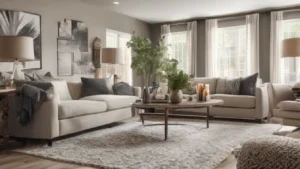
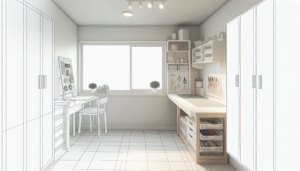

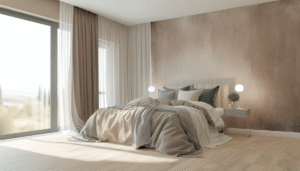
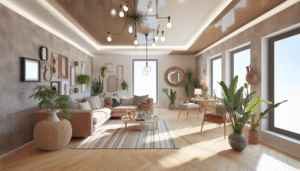


Do you ever feel like your small living space is constantly battling for brightness, struggling to feel open and inviting? It’s a common challenge, but one with incredibly rewarding solutions. The unsung heroes of compact homes are often our windows. Far more than just panes of glass, they are powerful design assets waiting to be unlocked. Understanding how to implement clever small space solutions to maximize window areas can radically transform the feel, functionality, and even the perceived size of your home.
This comprehensive guide will equip you with the expert strategies needed to not just open up your rooms, but to make your windows work harder. We’ll delve into everything from optimizing natural light and enhancing views to crafting smart storage and creating multi-functional zones around your existing windows. By the end, you’ll have a clear roadmap to turn those often-underestimated window nooks into vibrant, practical, and beautiful focal points that elevate your entire living experience.
Why Window Areas are Goldmines in Small Spaces
In the quest for efficient small space living, every inch counts. We often focus on vertical storage or clever furniture, yet the area around our windows holds immense, often untapped, potential. These zones are naturally bathed in light, offering unique opportunities for both aesthetic enhancement and practical functionality. Ignoring them is like leaving money on the table, especially when you’re striving to make a compact home feel larger and more organized.
The Power of Natural Light: Beyond Illumination
Natural light is a design superstar. It’s not just about seeing clearly; it’s about altering the very perception of a room. Artificial light, while necessary, can rarely replicate the warmth, depth, and spatial illusion cast by sunlight. Maximizing its ingress doesn’t just brighten a room; it makes it feel more expansive, airy, and inviting. Studies even suggest that ample natural light can improve mood and productivity, making these solutions not just about aesthetics but also well-being.
Unlocking Hidden Storage & Seating Potential
Think beyond the traditional wall. The space directly beneath, beside, or even above your windows is prime real estate for storage and seating. A simple window sill can become a bookshelf, a deep settee can hide seasonal items, or overhead shelving can display decorative pieces. These smart additions don’t just clear clutter; they redefine the purpose of the window area, integrating it seamlessly into the room’s function without sacrificing precious floor space.
Enhancing Views & Connecting with the Outdoors
For many, a window is their primary connection to the outside world. This visual connection is incredibly valuable in small spaces, acting as a natural ‘extension’ of your room. By strategically designing around your windows, you can frame these views, making them an integral part of your interior decor. This psychological expansion helps to alleviate feelings of confinement, making your home feel more open and connected to its surroundings.
Strategic Window Treatment Choices for Maximum Impact
Window treatments are more than just decorative accents; they are functional tools that can dramatically influence light, privacy, and the overall feel of a small room. The right choices can make a window disappear, expand, or become a dramatic focal point. In small spaces, every decision here carries amplified weight regarding small space solutions to maximize window areas.
Light-Filtering vs. Room-Darkening: Finding the Balance
The first decision often hinges on your primary need. Do you crave maximum light, or is privacy and light control paramount? Light-filtering options, like sheer curtains or translucent blinds, allow natural light to penetrate while still offering a degree of privacy. They soften harsh sunlight, diffusing it beautifully across the room. Room-darkening treatments, on the other hand, provide complete privacy and can block out virtually all light, ideal for bedrooms or media rooms. For versatility, consider a layered approach: sheer curtains paired with blackout roller blinds or drapes, giving you complete control over light and privacy throughout the day.
- Sheer Curtains: Soften light, add texture, maintain views.
- Cellular Shades: Excellent insulation, customizable light control (top-down/bottom-up).
- Roller Blinds: Clean lines, minimalist, available in various opacities.
- Roman Shades: Elegant, fold neatly, offer a softer look than venetian blinds.
Mounting Techniques that Create Illusions
How you hang your window treatments is just as crucial as what you hang. In a small room, this can make or break the perception of space. A common mistake is hanging curtains directly at the window frame, which chops up the wall and makes the window appear smaller. Instead, embrace these spatial illusions:
- Hang High: Mount curtain rods several inches above the window frame, or even close to the ceiling. This draws the eye upwards, making the windows and the room feel taller.
- Hang Wide: Extend curtain rods 6-12 inches beyond the window frame on each side. This allows curtains to be pulled completely off the glass, maximizing light and making the window appear wider. When closed, it emphasizes the expansive wall, not just the window itself.
- Recessed Mounts: For incredibly tight spots, consider installing blinds or shades within the window frame itself, preserving every bit of wall space.
Minimalist and Unobtrusive Options
Heavy drapes can overwhelm a small window and a small room. Opt for streamlined, minimalist choices that don’t add visual bulk. Think about materials that are light in color and texture. For example, a simple, unlined Roman shade in a neutral linen can look incredibly chic and understated, providing privacy without imposing on the room’s footprint. Consider options that stack tightly when open, disappearing almost entirely.
Expert Tip: When selecting fabrics, look for materials with a slight sheen or reflective quality. These can subtly bounce light around the room, enhancing the brightness effect.
Functional Furniture & Built-Ins Around Windows
The areas around windows are often neglected, creating dead space in rooms where every square inch matters. By integrating furniture and custom built-ins, we can transform these zones into highly functional and aesthetically pleasing extensions of our living areas. This is where small space solutions to maximize window areas truly shine, adding value beyond just light.
Window Seats with Integrated Storage
A window seat is perhaps the quintessential small space solution for window zones. It provides comfortable seating without requiring a standalone chair, and more importantly, offers invaluable hidden storage. Imagine tucking away blankets, books, or seasonal decor beneath a cozy cushion. This creates a multi-functional hub for reading, relaxing, or simply enjoying the view, all while keeping clutter out of sight. A common design is a hinged lid bench, but drawers or pull-out baskets can also be integrated for easier access.

Desk Nooks and Workstations
Natural light is a proven productivity booster. Capitalize on this by transforming a window area into a mini-office or workstation. A simple floating desk installed at window height can provide a comfortable, well-lit place to work, pay bills, or manage household tasks. For a more integrated approach, consider built-in desks that wrap around the window, utilizing the adjacent wall space for shelving or filing cabinets. This setup not only offers a dedicated work zone but also makes the most of the available light.
- Floating Desk: Minimalist, doesn’t take up floor space.
- Corner Desk Integration: Utilizes awkward corners next to windows.
- Wall-Mounted Shelves: Above or beside the desk for essential storage.
Vertical Shelving and Display Units
Don’t just think horizontally; go vertical! The space above and beside your windows offers prime real estate for shelving. Custom built-in bookshelves flanking a window can create an impressive library wall, drawing the eye upwards and enhancing the perceived height of the room. Floating shelves can display decorative items, plants, or cherished collections without obstructing light. This strategy uses often-overlooked vertical space, keeping valuable floor space clear for movement.
“In small homes, every vertical surface is a potential storage area. Windows aren’t exceptions; they’re opportunities to build up, not out.” – Sarah Susanka, Architect and Author of “The Not So Big House”
Comparing Window Area Furniture Options
| Feature | Window Seat | Desk Nook | Vertical Shelving |
|---|---|---|---|
| Primary Function | Seating, hidden storage, relaxation | Work, study, task management | Display, open storage, decor |
| Space Efficiency | Excellent (combines 2 functions) | Good (leverages natural light) | Excellent (uses vertical space) |
| Light Impact | Enhances view if low profile | Maximizes light for tasks | Minimal if open shelves |
| Best For | Living rooms, bedrooms, kitchens | Home office, kitchen command center | Any room needing storage/display |
| Cost (Built-in) | Moderate to High | Moderate | Low to Moderate |
Ultimately, the best solution will depend on your specific needs and the dimensions of your window area. But with careful planning, these underutilized zones can become some of the most dynamic and practical spots in your home.
Maximizing Light with Clever Design Tricks
Beyond simply letting light in, skilled design can amplify and distribute natural light throughout a small space, making it feel significantly larger and more open. These are subtle yet powerful small space solutions to maximize window areas.
The Magic of Mirrors and Reflective Surfaces
Mirrors are a small space’s best friend. Strategically placed opposite a window, a large mirror will reflect the outdoor view and, more importantly, bounce natural light deep into the room. This not only brightens dark corners but also creates an illusion of depth and a second “window.” Think about mirrored furniture, glossy finishes, or even a collection of smaller framed mirrors. Similarly, reflective surfaces like polished chrome, glass tabletops, or metallic accents can catch and disperse light, adding sparkle and maximizing brightness.
- Opposite the Window: Largest mirror, greatest light reflection.
- Adjacent to the Window: Bounces light at an angle, useful for long, narrow rooms.
- Mirrored Furniture: Adds reflection without dedicated wall space.
Light-Colored Palettes and Monochromatic Schemes
Dark colors absorb light, making a small room feel enclosed and heavy. Light colors, on the other hand, reflect light, making walls recede and rooms feel more expansive. Opt for a palette dominated by whites, creams, light grays, and soft pastels. A monochromatic scheme, using varying shades of the same color, can create a seamless flow that further enhances the sense of space and light, preventing visual breaks that can make a room feel choppy. This applies not just to walls, but also to furniture, textiles, and flooring.
Transparent and See-Through Materials
When selecting furniture or decor for small spaces, prioritize items that don’t block light or views. Acrylic or glass coffee tables, ghost chairs, and open-backed shelving allow light to pass through them, maintaining an airy feel. Instead of solid room dividers, consider open shelving units or sheer curtains that divide zones without creating barriers to light. The less visual clutter and opaque surfaces, the more natural light can permeate and expand the space.

Case Study: The Urban Micro-Apartment
Consider the transformation of a 300 sq. ft. micro-apartment in downtown Seattle. The primary window was the only source of natural light. The designer implemented several of these light-maximizing strategies:
- Wall-to-wall, floor-to-ceiling sheer curtains: Hung high and wide, these softened the strong morning sun and created an illusion of a larger window.
- Large, unframed mirror: Mounted on the wall opposite the window, it doubled the light and the city view.
- White walls, ceiling, and light oak flooring: Ensured maximum light reflection.
- Glass-topped dining table and acrylic stools: Provided functionality without blocking light flow.
The result was a surprisingly bright and open-feeling space, proving that even the smallest window can be a powerful asset when approached with clever design.
Embracing Biophilic Design for Enhanced Well-being
Beyond light and functionality, incorporating elements of nature into your window areas can profoundly impact your well-being. This concept, known as biophilic design, seeks to connect humans with the natural world, even within the confines of a small urban apartment. It’s a powerful aspect of small space solutions to maximize window areas because it uses the window as a portal to nature.
Indoor Plants as Living Decor
Plants are more than just pretty; they clean the air, reduce stress, and bring a vibrant touch of life to any space. Place small, cascading plants on window sills or shelves, or hang planters in front of the window to create a ‘green curtain’ effect, offering some privacy while still allowing light. Taller plants strategically placed near the window can draw the eye towards the view, even if it’s just a sliver of the sky. Choose low-maintenance varieties suitable for indoor light conditions.
- Succulents & Cacti: Low water, high light tolerance.
- Pothos & Philodendrons: Trailing plants, adaptable to various light.
- Fiddle Leaf Fig (smaller varieties): Statement plant, needs good light.
- Herbs: For kitchen windows, adds fresh flavor and scent.
Framing the View: Making the Outside Part of the Inside
If your window offers a pleasant view—be it a tree, a garden, or even a distant cityscape—treat it like a piece of art. Minimize clutter around the window so the eye is drawn directly to the outside. Simple, understated window treatments can frame the view without overpowering it. Consider a single, comfortable chair positioned to look out, creating a dedicated spot for quiet contemplation. The goal is to visually invite the outdoors in, expanding your perceived space without adding a single square foot.
Tool Recommendation: Apps like “PictureThis” or “PlantSnap” (available on both iOS and Android) can help you identify plants and learn about their care requirements, ensuring your green additions thrive.
Natural Textures and Materials in Window Decor
Complement your biophilic elements with natural materials in your window decor. Think linen curtains, wooden blinds, or woven baskets for storage. These textures evoke a sense of calm and organic warmth, contributing to the overall natural aesthetic. Earth tones, soft greens, and blues in cushions or throws can further enhance this connection to nature, creating a serene and inviting atmosphere around your window area.
This holistic approach ensures that your window areas aren’t just functional, but also contribute to a healthier, more calming living environment – a true win for small spaces.
Advanced DIY Solutions & Smart Tech Integration
Taking your window maximization to the next level often involves a bit of DIY creativity and a dash of smart technology. These proactive small space solutions to maximize window areas can offer personalized comfort, efficiency, and a touch of modern convenience.
Custom Built-Ins and Niche Optimizations
Sometimes, off-the-shelf furniture just won’t cut it for those awkward window nooks. This is where custom built-ins shine. Consider hiring a carpenter or, if you’re handy, embarking on a DIY project to create exactly what you need. This could be a floating shelf that precisely fits the width of your window, a bench that extends into a bookshelf, or even a recessed cubby built into the wall next to the window for inconspicuous storage. These bespoke solutions ensure every millimeter is utilized effectively and seamlessly integrates with your home’s architecture.
- Recessed Shelving: Carve out space within thick walls for subtle storage.
- Hidden Storage Panels: Create flip-down or sliding panels to conceal items.
- Fold-Down Tables: A table that folds flat against the wall beneath a window, deployed only when needed.
Smart Window Coverings and Automation
Embrace the future with smart home technology for your window treatments. Motorized blinds and shades can be operated via remote control, smartphone apps, or even voice commands. This is particularly useful for windows that are hard to reach or for those who desire automated light control. Imagine your blinds automatically opening with the sunrise to gently wake you, or closing at sunset for privacy, all programmable to your schedule. This adds a layer of convenience and efficiency to your small space.
Tool Recommendation: Brands like IKEA (Fyrtur/Kadrilj), Lutron Caseta, and Hunter Douglas offer varying levels of smart blind integration, from basic remote control to full smart home hub compatibility. Research compatibility with your existing smart home ecosystem.
Energy Efficiency Upgrades for Windows
While maximizing light is key, managing thermal performance is equally important, especially in small spaces where temperature fluctuations are more noticeable. Consider upgrading your windows themselves if possible. Double or triple-paned windows offer superior insulation, reducing heat loss in winter and heat gain in summer. If full replacement isn’t an option, explore window films that can block UV rays and improve insulation without significantly reducing light. This investment improves comfort and can reduce energy bills, a practical aspect of small space solutions to maximize window areas.

Before & After: A DIY Window Nook Transformation
Our friend Emma, living in a 500 sq. ft. studio, had a single, large window and a cluttered bookshelf next to it. It was bright but felt inefficient. She embarked on a DIY project:
- She removed the bulky freestanding bookshelf.
- She built a custom window seat with a hinged top for storage, perfectly aligning with the window sill.
- Above the seat, she installed three floating shelves, extending across the window and onto the adjacent wall.
- Instead of heavy drapes, she opted for light-filtering roller blinds that retracted completely into a discreet valance.
- She added a few small pots of trailing plants to the shelves.
The transformation was dramatic. The room gained a dedicated reading nook, significant hidden storage, and the visually uninterrupted flow of light made the entire space feel larger and more intentional. This project, completed over a weekend, cost less than $300 in materials.
Maintaining the Balance: Light, Privacy, and Aesthetics
The journey to perfecting your window areas in a small space is often about finding delicate balances. It’s not just about letting in as much light as possible, but about curating an experience that serves all your practical and aesthetic needs. Achieving this nuanced harmony is the hallmark of truly effective small space solutions to maximize window areas.
Balancing Light and Privacy Needs
One of the most common dilemmas in window design is how to maximize natural light without sacrificing privacy, especially in urban environments or ground-floor apartments. The answer often lies in layered treatments. Sheer curtains allow light in during the day while providing a basic level of privacy, softening views from outside. For night-time or when full seclusion is needed, a second layer of blackout blinds or drapes can be drawn. Top-down/bottom-up shades are another excellent option, allowing you to block views from below while still letting light stream in from the top of the window. This flexibility is crucial for adaptable living.
Integrating Window Design with Room Decor
Your window area shouldn’t feel like an isolated island. It needs to flow seamlessly with the rest of your room’s decor. Consider the overall style of your home: is it minimalist, bohemian, traditional, or contemporary? Choose window treatments, furniture, and accessories that complement this aesthetic. For example, in a minimalist space, clean-lined roller blinds and an unadorned window seat would be appropriate. In a bohemian room, layered sheer fabrics, eclectic plants, and patterned cushions might be chosen. The window area should enhance, not detract from, your room’s overall story.

Ongoing Maintenance Considerations
To ensure your window assets remain functional and beautiful, consider maintenance. Dust can quickly accumulate on blinds and sills, dimming their brightness. Choose materials that are easy to clean. For instance, washable curtain fabrics are more practical than dry-clean-only options. If you’ve added plants, ensure they receive proper care to stay vibrant. Regular cleaning of window panes will also maximize light ingress and keep your views crisp. A little ongoing effort ensures your window areas continue to perform at their best.
External Resource: For more detailed guidance on window treatment maintenance, you might find valuable tips from reputable home improvement sites like Better Homes & Gardens.
FAQ: Small Space Window Solutions
How can I make a small window appear larger without doing construction?
To make a small window appear larger, hang your curtain rods higher and wider than the window frame. This means mounting rods several inches above the window and extending them 6-12 inches beyond each side. When curtains are pulled back, they expose more wall, creating the illusion of a bigger window. Light-colored, non-bulky curtain fabrics and a large mirror placed opposite the window can further enhance this effect by reflecting light and views.
What are the best window treatments for privacy in a small apartment?
For privacy in a small apartment, consider layered window treatments. Start with a light-filtering or sheer layer for daytime privacy that still allows light. Pair this with a room-darkening or blackout layer (like roller blinds, Roman shades, or thicker drapes) for complete nighttime seclusion. Top-down/bottom-up cellular shades are also excellent as they allow you to cover the lower portion of the window for privacy while leaving the top open for light.
Can I add a window seat to any window, even a small one?
Most windows can accommodate some form of window seat, even if it’s small. For narrow windows, a simple bench-style seat without armrests can work. For very short windows, a “floating” style bench below the sill can add seating and storage without blocking light. The key is to measure accurately and design or purchase a seat proportional to the window and the room’s overall scale, ensuring it doesn’t overwhelm the space.
How do mirrors help maximize natural light in a small room?
Mirrors maximize natural light by reflecting it. When a mirror is placed directly opposite a window, it catches the incoming light and bounces it back into the room, effectively doubling the apparent light source. It also reflects the view from the window, creating an illusion of depth and making the room feel more expansive and open. Larger mirrors provide a greater reflective surface area for maximum effect.
What type of plants are best for small windowsills?
Ideal plants for small windowsills are those that don’t grow too large, tolerate varying light conditions, and are low-maintenance. Good choices include succulents (like Echeveria, Haworthia), small cacti, Pothos (can trail or climb), small varieties of Snake Plant, African Violets, and herbs like basil or mint if it’s a kitchen window. Ensure good drainage and avoid overwatering for healthy growth.
Are smart blinds worth the investment for a small space?
Smart blinds can be a worthwhile investment for a small space, especially if you have hard-to-reach windows, value convenience, or want maximum light and privacy control. They offer automation for opening and closing, which can save time and energy. While the initial cost is higher, the benefits of enhanced comfort, energy efficiency, and modern aesthetic can significantly improve the living experience in a compact home.
How can I protect furniture near a window from sun damage?
To protect furniture near a window from sun damage (fading, cracking), consider several strategies. Window films can block harmful UV rays without significantly reducing visible light. Regularly rotating furniture or using slipcovers can help distribute wear. Additionally, using light-filtering or UV-blocking window treatments, like specific types of cellular shades or drapes, during peak sun hours is an effective way to minimize exposure and preserve your belongings.
Conclusion: Transforming Your Small Space, One Window at a Time
The journey to optimize your home with small space solutions to maximize window areas is a highly rewarding one. By thoughtfully considering the power of light, strategic furniture placement, clever design tricks, a touch of nature, and even smart technology, you can unlock the full potential of these often-underestimated spaces. You’ve learned that a window isn’t just a source of light; it’s a dynamic design element, a storage opportunity, a private retreat, and a connection to the outside world.
Implementing these strategies will not only make your small space feel larger, brighter, and more organized but will also contribute to a greater sense of comfort and well-being. Start small, perhaps by adjusting your curtain rod height or adding a simple mirror, and witness the immediate impact. Then, as your confidence grows, explore built-in solutions or smart home integrations. Each small step is a stride towards creating a home that perfectly reflects your needs and feels expansive, regardless of its square footage.
Now, take a fresh look at your windows. What hidden potential do you see? It’s time to transform those panes of glass into powerful design assets and truly maximize your small space.
Content Disclaimer
This article provides general information and recommendations for small space solutions, particularly concerning window areas, for educational and inspirational purposes. It is not intended as professional design or construction advice. Individual results may vary based on specific circumstances, property types, and local building codes. Always consult with qualified professionals (e.g., architects, interior designers, contractors) before undertaking any significant home improvement projects or making purchasing decisions based on the information provided herein. The author and publisher are not responsible for any actions taken based on the content of this article.