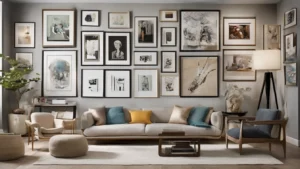
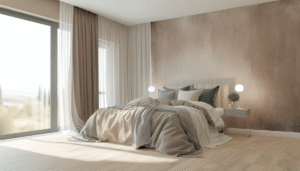
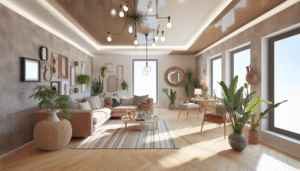


Struggling to keep your small living space tidy? Visual clutter can make a space feel chaotic, impacting your mood and productivity. In this article, we reveal valuable small space solutions to reduce visual clutter in your home or office. You’ll learn how to implement organization techniques that not only enhance the look of your space but also create a sense of tranquility.
Throughout this guide, we will explore practical tips, innovative storage solutions, and design principles that will help you streamline your environment. Get ready to reclaim your space and enjoy the freedom of an uncluttered life!
We will cover:
- Understanding Visual Clutter
- Effective Decluttering Strategies
- Smart Storage Solutions for Small Spaces
- Design Principles for Minimizing Clutter
- Maintaining an Organized Space
Understanding Visual Clutter
What Is Visual Clutter?
Visual clutter refers to excess items in a space that distract the eye and create a sense of disorder. It can arise from cluttered surfaces, excessive decorations, or poorly organized storage. In small spaces, visual clutter can be particularly overwhelming, leading to feelings of stress and anxiety.
Why Reducing Visual Clutter Matters
Reducing visual clutter can significantly enhance your quality of life. Research shows that organized spaces lead to improved focus and productivity. Moreover, having a serene environment can lower stress levels, making it essential for your wellbeing.
Ultimately, reducing visual clutter is about creating an inviting, functional, and peaceful environment.
Effective Decluttering Strategies
The 4-Box Method
One of the most effective decluttering strategies is the 4-box method, where you sort items into four categories: Keep, Donate, Trash, and Store. This approach encourages you to make decisions quickly and helps streamline the decluttering process.
One In, One Out Policy
Implementing a “one in, one out” policy can greatly aid in maintaining organizational peace. For every new item you bring into your space, make it a rule to remove one item. This practice keeps clutter at bay and ensures your belongings remain necessary and cherished.
Daily Declutter Routine
Establishing a daily declutter routine, even if just 5-10 minutes, can have a compounding effect over time. Focus on a specific area, and make a habit of reassessing items regularly to ensure they still serve a purpose in your space.
Smart Storage Solutions for Small Spaces
Multi-Functional Furniture
Opt for multi-functional furniture to maximize utility. Sofa beds, ottomans that open for storage, and nesting tables can help minimize the items you need while providing essential functions.
Vertical Storage Options
Utilize vertical space by incorporating wall-mounted shelves or tall cabinets. This strategy frees up floor space while creating a visually appealing display for your items.
Baskets and Boxes
Baskets and decorative boxes can be an aesthetic solution to hide clutter. They not only add character but also contribute to a neat space by providing dedicated areas for specific items.
Design Principles for Minimizing Clutter
Neutral Color Palettes
Choosing neutral or light colors for your walls and furniture can create a sense of openness. A cohesive color scheme helps unify the space, making it feel less chaotic and more curated.
Strategic Use of Lighting
Effective lighting can enhance the clarity and openness of a space. Use layered lighting—ambient, task, and accent lighting—to create depth and warmth, making your area feel less cluttered.
Defining Zones
Creating defined zones can help compartmentalize different activities. Use rugs, furniture placement, or even dividers to clearly designate spaces, reducing the confusion of chaos.
Maintaining an Organized Space
Regular Check-ins
Plan regular check-ins to evaluate your space and ensure clutter has not returned. Setting aside time each month can help keep your environment in order.
Encouraging Participation
If you share your space with others, get everyone involved in maintaining organization. Create family rules or guidelines to respect shared areas, promoting teamwork in keeping the space tidy.
Embracing Minimalism
Consider adopting minimalist principles when it comes to possessions. Focus on quality over quantity to cultivate a more meaningful, clutter-free existence.
Conclusion and Next Steps
By implementing these small space solutions to reduce visual clutter, you can transform your living environment into one that inspires peace and organization. From effective decluttering strategies to smart storage solutions, small changes can create huge impacts.
As you embark on this journey, remember to set aside time regularly for maintenance and involve others if you share your space. Start today, and watch how a decluttered space elevates your life!
For more insights on home organization, check out our related articles:
- Essential Tools for Home Organization
- Designing Functional Spaces: A Guide
- Understanding Minimalist Living
FAQs
How can I start decluttering my small space?
Begin by using the 4-box method to categorize your belongings. Set aside dedicated time each day to focus on one area at a time.
What are some affordable storage solutions for small apartments?
Consider multi-functional furniture, wall shelves, and decorative baskets to help keep your items organized without breaking the bank.
How often should I declutter my living space?
It’s advisable to declutter at least once a month, but daily 5-10 minute routines can significantly help maintain order more consistently.
Can design choices really affect how cluttered a space feels?
Yes! Choosing lighter color palettes and strategic lighting can create a sense of openness, helping minimize the feeling of clutter.
What’s the difference between visual clutter and physical clutter?
Visual clutter refers to how the arrangement of items makes a space feel, while physical clutter is simply the number of items present.
Content Disclaimer
The information provided in this article is for educational purposes only and should not be considered professional advice. For specific needs, consult a qualified expert.
Categories
- Accent Walls & Ceilings (84)
- Art Curation & Gallery (83)
- Bedding Style Trends (89)
- Bedroom Makeover (96)
- Bohemian & Eclectic Styles (80)
- DIY & Budget-Friendly Decor (78)
- Eco-Friendly Design (83)
- Furniture Care (87)
- Home Decor & Design Ideas (181)
- Home Wellness Spaces (103)
- Integrated Outdoor Living (91)
- Japandi Style (84)
- Kids and Nursery Decor (73)
- Living Room Decor (99)
- Mix & Match Techniques (95)
- Modern & Contemporary Design (88)
- Rug Sizing & Placement (89)
- Scandinavian Design Inspiration (51)
- Seasonal Home Decor (100)
- Small Space Solutions (93)
- Wall Art & Painting Tips (94)
Recent Comments
Archives
Product Gallery
-
 Majestic African Wildlife Canvas Art for Stylish Home Decor
Rated 5.00 out of 5
Majestic African Wildlife Canvas Art for Stylish Home Decor
Rated 5.00 out of 5 -
 Cozy Irregular Green Plush Rug for Nordic Living Spaces
Rated 5.00 out of 5$45.53 – $287.11Price range: $45.53 through $287.11
Cozy Irregular Green Plush Rug for Nordic Living Spaces
Rated 5.00 out of 5$45.53 – $287.11Price range: $45.53 through $287.11 -
 Scandinavian Geometric Area Rugs for Stylish Home Décor
Rated 5.00 out of 5$34.12 – $516.89Price range: $34.12 through $516.89
Scandinavian Geometric Area Rugs for Stylish Home Décor
Rated 5.00 out of 5$34.12 – $516.89Price range: $34.12 through $516.89