

Maximize your compact living spaces effortlessly with smart, stylish ideas designed to enhance functionality and create a serene, uncluttered home environment.
Living in a small space often feels like a constant struggle between wanting to enjoy your home and battling clutter or cramped surroundings. If you’re nodding along, you’re not alone — transforming tight quarters into a haven that feels spacious, elegant, and practical is a real challenge. The good news? Small space solutions with elegant simplicity exist and are achievable without breaking the bank or sacrificing style.
In this guide, we dive into proven methods for optimizing small spaces by combining minimalist design principles with clever storage and multi-functional furniture. Whether you live in a tiny apartment, studio, or just want to make better use of a nook or spare room, you’ll discover actionable tips and inspiring examples.
Here’s what you’ll get:
- Insight into minimalist design fundamentals tailored for small homes
- Creative storage hacks that hide clutter without compromising aesthetics
- Furniture choices that serve multiple purposes elegantly
- Lighting and color strategies to visually expand rooms
- Real-world case studies to spark your imagination
- Tools and resources for planning and implementing your space makeover
Ready to reclaim your rooms and find serenity in simplicity? Let’s explore how small space solutions with elegant simplicity can transform your home, one smart idea at a time.
Understanding Minimalist Design for Small Spaces (Minimalism in Tiny Homes)
Why Minimalism Works Wonders in Small Areas
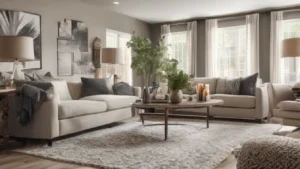
Minimalism isn’t just about owning less; it’s about thoughtful curation that prioritizes quality, comfort, and utility. In small spaces, where every square foot counts, minimalist design reduces visual noise and frees up room for movement.
Statistic: A 2022 survey by Houzz found that 67% of homeowners felt less stressed in homes designed with minimalist principles.
Core Principles: Clean Lines, Open Layouts, and Intentional Decor
- Clean Lines: Furniture with simple silhouettes avoids overcrowding.
- Open Layouts: Avoid blocking pathways or windows to enhance flow and natural light.
- Intentional Decor: Each piece serves a clear purpose — be it function or emotional resonance.
Actionable Tips for Adopting Minimalism
- Declutter slowly — focus on one area every week.
- Use a “one in, one out” rule for new items.
- Choose neutral color palettes with pops of soft hues to keep spaces serene.
Creative Storage Solutions That Hide Clutter Elegantly
Utilizing Vertical Space
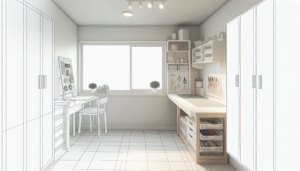
When floorspace is limited, look up. Vertical storage systems like tall shelving units, wall-mounted racks, or pegboards can keep essentials accessible yet out of the way.
Smart Hidden Storage Ideas
- Under-bed Drawers: Perfect for seasonal clothes or spare linens.
- Built-in Wall Niches: Compact shelves recessed into walls instead of bulky furniture.
- Storage Ottomans and Benches: Dual-purpose seating that hides items inside.
Examples & Tools
IKEA’s PLATSA system offers modular, wall-mounted storage that adapts to odd layouts, mixing open and closed shelving with drawers for a neat look.
Actionable Takeaway
Create a storage strategy map of your room to identify underused vertical spaces and invest in modular units that can grow with your needs.

Multi-Functional Furniture for Maximum Impact
What Makes Multi-Functional Pieces Ideal?
Furniture that pulls double duty saves space and money while keeping aesthetics intact. The right choices help small rooms feel flexible and less cluttered.
Popular Multi-Functional Furnishings
- Murphy Beds: Fold up against the wall, instantly freeing floor space.
- Extendable Dining Tables: Compact daily, but expandable for guests.
- Sofa Beds: Perfect for studios accommodating guests.
- Desks with Built-in Storage: Keeps work areas tidy and space-efficient.
Case Study: A NYC Studio
Designer Anna’s 350 sq. ft. studio uses a loft Murphy bed paired with nested side tables and a fold-down desk. This setup boosted usable living room space by over 40%, proven by her monthly guest visits becoming seamless and comfortable.
Actionable Steps
Consider your lifestyle and list what activities your space must serve. Find multi-functional furniture that matches those needs without compromising your style taste.
Optimizing Light and Color to Expand Visual Space
The Power of Natural Light
Natural daylight opens up tight spaces and improves mood. Avoid heavy drapes; use sheer curtains or leave windows uncovered when privacy isn’t a concern.
Color Palettes That Visually Expand
- Soft whites, light greys, and pale blues make walls recede.
- Monochromatic schemes reduce visual fragmentation.
- Accents of warm tones in textiles or decor can add interest without crowding.
Lighting Layering Techniques
Combine overhead lighting with task and accent lights to brighten corners and enhance depth. LED strip lights under cabinets or shelves can add a floating effect, increasing perceived room size.
Comparison Table: Light Fixtures for Small Spaces
| Type | Pros | Cons |
|---|---|---|
| Flush Mount Ceiling Lights | Space-saving, provides general illumination | May feel flat without accents |
| Wall Sconces | Adds depth, frees floor space | Requires installation, less flexible |
| Table Lamps | Portable, versatile light source | Occupies surface area |
| LED Strip Lighting | Accentuates features, low profile | Often needs professional setup |
Actionable Tip
Test your lighting options during different times of the day to see how they transform your space and mood before committing.
Planning and Tools for Implementing Small Space Solutions
Design Software That Simplifies the Process
- SketchUp Free: 3D modeling tool great for spatial visualization.
- Roomstyler 3D Home Planner: User-friendly, good for experimenting with furniture layouts.
- IKEA Place: AR app to preview how furniture fits your actual space.
Step-by-Step Implementation Checklist
- Measure your space accurately twice for precision.
- Create a layout plan including traffic flow and focal points.
- Prioritize multipurpose furniture before decorative pieces.
- Assign dedicated storage zones to avoid chaotic spillover.
- Test lighting setups and color effects on smaller wall sections first.
Expert Quote
“In small space design, every decision profoundly impacts the user’s wellbeing. Simplicity paired with purposeful design uplifts even the tiniest homes.” — Maria Lopez, Interior Designer
Actionable Insight
Start small with one room or zone—seeing quick wins motivates sustained effort.
Frequently Asked Questions About Small Space Solutions
How can I make a small room look bigger without renovations?
Painting walls in light hues, maximizing natural light, and using furniture with exposed legs can visually expand a small room without major construction.
What are the best storage hacks for studio apartments?
Use vertical storage, under-bed containers, and multi-purpose furniture like storage ottomans or fold-out desks to optimize every inch.
Is minimalism necessary for small space living?
While not mandatory, minimalism helps reduce clutter and create a calming environment, which is especially beneficial in compact spaces.
Can lighting really change the perception of space?
Yes, proper layering of light and the use of bright whites can significantly increase the feeling of openness in a room.
What furniture pieces are a must-have in a small home?
Multi-functional pieces such as fold-away beds, expandable tables, and storage benches are essential to maximize usability.
Conclusion & Next Steps
Small space solutions with elegant simplicity transform limited square footage into inviting, functional homes. By embracing minimalist design principles, employing clever storage, choosing multi-functional furniture, and using light and color strategically, you unlock both style and usability. These steps help reduce stress, boost comfort, and even enhance your lifestyle through thoughtful environment design.
Now it’s your turn: analyze your living area, prioritize changes that bring immediate impact, and use the recommended tools to visualize your refreshed space. Remember, even small tweaks can create a big difference.
Explore related topics like space-saving furniture ideas, minimalist home design tips, and best storage solutions for apartments for further inspiration and detailed strategies.
Content Disclaimer
Information provided in this article is for educational purposes only. Individual results may vary based on specific circumstances and choices. Before making significant changes to your living space or investing in costly furniture, consider consulting design professionals.