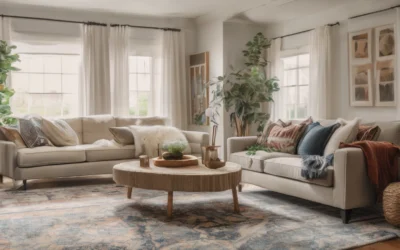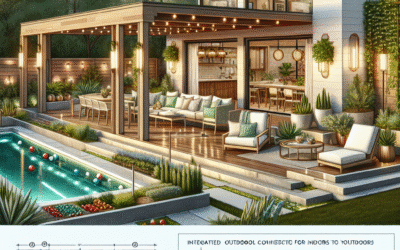
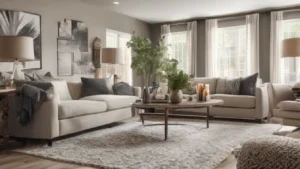

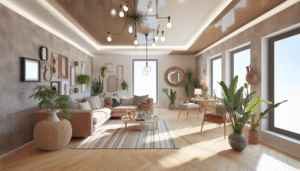


Discover how sustainable open living space layouts can maximize natural light, improve airflow, and promote ecological balance in your home design.
Imagine stepping into a home where the indoors seamlessly mingle with nature outside — sunlight streaming in, fresh air flowing freely, and every corner designed to nurture both comfort and the planet. For many homeowners, achieving this harmony through sustainable open living space layouts has become not just a trend but a necessity.
In this extensive guide, you’ll learn how strategic design decisions using sustainable open living space layouts can revitalize your living environment, increase energy efficiency, and foster an eco-friendly lifestyle. From optimizing daylight to creating fluid indoor-outdoor connections, these layouts change how we experience home life.
This article covers:
- Key principles of sustainable open floor plans
- How natural light and ventilation transform spaces
- Material choices that support eco-friendly living
- Real-world case studies showcasing success
- Tools and tips to help you begin your sustainable layout project
By the end, you’ll have a clear roadmap to reimagine your living space with sustainability at its core without sacrificing style or practicality.
Fundamentals of Sustainable Open Living Space Layouts
Sustainable open living space layouts combine ecological sensitivity with spatial efficiency to create homes that are healthy, adaptable, and energy-conscious. At its core, this design approach encourages an open floor plan with minimal dividing walls, enhancing light and ventilation, while reducing unnecessary building materials.
What Makes a Layout Sustainable?
Sustainability in architecture revolves around reducing environmental impact, enhancing occupants’ well-being, and promoting resource conservation. A sustainable layout often includes:
- Optimized orientation: Aligning the layout to take advantage of solar gain and natural breezes.
- Flexible open-plan zones: Spaces designed for multifunctional living without fixed partitions.
- Minimalistic structural elements: Using scarce materials efficiently for support and flow.
- Indoor-outdoor continuity: Seamless transitions to decks, gardens, or courtyards to encourage connection with nature.
Benefits Beyond Energy Savings
While sustainability often calls to mind utility bills, open living layouts improve more than just energy consumption. Here’s why homeowners prefer them:
- Enhanced social interaction: Open spaces encourage family and guests to engage naturally across zones.
- Health benefits: Increased sunlight and fresh air improve mood and reduce indoor pollutants.
- Adaptability: Open spaces can be rearranged or subdivided as lifestyle needs change.
The U.S. Department of Energy notes that proper open-plan architecture can lower heating and cooling expenses by up to 30%, underscoring the impact of design choices on sustainability (energy.gov).
Step-By-Step: Planning Your Sustainable Open Layout
- Site analysis: Consider sun trajectory, prevailing winds, and landscape.
- Define zones: Plan living, cooking, dining, and relaxation areas to flow naturally.
- Choose materials: Select eco-friendly, high-performance materials for finishes and structure.
- Design transitions: Implement large openings, sliding doors, or foldable walls to amplify indoor/outdoor access.
- Incorporate systems: Integrate natural ventilation and daylight controls to optimize energy use.
Harnessing Natural Light and Ventilation in Open Living Spaces
Nothing says sustainable living like a home that naturally lights up and breathes fresh air without relying on power-hungry devices. Let’s explore how design creates spaces that work with nature—not against it.
Designing for Maximum Daylight
Strategic placement of windows, skylights, and glass doors invite sunlight in, reducing dependency on artificial lights during daytime. Consider these techniques:
- South-facing glazing: Captures winter sun for warmth, balanced with shading solutions for summer.
- Clerestory windows: Positioned high on walls to flood interiors with light while maintaining privacy.
- Light shelves and reflective surfaces: Bounce daylight deeper into rooms.
Daylight harvesting can cut electricity spending by nearly 40% in open-concept homes when correctly implemented (ArchDaily).
Promoting Natural Airflow
Cross ventilation keeps indoor air fresh and temperatures comfortable. Open plans without excessive walls allow free movement of breezes, but design must consider:
- Window placement: Position openings on opposite or adjacent walls for air passage.
- Ventilation stacks and vents: Use vertical airflow principles to remove hot air efficiently.
- Landscaping: Vegetation can direct or cool incoming breezes naturally.
Indoor-Outdoor Flow: More Than Aesthetic
Sliding or folding glass walls dissolve boundaries between inside and out. This not only:
- Extends usable living space
- Invites cool night air into core rooms
- Supports mental well-being by connecting with nature
Most important, a smooth flow keeps energy use low by reducing reliance on HVAC systems.
To enhance this, consider patio shading—like pergolas with climbers—or adjustable louvers that adapt as the seasons shift.
Eco-Friendly Materials and Furnishings for Open Living Areas
Materials make or break a home’s sustainability promise. When paired well with open layouts, they create spaces that feel light, natural, and long-lasting.
Choosing Structural Materials
- Reclaimed wood: Offers character while cutting down on fresh timber consumption.
- Low-VOC paints and finishes: Improve indoor air quality in open airflows.
- Natural insulation: Wool, cellulose, or hemp provide breathable barrier advantages.
- Cork or bamboo flooring: Rapidly renewable, visually warm, and durable.
Furniture Selection with Sustainability in Mind
Avoid clutter in open spaces by selecting multi-purpose furniture made from sustainable sources:
- Modular sofas that adapt to room shape
- Tables crafted from FSC-certified wood or recycled metal
- Natural fiber rugs and cushions for texture without toxins
Investing in quality pieces means fewer replacements and lower environmental cost over time.
Incorporating Green Technology
Pair materials with smart home solutions to boost sustainability of your open design:
- Smart thermostats control temperature zones in large open spaces
- Automated blinds react to sun intensity
- LED and solar lighting options complement natural light systems
Case Studies: Successful Sustainable Open Living Space Layouts
Case Study 1: The Green Haven Residence, Portland, OR
Designed by architect Maya Jensen, this 2,400 sq ft open home focuses on solar orientation and natural ventilation. Large south-facing windows with overhangs minimize summer heat while welcoming winter sun. The open kitchen, dining, and living areas converge fluidly onto an expansive deck shaded by native trees. Jensen credits a 35% reduction in utility bills since moving in.

Photo: Green Haven Residence living-dining area opening to the outdoors
Case Study 2: The Bamboo Loft, Austin, TX
This 1,800 sq ft urban loft uses reclaimed bamboo structural elements and cork floors to tie sustainability with open-plan living. The high ceilings and glass sliding doors create a bright, airy feel. Interior walls fold away, giving the option to create private zones when needed. The owners report heightened wellbeing and seamless indoor-outdoor lifestyle.
Comparison Table: Traditional Closed Layout vs. Sustainable Open Layout
| Feature | Traditional Closed Layout | Sustainable Open Layout |
|---|---|---|
| Natural Light | Limited openings, darker zones | Maximized daylight, bright throughout |
| Airflow | Restricted due to walls | Enhanced cross ventilation |
| Energy Use | Higher heating/cooling needs | Reduced utility consumption |
| Interaction | Compartmentalized rooms | Greater social connection |
| Flexibility | Less adaptable to change | Multi-use spaces |
Tools and Resources to Design Your Sustainable Open Living Space
Software for Layout Planning
- SketchUp: User-friendly 3D modeling for beginners and pros alike
- Sweet Home 3D: Open-source, great for visualizing open spaces — free and simple
- Autodesk Revit: Professional BIM software with sustainability plugins for energy analysis
Resource Hubs and Guides
Tips for Successful Implementation
- Start with a detailed site and climate analysis
- Work with a professional architect who understands sustainable design
- Test daylight scenarios using software before finalizing
- Choose materials based on local availability and environmental credentials
- Involve future users early to tailor space needs
Visual Content Suggestions: An infographic comparing energy savings between open and closed plans, a walkthrough video of a sustainable open-floor home, and annotated floor plans highlighting airflow paths.
FAQ About Sustainable Open Living Space Layouts
What is a sustainable open living space layout?
A sustainable open living space layout is a floor plan designed to maximize energy efficiency, natural light, and airflow by reducing partition walls and using ecological materials to create healthy, adaptable indoor environments.
How does open-plan design improve energy efficiency?
Open layouts allow sunlight to penetrate deeper and enable air to circulate freely, reducing the need for artificial lighting, heating, and cooling, which lowers overall energy consumption.
Are open living spaces suitable for all climates?
Yes, but design strategies vary. In hot climates, shading and ventilation are critical, while colder areas benefit from solar gain and insulation. Customization is key to respond to local weather conditions.
What materials are best for eco-friendly open spaces?
Materials such as reclaimed wood, bamboo, cork flooring, natural insulation (wool or cellulose), and low-VOC finishes enhance sustainability while maintaining indoor air quality in open layouts.
Can open living spaces be adapted for privacy?
Absolutely. Flexible partitions, sliding panels, or curtains can provide privacy without sacrificing openness when needed.
How do I start designing a sustainable open floor plan?
Begin with site and climate analysis, identify your living needs, consult a sustainable architect, and use layout planning tools to visualize daylight and airflow scenarios before building.
What are the cost implications of sustainable open layouts?
While some materials and technologies may have higher upfront costs, lower energy bills and increased home value often offset expenses over time.
Where can I find inspiration for sustainable open layout designs?
Explore architecture blogs, sustainable design books, and websites like ArchDaily and the US Green Building Council for case studies and real-world examples.
Conclusion & Next Steps
Sustainable open living space layouts offer a refreshing way to design homes that breathe, shine, and interact naturally with their environment. By embracing open plans thoughtfully aligned with daylight, airflow, and eco-friendly materials, you create a healthier, more comfortable living experience while respecting the planet.
Whether embarking on new construction or remodeling, this design philosophy empowers you to reduce your carbon footprint, save on energy costs, and connect more deeply with your community and surroundings. Take the steps shared here to analyze your site, plan your zones, and select materials that embody sustainability.
Ready to dive deeper? Check out our guide on eco-friendly building materials and energy-saving home designs to complement your sustainable open living project.
Start your journey today—small changes in layout can lead to big wins for comfort and the environment.
Content Disclaimer
This article is provided for educational purposes only. Design and construction projects should always include consultation with qualified architects, engineers, and sustainability experts to address site-specific conditions and regulations.