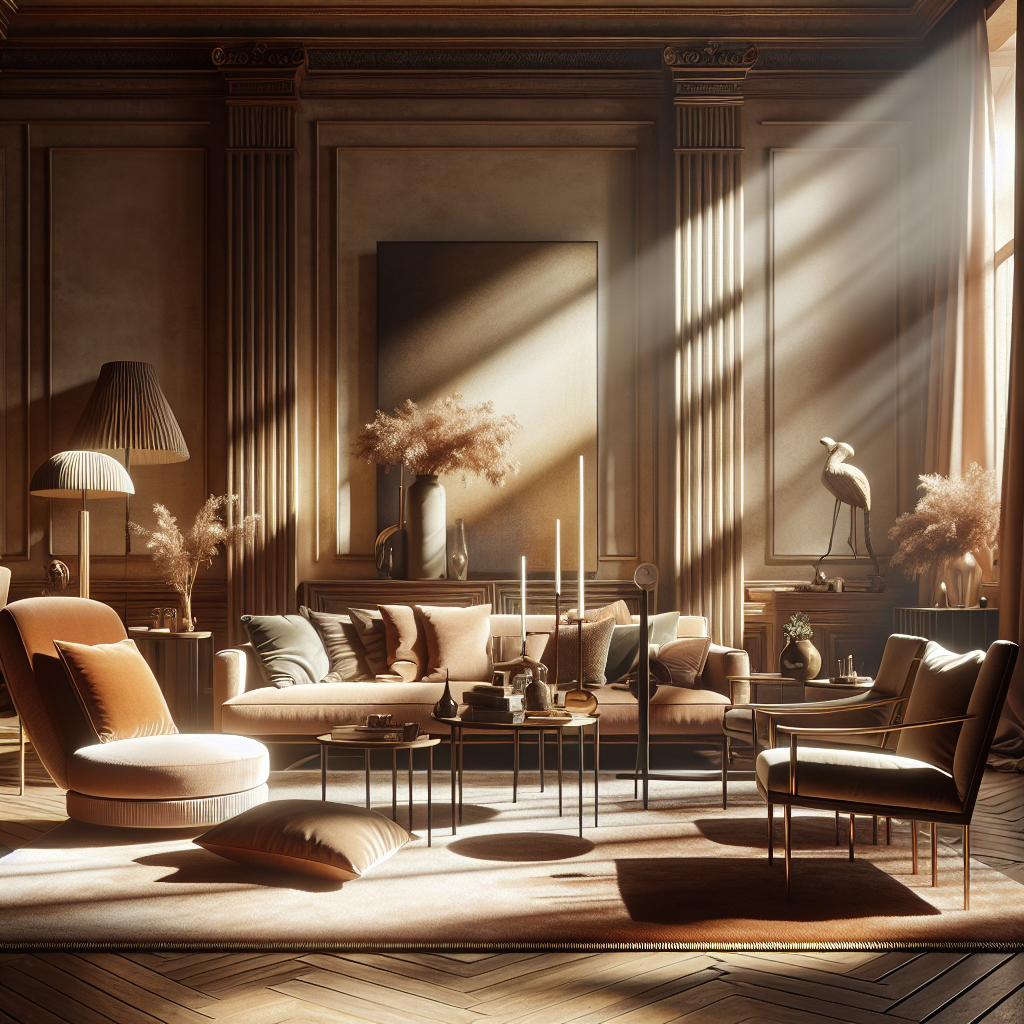

Why Mixing Modern and Vintage Makes Perfect Design Sense
You know what’s fascinating about interior design today? The rules we once thought were set in stone have completely crumbled. Gone are the days when matching furniture sets ruled living rooms like tiny dictators. Instead, we’re seeing something far more interesting unfold—a beautiful marriage between sleek modern pieces and cherished vintage finds.
Honestly, this trend isn’t just about aesthetics. It’s about creating spaces that actually tell stories. When you place a mid-century modern Eames chair next to your grandmother’s antique writing desk, you’re not just decorating. You’re curating a conversation between different eras, different philosophies of design, and maybe even different parts of your own journey.
The magic happens in that tension between old and new. Modern furniture brings clean lines and functionality that our fast-paced lives demand. Vintage pieces? They offer character, craftsmanship, and that indefinable quality we call soul. Together, they create spaces that feel both timeless and thoroughly contemporary.
Think about it this way: your home shouldn’t look like a showroom floor where everything was purchased in a single afternoon. Real homes evolve. They collect pieces over time, inherit treasures from family, and discover unexpected gems at estate sales. The modern-vintage blend simply formalizes what naturally happens when people actually live in their spaces.
Reading the Room: Understanding Your Space’s Natural Language
Every room speaks its own language, and learning to listen is your first job as a designer. Some spaces practically beg for drama—those high-ceilinged Victorian parlors with their ornate moldings and generous proportions. Others whisper minimalist secrets through their clean architectural lines and abundant natural light.
Your home’s architecture provides the foundation for every design decision you’ll make. A 1920s Tudor cottage has different needs than a contemporary loft with exposed brick walls. The trick lies in recognizing these architectural cues and using them as your guide rather than fighting against them.
Let’s talk about proportion for a moment. This concept trips up more people than any other design element. You can’t just plop a delicate Queen Anne side table next to a massive sectional sofa and expect harmony. The pieces need to speak the same visual language, even if they’re from different eras.
Consider the existing elements you can’t change—your flooring, wall colors, built-ins, and window styles. These permanent features should inform your furniture choices. Warm hardwood floors might call for vintage pieces with rich patinas, while polished concrete suggests sleek modern elements.
Room function matters too, and this is where modern sensibilities often take precedence. Your kitchen needs to work efficiently, regardless of style preferences. Your home office requires proper ergonomics. Smart design always serves life first, style second.
The Foundation Pieces That Anchor Every Room
Here’s where strategy becomes crucial. Success in mixing modern and vintage starts with choosing the right foundation pieces—those major furniture items that set the tone for everything else. Think sofas, dining tables, beds, and primary seating areas.
I usually recommend starting with one statement piece that you absolutely love, regardless of its era. This becomes your room’s anchor point. Maybe it’s a gorgeous vintage Danish dining table with that incredible teak grain, or perhaps a stunning contemporary sectional with perfect proportions. Once you have that anchor, everything else relates to it.
The 60-40 rule works wonders here, though don’t get too hung up on exact percentages. If your room leans 60% modern, the 40% vintage becomes more noticeable and special. Flip those proportions, and your modern pieces provide crisp contrast against predominantly vintage surroundings.
Foundation pieces also need to be practical. That beautiful 1950s kidney-shaped coffee table might look amazing, but if it doesn’t provide enough surface area for your lifestyle, you’ll grow frustrated. Vintage charm shouldn’t come at the expense of functionality.
Scale relationships between foundation pieces set the visual rhythm for your entire room. A massive modern sectional paired with a tiny vintage side table creates awkward proportions. Instead, look for pieces that share similar visual weight, even if their styles differ dramatically.
Color Stories That Bridge Time Periods
Color becomes your secret weapon when mixing different furniture eras. It’s the thread that weaves disparate pieces into a cohesive whole, making a 1970s velvet chair and a contemporary glass table look like they were always meant to be together.
Warm neutrals work like magic in mixed-era spaces. Think warm whites, soft grays, and creamy beiges. These colors provide a calming backdrop that lets both modern and vintage pieces shine without competing. They also photograph beautifully, which matters more than we’d like to admit in our Instagram-driven world.
But here’s the thing about color—it carries emotional weight. The deep emerald green of a vintage velvet sofa evokes different feelings than the stark white of a modern console. Understanding these emotional undercurrents helps you create spaces that feel intentional rather than accidental.
Consider establishing one or two accent colors that appear in both modern and vintage pieces throughout your room. Maybe it’s the warm brass of vintage hardware echoing in contemporary light fixtures, or the rich navy of a modern rug connecting with vintage ceramic accents.
Wood tones deserve special attention in mixed-era design. Different decades favored different wood finishes—the honey-colored teak of mid-century modern pieces versus the dark mahogany of traditional furniture. You don’t need to match these exactly, but they should harmonize rather than clash.
Patina tells stories, and those stories add richness to your space. The gentle wear on a vintage leather chair or the soft oxidation on brass hardware provides character that new pieces can’t immediately offer. Embrace these signs of age rather than trying to restore everything to showroom condition.
Texture Play: When Smooth Meets Weathered
Texture adds another layer of complexity to modern-vintage mixing, and it’s where you can really have some fun. The contrast between a sleek modern metal console and a rustic vintage wooden box creates visual interest that flat, one-note rooms simply can’t achieve.
Modern furniture often emphasizes smooth, refined textures—polished steel, sleek leather, smooth lacquered wood. Vintage pieces bring different tactile experiences—carved details, woven cane, distressed paint, worn fabric. The interplay between these textures creates depth and invites touch.
Natural materials bridge eras beautifully. Wood, stone, leather, and natural fibers appear in both modern and vintage pieces, just treated differently. A contemporary dining table might showcase raw-edge walnut, while a vintage piece displays intricately carved mahogany. Both celebrate wood, just with different philosophies.
Layering textures requires restraint. Too many competing textures create visual chaos. Instead, choose two or three primary textures and let them dominate, then add small doses of contrasting elements for interest.
Fabric choices can make or break your modern-vintage balance. A vintage sofa reupholstered in contemporary fabric suddenly feels fresh and current. Conversely, modern furniture dressed in vintage-inspired textiles gains character and warmth.
Lighting: The Make-or-Break Element
Let me share something that might surprise you—lighting makes a bigger difference in modern-vintage mixing than any other single element. Poor lighting can make expensive pieces look cheap, while great lighting elevates even budget finds into design stars.
Vintage lighting fixtures often become the jewelry of a room. That 1960s Sputnik chandelier or elegant Art Deco table lamp can serve as the perfect accent piece in an otherwise modern space. These fixtures carry such strong style signatures that they need careful balance to avoid overwhelming the room.
Layered lighting works especially well in mixed-era spaces because it allows you to highlight different elements at different times. Task lighting showcases the clean lines of modern furniture, while ambient lighting creates mood that enhances vintage pieces’ romantic qualities.
Consider the color temperature of your bulbs too. Warm light (2700K-3000K) flatters vintage pieces and creates cozy atmosphere, while cooler light (3500K-4000K) emphasizes modern designs’ crispness. Using dimmer switches lets you adjust the mood throughout the day.
Natural light deserves attention as well. How does the morning sun hit that vintage credenza? Does afternoon light reveal the beautiful grain in your modern dining table? Work with your space’s natural light patterns rather than against them.
Scale and Proportion – Getting the Mix Just Right
Scale mistakes kill more design projects than any other single factor. You’ve probably seen it—beautiful individual pieces that look ridiculous together because their proportions don’t work. This challenge becomes even trickier when mixing furniture from different eras, each with its own sizing conventions.
Mid-century modern furniture tends toward lower profiles and horizontal lines. Traditional pieces often stand taller with more vertical emphasis. Mixing these requires careful attention to sightlines and visual flow throughout the room.
Here’s a practical tip that serves me well: if you’re unsure about scale relationships, try the "squint test." Step back and squint at your arrangement. Do the pieces look balanced, or does one element dominate awkwardly? Your eye usually knows what works, even when your brain overthinks the decision.
Negative space—the empty areas around and between furniture—becomes crucial in mixed-era designs. Modern sensibilities often call for more breathing room, while vintage arrangements might be cozier and more collected. Finding the right balance keeps your space from feeling either stark or cluttered.
The height relationships between pieces create visual rhythm. A low modern coffee table might pair beautifully with a taller vintage floor lamp, but surround it with all low pieces and the lamp looks stranded. Think about creating gentle height variations that lead the eye around the room.
Shopping Smart: Where to Find the Perfect Pieces
The hunt for perfect pieces can become addictive, and honestly, that’s half the fun. Successful modern-vintage mixing requires patience and a good eye, but also knowing where to look for different types of pieces.
Estate sales remain gold mines for authentic vintage furniture, especially pieces from the homeowner’s actual era. You’ll find items that have been loved and maintained, often at prices that make vintage dealers weep. The key is arriving early and bringing basic measurements of your space.
Online marketplaces like Facebook Marketplace and Craigslist require more skepticism but offer incredible variety. People often don’t realize what they’re selling, which can work in your favor. Always ask for additional photos and don’t be afraid to request specific angles or close-ups of construction details.
For modern pieces, consider outlet stores and showroom sales. Many contemporary furniture retailers offer significant discounts on floor models or discontinued items. These pieces might have minor imperfections, but they’re often invisible in actual home settings.
Antique malls provide edited selections with the convenience of multiple dealers under one roof. Prices might be higher than estate sales, but you’re paying for the curation and often getting pieces in better condition.
Don’t overlook consignment shops in affluent neighborhoods. People upgrading their homes often consign high-quality pieces at prices well below retail. The inventory changes frequently, so regular visits pay off.
Styling Tricks That Professionals Swear By
Now we get to the fun part—the styling secrets that transform a collection of furniture into a cohesive design statement. These details separate amateur efforts from professional results, and most of them cost very little to implement.
Repetition creates connection between disparate pieces. If your vintage armchair features brass nailheads, echo that brass in modern picture frames or cabinet hardware. This repetition creates visual threads that tie the room together subconsciously.
Grouping items in odd numbers feels more natural and dynamic than even-numbered arrangements. Three books stacked under a modern lamp, five vintage bottles on a contemporary shelf—these arrangements feel intentional rather than forced.
Styling surfaces requires restraint and editing. Less is usually more, but completely bare surfaces can feel cold. Aim for a few carefully chosen objects that support your modern-vintage narrative rather than cluttering every horizontal surface with decorations.
Books work like magic in mixed-era spaces. They’re timeless objects that look equally appropriate next to vintage typewriters and contemporary sculptures. Stack them horizontally under lamps for height, or arrange them vertically as bookends for smaller objects.
Plants bring life and natural texture that complements both modern and vintage aesthetics. A fiddle-leaf fig in a contemporary planter can soften the edges of a stark modern console, while trailing pothos in vintage ceramic pots adds warmth to sleek surfaces.
Common Mistakes (And How to Dodge Them)
Let’s talk about the pitfalls that trap even well-intentioned designers. Recognizing these mistakes before you make them saves money, time, and frustration.
The biggest mistake? Trying to mix every era at once. A room that contains Colonial, Victorian, Art Deco, mid-century modern, and contemporary pieces looks confused rather than curated. Pick one or two eras to mix with contemporary pieces and stick with that palette.
Another common error involves ignoring quality differences. Pairing a genuinely valuable antique with poorly made contemporary furniture highlights the modern piece’s shortcomings. Either upgrade the modern elements or choose vintage pieces that match the quality level you can afford.
Proportion mishaps kill more designs than any other factor. That delicate antique writing desk disappears next to a massive contemporary sectional. Scale your pieces appropriately for the space and for each other.
Cleaning and restoration present their own challenges. Over-restoring vintage pieces can strip away the character that made them appealing. Conservative cleaning and repair usually preserve more value and authenticity than aggressive restoration.
Color coordination troubles plague many mixed-era projects. Trying to match wood tones exactly across different periods rarely works because manufacturing processes and wood sources have changed. Instead, aim for harmony rather than perfect matches.
Room-by-Room Application Strategies
Different rooms have different requirements, and your modern-vintage mixing strategy should adapt accordingly. What works beautifully in a living room might feel completely wrong in a kitchen.
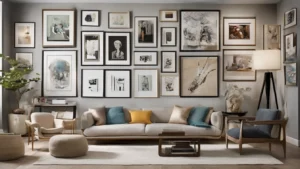
Living rooms offer the most flexibility for creative mixing. This is where you can really play with dramatic contrasts—a sleek modern sofa paired with a vintage Persian rug, or mid-century chairs flanking a contemporary fireplace. The key lies in balancing proportions and maintaining clear circulation paths.
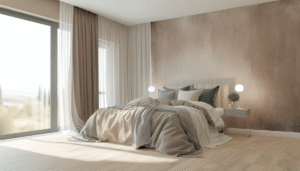
Bedrooms call for more restraint, focusing on comfort and tranquility. A vintage headboard with modern bedding and lighting can create the perfect blend. Keep accessories minimal and colors soothing.
Dining rooms practically beg for modern-vintage mixing. A vintage dining table with contemporary chairs is a classic combination that never feels dated. The contrast between old and new creates interesting visual tension that enhances conversation.
Kitchens require more careful consideration because function must come first. Vintage-style appliances with modern efficiency provide the aesthetic appeal without sacrificing performance. Open shelving can display vintage dishware alongside contemporary pieces.
Home offices benefit from the mix of vintage character and modern functionality. A vintage desk paired with an ergonomic modern chair acknowledges both style and practicality. Task lighting should prioritize function, but it can still have personality.
Budget-Friendly Approaches That Don’t Look Cheap
Creating a high-end look on a modest budget requires strategy, patience, and creativity. The good news? Mixed-era design actually works better on a budget because collected-over-time looks more authentic than purchased-all-at-once perfection.
Start with one investment piece that you absolutely love. This might be a vintage credenza or a contemporary sofa—something substantial that anchors your room. Build around this piece gradually, adding complementary elements as you find them and budget allows.
DIY projects can bridge the modern-vintage gap beautifully. Reupholstering a vintage chair in contemporary fabric updates its look while preserving its character. Simple hardware changes can modernize vintage dressers without major expense.
Thrift stores and flea markets require more hunting, but they offer amazing values for patient shoppers. Look for solid wood construction and good bones rather than perfect finish. Surface imperfections are easy to address, but poor construction is permanent.
Paint works magic on mismatched pieces. A unifying color palette can make furniture from different eras and price points look intentionally curated. Choose quality paint appropriate for furniture use—the finish quality affects the overall perception of your pieces.
Accessories offer affordable ways to tie modern and vintage elements together. Vintage artwork in modern frames, contemporary ceramics on vintage shelves, or modern textiles on vintage furniture create connections without major investment.
Seasonal Updates That Keep Your Mix Fresh
One advantage of modern-vintage mixing is its adaptability to seasonal changes. Small updates keep your space feeling current while preserving your carefully curated foundation.
Spring calls for lighter textiles and fresh flowers. Swap heavy vintage velvets for linen throws, and replace dark artwork with brighter pieces. Plants and flowers bridge modern and vintage aesthetics naturally while adding seasonal color.
Summer updates might include removing some layer and accessories for a cleaner, more minimalist feel. Vintage fans become functional art pieces, while modern lighting feels cooler and more appropriate for longer days.
Fall brings opportunities for richer textures and warmer colors. Layer vintage throws over modern sofas, and add seasonal accessories that complement both eras. Candles and ambient lighting become more important as days shorten.
Winter styling emphasizes comfort and coziness. This is when vintage pieces really shine—their inherent warmth balances modern pieces’ potential coldness. Add layers of texture and increase ambient lighting for maximum comfort.
Holiday decorating in modern-vintage spaces requires restraint. Choose decorations that complement your established aesthetic rather than overwhelming it. Vintage ornaments on modern branches, or contemporary decorations in vintage vessels maintain your design integrity.
Professional Tips for Long-term Success
Creating a successful modern-vintage space is just the beginning. Maintaining and evolving that space over time requires ongoing attention and occasional adjustments.
Documentation helps track your design evolution. Take photos of successful arrangements before moving things around. What seems obvious at the moment often becomes mysterious months later when you’re trying to recreate a look you loved.
Quality maintenance preserves your investment in both modern and vintage pieces. Vintage furniture often requires different care than contemporary pieces. Learn the appropriate cleaning methods and protection strategies for different materials and finishes.
Flexibility in arrangement keeps your space feeling fresh. Modern-vintage mixing works particularly well with seasonal rearranging because the pieces complement each other in various combinations. Don’t be afraid to experiment with different groupings.
Gradual evolution feels more natural than dramatic overhauls. Add pieces slowly and live with them before deciding on permanent placement. Sometimes a piece that seems wrong initially finds its perfect spot after you’ve lived with it for a while.
Insurance considerations become important with valuable vintage pieces. Document your collection with photos and appraisals if pieces have significant value. Understanding replacement costs helps you make informed decisions about use and placement.
When Rules Don’t Apply: Trusting Your Instincts
Here’s something they don’t teach in design school but every successful designer learns eventually—sometimes the best results come from breaking all the rules. Your personal taste and lifestyle should always trump generic design guidelines.
Cultural background influences aesthetic preferences in ways that standard design rules don’t address. Your family’s heritage, travel experiences, and personal history all contribute to what feels right in your space. Honor these influences rather than fighting them.
Lifestyle requirements trump style preferences every time. If you have young children, white upholstery might look stunning but prove impractical. Choose pieces that work for your actual life, not your aspirational one.
Personal collections deserve display space regardless of their design pedigree. Your grandmother’s ceramic birds might not be museum-quality art, but they carry emotional weight that affects how you feel in your space. Find ways to incorporate meaningful objects thoughtfully.
Comfort matters more than perfection. A vintage chair that looks incredible but hurts your back will eventually get replaced. Prioritize pieces that support how you actually live and use your spaces.
Risk tolerance varies among individuals. Some people thrive on bold contrasts and dramatic mixing, while others prefer subtle variations. Design your space for your own comfort level rather than trying to impress others.
The Future of Modern-Vintage Mixing
Design trends evolve constantly, but certain principles remain timeless. The appeal of mixing modern and vintage furniture seems likely to endure because it reflects how people actually live and collect objects over time.
Sustainability concerns increasingly drive furniture choices. Vintage pieces offer environmental benefits by extending existing furniture’s useful life. Modern pieces designed for durability and timeless style also support sustainable consumption patterns.
Technology integration presents new challenges for mixed-era design. Smart home features and charging requirements need accommodation in vintage-influenced spaces. Creative solutions hide modern technology while preserving period aesthetics.
Global connectivity exposes us to more design influences than ever before. Modern-vintage mixing can incorporate international elements and non-Western aesthetics for richer, more complex design narratives.
Changing housing patterns affect furniture choices. Smaller living spaces, more frequent moves, and multi-functional room requirements influence how we select and arrange furniture. Modern-vintage mixing adapts well to these changing needs because it emphasizes individual pieces over complete room sets.
Artisan craftsmanship is experiencing renewed appreciation. Modern furniture makers increasingly reference historical techniques and forms, while vintage pieces showcase traditional craftsmanship skills. This convergence creates new opportunities for sophisticated mixing.
Frequently Asked Questions
**What’s the best ratio for mixing modern and vintage furniture?**
**How do I know if a vintage piece is worth investing in?**
**Can I mix more than two different furniture eras in one room?**
**What’s the biggest mistake people make when mixing furniture styles?**
**Should I restore vintage furniture before using it in modern spaces?**
**How do I deal with different wood tones in mixed-era furniture?**
**What if my space is too small for large statement pieces?**
Disclaimer
The information provided in this guide represents general design advice and suggestions based on common interior design practices. Individual spaces have unique requirements based on architecture, lifestyle, and personal preferences. What works in one room or home may not be appropriate for another.
Furniture values, especially for vintage and antique pieces, can vary significantly based on condition, rarity, manufacturer, and market demand. Any price estimates or value assessments mentioned should not be considered professional appraisals. For valuable pieces, consult qualified appraisers or antique specialists.
Safety considerations are important when incorporating vintage furniture, especially pieces with older finishes, electrical components, or structural elements. Have questionable pieces inspected by qualified professionals before use, particularly in homes with children or pets.
Design trends and style preferences are subjective and constantly evolving. While this guide provides strategies that have proven successful, your personal taste and lifestyle requirements should always take precedence over general design guidelines.
The author and publisher assume no responsibility for outcomes resulting from design decisions made based on this information. Professional interior designers can provide personalized advice for specific situations and requirements.
Categories
- Accent Walls & Ceilings (84)
- Art Curation & Gallery (83)
- Bedding Style Trends (89)
- Bedroom Makeover (96)
- Bohemian & Eclectic Styles (80)
- DIY & Budget-Friendly Decor (78)
- Eco-Friendly Design (83)
- Furniture Care (87)
- Home Decor & Design Ideas (181)
- Home Wellness Spaces (103)
- Integrated Outdoor Living (91)
- Japandi Style (84)
- Kids and Nursery Decor (73)
- Living Room Decor (99)
- Mix & Match Techniques (95)
- Modern & Contemporary Design (88)
- Rug Sizing & Placement (89)
- Scandinavian Design Inspiration (51)
- Seasonal Home Decor (100)
- Small Space Solutions (93)
- Wall Art & Painting Tips (94)
Recent Comments
Archives
Product Gallery
-
 Majestic African Wildlife Canvas Art for Stylish Home Decor
Rated 5.00 out of 5
Majestic African Wildlife Canvas Art for Stylish Home Decor
Rated 5.00 out of 5 -
 Cozy Irregular Green Plush Rug for Nordic Living Spaces
Rated 5.00 out of 5$37.00 – $230.00Price range: $37.00 through $230.00
Cozy Irregular Green Plush Rug for Nordic Living Spaces
Rated 5.00 out of 5$37.00 – $230.00Price range: $37.00 through $230.00 -
 Scandinavian Geometric Area Rugs for Stylish Home Décor
Rated 5.00 out of 5$28.00 – $413.00Price range: $28.00 through $413.00
Scandinavian Geometric Area Rugs for Stylish Home Décor
Rated 5.00 out of 5$28.00 – $413.00Price range: $28.00 through $413.00