





The Secret Language of Softness: Mastering Fabric Blends for Designer Appeal

Ever wonder what makes a fabric feel just so right? You know, that incredible sensation when something drapes perfectly, feels luxurious against your skin, or just seems to have a personality all its own? It’s not magic, though sometimes it certainly feels like it. It’s often the thoughtful artistry of fabric blending, a world where science meets soul to create something truly special. Forget those scratchy, one-note textiles of yesteryear; we’re talking about a symphony of fibers, carefully orchestrated to hit all the right notes.
Why Single Fibers Just Don’t Cut It Anymore
Back in the day, cotton was cotton, wool was wool, and silk was… well, silk was silk, and generally something you saved for fancy occasions. Each had its virtues, no doubt, but also its quirks. Cotton wrinkles like crazy, wool can be itchy, and silk, bless its beautiful heart, is high-maintenance. For centuries, designers and makers just dealt with it, playing to the strengths and trying to mitigate the weaknesses. But what if you could have the breathability of cotton, the warmth of wool, and the luxurious drape of silk, all wrapped up in one gorgeous package? That’s the dream, isn’t it? Well, that dream is a reality thanks to fabric blends. It’s like creating a super-fabric, taking the best bits from different ingredients to whip up something far greater than the sum of its parts. Think of a master chef combining flavors to create a dish that’s both familiar and excitingly new – same principle, just with fibers!
The Craft of the Mix: Blending Beyond the Obvious
Now, when we talk about blending, it’s not just about throwing a couple of fibers together and hoping for the best. Oh no, it’s a deliberate, often scientific, pursuit. The goal is always to improve performance, enhance aesthetics, or frankly, to just make something incredibly comfortable and pleasing to wear or touch. Imagine a T-shirt that feels super soft, holds its shape wash after wash, and doesn’t pill. That’s not typically 100% cotton; it’s often a cotton-polyester or cotton-modal blend. Or consider a blazer that looks sharp but moves with you, never feeling stiff. Chances are, it’s got some elastane or a touch of wool blended with a synthetic to give it that effortless elegance. It’s all about creating balance, getting rid of those annoying downsides while amplifying the good stuff. Who wants a beautiful sweater that scratches incessantly? Nobody, that’s who.
Natural Wonders: The Earth’s Own Luxurious Contributions
Let’s start with the OG textile champions, natural fibers. These are the ones that come from plants and animals, and they carry an inherent charm, a connection to nature that synthetics often strive to emulate. They’re the foundation upon which many exquisite blends are built. You’ve got your cottons, linens, silks, and wools – the rock stars of the natural fiber world, each bringing its own unique vibe to the party.
The Humble Hero: Cotton and its Breathable Charms
Cotton. Ah, cotton. It’s the workhorse, the everyday hero, and honestly, where would we be without it? It’s breathable, absorbent, and wonderfully soft, especially if it’s a good quality like Egyptian or Pima cotton. But, as we mentioned, it wrinkles, it can shrink, and sometimes, it just lacks that certain oomph. Enter blends! Mixing cotton with a touch of polyester dramatically reduces wrinkling and boosts durability. Think about your favorite soft, sturdy bedsheets; they’re often a cotton-poly blend. Or that perfectly worn-in denim, which might have a bit of spandex for comfort. It’s about enhancing cotton’s natural virtues while ironing out its little imperfections. It’s a classic for a reason, but even classics can evolve, right?
Linen’s Laid-Back Elegance and its Blended Best Friends
Linen, cotton’s slightly more sophisticated, breezy cousin—you know, the one with that effortlessly chic, rumpled look? It’s fantastic for summer: super breathable, excellent at wicking away moisture, and eco-friendly to boot. But, oh boy, does it wrinkle! And it can feel a bit stiff if not treated just right. This is where blending becomes an absolute savior. Combine linen with cotton, and you get a fabric that keeps linen’s cool hand and breathability but with significantly less creasing and a softer feel. Add a touch of viscose or rayon, and suddenly, you have a linen-blend fabric that drapes beautifully, perfect for flowing summer dresses or sophisticated resort wear. It’s all about retaining linen’s unique character while making it a bit more user-friendly for our busy, modern lives. We want style, but we also want ease!
Silk: The Whisper of Luxury and its Smart Combinations
Silk – just saying the word conjures images of opulence, right? It’s incredibly soft, has a beautiful luster, and feels amazing against the skin. It also drapes like a dream. But it’s delicate, prone to water spots, and can be quite pricey. So, how do designers get that silken feel without all the fuss and expense? Blends, of course! Silk-cotton blends give you a more durable, less delicate fabric that still retains some of that coveted softness and sheen. Silk-wool blends create luxurious sweaters that are surprisingly warm yet lightweight, minus some of wool’s potential itchiness. And then there’s silk-viscose, which offers a more affordable way to capture that incredible drape and fluidity. It’s about democratizing luxury, making that wonderful silk experience accessible for more everyday garments without compromising on style.
The Warm Embrace: Wool and its Blended Companions
Wool, the ultimate cold-weather champion, offers warmth, resilience, and a comforting heft that’s simply unmatched by most other fibers. But, let’s be real, traditional wool can sometimes feel a bit… rustic. Perhaps even a little scratchy against sensitive skin. This is where wool truly shines in blends, transforming from an often-solo performer into a versatile team player.
Merino Magic and Beyond: Softening Wool’s Edges
You’ve probably heard of Merino wool, right? It’s the superstar of the wool family, known for its incredibly fine fibers that make it much softer than traditional wool. But even Merino can sometimes benefit from a blending buddy. Mixed with cashmere, you get an even more luxurious, cloud-like feel—perfect for those high-end sweaters or scarves that feel like a gentle hug. Blending wool with nylon or polyester increases its durability, making it ideal for activewear or outerwear where you need both warmth and resilience. And for those who love the look of wool but absolutely loathe any hint of itch, a wool-acrylic blend can offer fantastic warmth and softness at a more accessible price point. It’s not just about warmth; it’s about creating a tactile experience that’s truly delightful, making sure comfort is never sacrificed for style.
Synthetics: The Innovators and Their Role in Modern Blends
Synthetics often get a bad rap, don’t they? People sometimes think of them as cheap or unnatural. But honestly, that’s an outdated view. Modern synthetics are engineering marvels, designed to bring specific qualities to the table—qualities that natural fibers just can’t always provide on their own. They’re the unsung heroes of many incredible fabric blends, delivering performance, durability, and often, incredible softness.
Polyester: The Unsung Hero of Resilience and Blending Prowess
Polyester. The word itself might conjure images of leisure suits from the 70s, but let me tell you, today’s polyester is a whole different ballgame. It’s incredibly durable, resistant to wrinkles, quick-drying, and holds color beautifully. When blended with natural fibers, polyester becomes a secret weapon. Cotton-poly blends, as we touched on, create fabrics that are soft, breathable, and remarkably easy to care for. Think about your favorite hoodie or a sturdy pair of work pants; chances are, polyester is playing a crucial role. It adds structure, helps maintain shape, and reduces the need for constant ironing. For home textiles too, like upholstery or curtains, polyester blends offer excellent longevity and stain resistance. It’s all about smart partnerships, giving you the best of both worlds without the fuss.
Rayon and Viscose: The Eco-Conscious Softness Powerhouses
Rayon and viscose are fascinating. They’re technically man-made, but they start from natural materials like wood pulp, so they sort of straddle the line between natural and synthetic. They’re prized for their incredible drape, softness, and silk-like sheen, often at a fraction of silk’s cost. Blended with linen, they make gorgeous, flowing garments that feel incredibly luxurious. With cotton, they lend a beautiful softness and a slightly heavier weight, creating textiles that hang beautifully. Plus, innovations in manufacturing make certain types of rayon, like Tencel™ Lyocell and Modal, increasingly sustainable and incredibly soft next to the skin. They’re quickly becoming go-to choices for designers looking for both luxury and a lighter environmental footprint. Frankly, they’re game-changers for comfortable, stylish clothing.
Elastane (Spandex/Lycra): The Stretch and Recovery Champion
What’s the one thing that revolutionized comfort in clothing? I’d argue it’s elastane, also known as spandex or Lycra®. Just a small percentage of this magic fiber—we’re talking 2-5% here—can completely transform a fabric. It adds incredible stretch and, crucially, excellent recovery, meaning your clothes snap back into shape instead of bagging out. Think skinny jeans that actually let you breathe, tailored jackets that move with you, or athletic wear that supports you through every lunge and stretch. It’s rarely used on its own; it’s always blended, usually with cotton, wool, or various synthetics, to add that essential element of comfort and flexibility. It’s the invisible hero that makes modern clothing so much more comfortable and wearable. Once you experience it, you can’t really go back, can you?
The Art of Combining: When Different Worlds Collide (Beautifully!)
So, we’ve talked about the individual strengths of natural and synthetic fibers. Now, let’s explore how they really come alive when mixed and matched. This is where the true alchemy happens, creating fabrics with properties that simply wouldn’t exist otherwise.
Cotton-Poly Blends: The Everyday Workhorse, Upgraded
This is probably one of the most common and practical blends out there. Cotton brings its breathability, absorbency, and natural softness. Polyester contributes durability, wrinkle resistance, and color retention. The result? A fabric that’s comfortable for everyday wear, easy to care for, and lasts a long time. Think about your favorite T-shirts for casual wear, sturdy pants that hold their shape, or even some household linens. It’s a blend that balances comfort with practicality, making our lives just a little bit easier. For designers, it means creating pieces that are both appealing and functional, a win-win in the world of fashion.
Wool-Cashmere Blends: The Epitome of Softness and Warmth
When you want to dial up the luxury without breaking the bank entirely, wool-cashmere is an absolute winner. Cashmere, known for its extraordinary softness and warmth, is also notoriously delicate and expensive. Blending it with fine wool (like Merino) allows you to capture that exquisite hand-feel and superior insulation at a more accessible price point and with added durability. It creates garments that are wonderfully soft, elegantly warm, and possess that subtle sheen that just whispers luxury. Imagine curling up in a sweater made from this blend—pure bliss, honestly. It’s the kind of fabric that makes you feel pampered, even on a chilly Tuesday.
Silk-Linen Blends: Breezy Luxury with a Touch of Practicality
Here’s a blend that perfectly marries casual elegance with understated luxury. Linen gives you that cool, breathable, slightly textured feel, while silk lends its famous softness, beautiful drape, and subtle sheen. The combination results in a fabric that’s ideal for summer evening wear, flowy blouses, or sophisticated resort collections. It’s less prone to wrinkling than pure linen, yet still retains that relaxed, natural vibe. You get the best of both worlds: the relaxed sophistication of linen with the refined touch of silk. It’s like a breath of fresh air for your wardrobe, truly. When you see a fabric that looks both relaxed and refined, chances are it’s got a blend like this going on.
The Designer’s Toolkit: Choosing the Right Blend for the Job
For designers, choosing a fabric isn’t just about color or print; it’s about understanding the “language” of the blend. It’s about how the fabric will perform, how it will drape, how it will feel against the skin, and what message it conveys. This is where expertise really comes into play, transforming a concept into a tangible, wearable piece.
Beyond Looks: Performance, Durability, and Maintenance
A designer isn’t just thinking, “Does this look good?” They’re asking a whole host of other questions: “Will this fabric hold its shape after multiple washes?” “Is it breathable enough for summer?” “Will it pill easily?” “How will the customer care for this garment?” These practical considerations are just as important as aesthetics. For instance, a beautifully soft garment might not be practical if it requires dry cleaning every single time, especially for everyday wear. This is why blends are so crucial. Blending a delicate fiber like silk with a more robust one like cotton or viscose can maintain much of silk’s appeal while making the garment much easier to love and live with. It’s about building a fabric that not only looks great but also enhances the wearer’s experience. Good design isn’t just about beauty; it’s about thoughtful functionality.
The Tactile Story: How Blends Shape the Hand-Feel and Drape
Honestly, one of the most compelling reasons to use blends is to manipulate the hand-feel, or how a fabric feels when you touch it, and its drape, which is how it hangs and flows. A fabric with a bit of elastane will have a different hand and drape than one without, even if the primary fiber is the same. A cotton-modal blend will feel silkier and drape more fluidly than 100% cotton. These aren’t minor details; they’re essential elements that contribute to the overall luxuriousness and comfort of a garment. When you pick up a piece of clothing and it just feels right, chances are the designer spent a lot of time thinking about its blended composition. It’s an almost subconscious appreciation, but it totally impacts our perception of quality and comfort.
Sustainability & Innovation: Blending for a Better Tomorrow
This is a big one, perhaps one of the most exciting aspects of modern fabric blending. As consumers become more environmentally conscious, designers are looking for ways to create beautiful, high-quality fabrics with a smaller footprint. Blending can play a huge role here. Think about incorporating recycled polyester or ethically sourced Tencel™ Lyocell into blends. It allows designers to reduce reliance on virgin materials, extend the life of garments, and offer more sustainable choices without sacrificing aesthetics or performance. Innovation in fiber technology is constantly coming up with new, more eco-friendly options, and blending them thoughtfully is key to integrating them into the mainstream. It’s not just about fashion anymore; it’s about responsible creation, and blends are at the forefront of that movement. For example, brands like Patagonia have been pioneers in using recycled polyester in their fleece and outerwear, blending it for optimal performance and durability. Learn more about their commitment to recycled materials.
Decoding the Label: Becoming a Savvy Fabric Explorer
So, how do *you* become a master decoder of these textile secrets? It all starts with the label. That little tag tucked inside your clothing isn’t just for care instructions; it’s a treasure trove of information about what you’re actually buying. Learning to read and understand fabric composition will totally change how you shop for clothes and even how you care for them.
The Percentage Game: What Do Those Numbers Really Mean?
You’ll see percentages on the label, like “60% Cotton, 40% Polyester” or “95% Viscose, 5% Elastane.” The fiber listed first is typically the predominant one, meaning it contributes the most to the fabric’s overall characteristics. So, in a cotton-polyester blend, you’re getting primarily the feel and breathability of cotton, with the polyester providing enhanced durability and wrinkle resistance. If elastane is listed, and it’s usually a small percentage, you know that fabric has some stretch and recovery. Understanding these percentages helps you predict how a garment will feel, wear, and need to be cared for. It’s like knowing the ingredients list for a recipe; it helps you figure out the final delicious outcome!
Care Instructions as Your Guide to Longevity
And speaking of care – those laundry symbols aren’t just arbitrary squiggles! They’re specifically tailored to the blend. A cotton-linen blend might be machine washable, but a silk-wool blend might require dry cleaning or very gentle hand washing. Ignoring these instructions is a surefire way to shorten the life of your favorite garments. Remember, designers meticulously select blends not just for their initial appeal but also for how they will hold up over time and with proper care. Those symbols are your friendly reminders from the people who made your clothes, helping you keep your pieces looking their best for as long as possible. A quick glance at this textile guide to care labels might be really helpful!
The Future is Blended: Trends and Innovations
What’s next in the wonderful world of fabric blending? Well, innovation never sleeps! We’re seeing exciting developments that promise even more incredible textiles for designers to play with and for us to wear.
Sustainable Super Blends: Eco-Luxury on the Horizon
The push for sustainability is only getting stronger, and fabric blending is at the heart of it. We’re seeing more blends incorporating recycled materials, things like ocean plastics transformed into luxurious-feeling fabrics, or upcycled cotton and wool scraps given a new life. There’s also a growing focus on fibers derived from renewable resources, like seaweed, mushrooms, or even agricultural waste! Imagine wearing a soft, durable fabric that literally helps clean up the planet. It’s not science fiction; it’s happening right now, thanks to clever blending techniques that maximize performance while minimizing environmental impact. This isn’t just a trend; it’s the future.
Performance Meets Comfort: The Activewear Revolution
Activewear has really pushed the boundaries of fabric technology, and blends are absolutely foundational to its success. We’re talking about fabrics that wick away moisture, regulate temperature, offer UV protection, and stretch in all the right places, all while feeling incredibly soft against the skin. These blends combine the best aspects of synthetics (durability, stretch, moisture management) with sometimes a touch of natural fibers (like Merino wool for odor resistance and temperature regulation). The lessons learned from creating high-performance activewear are now influencing everyday fashion, meaning our regular clothes are also becoming more comfortable and functional. It’s a pretty amazing crossover, isn’t it?
The secret language of softness, it turns out, is spoken through the intelligent, artistic, and sometimes surprising combinations of fibers. From the ancient embrace of wool and silk to the groundbreaking innovations of eco-friendly synthetics, fabric blends are what make our clothes feel good, look good, and perform beautifully. So next time you reach for something that feels just right, take a peek at the label. You’ll be reading a story of careful craftsmanship, ingenious problem-solving, and a whole lot of textile love. And maybe, just maybe, you’ll appreciate that garment just a little bit more, knowing the silent artistry woven into every thread.
FAQ Section
DISCLAIMER
Please note that the information provided in this article is intended for general informational purposes only. While we strive for accuracy, textile science and industry practices are constantly evolving. Always refer to specific product labels, manufacturer guidelines, and reputable textile resources for detailed and up-to-date information regarding fabric composition, care instructions, and specific performance characteristics. Individual results and experiences may vary. This content should not be considered as professional advice or a substitute for expert consultation.
Categories
- Accent Walls & Ceilings (84)
- Art Curation & Gallery (83)
- Bedding Style Trends (89)
- Bedroom Makeover (96)
- Bohemian & Eclectic Styles (80)
- DIY & Budget-Friendly Decor (78)
- Eco-Friendly Design (83)
- Furniture Care (87)
- Home Decor & Design Ideas (181)
- Home Wellness Spaces (103)
- Integrated Outdoor Living (91)
- Japandi Style (84)
- Kids and Nursery Decor (73)
- Living Room Decor (99)
- Mix & Match Techniques (95)
- Modern & Contemporary Design (88)
- Rug Sizing & Placement (89)
- Scandinavian Design Inspiration (51)
- Seasonal Home Decor (100)
- Small Space Solutions (93)
- Wall Art & Painting Tips (94)
Recent Comments
Archives
Product Gallery
-
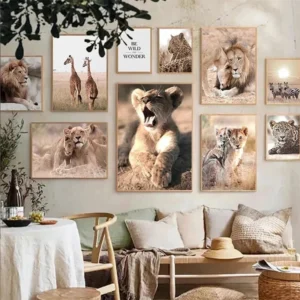 Majestic African Wildlife Canvas Art for Stylish Home Decor
Rated 5.00 out of 5
Majestic African Wildlife Canvas Art for Stylish Home Decor
Rated 5.00 out of 5 -
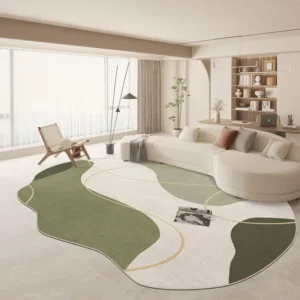 Cozy Irregular Green Plush Rug for Nordic Living Spaces
Rated 5.00 out of 5$33.00 – $203.00Price range: $33.00 through $203.00
Cozy Irregular Green Plush Rug for Nordic Living Spaces
Rated 5.00 out of 5$33.00 – $203.00Price range: $33.00 through $203.00 -
 Scandinavian Geometric Area Rugs for Stylish Home Décor
Rated 5.00 out of 5$25.00 – $365.00Price range: $25.00 through $365.00
Scandinavian Geometric Area Rugs for Stylish Home Décor
Rated 5.00 out of 5$25.00 – $365.00Price range: $25.00 through $365.00