
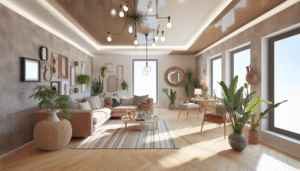

Threads of Inspiration: Runner Rugs that Complement Gallery Spaces

Stepping into a gallery space, what immediately captures your attention? Perhaps it’s the striking artwork, the elegant lighting, or the quiet reverence of the atmosphere. Yet, something often overlooked plays a pivotal role in shaping that experience: the floor beneath your feet. Specifically, we’re talking about how well-chosen runner rugs can complement gallery spaces, transforming them from mere walkways into integral parts of the artistic journey. Far from being simple floor coverings, runner rugs are powerful design elements that define pathways, highlight architectural features, and even influence the mood of a room.
Have you ever walked into a stunning exhibition, only to feel distracted by the sterile flooring or echoing acoustics? It’s a common challenge in many public and private galleries. The good news? The right runner rug can solve these issues, adding warmth, texture, and a sense of direction that guides visitors seamlessly through an exhibition. This article will unravel the art and science behind selecting the perfect runner rugs to enhance gallery spaces, exploring everything from material choices and color palettes to placement strategies and maintenance tips. By the end, you’ll understand just how impactful these textile treasures can be in creating truly memorable and engaging environments for art.
We’ll dive deep into enhancing aesthetics, improving acoustics, and even subtly directing traffic with these versatile pieces. Get ready to discover how to infuse your gallery, or even your art-filled home hallways, with an unmistakable touch of sophisticated design.
The Canvas Below: Understanding the Role of Runner Rugs in Gallery Design
Runner rugs aren’t just decorative; they’re functional art pieces that can dramatically alter the perception and experience of a gallery. Imagine a long, elegant hallway adorned with captivating artwork. Without a rug, it might feel cold, echoey, or even disorienting. Introduce a carefully selected runner, and suddenly, the space feels defined, inviting, and intimate. This section explores the fundamental reasons why runner rugs are indispensable in gallery settings.
Defining Pathways and Guiding the Eye
One of the primary functions of a runner rug in a gallery is its ability to define a clear path. In long corridors or expansive rooms where art is displayed along walls, a runner acts as a visual cue, subtly guiding visitors from one piece to the next. This flow is crucial for a curated experience, ensuring that observers don’t miss essential works or become confused about where to go next. Think of it as a gentle hand leading you through a narrative. This intentional path creation is especially useful in larger gallery spaces or private collections that sprawl across multiple rooms.
- Visual Flow: Runners create a natural sightline, pulling the eye forward.
- Spatial Organization: They break up large, open areas into more manageable zones.
- Exhibition Narrative: A well-placed runner can reinforce the storyline or thematic progression of an exhibition.
Enhancing Acoustics and Ambiance
Hard surfaces common in galleries—concrete, polished wood, or tile—are notorious for reflecting sound, leading to undesirable echoes and a noisy environment. This can detract significantly from the contemplative experience art often demands. Runner rugs, with their woven fibers, are excellent sound absorbers. They muffle footfalls, reduce ambient noise, and create a quieter, more serene atmosphere. This acoustic dampening contributes immensely to the overall ambiance, allowing visitors to immerse themselves fully in the art without auditory distractions.
Beyond sound, rugs add a tactile warmth that contrasts with the often stark walls and minimalist displays of a gallery. This softens the space, making it feel more approachable and less intimidating, which encourages longer visits and deeper engagement with the art.
Adding Texture, Color, and Visual Interest
While art pieces are the stars, the surrounding environment shouldn’t be bland. Runner rugs provide an opportunity to introduce complementary textures, colors, and patterns that enhance, rather than compete with, the art. A rug’s fibers can offer a soft counterpoint to hard sculptures or bring depth to flat paintings. Its color palette can echo hues found in the artwork, creating a cohesive visual statement, or it can provide a subtle contrast that helps the art pop. For example, a deep blue runner might make warm-toned paintings appear more vibrant, or a textured sisal rug could bring an organic feel to a modern art display.
It’s a balancing act: the rug shouldn’t steal the show, but it should contribute to a richer visual setting. The right rug becomes a subtle foundation, a ‘fifth wall’ that grounds the entire presentation.
The Art of Selection: Choosing the Perfect Runner Rug for Your Gallery
Selecting a runner rug for a gallery space is a nuanced process. It’s not just about aesthetics; durability, low maintenance, and how the rug interacts with different types of art are all critical considerations. Let’s break down the key factors that influence this important decision.
Material Matters: Durability and Aesthetics
In a high-traffic environment like a gallery, the rug material is paramount. It must withstand constant foot traffic, be relatively easy to clean, and yet still offer visual appeal. Here are some top contenders:
- Wool: A classic choice, wool is naturally durable, stain-resistant, and incredibly soft underfoot. It offers excellent insulation and acoustic properties. Wool rugs can last for decades, making them a wise long-term investment for galleries. They come in a vast array of colors and patterns, from traditional Persian designs to contemporary weaves.
- Nylon: A synthetic powerhouse, nylon is exceptionally strong, resistant to abrasion, and holds color well. It’s often used in commercial settings due to its resilience. While not as luxurious as wool, modern nylon rugs can mimic natural fibers surprisingly well.
- Sisal/Jute: These natural fibers offer a coarser, more organic texture. They are incredibly durable and bring an earthy, minimalist aesthetic that can complement contemporary or natural art forms. However, they can be less soft and may not be ideal for spaces where comfort underfoot is a priority. They are also prone to staining if not properly treated.
- Polypropylene (Olefin): A synthetic, budget-friendly option that’s highly resistant to moisture, stains, and fading. It’s a good choice for areas where spills or heavy wear are expected, though it may not have the same luxurious feel as wool.
- Blends: Often, a combination of materials (e.g., wool and nylon) can offer the best of both worlds: the softness and natural appeal of wool with the enhanced durability of synthetics.
Consider the typical visitor traffic. A busy public gallery might need a more robust material like nylon or a dense wool pile, whereas a private home gallery could lean towards more delicate wool or even silk blends for added luxury.

Color and Pattern: The Silent Dialogue with Art
This is where the rug truly begins to ‘speak’ to the art. The goal isn’t to compete, but to create harmony or thoughtful contrast.
- Neutral Tones: Grays, beiges, creams, and muted browns are safe bets. They provide a sophisticated backdrop that allows the art to shine without distraction. This is especially effective in galleries with diverse collections or frequently rotating exhibits.
- Subtle Patterns: A tone-on-tone pattern, a geometric design with muted colors, or a barely-there texture can add visual interest without being overwhelming. Think subtle stripes, tone-on-tone florals, or abstract weaves.
- Complementary Colors: If your gallery features a collection with a dominant color scheme (e.g., a room with many ocean-themed paintings), a rug with subtle complementary undertones (e.g., a very soft coral or sandy beige rug) can enhance the overall presentation.
- Bold Accents (Use with Caution): Occasionally, a gallery might want a rug with a strong, intentional pattern or color to make a statement or to anchor a very minimalist space. This works best when the art itself is either very bold (and can hold its own) or extremely understated (and needs a visual counterpoint from the rug). Always test samples in situ before committing.
- Avoiding Distraction: Generally, avoid overly busy or bright patterns that could pull the eye away from the artwork. The rug should be a supporting player, not the star.
Size and Placement: Drawing the Line
The dimensions and positioning of your runner rug are crucial for both function and aesthetics.
- Length: For hallways, the runner should typically leave 6-12 inches of flooring visible at either end. It should extend almost to doorways but not block them. For longer corridors, multiple runners can be used, spaced a few inches apart, or a custom-length rug might be necessary.
- Width: Aim for 4-6 inches of exposed flooring on either side of the runner in a hallway. This creates a balanced border and prevents the rug from looking like wall-to-wall carpeting.
- Anchoring Spaces: In larger gallery rooms, runners can define ‘zones’ around specific installations or seating areas. They can also draw a line directly to a focal point artwork.
- Doorways & Transitions: Ensure the rug doesn’t interfere with door swings or create trip hazards at transitions between different flooring types.
Always measure your space meticulously before purchasing. Consider the sightlines from different entry points and how the rug guides the viewer’s path. A rug that’s too short can make a space feel truncated, while one that’s too long can appear clumsy.
Beyond Aesthetics: Practical Considerations for Gallery Runner Rugs
While design is critical, the practical aspects of managing a rug in a public or semi-public space cannot be overlooked. Performance and maintenance are key to longevity and cleanliness.
Safety First: Non-Slip Solutions
A slipping rug is a serious hazard, especially in a gallery where visitors might be distracted by artwork. Always use a high-quality, non-slip rug pad. These pads not only prevent slips but also provide extra cushioning, absorb more sound, and extend the life of the rug by reducing friction between the rug and the floor. Look for pads made from natural rubber or felt, avoiding those with adhesives that might damage your flooring over time.
For high-traffic areas, consider double-sided rug tape in addition to a pad for extra security, particularly on corners and edges prone to curling.
Maintenance and Cleaning: Keeping it Pristine
Galleries require immaculate presentation. A dirty or stained rug is an immediate distraction. Choose materials that are relatively easy to clean and maintain.
- Regular Vacuuming: Daily or weekly vacuuming with a strong suction vacuum is essential to remove dirt and debris that can grind down fibers.
- Spot Cleaning: Address spills immediately. Blot, don’t rub, with a clean cloth and appropriate rug cleaner. Test any cleaner in an inconspicuous area first.
- Professional Cleaning: Depending on traffic, professional deep cleaning should be scheduled annually or bi-annually. This helps remove embedded dirt and revitalizes the fibers.
- Stain Resistance: Materials like wool (due to its natural lanolin) and most synthetics (like polypropylene or nylon) offer good stain resistance. Some rugs are also treated with stain-repellent finishes.
- Traffic Lane Reversal: If possible, periodically rotate the rug or reverse its ends to distribute wear evenly.
A well-maintained rug not only looks better but also extends its lifespan, protecting your investment.

Budgeting and Investment
Runner rugs range widely in price, from budget-friendly synthetics to luxurious, hand-knotted wool or silk pieces. Consider your budget alongside the expected lifespan and maintenance costs. Investing in a high-quality rug, particularly in a public gallery, often pays off in the long run due to its durability and aesthetic longevity. A cheaper rug might need replacing more frequently, costing more over time.
Cost vs. Longevity:
- Lower Cost (Polypropylene): Good for temporary exhibits or very high-spill risk areas. Shorter lifespan (3-5 years) in heavy traffic.
- Mid-Range (Nylon, Blends): Excellent balance of durability and aesthetic appeal. Lifespan typically 5-10+ years.
- Higher Cost (Wool, Silk): Premium aesthetics and comfort. With proper care, they can last decades or even generations, becoming an heirloom piece.
Factor in not just the purchase price but also delivery, installation (if professional help is needed), and ongoing cleaning expenses.
Case Studies: Runner Rugs in Action – Inspiring Gallery Spaces
Sometimes, the best way to understand the impact of runner rugs is to see them in real-world applications. Let’s look at a few hypothetical scenarios that illustrate smart rug choices in diverse gallery settings.
Case Study 1: The Modern Minimalist Gallery
Challenge: A contemporary art gallery features large, striking abstract paintings and minimalist sculptures. The space has polished concrete floors, which felt cold and created significant echo. The gallery wanted to add warmth and define viewing paths without detracting from the stark aesthetic of the art.
Solution: The designers opted for a custom-length, flat-weave wool runner rug in a subtle, variegated grey. The rug’s texture was slightly coarse, providing a grounding element. Its color was chosen to match the concrete’s tone, creating a seamless visual flow rather than a stark contrast. The flat weave ensured a low profile, minimizing visual bulk, while the wool naturally absorbed sound. The runner was placed centrally in the main corridor, guiding visitors towards a series of large-scale installations.
Result: The rug introduced a crucial element of warmth and acoustic dampening. The subtle grey maintained the minimalist feel, allowing the vibrant artwork to remain the focal point. Visitors reported a more comfortable and intimate viewing experience.
Case Study 2: The Historic Home-Turned-Gallery
Challenge: An old Victorian mansion was converted into a gallery showcasing period-specific art and furniture. The original hardwood floors were beautiful but uneven and contributed to a somewhat cavernous echo. The gallery aimed to evoke a sense of historical authenticity while protecting the floors and improving acoustics.
Solution: Rich, patterned Persian wool runner rugs were chosen for the main hallways and connecting rooms. The intricate patterns and deep, jewel-toned colors (maroons, deep blues, forest greens) complemented the period architecture and artwork. The dense pile of the wool absorbed significant sound, making the grand rooms feel more intimate. Strategically placed runners also protected the antique hardwood floors from heavy foot traffic.
Result: The rugs perfectly aligned with the historical character of the building, enhancing the immersive experience. The improved acoustics created a more contemplative atmosphere, while the rugs themselves became part of the visual storytelling, blurring the lines between functional element and art object.
Case Study 3: The Pop-Up Exhibition Space
Challenge: A temporary pop-up gallery in a rented retail space needed a cost-effective, easy-to-install, and portable solution to define its exhibition layout. The existing floor was scratched laminate, and the budget was tight.
Solution: Several identical, durable polypropylene runner rugs in a vibrant, solid color (a deep sapphire blue) were used. The bold color created a consistent visual brand for the exhibition and contrasted effectively with the underlying floor. Polypropylene was chosen for its low cost, stain resistance, and ease of transport. The runners were laid end-to-end to create a continuous path, highlighting specific installations as “stops” along the journey.
Result: The runners quickly transformed a plain space into a professional, engaging gallery. The bright color added personality, aligning with the modern, edgy art displayed. The investment was minimal, and the rugs could be easily rolled up and reused for future exhibitions.
These examples illustrate that the right runner rug choice isn’t arbitrary; it’s a strategic decision that profoundly impacts visitor experience, acoustic quality, and the overall aesthetic harmony of a gallery space. Analyzing specific needs and combining practical considerations with artistic intent leads to optimal outcomes.
Integrating Runner Rugs into Your Home Gallery or Artful Spaces
You don’t need a formal public gallery to appreciate the transformative power of runner rugs. Many art enthusiasts curate personal collections within their homes, turning hallways, studies, and even living rooms into private galleries. Here’s how to apply these concepts to your own art-filled abode.
Hallways: The Transitional Gallery
If you have a long hallway connecting rooms, it’s an ideal candidate for a runner rug and an excellent spot for displaying smaller artworks, prints, or photography. The runner will anchor the space, make it feel less like a mere passageway, and highlight the art mounted along its walls. Choose a rug that complements the overall aesthetic of your home but also subtly connects with the pieces it frames. For example, a minimalist design might benefit from a natural fiber rug, while a more traditional home could embrace a classic pattern.
- Consider the existing wall color and furniture.
- Use consistent lighting to illuminate the art and the rug.
- Ensure the rug width allows for comfortable passage while showcasing the flooring on either side.
Defining Zones within Open-Concept Spaces
Modern homes often feature open-concept living areas where the living room, dining room, and kitchen flow into one another. A runner rug can act as a crucial design element to delineate zones without using physical barriers. For instance, a runner leading from an entryway into a large living area can guide visitors towards a focal art piece or a comfortable seating arrangement. It helps to break down large spaces into more intimate, functional areas.
Imagine using two distinct runners to separate a reading nook with a sculpture from a general seating area, or a single runner to lead guests past a series of framed prints on a feature wall.
Enhancing Seating Areas and Viewing Spots
Galleries often incorporate benches or seating areas for visitors to rest and contemplate art. A small runner rug placed beneath such a seating arrangement can define this contemplative zone, making it feel more intentional and comfortable. This is particularly effective in front of large, impactful artworks where you want viewers to linger and absorb the details. It adds a layer of softness and invitation, encouraging longer engagement with specific pieces.

Creating Vignettes and Focal Points
Even in smaller spaces, a runner rug can help create a focused vignette. If a particular wall has a collection of photos or a treasured painting, a runner placed parallel to it can draw the eye towards that display. It helps frame the art, giving it more prominence and acting as a visual arrow. This technique is especially useful for guiding attention to smaller, more delicate pieces that might otherwise get lost in a larger room.
The Future of Flooring: Innovations in Runner Rug Technology
The world of textiles is constantly evolving, and runner rugs are no exception. New materials, manufacturing techniques, and sustainability efforts are shaping the future of these versatile floor coverings, making them even more suitable for demanding gallery and home environments.
Eco-Friendly and Sustainable Options
As environmental consciousness grows, so does the demand for sustainable products. The rug industry is responding with a variety of eco-friendly options:
- Recycled Materials: Rugs made from recycled plastic bottles (PET), fishing nets, or even discarded textiles are becoming more common. These rugs often offer surprising softness and durability.
- Natural & Renewable Fibers: Beyond wool, materials like organic cotton, hemp, bamboo, and certified sustainable sisal/jute are gaining traction. These options are biodegradable and often produced with less environmental impact.
- Low-VOC Manufacturing: Manufacturers are increasingly using dyes and processes that reduce volatile organic compounds (VOCs), contributing to better indoor air quality – a significant plus for any indoor space.
Choosing sustainable runner rugs isn’t just good for the planet; it can also align with the ethical values of a gallery or artist, adding another layer to the space’s narrative.
Smart Rugs and Integrated Technology
While still emerging, the concept of ‘smart’ rugs is on the horizon. Imagine rugs with integrated sensors that can:
- Monitor Foot Traffic: Provide data on popular viewing paths, allowing galleries to optimize display layouts.
- Detect Spills: Alert staff to immediate cleaning needs.
- Incorporate Lighting: Subtle, embedded LED strips could highlight paths or even create dynamic visual effects that interact with digital art installations.
These innovations could transform runner rugs from static decor into active participants in the gallery experience, offering valuable data and enhanced interactivity. While not yet mainstream, the potential is exciting for future gallery design.
Advanced Durability and Stain Protection
Material science continues to improve rug performance. New treatments and fiber technologies are creating rugs that are even more resistant to stains, fading, and wear. Fabrics with inherent stain resistance built into the fiber structure (rather than just topical treatments) are becoming more common, offering long-lasting protection. This means even high-traffic gallery spaces can maintain a pristine appearance with less effort.
These advancements ensure that runner rugs will continue to be a vital and evolving component in the design and functionality of gallery spaces, adapting to new challenges and embracing future possibilities.
Frequently Asked Questions About Runner Rugs for Gallery Spaces
What is the ideal length for a runner rug in a gallery hallway?
The ideal length for a runner rug in a gallery hallway typically leaves 6-12 inches of visible flooring at both ends. This framing effect highlights the rug and the floor, creating a balanced aesthetic. For very long hallways, you can use multiple runners spaced a few inches apart, or consider a custom-length rug to achieve a continuous look without awkward gaps. The goal is to define the path gracefully without blocking doorways or appearing too short for the space.
How do runner rugs help with acoustics in a gallery?
Runner rugs significantly improve acoustics in galleries by absorbing sound. Hard surfaces like concrete, wood, or tile reflect sound waves, creating echoes and increasing overall noise levels. The fibers of a rug, especially denser materials like wool, trap these sound waves, dampening echoes from footsteps and conversations. This creates a quieter, more serene environment, allowing visitors to focus on the art without auditory distractions, fostering a more immersive and contemplative experience.
What materials are best for high-traffic gallery runner rugs?
For high-traffic gallery runner rugs, durable materials are essential. Wool is an excellent choice due to its natural resilience, stain resistance, and long lifespan. Nylon is another top contender, known for its exceptional strength, abrasion resistance, and ability to hold color. Blends of wool and synthetic fibers often offer a good balance of aesthetics and enhanced durability. While sisal and jute are very tough, they can be rough underfoot and prone to staining if not treated, making them better suited for specific aesthetic choices rather than primary high-traffic areas.
Can I use a patterned runner rug in a gallery with diverse artwork?
Yes, you can use a patterned runner rug in a gallery with diverse artwork, but with caution. It’s generally best to opt for subtle, complementary patterns rather than very bold or busy designs. Tone-on-tone patterns, subtle geometric motifs, or textured weaves are ideal as they add visual interest without competing with the art. The rug should act as a sophisticated backdrop and a guiding element, not a distraction. Test samples in your space to see how the pattern interacts with different pieces of art under varying lighting conditions before making a final decision.
Are runner rugs necessary if the gallery already has quiet flooring?
Even if a gallery has quiet flooring (e.g., carpeting or cork), runner rugs can still provide significant benefits. They are not just for acoustics; they are powerful design tools. Runner rugs can define specific pathways, guide visitors’ eyes towards key installations, add warmth and texture, introduce complementary colors, and protect the existing flooring in high-traffic zones. They also contribute to the overall aesthetic and emotional atmosphere, making the space feel more curated and inviting, even without a primary acoustic need.
How often should a gallery runner rug be professionally cleaned?
The frequency of professional cleaning for a gallery runner rug depends heavily on the level of foot traffic. For average public galleries, professional cleaning is recommended annually. For very high-traffic areas or spaces prone to more spills, bi-annual professional cleaning might be necessary. In less frequently visited private galleries or home settings, every 18-24 months could suffice. Regular vacuuming and immediate spot treatment between professional cleanings are essential to maintain the rug’s appearance and extend its life.
Conclusion: Weaving Art and Functionality with Runner Rugs
As we’ve explored, runner rugs that complement gallery spaces are far more than just floor coverings. They are strategic design elements that contribute profoundly to the experience of art. From defining clear pathways and enhancing acoustics to introducing warmth, texture, and sophisticated color, these textile threads weave together functionality and aesthetic appeal, elevating the entire environment. The careful selection of material, color, pattern, and size ensures that the rug acts as a silent partner to the artwork, guiding the eye and enriching the contemplation.
Whether you’re curating a sprawling public exhibition or an intimate personal collection within your home, the principles remain the same: consider durability, ease of maintenance, and how the rug integrates with the existing art and architecture. A well-chosen runner can transform a sterile corridor into an inviting journey, a noisy hall into a tranquil passage, and a simple space into a cohesive, artistic statement. By understanding these dynamics, you’re not just decorating; you’re designing an experience, ensuring every step a visitor takes is part of the larger, beautiful narrative you’ve created.
Ready to incorporate the perfect runner rug into your own gallery space or art-filled home? Start by observing your existing layout and the flow of traffic. Then, explore samples of materials and colors that resonate with your collection’s aesthetic. The right rug is waiting to become the foundation of your next inspiring display.
Continue Your Design Journey:
Explore more articles on interior design and art display strategies:
- Mastering Gallery Lighting: Illuminating Your Art Collection
- Maximizing Impact: Selecting Art for Small Spaces
- The Art of Home Curation: Building Your Personal Collection
Content Disclaimer
The information provided in this article is for general informational and educational purposes only, and does not constitute professional design advice. While we strive for accuracy, the results and suitability of design choices, materials, and maintenance practices may vary depending on individual circumstances, specific space requirements, types of artwork, and traffic levels. Always consult with qualified interior designers, rug specialists, or conservation experts for personalized recommendations, especially concerning valuable artworks or high-traffic commercial spaces. Material performance and cleaning methods should be tested in an inconspicuous area prior to full application. We are not responsible for any actions taken based on the information presented herein.