
Touch the Design: Embracing Fabric Texture for Elevated Living

Ever walk into a room and just *feel* it? Not just see the pretty colors or the stylish furniture, but actually feel a sense of comfort, warmth, or even playful whimsy? Often, what you’re picking up on, often without even realizing it, is the power of fabric.
We’re not just talking about what something looks like. Nope. We’re talking about how it feels, how it drapes, how it catches the light—all those subtle cues that make a space truly sing. Fabric texture, you see, is the unsung hero of interior design. It’s what gives a room its soul, its character, and that undeniable “ahh” factor. It’s about creating a sensory experience, a tactile journey for anyone who enters. Ready to dive into the wonderful world of textiles and truly elevate your home? Let’s get started.
The Unseen Power of Touch: Why Texture Matters More Than You Think
***
You know, our lives are inundated with visual stimuli these days. Screens, screens, and more screens! It’s easy to forget that we have other senses, really powerful ones, that crave engagement. Touch, my friends, is one of the most fundamental. Think about it: when you pick up a smooth, cool stone, or bury your hands in a plush, shaggy rug – there’s an immediate, almost primal response, isn’t there? That’s because our brains are wired to interpret and react to tactile information. It’s not just about what looks good; it’s about what *feels* good.
In the realm of home decor, this translates directly to fabric texture. It’s not just an aesthetic choice; it’s a psychological one. A room filled with hard, shiny surfaces can feel cold and uninviting, no matter how chic its design. Conversely, a space layered with soft, inviting textiles—a chunky knit throw, a velvety cushion, a linen curtain that catches the breeze—instantly feels more welcoming, more lived-in, more *you*. This isn’t rocket science; it’s just human nature. We crave comfort, security, and a sense of belonging, and texture plays a massive role in delivering that feeling.
Consider the difference between a sleek, modern sofa upholstered in a smooth, tightly woven fabric versus one covered in a loose, nubby boucle. Both can be stylish, absolutely, but they convey completely different messages. The former often speaks to sophistication and minimalism, while the latter practically screams “curl up with a good book and a cup of tea!” It’s about building an atmosphere, a vibe, and fabric texture is a secret weapon in that arsenal. It adds depth, dimension, and a nuanced richness that flat colors alone just can’t achieve. So, next time you’re picking out a new cushion, don’t just look at the color—close your eyes for a second and *imagine* running your hand over it. You’ll be surprised how much that simple act can tell you.
A Tactile Tour: Decoding the Language of Different Fabrics
***
Alright, so we’ve established that texture is a big deal. Now, let’s get a little more specific, shall we? Because not all fabrics are created equal, and each one brings its own unique personality to the party. Understanding this “language” of textiles is key to really mastering your home’s feel. Think of it like a chef understanding the different notes each spice brings to a dish—it’s all about balance and harmony. Let’s take a little tour, shall we?
Velvet: The Luxe Lounger
Ah, velvet. Just saying the word conjures images of luxury, doesn’t it? It’s soft, it’s plush, and it catches the light in this utterly captivating way. Velvet literally begs to be touched. Its short, dense pile gives it that characteristic sheen and incredibly soft hand. Using velvet, whether on a sofa, an armchair, or even just some accent pillows, instantly elevates a space, adding a touch of old-world glamour and comfort. It’s perfect for creating a cozy, opulent retreat, making you feel like royalty. Plus, in certain light, velvet develops this beautiful crushed look, adding even more dimension.
Linen: The Effortless Elegance
If velvet is the grand dame, linen is the effortlessly chic best friend. Known for its cool, breathable feel and slightly rumpled, natural look, linen brings an informal elegance to any room. It’s derived from the flax plant, which gives it that distinctive slubby texture—those little irregularities that make it so charming and unique. Linen drapes beautifully, making it ideal for curtains that dance with the breeze or slipcovers that feel wonderfully relaxed. It whispers comfort without sacrificing style, perfect for a breezy coastal vibe or a modern farmhouse aesthetic. Honestly, there’s just something about linen that feels so authentic and unfussy.
Cotton: The Versatile Chameleon
Cotton truly is the workhorse of the fabric world. It’s versatile, durable, and comes in an astonishing array of weaves and finishes, each offering a different tactile experience. Think about it: a crisp cotton percale sheet feels light and cool against your skin, while a chunky cotton throw feels cozy and substantial. Then there’s cotton velvet (a slightly less formal version of its silkier cousin), breathable cotton duck, or the soft embrace of brushed cotton flannel. It’s super adaptable, making it suitable for everything from everyday upholstery to elegant drapery, always providing a comfortable, familiar touch. You can find a cotton fabric for almost any need, which is why it’s so beloved.
Wool: The Warm Embrace
When the chill sets in, there’s nothing quite like wool. This natural fiber offers incredible warmth, resilience, and a comforting, sometimes slightly fuzzy, texture. From the robust, rustic feel of tweed to the soft, luxurious embrace of merino or cashmere, wool adds a rich, inviting layer to any interior. It’s wonderful for throws, rugs, and even upholstered pieces in a colder climate, bringing with it a sense of grounded coziness and natural beauty. It’s got that authentic, slightly rugged feel that just makes you want to snuggle up.
Silk: The Shimmering Whisper
Silk is pure luxury. Its incredibly smooth, soft hand and natural sheen make it unparalleled for adding a touch of refined elegance. Silk drapes with exquisite grace, catches the light beautifully, and feels incredibly sensual against the skin. While perhaps not ideal for high-traffic upholstery due to its delicate nature, silk shines in accent pieces like decorative pillows, elegant drapery, or luxurious bedding. It adds a whisper of glamour and sophistication, creating a truly opulent atmosphere. It’s definitely a splurge, but oh, does it make a statement!
Synthetics (Polyester, Nylon, Acrylic): The Durable Innovators
Now, let’s talk about the unsung heroes of durability and practicality: synthetics. While they might sometimes get a bad rap, modern synthetic fabrics are truly remarkable. Polyester, for example, is incredibly durable, resistant to fading and stains, and can be engineered to mimic the look and feel of natural fibers with astonishing accuracy. Think about performance fabrics designed for busy families or outdoor spaces—they often leverage synthetics for their low maintenance and robust nature. Nylon offers fantastic elasticity and strength, while acrylic can mimic wool beautifully, often with better resistance to moths and moisture. They’re a godsend for high-traffic areas, pet owners, or anyone who values easy upkeep without sacrificing style. And let’s be real, sometimes you just need something that can stand up to life’s little messes, right?
The trick, of course, isn’t just knowing these fabrics individually, but understanding how they play off each other. Combining a plush velvet with a crisp linen, or a rugged wool with a smooth silk—that’s where the magic truly happens. It’s all about creating contrast and balance to build a rich, complex sensory landscape in your home.
The Art of Layering: Weaving a Tapestry of Tactile Delights
***
Okay, so you know your velvets from your linens now. Great! But merely knowing the individual textures isn’t enough. The real sorcery, the true “chef’s kiss” of fabric design, comes in the layering. Think of your room as a blank canvas, and each fabric textile as a brushstroke. You wouldn’t use just one color, would you? You’d blend, contrast, and build depth. The same goes for texture, only here, we’re building a tactile tapestry.
Layering textures adds visual interest, yes, but more importantly, it creates a palpable sense of comfort and richness. It keeps the eye moving and the hand wanting to reach out. Without it, a room can feel one-dimensional, even if it has beautiful furniture. It just lacks that certain *je ne sais quoi*.
Here’s the thing: it’s all about contrast. If everything in your room is sleek and smooth, it might look minimalist, but it can also feel cold and sterile. Introduce a shaggy rug, a chunky knit throw draped over a smooth leather sofa, or some linen curtains against a painted wall. Immediately, the room breathes. It feels more inviting, more nuanced.
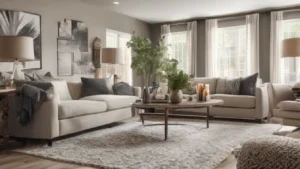
Consider a living room setup: you might have a sofa upholstered in a relatively smooth, durable fabric. That’s your base. Then, you toss on some throw pillows—maybe one in a soft velvet, another in a richly textured boucle, and a third with some embroidery that adds another tactile dimension. Next, a throw blanket: perhaps a luxurious faux fur or a cable-knit wool draped artfully over the arm. On the floor, a rug with a deep pile or a natural fiber weave like jute. Even your window treatments contribute—sheer linen for lightness, or heavy velvet drapes for drama and sound absorption.
You’re building a conversation between these elements. The nubby texture of a slubby linen pillow highlights the smoothness of a polished wooden side table. The cool, crisp feel of percale sheets in the bedroom is made even more inviting by a thick, tufted duvet cover and a soft, knitted throw at the foot of the bed. It’s like a symphony where each instrument plays its part, perfectly complementing the others to create a richer, more harmonious whole. Don’t be afraid to mix things up! That’s where the fun is, and where your personal style really shines through.
Beyond the Obvious: Unexpected Places for Tactile Delights
***
When we talk about fabric texture, our minds usually jump straight to sofas, curtains, and cushions. And yes, those are prime real estate for tactile exploration. But honestly, that’s just scratching the surface! The real magic happens when you start thinking outside the box, finding unexpected spots to introduce compelling textures that elevate your space in subtle, yet powerful, ways.
Let’s brainstorm a little, shall we? Have you ever thought about the humble lampshade? A simple, plain paper shade is fine, but imagine one wrapped in a coarse linen, or perhaps a delicate silk, or even embossed with a subtle pattern that you can feel as much as see. It transforms a functional object into a piece of art that adds depth to your lighting. Similarly, consider wall hangings. We often think of framed art, but a beautiful woven tapestry, a macrame piece, or even a stretched fabric panel can add incredible warmth, sound dampening, and, of course, texture to an otherwise flat wall. It’s a fantastic alternative to traditional art, offering a softer, more organic feel.
And what about furniture itself? Beyond the upholstery, consider smaller pieces. A stool or ottoman upholstered in a shaggy sheepskin or a chunky knit can provide a delightful, unexpected textural pop. Even the underside of a coffee table can host a surprise—perhaps a small, textured fabric lining in a pull-out drawer, something only you might notice but that adds to the overall experience of quality.
Table linens are another often-overlooked opportunity. Forget the boring, flat placemats! Think about a beautifully textured natural jute placemat, a loosely woven cotton runner, or linen napkins with a delicate embroidered edge. Each piece contributes to the dining experience, making it more inviting and luxurious, even for an everyday meal. These small touches really do make a difference. It’s these thoughtful, often overlooked details that truly separate a good design from a great one. It shows care, intention, and a deeper understanding of how every element contributes to the overall sensory experience of a room.
The Mood Makers: How Texture Shapes Emotion in Your Space
***
You know how certain songs just put you in a specific mood? Or how a particular scent can instantly bring back a memory? Fabric texture works in much the same way, quietly, subtly, shaping the emotional landscape of your home. It’s not just about aesthetics; it’s about feeling. And honestly, isn’t that the ultimate goal of home design—to create spaces that *feel* right?
Think about it: have you ever walked into a room and felt instantly relaxed, like you could just sink into everything? Chances are, that room was filled with soft, inviting textures. Plush rugs, deep, velvety sofas, cozy throws—these elements communicate comfort and security. They create a den-like feeling, a refuge from the outside world. This is why you often see these textures in bedrooms and cozy living nooks. They promote a sense of calm and well-being. It’s hard to stay stressed when you’re wrapped in a cloud of softness, right?
On the flip side, consider a sleek, minimalist space with smooth, reflective surfaces—polished concrete, glass, metal. While undeniably chic and modern, without counterbalancing textures, such a space can feel stark, even cold. The crispness of linen or the cool feel of silk, when used strategically, can evoke a feeling of sophisticated calm or elegant restraint. They communicate order, precision, and an uncluttered mind.
Then there’s the playful side of texture. Shaggy, high-pile rugs, fuzzy accent pillows, or even bold, tactile patterns can infuse a space with energy and whimsy. They invite interaction, making a room feel more approachable and fun. This is perfect for children’s rooms, creative studios, or any space where you want to foster joy and spontaneity. It’s about creating moments of delight through touch.
Rougher, more natural textures like raw wood, jute, or thick woven wools often evoke a sense of groundedness, authenticity, and connection to nature. They bring an organic, earthy feel, promoting a sense of peace and stability. Think about how a cozy cabin feels with its exposed beams and woven rugs—it’s comforting and inherently reassuring. These textures remind us of simpler times, of craftsmanship and natural beauty. So, when you’re planning your next room refresh, don’t just pick colors; think about the *mood* you want to create, and then let texture be your guide. It’s a powerful, often underestimated, tool in your design arsenal.
Practical Magic: Maintenance and Durability of Textured Fabrics
***
Okay, let’s be real for a moment. All this talk about sensory experiences and emotional landscapes is wonderful, but we live in the real world, right? A world with spilled coffee, muddy paw prints, and the inevitable wear and tear of daily life. So, while aesthetics and feel are paramount, practicality simply cannot be ignored. When it comes to fabric texture, durability and maintenance are just as important as how something looks or feels. You want your beautiful textiles to last, not become a one-season wonder.
Here’s the thing: different textures, and different fibers, have different needs. A delicate silk, for instance, isn’t going to hold up to the same kind of abuse as a robust, tightly woven synthetic. Knowing this upfront will save you a lot of headaches (and dry cleaning bills) down the line. For high-traffic areas like a family room sofa or kitchen chairs, you’ll want to lean towards durable, easier-to-clean fabrics. Think about performance synthetics, tightly woven cottons, or even some wool blends that are naturally stain-resistant and resilient. These fabrics are engineered to withstand spills, resist pilling, and maintain their appearance even with constant use. They’re like the superheroes of the fabric world, quietly getting the job done.
On the other hand, for accent pieces that don’t see as much action—a decorative pillow on a guest bed, a formal dining room curtain—you have more leeway to indulge in those luxurious, delicate textures like silk or velvet. They might require more careful handling or professional cleaning, but since they’re not facing daily wear, it’s a perfectly reasonable trade-off for their sheer beauty and tactile delight.
And then there’s the question of cleaning! Always, always check the care labels. Some fabrics are dry-clean only, others can be spot-cleaned, and some are gloriously machine washable. If you have pets or kids, or if you’re just prone to the occasional accident (who isn’t?), opting for fabrics with removable, washable covers or those treated with stain-resistant finishes can be a game-changer. Brands like Sunbrella or Crypton have really revolutionized the market with fabrics that are incredibly beautiful yet surprisingly resilient and easy to clean. It’s truly magic! So, yes, dream big with your textures, but keep one eye on the practicalities. A little foresight goes a long way in ensuring your home remains both beautiful *and* livable.
Weaving Your Personal Story: Texture as an Expression of Self
***
Ultimately, your home is a reflection of you, isn’t it? It’s where you unwind, entertain, create, and simply *be*. And just like your clothes or your favorite music, the textures you choose for your space are a powerful, non-verbal way of telling your story, expressing your personality, and even subtly conveying your values. It’s not just about following trends; it’s about authentic self-expression.
Think about it: if you’re someone who thrives on calm and order, preferring clean lines and a serene atmosphere, then crisp linens, smooth cottons, and perhaps a touch of refined silk might dominate your textile choices. These textures speak to a desire for tranquility and understated elegance. They’re like a quiet sigh of contentment.
Conversely, if you’re a maximalist at heart, someone who loves vibrant colors, travel, and a sense of playful abundance, then you might gravitate towards a rich tapestry of textures: perhaps a luxurious velvet sofa paired with global-inspired woven throws, shaggy rugs, and embroidered silk pillows. Your space would be a feast for the senses, telling tales of adventure and bold choices.
Or maybe you’re deeply connected to nature, finding solace in organic materials and earthy tones. Then your home might feature abundant wools, chunky knits, natural jute, and slubby linens, all evoking a grounded, earthy, and truly authentic vibe. It’s like bringing the outdoors in, creating a sanctuary that feels inherently connected to the natural world.
It goes even deeper than that, though. The textures we choose can subtly communicate our values. Opting for natural, sustainable fibers like organic cotton, hemp, or recycled materials speaks to an environmental consciousness. Investing in handcrafted woven pieces from artisans might highlight an appreciation for craftsmanship and unique, soulful objects. This isn’t just decorating; it’s curating a reflection of your inner world.
So, as you walk through your home, or plan your next design project, take a moment. What story do you want your textures to tell? What feeling do you want them to evoke in you, and in your guests? Let your instincts guide you. Run your hands over fabrics, feel their weight, their drape, their unique character. Because when you truly connect with the textures around you, you’re not just designing a room; you’re weaving a narrative that’s uniquely, wonderfully you. And honestly, isn’t that the most elevated living of all?
FAQ: Your Textured Queries Answered
***
For high-traffic areas, go for durability! Tightly woven synthetics like polyester blends, microfibers, or performance fabrics (e.g., Sunbrella, Crypton) are fantastic as they resist stains, fading, and wear. Durable natural options include tightly woven cotton canvas or some robust wool blends. Always check the fabric’s double rub count for an indicator of wear resistance.
Absolutely, please do! Mixing textures is one of the most effective ways to add depth, interest, and warmth to a room. The key is to create contrast – pair something soft (like velvet) with something rough (like linen or jute), or something smooth (like silk) with something nubby (like boucle or a chunky knit). It’s all about creating visual and tactile harmony.
Always, always check the manufacturer’s care label first! General rules vary: some fabrics are spot-clean only (like many velvets or silks), others (like some cottons or synthetics) might be machine washable, and others require professional dry cleaning. For spills, act quickly and blot, don’t rub. If in doubt, consult a professional fabric cleaner.
Yes, significantly! Softer, thicker, and more porous textures (like heavy drapes, upholstered furniture, thick rugs, and woven wall hangings) absorb sound, reducing echo and making a room feel quieter and cozier. Hard, smooth surfaces (like glass, polished floors, or bare walls) reflect sound, which can make a room feel live and noisy. Strategic use of textured fabrics can vastly improve a room’s acoustics.
Start small and impactful! Throws and pillows are your best friends here. Drape a chunky knit throw over your sofa, add some velvet or linen cushions. Introduce a new rug with an interesting pile or weave. Even something as simple as changing your placemats or adding a textured lampshade can make a surprising difference. Small additions can have a big impact on the overall feel of a space.
Not necessarily “better,” just different! Natural fabrics like cotton, linen, silk, and wool offer unique breathability, absorbency, and a beautiful natural hand. However, modern synthetics (polyester, nylon, acrylic) often excel in durability, stain resistance, fade resistance, and affordability, and can be engineered to mimic natural fibers quite well. The “best” choice depends entirely on your needs, lifestyle, and aesthetic preferences. It’s all about finding the right tool for the job!
Everywhere! Look at nature (tree bark, rocks, leaves), fashion (sweaters, scarves, coats), and even architecture. Pinterest and Instagram are obvious go-tos, but also visit local fabric stores, furniture showrooms, and even craft fairs. Don’t be afraid to touch everything! Online sources like Houzz or Architectural Digest can also provide a wealth of visual inspiration and detailed insights into different textile applications. The key is to engage your sense of touch and really let it guide you.
—
Disclaimer
Please note that the information provided in this article is for general informational purposes only and does not constitute professional advice. While we strive for accuracy, individual results and experiences may vary. Always consult with a qualified interior designer, textile expert, or cleaning professional for specific recommendations tailored to your situation. The mention of specific brands or products is for illustrative purposes only and does not imply endorsement.
—
Categories
- Accent Walls & Ceilings (84)
- Art Curation & Gallery (83)
- Bedding Style Trends (89)
- Bedroom Makeover (96)
- Bohemian & Eclectic Styles (80)
- DIY & Budget-Friendly Decor (78)
- Eco-Friendly Design (83)
- Furniture Care (87)
- Home Decor & Design Ideas (181)
- Home Wellness Spaces (103)
- Integrated Outdoor Living (91)
- Japandi Style (84)
- Kids and Nursery Decor (73)
- Living Room Decor (99)
- Mix & Match Techniques (95)
- Modern & Contemporary Design (88)
- Rug Sizing & Placement (89)
- Scandinavian Design Inspiration (51)
- Seasonal Home Decor (100)
- Small Space Solutions (93)
- Wall Art & Painting Tips (94)
Recent Comments
Archives
Product Gallery
-
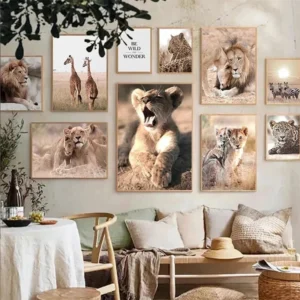 Majestic African Wildlife Canvas Art for Stylish Home Decor
Rated 5.00 out of 5
Majestic African Wildlife Canvas Art for Stylish Home Decor
Rated 5.00 out of 5 -
 Cozy Irregular Green Plush Rug for Nordic Living Spaces
Rated 5.00 out of 5$45.40 – $286.30Price range: $45.40 through $286.30
Cozy Irregular Green Plush Rug for Nordic Living Spaces
Rated 5.00 out of 5$45.40 – $286.30Price range: $45.40 through $286.30 -
 Scandinavian Geometric Area Rugs for Stylish Home Décor
Rated 5.00 out of 5$34.03 – $515.43Price range: $34.03 through $515.43
Scandinavian Geometric Area Rugs for Stylish Home Décor
Rated 5.00 out of 5$34.03 – $515.43Price range: $34.03 through $515.43