
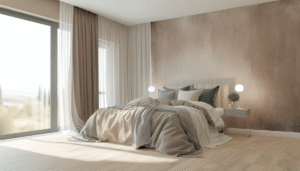
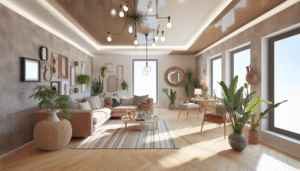

Transform Your Home Office: Ultimate Guide to Minimalist Workspace Design for Stylish & Productive Living

In today’s fast-paced world, the home office has become more than just a functional corner—it’s a sanctuary where creativity and productivity must harmonize. However, balancing aesthetics with efficiency remains a common design challenge. How can one cultivate a workspace that breathes calm, uncluttered elegance while inspiring focus throughout the day? The answer lies in embracing minimalist workspace design, a philosophy that marries simplicity with purpose.
This comprehensive guide to minimalist workspace design will empower you to transform your home office into a stylish and productive haven. Whether you’re working from a dedicated room or a cozy nook, the principles within will help you strip away distractions, highlight essential elements, and invite a sense of calm that fuels your best work.
Throughout this article, we will explore the core design philosophy underpinning minimalist workspaces, inspired by timeless styles such as Japandi and Scandinavian minimalism. You’ll gain practical, room-specific tips to optimize every square foot—from lighting and layout to material and color psychology. We’ll also delve into stylish accessorizing, sustainable and budget-friendly options, and wrap up with a thoughtfully curated FAQ to answer your burning questions.
Design Philosophy & Inspiration
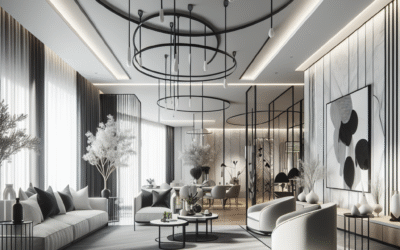
Minimalist workspace design transcends mere aesthetics; it is a lifestyle choice that champions clarity, focus, and intentionality. Rooted in the elegant restraint of Scandinavian and the serene balance of Japanese design traditions, minimalism invites you to cultivate an environment where every element serves a purpose.
The heart of this philosophy lies in decluttering—only what sparks joy and function remains. Spaces exude calm with muted palettes, clean lines, and natural textures that nurture mental clarity. The renowned Danish concept of hygge blends seamlessly with the Japanese principle of wabi-sabi, embracing imperfection and the beauty of simplicity. Esteemed designers such as Marie Kondo have popularized decluttering as a path to greater wellbeing, which aligns perfectly with minimalist workspace ideals.
Minimalism’s emotional appeal is profound—it reduces visual noise, encourages mindfulness, and offers a sanctuary from the digital buzz. Your workspace becomes a canvas of calm sophistication, inspiring productivity while enhancing your home’s overall aesthetic.
Room-by-Room Application
Living Room Workspace
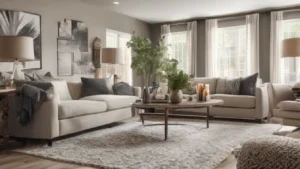
For those integrating a workspace into a shared living area, subtle minimalism ensures your office corner complements—not overwhelms—the interior.
- Layout: Position your desk near natural light sources to capitalize on daylight and reduce strain.
- Furniture: Opt for slim-profile desks and chairs with simple, ergonomic designs.
- Color: Use soft neutrals like pale greys and warm beiges to harmonize with living area tones.
- Lighting: Combine adjustable task lighting with ambient fixtures to balance focus and atmosphere.
- Storage: Utilize floating shelves or sleek, closed cabinets to maintain clutter-free surfaces.
Bedroom Workspace
Crafting a minimalist workspace in a bedroom demands thoughtful separation between rest and work zones.
- Layout: Position your desk away from the bed to psychologically differentiate work from relaxation areas.
- Color: Choose calming hues like muted blues or soft greens to promote serenity.
- Lighting: Incorporate warm, dimmable lighting to transition smoothly from work to wind-down mode.
- Accessories: Limit decorative pieces; select calming artwork or plants to uplift without distraction.
- Storage: Keep essentials organized in drawers or minimalist baskets to avoid visual clutter.
Kitchen Nook Workspace
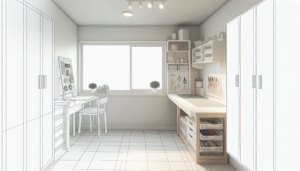
For homes without a dedicated office, a kitchen nook can double as a functional minimal workspace.
- Layout: Choose a compact desk or extendable table to fit tight spaces.
- Color: Embrace crisp whites or soft pastels to reflect light and foster openness.
- Lighting: Blend ceiling lights with under-cabinet strips to brighten work areas effectively.
- Materials: Prefer surfaces that are easy to clean and maintain, such as laminated wood or quartz.
- Storage: Use wall-mounted organizers or pegboards to keep stationery orderly without crowding counters.
Outdoor Workspace
When weather allows, an outdoor workspace offers an inspiring alternative that connects you with nature while sustaining minimalism.
- Layout: Choose covered patios or screened porches that protect equipment yet offer fresh air.
- Furniture: Select weather-resistant, sleek furniture in natural materials like teak or powder-coated metal.
- Color: Earthy tones blend seamless with outdoor surroundings, enhancing tranquility.
- Lighting: Use soft solar or LED lanterns to extend usability into evening hours.
- Plants: Incorporate potted greens to create a lush, calming atmosphere.
Material & Color Psychology
The materials and colors you choose profoundly influence your workspace’s mood and your mental state. Surfaces with natural textures—think smooth oak, raw linen, or matte ceramics—introduce tactile warmth without visual overload. These elements stimulate a sense of grounding and connection often missing in tech-heavy setups.
Color choices shape emotions and productivity in subtle yet powerful ways. Soft neutrals such as off-white, taupe, and pale gray open spaces and reflect light, contributing to feelings of spaciousness and calm. Complementary accent colors like muted blues or sage greens foster concentration and soothe the eyes.
Texture balances minimalism’s inclination toward flatness: a woven rug, a knit blanket, or a ceramic pot adds dimension while maintaining simplicity. Light is equally vital—maximize daylight while layering with warm LED fixtures to avoid harsh contrasts and shadows.
Styling & Accessorizing Tips
Minimalism thrives not by absence but by deliberate choices. Thoughtful accents elevate your workspace without tipping the balance into clutter. Here are some essentials to polish your workspace:
- Greenery: A small succulent or eucalyptus sprig revives the space with organic vitality.
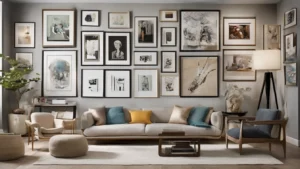
- Art: Select a single piece of abstract or serene artwork to inspire without distracting.
- Desk Objects: Use stylish, functional items such as a brass desk lamp or leather notebook.
- Textiles: Incorporate a soft cushion or throw in neutral tones to add warmth and comfort.
- Personal Touches: Keep one or two cherished mementos visible for emotional grounding.
These curated pieces provide personality without overwhelming the minimalist aesthetic.
Sustainable & Budget-Friendly Options
A minimalist home office can be both eco-conscious and wallet-friendly. Choosing sustainable materials like bamboo desks, recycled metal shelving, or organic cotton textiles reduces environmental impact and often adds natural beauty.
Upcycling vintage furniture or shopping secondhand provides unique, quality pieces with character that align perfectly with minimalism’s organic ethos. Opt for versatile, neutral tones to extend longevity and blending possibilities.
For budget-conscious design, focus on decluttering first—a clean slate is the foundation of minimalism. Invest in a few key quality pieces that combine function and form. Use DIY solutions like painted drawers, repurposed crates, or minimalist organizers to balance savings with style.
Frequently Asked Questions
What color palette makes a room look bigger?
Soft neutrals and light hues like off-white, beige, and pale gray reflect light and create the illusion of space.
How can I make my home look more luxurious on a budget?
Use layered lighting, textured textiles, and strategic statement pieces to elevate your space affordably.
Which materials create a warm, cozy atmosphere?
Natural woods, soft linen, wool, and warm-toned accents bring depth and comfort to any room.
How do I choose the right lighting for a room?
Combine ambient, task, and accent lighting to balance functionality and atmosphere.
What are timeless interior design styles?
Scandinavian, mid-century modern, minimalism, and Japandi are versatile, elegant, and enduring.
Content Disclaimer
This content is for informational purposes only. Interior design choices depend on personal preference, budget, and space limitations. Always consult qualified professionals for structural or renovation advice.
Categories
- Accent Walls & Ceilings (84)
- Art Curation & Gallery (83)
- Bedding Style Trends (89)
- Bedroom Makeover (96)
- Bohemian & Eclectic Styles (80)
- DIY & Budget-Friendly Decor (78)
- Eco-Friendly Design (83)
- Furniture Care (87)
- Home Decor & Design Ideas (181)
- Home Wellness Spaces (103)
- Integrated Outdoor Living (91)
- Japandi Style (84)
- Kids and Nursery Decor (73)
- Living Room Decor (99)
- Mix & Match Techniques (95)
- Modern & Contemporary Design (88)
- Rug Sizing & Placement (89)
- Scandinavian Design Inspiration (51)
- Seasonal Home Decor (100)
- Small Space Solutions (93)
- Wall Art & Painting Tips (94)
Recent Comments
Archives
Product Gallery
-
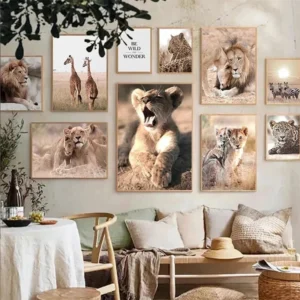 Majestic African Wildlife Canvas Art for Stylish Home Decor
Rated 5.00 out of 5
Majestic African Wildlife Canvas Art for Stylish Home Decor
Rated 5.00 out of 5 -
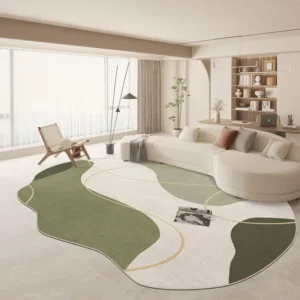 Cozy Irregular Green Plush Rug for Nordic Living Spaces
Rated 5.00 out of 5$32.00 – $196.00Price range: $32.00 through $196.00
Cozy Irregular Green Plush Rug for Nordic Living Spaces
Rated 5.00 out of 5$32.00 – $196.00Price range: $32.00 through $196.00 -
 Scandinavian Geometric Area Rugs for Stylish Home Décor
Rated 5.00 out of 5$24.00 – $353.00Price range: $24.00 through $353.00
Scandinavian Geometric Area Rugs for Stylish Home Décor
Rated 5.00 out of 5$24.00 – $353.00Price range: $24.00 through $353.00