

Ever walked into a room and your eyes just knew where to land? And not in an awkward, “there’s-a-spider-on-the-ceiling” kind of way, but in a “wow, this space feels complete” sort of way? Chances are, that room had a well-defined focal point – and often, wall art plays a starring role. But getting it right? That’s where things can get a little tricky. Let’s face it; a blank wall is just a blank canvas begging for a touch of personality. But slapping any old piece of art up there isn’t always the answer. So, are you making the most of your wall art? Or is it just… there?
Why a Focal Point Matters, Anyway?
Okay, so why all the fuss about focal points? Think of it this way: a room without a focal point is like a song without a melody. It lacks that certain something, that anchor that pulls everything together. A focal point gives your eye a place to rest, creates visual interest, and establishes a sense of balance. It’s about creating an experience, a feeling. It dictates flow and feel in a room. And, honestly, who doesn’t want their space to feel good?
Humans are wired to seek structure and order. When we walk into a room, our brains instinctively look for patterns and a sense of cohesion. A well-placed focal point satisfies this innate need, providing a sense of calm and visual satisfaction. Without it, our eyes tend to wander aimlessly, leading to a feeling of unease or even subconscious anxiety. A focal point provides a sense of clarity within your immediate environment. Now, let’s dive into how to put one on your wall.
The Usual Suspects: Choosing Your Wall Art
The first step in making a wall art focal point is choose the wall art, so lets check some ideas
Size Matters (Seriously!)
You know what they say – size matters. And trust me, it really does when it comes to wall art. Too small, and it’ll get lost, feeling like an afterthought. Too big, and it can overwhelm the space, making it feel cramped and unbalanced. So what’s the magic formula? Well, that depends, but a good rule of thumb is to choose a piece that’s about two-thirds to three-quarters the width of the furniture it’s hanging above, to maintain a visual equilibrium.
Now, if you have a particularly large wall, a single piece might not cut it. That’s where gallery walls or diptychs/triptychs (two or three-panel artworks) come in. They allow you to cover more ground while still maintaining a cohesive look. Just make sure the individual pieces relate to each other in some way – whether it’s through color, theme, or style – which is incredibly important.
Style and Substance: Matching Your Art to Your Vibe
Your art should reflect your personality, your style, and the overall vibe you’re going for in your space. Are you aiming for a minimalist, modern aesthetic? Then a bold, abstract piece with clean lines might be just the ticket. Or, perhaps you’re drawn to a more bohemian, eclectic look. In that case, a colorful tapestry or a collection of vintage prints could be the perfect fit.
Don’t just pick wall art ’cause it’s pretty. Think about how it resonates with the room’s existing decor. Consider the colors, textures, and overall mood or emotions. Does it complement the furniture and accessories? Does it enhance the space, or compete with it? Here’s a little secret: art doesn’t always have to “match”, however there should be a common visual thread that makes each piece feel like it’s part of the same collection.
Color Coordination: Bringing It All Together
Color is powerful stuff. It can evoke emotions, create moods, and tie a room together like nothing else. When choosing wall art, pay close attention to the color palette of your space. Are you working with a neutral backdrop? Then you have the freedom to add a pop of color with a vibrant painting or print. Or, if your room is already bursting with color, you might want to the art has a more subtle, monochromatic piece that will provide a sense of visual relief.
Think about analogous color schemes (colors that are next to each other on the color wheel) for a harmonious, calming effect. Or, go for a complementary color scheme (colors that are opposite each other on the color wheel) for a bold, dynamic contrast. And if you’re feeling particularly daring, try a triadic color scheme (three colors that are evenly spaced on the color wheel) for a vibrant, playful look. Play to your strengths!
Location, Location, Location: Where to Hang Your Masterpiece
Alright, you’ve got your art. Now, where do you hang it? Slapping it anywhere won’t work! The placement is just as important since it’s what really makes a focal point a focal point anyway.
Above the Sofa: A Classic Choice
Hanging art above the sofa is a classic move for a reason: it works. The sofa is often the largest piece of furniture in the living room, so it naturally becomes a focal point. By placing a piece of art above it, you’re reinforcing that focal point and creating a sense of visual balance. As mentioned earlier, the art should be about two-thirds to three-quarters the width of the sofa.
The height is also important. You want the bottom of the artwork to be about 6-12 inches above the back of the sofa. This creates a connection between the furniture and the art, making them feel like they belong together. If you’re hanging multiple pieces, treat them as a single unit and follow the same guidelines.
Above the Fireplace: A Natural Magnet
If you have a fireplace, you’ve already got a built-in focal point. Fireplaces are just cozy and inviting, you know? Hanging art above the mantel is a great way to enhance that focal point and add your personal touch. The same rules apply here as with the sofa: choose a piece that’s proportionate to the size of the fireplace, and hang it at a comfortable viewing height.
A mirror above the fireplace can also work wonders, especially in a smaller space. It reflects light and creates the illusion of more space. Plus, it adds a touch of elegance and sophistication. Win-win!
The Lone Wolf: Creating a Focal Point on an Empty Wall
What if you don’t have a sofa or a fireplace to work with? No problem! You can still create a stunning focal point on an empty wall. The key is to choose a wall that’s visible from multiple angles and that doesn’t have any competing elements, such as windows or doorways. Once you’ve identified your wall, choose a piece of art that’s large enough to command attention and that reflects your personal style.
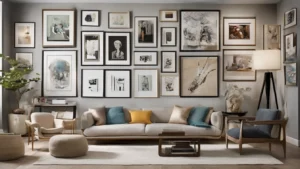
Consider creating a gallery wall to fill a large empty space. A gallery wall can be a collection of paintings, prints, photographs, or even mixed media pieces. The possibilities are endless. The key is to create a cohesive arrangement with a clear sense of balance and harmony. Don’t just throw a bunch of stuff up there and hope for the best. Plan it out, experiment with different layouts, and don’t be afraid to rearrange things until you get it just right. It can be a whole vibe if done right.
Lighting: Shedding Some Light on Your Art
Lighting is the unsung hero of interior design. It can make or break a room, and it certainly plays a crucial role in showcasing your wall art, so get lighting right!
Natural Light: The OG Artist
Nothing beats natural light. It’s soft, flattering, and brings out the true colors of your artwork. If you have a wall that gets plenty of natural light, consider yourself lucky. But even with natural light, you might need to supplement it with artificial light, especially in rooms that don’t get a lot of sunlight or during the evening hours.
Think about how the light changes throughout the day. Does the sun shine directly on your artwork at certain times? If so, you might want to consider using UV-protective glass or acrylic to prevent the colors from fading over time. It’s an extra step, but your art will thank you for it.
Artificial Lighting: Taking Control
When it comes to artificial lighting, you have a few different options to choose from. Track lighting is a popular choice for gallery walls because it allows you to direct light onto each individual piece. Picture lights are designed specifically for illuminating artwork, providing a focused beam of light that highlights the details and textures. And spotlights can also be used to create a dramatic effect, especially when used to highlight a single, statement piece. But, there’s more to it than that!
Consider LED bulbs, which are energy-efficient and produce very little heat. Halogen bulbs are another option, but they tend to run hotter and can fade colors over time. No bueno! Also, pay attention to the color temperature of the bulbs. Warm white bulbs (2700-3000K) create a cozy, inviting atmosphere, while cool white bulbs (3500-4100K) provide a brighter, more energizing light. Daylight bulbs (5000-6500K) mimic natural daylight and are ideal for showcasing artwork with true-to-life colors. Pick colors that are just right for you.
Avoiding Common Pitfalls
We’ve covered a lot, haven’t we? But before you start hanging art like a wild person, let’s go over some common mistakes to avoid.
Hanging Art Too High (or Too Low!)
This is probably the most common mistake people make when hanging art. You want the center of the artwork to be at eye level, which is generally around 57-60 inches from the floor. Of course, this can vary depending on your height and the height of your ceilings, so adjust accordingly.
You also want to consider the viewing distance. If you’re hanging art in a hallway or a narrow space, you might want to hang it a little lower so that people can see it without having to crane their necks. And if you’re hanging art above a piece of furniture, make sure there’s enough space between the bottom of the artwork and the top of the furniture. As a reminder, 6-12 inches is usually a good range.
Ignoring the Scale
We talked about size, but it’s worth repeating. Always consider the scale of your artwork in relation to the size of your wall and the surrounding furniture. A tiny piece of art on a large wall will look insignificant, while a giant piece of art in a small room will feel overwhelming. Find that sweet spot where everything feels balanced and harmonious.
If you’re not sure where to start, try using painter’s tape to map out the dimensions of your artwork on the wall. This will give you a visual representation of how the piece will look in the space, and it will help you avoid any costly mistakes, so there’s that.
Forgetting About the Theme
Unless you’re going for a purposefully chaotic and eclectic look, it’s important to consider the theme of your art and how it relates to the overall style of your space. A collection of abstract paintings might look great in a modern, minimalist apartment, but it might feel out of place in a cozy, rustic farmhouse.
That doesn’t mean you can’t mix and match different styles, but you should always strive for a sense of cohesion and harmony. Choose pieces that complement each other in some way, whether it’s through color, subject matter, or artistic technique. Just remember never to lose sight of good harmony.
Quick Recap: Your Wall Art Checklist Before You Start
Just to make sure, here’s a mini checklist of making the perfect focal point with wall art:
- Size: Is the art proportionate to the wall and furniture?
- Style: Does the art match your overall style?
- Color: Does the color palette complement the room?
- Location: Is it at eye level? Does it make sense for the room?
- Lighting: Is there enough lighting? Are you properly enhancing the pieces?
Beyond the Canvas: Alternative Wall Decor Ideas
Wall art isn’t just paintings and prints. There are many other ways to create a focal point on your walls and spice it up!
Mirrors: Reflecting Style and Space
Mirrors are fantastic for adding light and creating the illusion of more space. A large, ornate mirror can be a stunning focal point, especially in a dining room or entryway. Or, try a gallery wall of small, decorative mirrors for a more eclectic, whimsical look. They are super easy to get creative with, also.
Just be mindful of what the mirror is reflecting. You don’t want it to reflect a cluttered corner or an unsightly view. Instead, position it to reflect a beautiful window, a statement piece of furniture, or a well-lit area of the room. This can have a huge impact.
Tapestries and Textiles: Adding Warmth and Texture
Tapestries and textiles are a great way to add warmth, texture, and personality to your walls. A large tapestry can serve as a stunning focal point in a bedroom or living room, while smaller textiles can be used to create a more layered, eclectic look.
Consider using vintage scarves, antique quilts, or even handwoven rugs as wall decor. These pieces add a unique, one-of-a-kind element to your space and tell a story. Plus, they’re a great way to incorporate global influences and cultural elements into your decor.
Sculptural Elements: Bringing Dimension to Your Walls
Sculptural elements add dimension, texture, and visual interest to your walls. Think beyond traditional paintings and prints and consider incorporating three-dimensional objects into your decor. Metal wall art, ceramic tiles, and even wooden carvings can create a unique, eye-catching focal point.
Consider a grouping of small, ceramic plates in varying sizes and colors. Or, try a large, metal sculpture that spans the length of an entire wall. These unexpected elements can add a touch of whimsy and personality to your space and can really tie the room together.
Final Thoughts: Make It Yours
Creating a wall art focal point is all about expressing your personal style and creating a space that feels authentic to you. Don’t be afraid to experiment, break the rules, and try new things. The most important thing is to have fun and create a space that makes you happy. If it makes you happy, then you got it right!
So, go ahead and transform those blank walls into stunning works of art with focal points! With a little planning, creativity, and attention to detail, you can create a space that’s both beautiful and uniquely you.
For inspiration you can check out Architectural Digest, or Dwell to get you started.
FAQ Section
A good rule of thumb is to choose a piece that’s about two-thirds to three-quarters the width of the sofa. Make sure the bottom of the artwork hangs 6-12 inches above the back of the sofa.
Hang art at eye level! Aim for the center of the piece to be about 57-60 inches from the floor. Adjust as needed depending on ceiling height and personal preference.
Start by planning your layout on the floor. Mix different sizes and styles, but maintain a cohesive theme or color palette. Space pieces 2-4 inches apart, and don’t be afraid to experiment.
Absolutely! Mixing styles can add personality and interest. Aim for a sense of balance and harmony. Choose pieces that complement each other in some way, whether it’s through color, subject matter, or technique.
Use a combination of natural and artificial light. Track lighting, picture lights, and spotlights work well. Consider LED bulbs for energy efficiency and use warm white or daylight bulbs to bring out the true colors of your artwork.
Choose a blank wall that’s visible from multiple angles. Select a large piece of art or create a gallery wall to command attention. Make sure the wall doesn’t have competing elements like windows or doorways.
Consider mirrors, tapestries, textiles, sculptural elements, or even vintage maps. These can add texture, warmth, and a unique touch to your walls.
Disclaimer
This article is intended for informational purposes only and does not constitute professional interior design advice. Wall art selection and placement can vary greatly, based on personal preferences, room size, lighting, and other factors. Readers should exercise their own judgment and consider consulting with a professional designer for specific design needs.
const accHeaders = document.querySelectorAll(‘.accordion-header’);
accHeaders.forEach(header => {
header.addEventListener(‘click’, () => {
const content = header.nextElementSibling;
if (content.style.display === ‘block’) {
content.style.display = ‘none’;
} else {
content.style.display = ‘block’;
}
});
});
Categories
- Accent Walls & Ceilings (84)
- Art Curation & Gallery (83)
- Bedding Style Trends (89)
- Bedroom Makeover (96)
- Bohemian & Eclectic Styles (80)
- DIY & Budget-Friendly Decor (78)
- Eco-Friendly Design (83)
- Furniture Care (87)
- Home Decor & Design Ideas (181)
- Home Wellness Spaces (103)
- Integrated Outdoor Living (91)
- Japandi Style (84)
- Kids and Nursery Decor (73)
- Living Room Decor (99)
- Mix & Match Techniques (95)
- Modern & Contemporary Design (88)
- Rug Sizing & Placement (89)
- Scandinavian Design Inspiration (51)
- Seasonal Home Decor (100)
- Small Space Solutions (93)
- Wall Art & Painting Tips (94)
Recent Comments
Archives
Product Gallery
-
 Majestic African Wildlife Canvas Art for Stylish Home Decor
Rated 5.00 out of 5
Majestic African Wildlife Canvas Art for Stylish Home Decor
Rated 5.00 out of 5 -
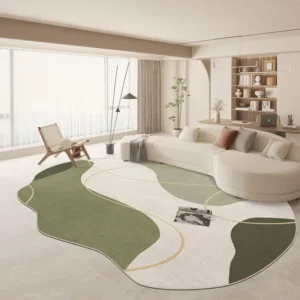 Cozy Irregular Green Plush Rug for Nordic Living Spaces
Rated 5.00 out of 5$37.00 – $231.00Price range: $37.00 through $231.00
Cozy Irregular Green Plush Rug for Nordic Living Spaces
Rated 5.00 out of 5$37.00 – $231.00Price range: $37.00 through $231.00 -
 Scandinavian Geometric Area Rugs for Stylish Home Décor
Rated 5.00 out of 5$28.00 – $415.00Price range: $28.00 through $415.00
Scandinavian Geometric Area Rugs for Stylish Home Décor
Rated 5.00 out of 5$28.00 – $415.00Price range: $28.00 through $415.00