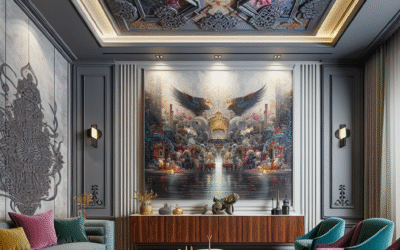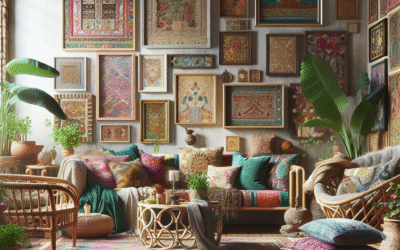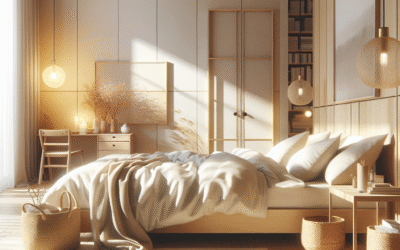

Ever walked into a room and felt like something was just… missing? Like it lacked that certain oomph? You know what I’m talking about, right? That “it” factor that pulls everything together and makes a space feel complete. More often than not, the answer is a solid focal point. And honestly, what better way to create one than with wall art?
Now, I know what you might be thinking. “Wall art? Really? Isn’t that, like, kinda basic?” But hear me out here! We’re not talking about your grandma’s floral prints (unless that’s your thing, of course!). We’re talking about carefully chosen, thoughtfully placed pieces that speak to your personality and elevate your entire space. Believe me, selecting the right piece of wall art can do wonders. It’s not just decoration; it’s like the keystone of your room’s whole vibe. It’s the star of the show!
What’s a Focal Point Anyway?
So, we’re throwing around the term “focal point”—but what does it really mean? Essentially, it’s the design element that immediately grabs your attention when you enter a room. It’s the visual anchor that grounds the space and gives your eye a place to rest. Think of it like this: picture a movie scene. There’s gotta be something that the camera wants you to pay attention to, right? A character, a dramatic prop, whatever. A focal point does that same thing with interior design.
Without a focal point, a room can feel chaotic, unfinished, and just plain blah. Your eyes wander aimlessly, and nothing really stands out. It’s like reading a book with no main character or a song with no rhythm – pretty confusing and not very enjoyable!
Why Bother With Focal Points?
Okay, okay, so we know what a focal point is. But why should you even care? Well, creating a strong focal point does a whole bunch of good things for your space:
- Creates Visual Harmony: A good focal point ties all the elements of a room together, making them feel purposeful and cohesive.
- Adds Personality: It’s a perfect way to showcase your style and interests. Are you into modern art? Nature photography? Vintage maps? Let your wall art tell your story!
- Elevates the Design: It takes your room from “just okay” to “wow!” It’s that finishing touch that makes all the difference.
- Directs Attention: It controls the flow of the room, guiding the eye and creating a sense of balance and order.
Basically, a well-executed focal point can be the difference between a room that feels haphazard and one that feels intentional, inviting, and totally *you*. It sort of whispers, “Welcome, come in and get comfy, this represents me!”
Why Wall Art Stands Out as the Best Solution
Alright, so you’re sold on the idea of focal points. Good. Now, let’s talk about why wall art specifically is such a killer choice. There are a bunch of ways to create a focal point, of course. You could arrange furniture artfully or add an amazing window view, but in my experience, wall art holds an undeniable edge.
Flexibility and Versatility
One of the biggest advantages of wall art is its incredible flexibility. It can fit into pretty much any space, regardless of size or layout. Got a tiny apartment? No problem! A single, striking piece can be just as effective as a gallery wall in a larger home. Here’s the thing, you can change it anytime and without a ton of effort. Paint? Not so much if you don’t like the color you spent the whole weekend applying!
Plus, wall art comes in infinite styles, sizes, and price points. You can find something that perfectly matches your aesthetic, whether you’re into:
- Abstract Expressionism
- Minimalist Prints
- Photorealistic Landscapes
- Pop Art
- … or something totally unique to you!
The possibilities are genuinely endless. And honestly, that’s kind of exciting! Because with all that scope, you can find something that truly reflects who you are.
Impact Without the Fuss
Let’s be real: some focal point solutions can be a real hassle. A massive renovation project? Time-consuming and expensive. An elaborate furniture arrangement? Requires a lot of heavy lifting. A huge houseplant? A test of horticultural skills! Hanging wall art, on the other hand, is relatively simple. A few nails, a level, and you’re good to go.
You get an immediate impact with minimal effort. And let’s not underestimate the value of that. In our busy lives, who has time for complicated decorating projects? Wall art offers a way to instantly elevate your space without turning your life upside down. I mean, what’s not to like about that?
Cost-Effectiveness
Okay, so maybe you’re picturing those fancy art galleries where paintings cost more than your car. But here’s the secret: beautiful and impactful wall art doesn’t have to break the bank. There are so many affordable options out there, from prints and posters to DIY projects and secondhand finds. You can create a stunning focal point without emptying your wallet.
Consider exploring online marketplaces like Etsy or Society6, local art fairs, or even thrift stores. You might be surprised at the hidden gems you can discover! And remember, it’s not about the price tag; it’s about how the piece makes you feel and how it complements your space. If it speaks to you, that’s what matters.
Choosing the Right Wall Art
So now we get to the exciting part: picking out the actual art! But with so many options, it can feel a little overwhelming. Don’t worry; I’m here to help you navigate the process. It’s all about making choices that are both aesthetically pleasing and personally meaningful.
Size Matters (Seriously!)
One of the biggest mistakes people make with wall art is choosing the wrong size. A tiny print on a large wall looks awkward and insignificant, while a massive canvas in a small space can feel overwhelming. The key is to find a piece that’s proportionate to the wall and the surrounding furniture.
As a general rule, the artwork should take up about two-thirds to three-quarters of the wall space. If you’re hanging art above a sofa or console table, make sure it’s not wider than the furniture itself. And remember to leave enough breathing room around the piece so it doesn’t feel cramped. Trust me; these simple rules will make a huge difference.
Color and Composition Harmony
Color is another crucial element to consider. Your wall art should complement the existing color palette of your room. You can either choose pieces that blend in seamlessly with the surroundings or, if you’re feeling bold, select a contrasting color to create a pop of visual interest. For instance, a vibrant abstract painting can look amazing against a neutral wall. Or even black and white photography among a pale green wall for some contrast.
Composition is also important. Think about the lines, shapes, and textures in the artwork and how they relate to the other elements in the room. A piece with strong vertical lines can add height to a space, while a horizontal composition can create a sense of width. These may sound intimidating, but once you get going, you’ll see how it all comes together!
Reflect Your Personality
At the end of the day, the best wall art is something that you genuinely love and that reflects your personality. Don’t just choose something because it’s trendy or because someone else tells you to. Pick pieces that resonate with you on a personal level, that evoke a particular emotion, or that remind you of a special memory. This is your space, after all, so make it your own!
Whether you’re into whimsical illustrations, minimalist photography, or bold abstract art, let your walls tell your story. Your home should be a reflection of who you are. I mean, isn’t that kind of the point?
Arranging Your Wall Art
Okay, you’ve got your perfect piece (or pieces!) of wall art. Now, how do you actually hang it? Well, placement is everything. A poorly placed piece can look just as bad as the wrong piece. Let’s walk through the basics.
The Single Statement Piece
If you’re going with a single, large piece of art, the placement is pretty straightforward. The general rule of thumb is to hang it at eye level. For most people, that’s about 57 to 60 inches from the floor to the center of the artwork. Of course, you may need to adjust this slightly depending on the height of your ceilings and the size of the piece.
Make sure the artwork is centered on the wall or above the furniture. And don’t be afraid to experiment with different heights and positions until you find what looks best. Sometimes, even an inch or two can make a big difference!
The Gallery Wall
Ah, the gallery wall – a classic way to create a focal point with multiple pieces of art. But here’s the thing: gallery walls can be tricky to pull off. You want them to look curated and intentional, not chaotic and random.
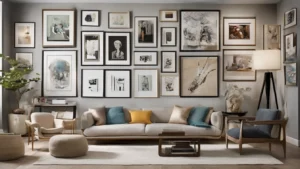
The first step is to plan your layout. You can either arrange the pieces symmetrically or asymmetrically, depending on your style. A symmetrical layout feels more formal and structured, while an asymmetrical arrangement is more relaxed and eclectic. Lay all the pieces out on the floor and play around with different configurations until you find one you like. And take a photo so you don’t forget it!
When hanging the artwork, maintain consistent spacing between the pieces. A good rule of thumb is to leave about 2 to 4 inches between each frame. And remember to keep the bottom edges of the frames aligned to create a sense of visual order. After all, this is art, not a haphazard scrapbook page.
If you aren’t feeling so confident, consider using online resources with ideas, or inspiration from design magazines.
Think Outside the Frame
Okay, let’s get a little creative here. Wall art doesn’t always have to be framed prints or paintings. You can also use:
- Tapestries
- Mirrors
- Sculptural Pieces
- Even decorative plates!
Don’t be afraid to think outside the box and incorporate unexpected elements into your wall décor. You could even create a gallery wall with a mix of framed art and found objects. The key is to have fun and let your personality shine through. I mean, who says you have to stick to the rules?
Wall Art Ideas for Every Room
Okay, so we’ve covered the basics. Now, let’s get into some specific ideas for different rooms in your home. Because the right wall art can make all the difference in creating the atmosphere you want.
Living Room: The Heart of the Home
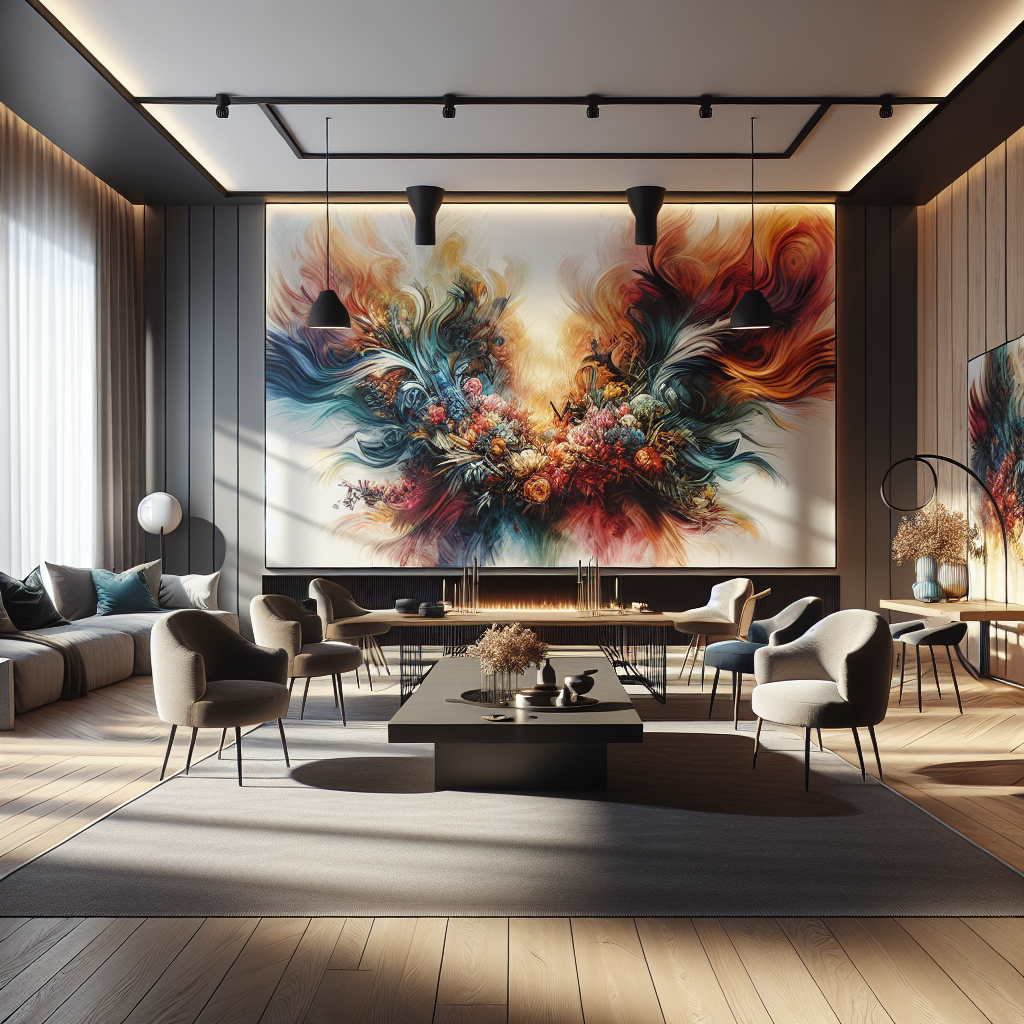
The living room is often the largest and most public space in your home, which makes it the perfect place to create a striking focal point. Consider a large-scale abstract painting or a gallery wall with a mix of prints and photographs. You could even create a triptych (a three-panel artwork) for a dramatic effect. If you don’t want a gallery, then get a single large piece that will capture everyone’s attention.
If your living room has a fireplace, that’s a natural focal point. Hang a beautiful mirror or a piece of art above the mantel to draw the eye upward. Just make sure that the artwork is proportionate to the size of the fireplace and the surrounding wall space.
Bedroom: A Personal Sanctuary
In the bedroom, you want to create a calm and relaxing atmosphere. Choose wall art that evokes a sense of peace and tranquility. Soft landscapes, minimalist prints, or abstract designs in soothing colors can all work well. You might not think about it this way, but what you see at night can affect your sleep — so choose well!
Hang a piece of art above your bed to create a focal point. Or, if you prefer, create a small gallery wall with personal photos or mementos. Just keep the overall vibe relaxed and uncluttered. This is your sanctuary, after all, so make it a place where you can truly unwind.
Kitchen: Functional and Stylish
The kitchen might not seem like the most obvious place for wall art, but it can be a great way to add personality and style to a functional space. Consider hanging a colorful print or a vintage poster above the stove or the kitchen table. You could even frame some of your favorite recipes!
If you have open shelving in your kitchen, use it to display small pieces of art or decorative objects. This is a great way to add visual interest without taking up valuable counter space.
Bathroom: A Spa-Like Retreat
Turn your bathroom into a spa-like retreat with the right wall art. Choose pieces that evoke a sense of calm and serenity. Seascapes, botanical prints, or abstract designs in soft colors can all work well. Just make sure that the artwork is water-resistant and can withstand the humidity of the bathroom. Nothing says relaxation like a nice bath, but you can help achieve this atmosphere via your wall art.
Hang a piece of art above the bathtub or the vanity to create a focal point. Or, if you prefer, create a small gallery wall with a mix of prints and mirrors. Just keep the overall look clean and minimalist.
Maintaining Your Wall Art
Once your wall art is up, you’re not *quite* done. You need to keep it looking good. Most people don’t think about that, but if you take the leap of investing in wall art, then surely you’d want to make it last, right?
Dusting
One of the simplest things you can do to care for your wall art is to dust it regularly. Use a soft, dry cloth or a feather duster to remove any dust or dirt that may have accumulated on the surface. Be gentle, and avoid using any harsh chemicals or abrasive cleaners.
For framed artwork, you can also clean the glass or acrylic with a glass cleaner. Just be sure to spray the cleaner onto a cloth first, and then wipe the surface. This will prevent any cleaner from seeping behind the frame and damaging the artwork.
Sunlight Exposure
Prolonged exposure to direct sunlight can cause fading and damage to your wall art. Position art so that it’s not in direct sunlight. If that’s not totally possible, invest in UV-protective glass for any framed pieces. The effect of continued sun exposure may not be immediately obvious, but overtime damage can be apparent.
Humidity
This is the tricky one. Too much moisture can also wreak havoc on your wall art, causing mildew or warping. Avoid hanging artwork in areas with high humidity, such as bathrooms or kitchens. If you live in a humid climate, consider investing in a dehumidifier to help control the moisture levels in your home.
And that’s it! With a little care and attention, your wall art can continue to beautify your space for years to come. Plus, it speaks to a level of sophisticated ownership that friends and family alike can admire!
Beyond Decoration: The Psychological Impact of Wall Art
Okay, we’ve talked about the practical aspects of wall art—how it creates a focal point, adds personality, and elevates your décor. But what about the psychological impact? Is there something deeper going on here?
Boosting Your Mood
Studies have shown that art can have a profound effect on our mood and well-being. Viewing art can trigger the release of dopamine, a neurotransmitter associated with pleasure and reward. This can lead to feelings of happiness, relaxation, and inspiration.
Think about it: have you ever looked at a painting or a photograph and felt a sudden surge of joy or nostalgia? That’s the power of art at work. By surrounding yourself with pieces that you love, you can create a positive and uplifting environment in your home.
Reducing Stress
In today’s fast-paced world, stress is a constant companion for many of us. But did you know that art can actually help to reduce stress levels? Research has shown that engaging with art can lower cortisol levels, a hormone associated with stress. Whether you’re painting, drawing, or simply looking at a piece of art, it can have a calming and grounding effect.
So, make a little time to appreciate the art in your home. Take a few deep breaths, focus on the colors and textures, and allow yourself to be transported to another world. It’s like a mini-vacation for your mind.
Enhancing Creativity
If you’re feeling stuck in a rut, art can be a great way to spark your creativity. Surrounding yourself with inspiring images can help to open your mind to new ideas and possibilities.
Consider hanging art in your workspace or studio to create a stimulating environment. Choose pieces that are visually interesting and that challenge your perceptions. And don’t be afraid to experiment with different styles and mediums. You never know what might ignite your imagination! Why confine your creativity outside the box, when you can bring right into the box with you?!
The Art of Accessorizing Wall Art
Okay, so now you’ve got the perfect wall art, perfectly hung, and perfectly positioned to boost your mood and enhance your creativity. But what about the finishing touches? How can you accessorize your wall art to create an even more polished and cohesive look?
Lighting
Lighting is key to showcasing your wall art in the best possible light (literally!). Consider adding spotlights or track lighting to highlight your favorite pieces. Or, if you want a more subtle effect, use ambient lighting to create a warm and inviting glow. The goal is to illuminate the artwork without creating harsh shadows or glare.
Different kinds of lights have differing effects, too. Warmer colors tend to draw and welcome, while cooler lights may make some feel uncomfortable. In spaces meant for gatherings, think about how the type of light might affect your guests. With art, light has to be complementary. Without a proper light, one may not even notice the art!
Furniture
The furniture around your wall art definitely matters. Choose pieces that complement the style and colors of the artwork. For example, if you have a bold abstract painting, you might want to pair it with simple, minimalist furniture. Or, if you have a vintage print, you could pair it with antique furniture for a cohesive look.
But here’s what you should absolutely avoid: over the top furniture designs that compete with the art. The goal is to complement, not upstage! Also, make sure the furniture is placed in a way that doesn’t block the view of the artwork.
Plants
Adding plants to your space can create a sense of life and vibrancy and connect the indoors with the outdoors. Place a plant near your wall art to soften the edges and create a more organic feel. Choose plants that complement the colors and textures of the artwork. For example, a leafy green plant can look amazing next to a colorful abstract painting.
Plus, plants have so many other benefits! They purify the air, reduce stress, and boost your mood. It’s a win-win situation!
Staying on Trend: Wall Art in 2024
Trends always do their thing, right? Even in interior design! Okay, so let’s take a look at some of the big trends for wall art this year. Because staying on top of the latest trends can help you create a space that feels fresh, current, and totally stylish.
Nature-Inspired Art
As people become more aware of the environment, nature-inspired art continues to be super popular. Think botanical prints, landscapes, and wildlife photography. These pieces bring a sense of calm and tranquility to any space, while also connecting us to the natural world.
As an aside, going with nature can make your buying decisions easier; you can always mix and match pieces to create something authentic, and then sit back and accept the compliments that come your way. And for an amazing idea, see if you can bring elements of what’s actually in your city or region to the wall!
Abstract Expressionism
Bold colors, abstract shapes, and emotional imagery. That’s what abstract expressionism is all about. And it isn’t going anywhere, still a firm favorite with designers and homeowners alike. These pieces are a great way to add drama and personality to any room. Plus, they look expensive—even if they’re actually quite affordable!
Personalized Art
In a world of mass-produced goods, personalized art has become more popular than ever. Photo collages, custom portraits, and family name prints all give a unique style to a home.
Personalized art could include kids’ drawings, too. Honestly, don’t underestimate the value of this style because it’s the most personal you can make! And I think a lot of people will find that incredibly authentic – you know, just don’t overdo it.
Conclusion: Giving that Focal Point its Due
Wall art is more than just decoration; it’s a vital design element that can transform your space and enhance your well-being. By choosing the right pieces, arranging them thoughtfully, and giving them the love and attention they deserve, you can create a home that’s both beautiful and meaningful.
So, go ahead, embrace the power of wall art. Trust me; your walls (and your soul) will thank you for it. Now go forth and create a space that reflects your unique style and personality (and don’t forget to send me pictures!).
For more tips and ideas, check out these resources: Better Homes & Gardens – Wall Decorating Ideas and The Spruce – How to Decorate Your Walls.
FAQ Section
DISCLAIMER
Please note that I am an AI assistant and cannot provide professional interior design advice. The information provided in this article is for general informational purposes only and should not be considered as a substitute for advice from a qualified professional. Always consider your personal style, preferences, and unique circumstances when making decisions about your home décor.
Categories
- Accent Walls & Ceilings (84)
- Art Curation & Gallery (83)
- Bedding Style Trends (89)
- Bedroom Makeover (96)
- Bohemian & Eclectic Styles (80)
- DIY & Budget-Friendly Decor (78)
- Eco-Friendly Design (83)
- Furniture Care (87)
- Home Decor & Design Ideas (181)
- Home Wellness Spaces (103)
- Integrated Outdoor Living (91)
- Japandi Style (84)
- Kids and Nursery Decor (73)
- Living Room Decor (99)
- Mix & Match Techniques (95)
- Modern & Contemporary Design (88)
- Rug Sizing & Placement (89)
- Scandinavian Design Inspiration (51)
- Seasonal Home Decor (100)
- Small Space Solutions (93)
- Wall Art & Painting Tips (94)
Recent Comments
Archives
Product Gallery
-
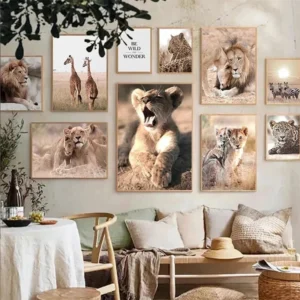 Majestic African Wildlife Canvas Art for Stylish Home Decor
Rated 5.00 out of 5
Majestic African Wildlife Canvas Art for Stylish Home Decor
Rated 5.00 out of 5 -
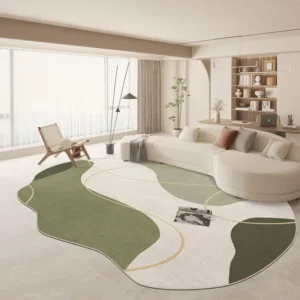 Cozy Irregular Green Plush Rug for Nordic Living Spaces
Rated 5.00 out of 5$41.00 – $254.00Price range: $41.00 through $254.00
Cozy Irregular Green Plush Rug for Nordic Living Spaces
Rated 5.00 out of 5$41.00 – $254.00Price range: $41.00 through $254.00 -
 Scandinavian Geometric Area Rugs for Stylish Home Décor
Rated 5.00 out of 5$29.00 – $438.00Price range: $29.00 through $438.00
Scandinavian Geometric Area Rugs for Stylish Home Décor
Rated 5.00 out of 5$29.00 – $438.00Price range: $29.00 through $438.00