

You know, a kid’s room isn’t just a place to sleep; it’s their whole world, isn’t it? It’s where dreams take flight, where imaginary friends come alive, and where countless adventures begin. And honestly, for us parents, decorating that space can feel like a really big deal. We want it to be fun, stimulating, and totally reflect their little personalities, but also grow with them a bit, right? That’s where an accent wall comes into play. It’s not just some fancy design trend; it’s a game-changer for a kid’s room, offering a splash of personality and focus without overwhelming the entire space.
Think about it: painting a whole room in bright yellow might be a bit much, but a single yellow accent wall? That’s sunshine! It’s like a blank canvas just waiting for a burst of creativity. Plus, it’s often way easier and less of a commitment than redoing an entire room, especially if your child’s favorite color changes quicker than the seasons. We’ve all been there, haven’t we? One day it’s pink, the next it’s blue, and then suddenly, it’s all about slime green. The beauty of an accent wall is its flexibility. It gives you room to play, to experiment, and to really make that room feel special. Let’s explore some truly amazing ways to bring that magic to life.
Why Just One Wall? The Magic of the Accent
Ever wondered why designers always talk about accent walls? It’s not just a fad, truly. An accent wall serves as an instant focal point, drawing the eye and giving a room a sense of purpose. For a kid’s room, this is gold. It can anchor a bed, highlight a play area, or even create a designated study spot. Imagine walking into a room with a vibrant, star-spangled wall behind the bed – it instantly says, "This is the sleep zone, and it’s awesome!" Without it, the room might feel a little… well, flat.
Beyond aesthetics, it’s also incredibly practical. It gives you a chance to introduce bold colors or patterns that might feel too intense if spread across all four walls. Say your child is obsessed with dinosaurs. Plastering dinosaur wallpaper everywhere could be a bit much, and frankly, expensive. But one wall? Totally doable, totally spectacular. It provides that stylistic punch without making the room feel enclosed or chaotic. And when the dinosaur phase inevitably passes, changing just one wall is significantly less work and less costly. It’s like getting a big impact for a relatively small effort, which, let’s be real, is music to any parent’s ears.
To Paint or To Wallpaper? The Great Debate!
Ah, the age-old question, isn’t it? When you’re dreaming up an accent wall, the first thing that probably pops into your head is paint, followed closely by wallpaper. Both have their charms, and honestly, both have their little quirks too.
Painting is generally the more budget-friendly route, especially if you’re comfortable doing it yourself. You can pick any color under the sun, and there are so many creative techniques you can try. Think stripes, chevrons, ombré effects, or even hand-painted murals. It allows for a lot of artistic freedom. Plus, if you mess up or your kid decides they hate purple (after begging for it, of course), it’s relatively easy to paint over. On the flip side, getting professional-looking intricate designs can be tricky and might require a steady hand or some crafty stencils. And some paints, especially the cheaper ones, can have a bit of an odor, which isn’t ideal for a kid’s room.
Wallpaper, on the other hand, offers an incredible array of patterns and textures that are simply hard to replicate with paint. We’re talking about everything from whimsical forests to geometric marvels, even realistic brick or wood effects. The patterns are usually flawless, and it often adds a layer of depth and sophistication that paint just can’t quite achieve. The downside? Wallpaper can be more expensive, and applying it is, well, an art form in itself. It definitely takes more patience and precision. Also, removing it down the line can be a bit of a nightmare, depending on the type. But honestly, with today’s peel-and-stick options becoming so popular, it’s making wallpaper a much more appealing choice for temporary or experimental designs. You gotta love modern convenience!
Painted Perfection: Unleashing Your Inner Artist
When it comes to painted accent walls, the possibilities are practically endless. It’s like having a giant coloring book in your child’s room, and you’re holding the crayons!
Stripes, Chevrons, and Geometric Wonders – Oh My!
Let’s talk about stripes first, shall we? They’re classic for a reason. Vertical stripes can make a room feel taller, while horizontal ones can make it feel wider. You can go bold with contrasting colors, or keep it subtle with different shades of the same hue. And chevrons? They add a dynamic, energetic vibe that’s just perfect for an active child’s room. Imagine a wall of zig-zags in their favorite colors!
Geometric shapes are another fantastic idea. Think triangles, squares, or even hexagons. You can paint them in a repeating pattern or create an abstract mural. The key here is good painter’s tape and maybe a ruler or laser level to keep those lines crisp. I’ve seen some parents even get their older kids involved, letting them pick colors and help tape off sections – it makes it a real family project and gives the child a sense of ownership over their space. Plus, it’s a sneaky way to teach them about angles and measurements! Shhh, don’t tell them it’s educational.
Ombré All the Way: A Gentle Gradient Dream
Ombré walls are just beautiful, aren’t they? They create a soft, gradient effect that transitions from one color to another, or from a dark shade to a lighter one. It gives a room a really serene and ethereal quality, which can be lovely in a nursery or a calm reading nook. It’s a bit more involved than simple stripes, requiring some blending techniques, but the result is truly stunning. You can find tons of tutorials online, and honestly, even if it’s not perfect, the gentle blend often hides little imperfections, making it a fairly forgiving project. It’s especially good if you want to introduce color without it being too "in your face."
Murals and Hand-Painted Magic: Personalized Masterpieces
Now, for the really ambitious (or those with a secret artistic flair!), a hand-painted mural is the ultimate personal touch. Imagine a whimsical forest, a starry night sky, a fantastical underwater scene, or even their favorite cartoon characters coming to life on their wall. This truly turns a room into an immersive experience. If you’re not confident in your own artistic abilities, you can always hire a local artist, or use stencils to create more complex designs. Projectors can also be a parent’s best friend here – project an image onto the wall, trace it lightly, and then fill it in with paint. It makes even the most intricate designs achievable for practically anyone. Just be sure to use non-toxic, low-VOC paints for a child’s room. Safety first, always!
Wallpaper Wonders: Patterns, Textures, and Themes Galore
If painting isn’t quite your jam, or you’re looking for patterns that are just too complex for a brush, wallpaper is your friend. And honestly, it’s come a long, long way from your grandma’s floral prints.
Peel-and-Stick: The Parent’s Savior
Let’s hear it for peel-and-stick wallpaper, folks! This stuff is a life-saver. It’s like a giant sticker for your wall – incredibly easy to apply, and even better, incredibly easy to remove without damaging your walls. This makes it absolutely perfect for kid’s rooms where tastes change faster than lightning. Got a unicorn phase? Great, peel-and-stick unicorn wallpaper! Is it trucks next week? No problem, swap it out. It’s fantastic for renters too, since it leaves no residue. The variety available now is mind-boggling, from subtle textures to vibrant, playful prints. It’s a low-commitment way to make a huge statement.
Textured Wallpaper: A Sensory Experience
Beyond just patterns, textured wallpaper can add another dimension to a room, literally. Think grasscloth, cork, or even flocked designs. These add visual interest and a tactile element that can be really engaging for kids. Imagine a wall that feels soft or slightly bumpy – it stimulates their senses and makes the room feel richer. Plus, some textured wallpapers can even help with sound dampening, which is a nice bonus in a playroom! Just be mindful of anything too rough or delicate that might not stand up to enthusiastic little hands.
Themed Wallpaper: Bringing Their Passions to Life
This is where wallpaper really shines. You can find patterns that perfectly align with your child’s current obsession. Is it outer space? There are incredible wallpapers with planets, rockets, and constellations. Are they into animals? You can get everything from friendly jungle creatures to majestic forest dwellers. What about whimsical storybook themes, underwater adventures, or bustling cityscapes? The possibilities are boundless. This really helps to create that immersive, magical space we were talking about earlier. It’s not just a wall; it’s a portal to their favorite world. Check out sites like Wayfair’s kids’ wallpaper section for some amazing inspiration – seriously, you’ll be scrolling for ages!
Beyond Paint and Paper: Creative and Unexpected Ideas
Who said accent walls have to be just paint or wallpaper? Sometimes the most memorable spaces come from thinking outside the box, right? Let’s get a little unconventional!
Chalkboard Paint: A Canvas for Endless Creativity
This one is a classic for a reason. A chalkboard wall is not just an accent; it’s an interactive play area! Imagine a wall where your child can draw, doodle, write, erase, and start all over again, day after day. It encourages creativity, helps with motor skills, and can even be a practical spot for to-do lists or homework reminders as they get older. You can go for the classic black, or you know, they even have colored chalkboard paints now! They come in greens, blues, even purple. And don’t forget magnetic chalkboard paint – double the fun! It’s super easy to apply, just like regular paint, and oh-so-fun. Just be prepared for a little chalk dust, but honestly, it’s a small price to pay for such a dynamic feature.
Whiteboard Paint: The Smooth Operator
Similar to chalkboard paint but with a slicker, more modern feel, whiteboard paint turns any wall into a giant dry-erase board. This is fantastic for older kids who might be practicing their writing, doing math problems, or just brainstorming ideas. It’s cleaner than chalk and equally versatile. It usually requires a few coats to get that perfectly smooth, erasable surface, but once it’s done, it’s a fantastic, durable, and super functional accent. This can be great for a budding artist or scientist!
Shiplap or Wood Paneling: A Touch of Rustic Charm
For a more architectural and textured look, consider shiplap or other wood paneling. It brings a cozy, farmhouse vibe that’s actually quite versatile. You can paint the shiplap a bright color for a modern look, or leave it natural for a rustic feel. This adds depth and a sense of permanence to a room. It might be a bit more of an investment in terms of materials and installation, but it definitely creates a unique and stylish accent. Think about horizontal shiplap behind a bed frame for an almost built-in headboard effect. It’s surprisingly chic, even in a kid’s room.
Fabric Panels: Softness and Style
Fabric on a wall? Yes! This is such an underrated idea. You can stretch beautiful fabrics over lightweight frames and attach them to the wall, or even adhere fabric directly to the wall with starch (which makes it removable!). This adds incredible softness, texture, and often vibrant patterns that you might not find in paint or wallpaper. It also has the added benefit of helping with acoustics, making a room feel cozier and quieter. Just pick a durable, easy-to-clean fabric, especially for younger kids. You could do a quilt-like pattern with different fabric squares or even a large-scale graphic print.
Decals and Stickers: Instant Awesome
These are probably the easiest and most temporary way to create an accent wall. Wall decals come in every shape, size, and theme imaginable. From giant tree decals that span a whole wall to constellations, animals, letterforms, or superhero silhouettes – you name it. They’re super easy to apply, generally affordable, and can be removed without damaging the paint underneath. This is another fantastic option for renters or for parents who know their child’s preferences might shift rapidly. You can even combine a simple painted wall with strategic decals to create a custom look. It’s like magic, truly, how much impact a few well-placed decals can have. Check out brands like Etsy for handmade wall decals for some unique finds!
DIY Prowess: Getting Your Hands Dirty (or Not!)
Alright, so we’ve got all these fantastic ideas swirling around, but how do we actually do them? Do we need to be master craftsmen or Picasso reborn? Not at all! The beauty of many of these projects is their accessibility.
For painted walls, whether it’s stripes or a mural, a little prep work goes a long way. Clean walls are key! Taping off your lines carefully is crucial for crisp edges – use good quality painter’s tape like Frog Tape, it really makes a difference. Don’t be afraid to practice on a piece of cardboard first if you’re trying a new technique. And patience, my friend, is a virtue. Let coats dry completely.
With wallpaper, especially peel-and-stick, taking your time is the best advice. Measure twice, cut once, as they say. Start from the top and smooth out bubbles as you go. A smoothing tool (often comes with the paper) is super helpful here. If you’re using traditional paste wallpaper, watching a few YouTube tutorials will save you a lot of headache. Honestly, it’s not as scary as it sounds, but don’t rush it.
For more involved elements like shiplap, a basic power saw and a nail gun will make your life much easier, but it’s totally achievable for a determined DIYer. There are tons of online resources and how-to guides for practically every project you can imagine. The most important thing is to have fun with it! It’s a project for your child’s space, and your enthusiasm will definitely shine through in the final result, even if there’s a tiny, charming imperfection somewhere.
Beyond the Wall: Integrating the Accent into the Room
An accent wall isn’t just a standalone piece; it’s part of a larger symphony – the whole room! To truly make it pop, you need to consider how it plays with everything else.
Color Coordination: The Harmony of Hues
Think about the colors in the accent wall. Do they complement the bedding? The rug? The curtains? You don’t need everything to match exactly, in fact, intentional variations add character. But having a cohesive color palette makes the room feel pulled together. For example, if you have a bold blue accent wall, maybe sprinkle in some blue throw pillows or a blue picture frame on a shelf on the opposite side of the room. It creates a visual dialogue. Conversely, if your accent wall is super busy with patterns, maybe keep the other walls a calmer, neutral shade to let the accent wall really sing.
Furniture Placement: Drawing the Eye
Often, the accent wall is the perfect backdrop for a key piece of furniture. Placing the bed against it, for instance, immediately makes it the focal point. Or perhaps it’s the backdrop for a clever desk setup, a reading nook with a cozy beanbag, or a play kitchen. The furniture should enhance the accent wall, not compete with it. It’s like setting the stage for a tiny theatrical production, you know?
Lighting: Illuminating the Masterpiece
Good lighting can seriously enhance an accent wall. A strategically placed spotlight or wall sconce can highlight texture or a beautiful mural, adding depth and drama. Natural light is great, of course, but don’t underestimate the power of artificial lighting to create ambiance. Maybe a soft string of fairy lights around the edges of a celestial accent wall? Or a picture light above a particularly intricate mural? It’s all about making that wall shine, both literally and figuratively.
Accessories and Décor: The Finishing Touches
Don’t forget the little things! Shelves, artwork, mirrors, or even simple wall hangings can extend the theme of your accent wall or provide a visually pleasing contrast. If your accent wall is a dense forest pattern, maybe a few cute animal figurines on a nearby shelf or a little branch-shaped hook for clothes would be perfect. The goal is to make the accent wall feel naturally integrated into the entire room, creating a harmonious and inspiring space for your child. It’s all about telling a story, and each element is a character in that story.
Age-Appropriate Appeal: Designing for Growth
Now, here’s the tricky part, isn’t it? A toddler’s room isn’t the same as a pre-teen’s, and what appeals to a six-year-old might make a ten-year-old roll their eyes. Anticipating growth, or at least planning for easier changes, is key.
For the Little Ones (Infants & Toddlers): Sweet Dreams and Soft Hues
For nurseries and toddler rooms, think soft, soothing, and stimulating. Pastel colors, gentle patterns like polka dots or subtle stripes, or even a whimsical mural of clouds or friendly animals work beautifully. The goal here is to create a calm yet engaging environment. Avoid anything too jarring or visually overwhelming. Think about mobiles, soft lighting, and gentle textures. And remember, they spend a lot of time on their back looking up, so consider the ceiling subtly too! For the accent wall, perhaps a calming ombré or a soft, repeated pattern would be perfect.
The Elementary Explorers (Ages 4-9): Bold and Playful Adventures
This is where personalities really start to shine! They develop strong opinions and specific interests. Dinosaurs, space, princesses, superheroes, jungles – this is their prime time for themed rooms. This is where bold colors, interactive elements like chalkboard paint, or vibrant themed wallpapers really come into their own. Let them have some input! It’s their space, after all. But maybe suggest options that are easily changeable, like decals or peel-and-stick wallpaper, because their interests might, you know, evolve.
The Pre-Teen and Teen Scene (Ages 10+): Cool, Stylish, and Evolving
When they hit those pre-teen and teen years, "cool" becomes the ultimate descriptor. They’re probably less into cartoon characters and more into expressing their budding individuality, hobbies, or even just wanting a space to chill with friends. Think geometric patterns, sophisticated color palettes (maybe deep blues, greens, or even muted grays with a pop of color), or graphic designs. Wood paneling or a cork accent wall (great for pinning up posters and photos!) could be super popular. The key here is involvement. Let them pick the wall, the theme, and the colors. It makes them feel respected and gives them a sense of ownership over their personal sanctuary. And who knows, you might be surprised by their mature taste!
A Quick Word on Safety First, Always!
Before we wrap this up, and truly, it’s so important, let’s talk about safety. When working on any accent wall project in a kid’s room, keep these things in mind:
- Non-Toxic Paints and Materials: Always, always use low-VOC (Volatile Organic Compounds) or zero-VOC paints. These have fewer harmful fumes, which is crucial for little lungs. The same goes for glues, primers, and sealants.
- Ventilation: While painting or wallpapering, make sure the room is well-ventilated. Open windows and use fans. Keep the kids out of the room during the process and for several days afterward to allow things to air out completely.
- Secure Fixtures: If you’re adding shelves, heavy fabric panels, or any other fixtures to the accent wall, make sure they are securely anchored to wall studs. Kids pull, climb, and test things, intentionally or accidentally, and you don’t want anything falling on them.
- Cleanliness: After the project is done, clean up thoroughly. Sweep, vacuum, and wipe down surfaces to remove any dust, paint chips, or stray materials that could pose a hazard.
Taking these precautions ensures that your beautiful new accent wall is not just pretty, but also a safe environment for your precious little one.
FAQs: Your Burning Questions Answered!
How do I choose the right wall for an accent?
Typically, you’d pick the wall that a bed or main piece of furniture will sit against, or the first wall you see when you walk into the room. It should be a wall without too many windows or doors, as these break up the visual flow and can make the accent less impactful. Think about where you want to draw attention!
Will an accent wall make the room feel smaller?
Not usually! In fact, a well-chosen accent wall can actually make a room feel more spacious by adding depth and drawing the eye to a specific point. If you’re worried about it, choose a lighter color or a pattern with vertical elements.
What’s the easiest accent wall for a beginner?
Hands down, a simple painted wall in a single bold color is the easiest. If you want a pattern, large, easy-to-apply wall decals or peel-and-stick wallpaper are also incredibly beginner-friendly.
How much paint/wallpaper do I need for an accent wall?
Measure the wall’s width and height. For paint, most cans will tell you the square footage they cover per coat – you’ll usually need two coats. For wallpaper, measure similarly and factor in pattern repeat; it’s always best to buy an extra roll for mistakes or future repairs.
Can I mix and match different accent wall ideas?
Absolutely! A solid painted wall could have strategically placed decals, or you could do a chalkboard section on a patterned wallpaper. Just make sure the elements complement each other rather than clashing, to maintain a cohesive look.
How do I keep an accent wall looking good with active kids?
Durability is key! Choose washable paints (like eggshell or satin finishes) and wipeable wallpapers. If using fabric, pick a durable, stain-resistant material. For chalkboard or whiteboard walls, set clear rules about where drawing is allowed! Regular spot cleaning will help keep it fresh.
What if my child’s interests change quickly?
This is why peel-and-stick wallpaper and wall decals are absolute gems! They’re designed for easy removal and replacement. For paint, stick to simpler designs that are easy to paint over, or choose a versatile color that can adapt to different themes with just a switch of accessories. Flexibility is your friend here!
DISCLAIMER
All content provided in this article is for informational and entertainment purposes only. While we try to share accurate and helpful advice, we don’t guarantee that it’s complete, up-to-date, or suitable for your specific situation. Always exercise caution and consult with professionals (like painters, decorators, or safety experts) before undertaking any home improvement projects, especially those involving children’s rooms. We are not responsible for any actions taken based on the information presented here. Please prioritize safety and common sense above all else.
Categories
- Accent Walls & Ceilings (84)
- Art Curation & Gallery (83)
- Bedding Style Trends (89)
- Bedroom Makeover (96)
- Bohemian & Eclectic Styles (80)
- DIY & Budget-Friendly Decor (78)
- Eco-Friendly Design (83)
- Furniture Care (87)
- Home Decor & Design Ideas (181)
- Home Wellness Spaces (103)
- Integrated Outdoor Living (91)
- Japandi Style (84)
- Kids and Nursery Decor (73)
- Living Room Decor (99)
- Mix & Match Techniques (95)
- Modern & Contemporary Design (88)
- Rug Sizing & Placement (89)
- Scandinavian Design Inspiration (51)
- Seasonal Home Decor (100)
- Small Space Solutions (93)
- Wall Art & Painting Tips (94)
Recent Comments
Archives
Product Gallery
-
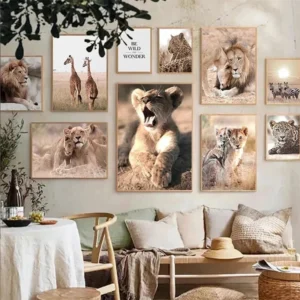 Majestic African Wildlife Canvas Art for Stylish Home Decor
Rated 5.00 out of 5
Majestic African Wildlife Canvas Art for Stylish Home Decor
Rated 5.00 out of 5 -
 Cozy Irregular Green Plush Rug for Nordic Living Spaces
Rated 5.00 out of 5$50.99 – $321.60Price range: $50.99 through $321.60
Cozy Irregular Green Plush Rug for Nordic Living Spaces
Rated 5.00 out of 5$50.99 – $321.60Price range: $50.99 through $321.60 -
 Scandinavian Geometric Area Rugs for Stylish Home Décor
Rated 5.00 out of 5$36.62 – $554.84Price range: $36.62 through $554.84
Scandinavian Geometric Area Rugs for Stylish Home Décor
Rated 5.00 out of 5$36.62 – $554.84Price range: $36.62 through $554.84