



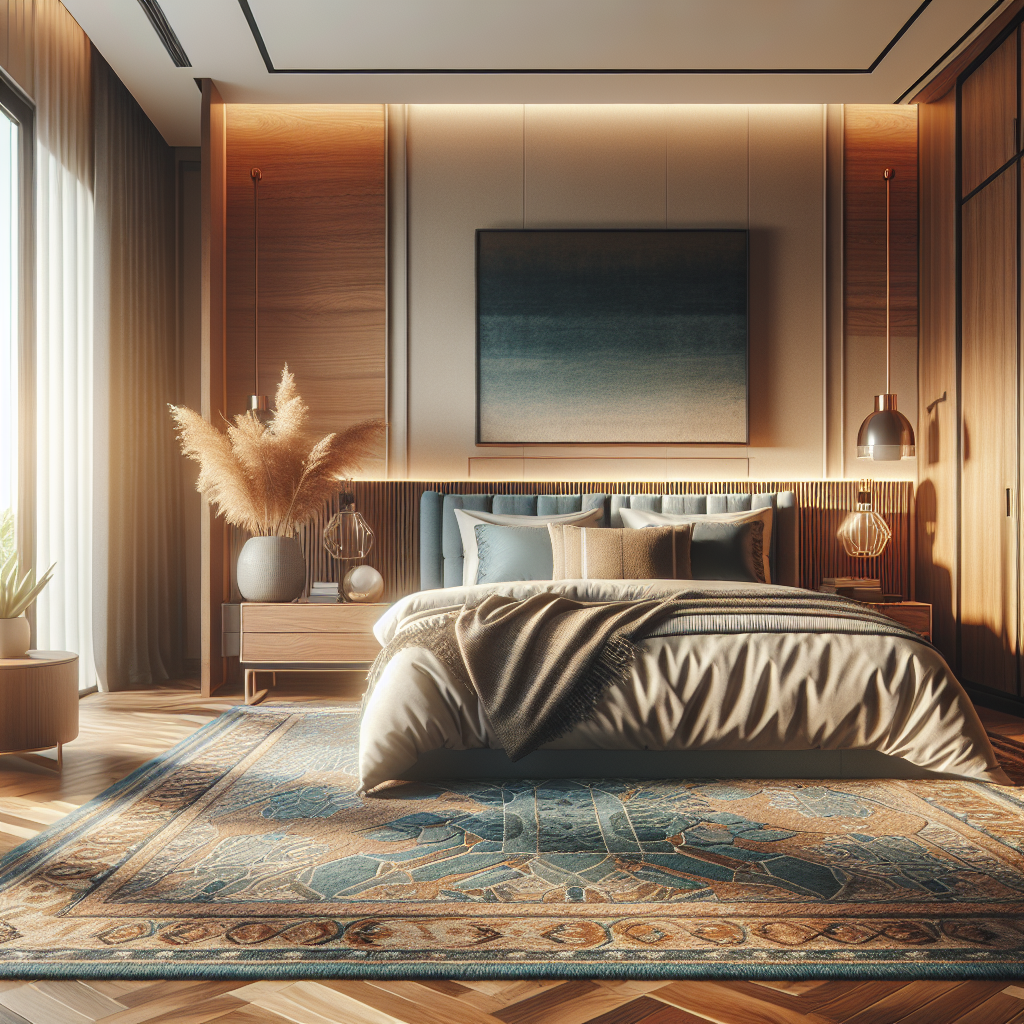

Standing barefoot on cold hardwood at 6 AM isn’t exactly the gentle wake-up call most of us hope for. That jarring sensation when your feet hit an icy floor instead of plush comfort? It’s enough to make even morning people question their life choices. If you’ve been struggling to find the perfect bedside rug size for a king bed, you’re definitely not alone in this cozy quest.
The truth is, choosing the right rug dimensions for a king-sized bedroom involves more than simply picking something “big enough.” It’s about creating visual balance, ensuring practical functionality, and establishing a foundation that makes your entire space feel intentionally designed rather than accidentally assembled.
Here’s what makes this guide different: we’re diving deep into the specific measurements, placement strategies, and styling secrets that interior designers use when working with king beds. You’ll discover the three most popular sizing approaches, learn why the “bigger is always better” myth can actually backfire, and walk away with a clear action plan for transforming your bedroom into a space that feels both luxurious and livable.
Whether you’re working with a sprawling master suite or a more modest bedroom, the principles we’ll explore will help you avoid the most common (and expensive) mistakes while creating a foundation that enhances both comfort and style.
Understanding King Bed Proportions and Room Dynamics
Before we jump into specific rug measurements, let’s establish some baseline facts about king beds and spatial relationships. A standard king bed measures 76 inches wide by 80 inches long, making it a substantial piece of furniture that demands thoughtful surrounding elements.
The challenge most homeowners face isn’t just finding a rug that fits—it’s finding one that creates proper visual weight and proportion. Think of your bedroom as a stage where each element needs to support the others. When your rug is too small, it creates visual islands that make the space feel disconnected and awkward.
The Psychology of Floor Coverage
Interior designers often reference the “grounding effect” when discussing area rugs. This principle suggests that properly sized rugs create psychological comfort by defining boundaries and establishing visual anchors within a room. For king bed owners, this effect becomes even more critical because the bed itself occupies significant visual space.
Research from the American Society of Interior Designers indicates that rooms with appropriately scaled rugs score 34% higher on comfort assessments compared to rooms with undersized floor coverings. This data reinforces what many of us instinctively feel: proportion matters deeply in creating spaces where we truly want to spend time.
Common Measurement Mistakes
One frequent error involves measuring only the bed dimensions without considering walking paths, furniture placement, and room proportions. Another mistake? Assuming that matching rug width to bed width creates ideal proportions—it rarely does.
The most successful approaches typically involve extending rug dimensions beyond the bed footprint to encompass some of the surrounding furniture and circulation space. This creates what designers call “conversation areas” even within bedrooms, establishing zones that feel purposeful and well-planned.
The Three Essential Rug Sizing Approaches for King Beds
Professional interior designers typically work with three distinct sizing strategies when selecting rugs for king-sized beds. Each approach serves different spatial needs, budget considerations, and design aesthetics.
Approach #1: The Classic 8×10 Foundation
An 8×10 rug represents the most popular choice for king bed setups, and for good reason. These dimensions provide sufficient coverage to extend approximately 12-18 inches beyond each side of the bed while offering generous foot landing space at the bed’s base.
Here’s how the measurements work out:
- King bed width: 76 inches
- 8×10 rug width: 96 inches (8 feet)
- Extension per side: 10 inches beyond bed edge
- Total foot space at base: 40 inches (over 3 feet)
This sizing works particularly well in bedrooms measuring 12×14 feet or larger, where the rug can establish a defined sleeping zone without overwhelming the available floor space. The 8×10 option also provides enough coverage to anchor nightstands, creating visual cohesion between furniture pieces.
Approach #2: The Luxurious 9×12 Statement
For larger master bedrooms or homeowners who prefer more generous coverage, a 9×12 rug creates an unmistakably luxurious foundation. This sizing extends approximately 18 inches beyond each side of the king bed and provides nearly 4.5 feet of space at the foot.
The additional coverage offers several practical advantages:
- Accommodates larger nightstands or bedside furniture
- Creates space for accent chairs or reading nooks
- Establishes a more pronounced “bedroom zone” in open-plan spaces
- Provides extra sound dampening and thermal comfort
However, this approach requires careful consideration of room proportions. In bedrooms smaller than 14×16 feet, a 9×12 rug may feel overwhelming and actually make the space appear smaller by consuming too much visual real estate.
Approach #3: The Strategic 6×9 Accent
Sometimes the best solution isn’t the biggest option. In compact bedrooms, guest rooms, or spaces with unique layouts, a 6×9 rug can provide targeted comfort without dominating the floor plan.
This approach works by positioning the rug primarily at the foot of the bed, extending several feet into the room while leaving the sides more open. The strategy creates a defined landing zone while maintaining visual breathing room around the bed’s perimeter.
Key placement guidelines for this approach:
- Position rug so it extends 6-8 inches beyond bed sides
- Ensure 18-24 inches of rug space beyond the bed’s foot
- Consider runner-style rugs (3×10 or 4×12) for very narrow rooms
Precise Placement Techniques That Interior Designers Use
Selecting the right size represents only half the equation—proper placement transforms a well-sized rug from adequate to exceptional. Professional designers rely on specific placement formulas that account for furniture relationships, traffic patterns, and visual balance.
The Foundation Principle
The most effective king bed rug placement follows what designers call the “foundation principle.” This approach positions the rug so that it extends uniformly around the bed’s perimeter, creating a visual platform that supports rather than competes with the bed frame.
Exact measurements for foundation placement:
- Equal side extensions: 12-18 inches beyond each side of the bed
- Head clearance: 6-12 inches between rug edge and headboard/wall
- Foot space: 24-36 inches extending beyond the bed’s foot
- Nightstand relationship: Front legs of nightstands should rest on the rug
This systematic approach ensures that the rug feels intentional rather than accidentally placed, while providing practical benefits like noise reduction and thermal comfort.
The Floating Island Alternative
In larger bedrooms, some designers prefer the “floating island” technique, where the rug doesn’t extend all the way to walls or other furniture pieces. This creates a defined zone around the bed while allowing surrounding elements to maintain their own visual space.
Benefits of floating placement include:
- Easier rug maintenance and cleaning
- Greater flexibility for furniture rearrangement
- Enhanced visual definition of different functional zones
- Cost savings by allowing for smaller rug dimensions
Addressing Unique Room Challenges
Not every bedroom presents a perfect rectangle with symmetrical furniture placement. Real homes include angled walls, awkward doorways, and built-in features that complicate standard placement formulas.
For rooms with challenging layouts, consider these adaptive strategies:
Angled or bay windows: Position the rug to complement the room’s dominant angles rather than fighting them. Sometimes a diamond or diagonal placement creates better flow than traditional parallel alignment.
Multiple doorways: Ensure the rug doesn’t block natural traffic patterns. It’s better to choose a smaller rug that respects circulation needs than a larger one that forces awkward navigation.
Built-in furniture: When working with built-in storage or seating, treat these elements as room boundaries and size your rug accordingly. The goal is harmony between all permanent and moveable elements.
Material and Style Considerations for King Bedroom Rugs
The perfect bedroom rug size means nothing if the material and style choices don’t align with your lifestyle and design goals. Different materials offer distinct advantages and challenges, particularly in bedroom environments where comfort, maintenance, and longevity intersect.
Natural Fiber Champions
Wool remains the gold standard for bedroom rugs, offering natural stain resistance, temperature regulation, and exceptional durability. High-quality wool rugs can maintain their appearance for decades with proper care, making them cost-effective despite higher initial investment.
Cotton provides a more budget-friendly natural option, particularly appealing for families with children or pets. Cotton rugs typically handle machine washing better than wool, though they may show wear more quickly in high-traffic applications.
Jute and sisal offer textural interest and natural appeal, but their rough surfaces make them less ideal for bare feet—a crucial consideration for bedside applications.
Synthetic Solutions
Modern synthetic materials have evolved significantly, with high-end polyester and nylon blends offering impressive durability and stain resistance. These options excel in homes with pets or allergies, as they resist moisture absorption and can withstand more aggressive cleaning protocols.
Polypropylene rugs deserve particular consideration for their fade resistance and ability to handle direct sunlight—valuable traits for bedrooms with large windows or sliding doors.
Pile Height and Texture Decisions
Pile height dramatically affects both comfort and practicality in bedroom settings. Low pile rugs (under 0.5 inches) offer easy maintenance and work well under furniture legs, but provide less cushioning for bare feet.
Medium pile options (0.5 to 0.75 inches) strike an excellent balance for most bedrooms, offering comfort without creating cleaning challenges or furniture stability issues.
High pile and shag styles provide maximum luxury but require more maintenance and may prove problematic for individuals with mobility concerns or heavy furniture pieces.
Budget-Smart Shopping Strategies and Timeline Planning
Quality king bedroom rugs represent significant investments, making strategic shopping approaches essential for maximizing both value and satisfaction. Understanding market cycles, quality indicators, and timing strategies can save hundreds of dollars while ensuring better outcomes.
Seasonal Shopping Cycles
The rug market follows predictable seasonal patterns that smart shoppers can leverage. January and February typically offer the best clearance prices as retailers clear inventory from holiday seasons. Late summer (August-September) presents another opportunity as stores prepare for fall merchandise.
End-of-line and discontinued patterns often provide exceptional value, particularly from established manufacturers who maintain quality standards even for outgoing designs.
Quality Assessment Techniques
Professional buyers use specific evaluation criteria to assess rug quality quickly and accurately. These techniques help distinguish genuine value from marketing hype:
Knot density testing: Higher knot counts generally indicate superior construction and longevity. Hand-knotted rugs with 200+ knots per square inch typically offer excellent durability.
Edge examination: Well-constructed rugs feature secure, finished edges that won’t unravel with normal use. Inspect binding quality and stitching consistency.
Backing assessment: Quality rugs use appropriate backing materials that provide stability without adding unnecessary bulk or weight.
Investment vs. Budget Calculations
When evaluating rug purchases, consider cost-per-year rather than simply upfront expense. A $800 wool rug that lasts 15 years costs approximately $53 annually, while a $200 synthetic option requiring replacement every 3 years costs $67 annually—plus the inconvenience of multiple purchases.
This calculation becomes particularly relevant for king bed rug sizes because larger dimensions increase both initial costs and replacement expenses.
Styling Integration and Color Coordination
A perfectly sized rug can still feel wrong if it doesn’t integrate smoothly with existing décor elements. Successful integration requires understanding how rugs interact with wall colors, bedding choices, and lighting conditions throughout different times of day.
The 60-30-10 Design Rule Applied
Interior designers frequently reference the 60-30-10 color distribution rule when creating balanced spaces. In bedroom applications, this typically means:
- 60% dominant neutral: Often wall color and major furniture pieces
- 30% secondary shade: Frequently bedding, window treatments, or accent furniture
- 10% pop color: Artwork, pillows, or decorative accessories
Your rug can serve any of these three roles, but knowing its intended function helps guide color and pattern selections that enhance rather than conflict with the overall design scheme.
Pattern Scale and Visual Weight
Large rugs can handle more substantial patterns without overwhelming the space, while smaller rugs typically benefit from simpler designs or smaller-scale motifs. This principle becomes especially important with king bed installations where the rug size already commands significant visual attention.
Geometric patterns tend to create more formal, structured feelings, while organic or floral designs promote relaxation and softness—considerations that may influence your choice based on the bedroom’s intended mood.
Lighting Interaction Factors
Natural and artificial lighting dramatically affect rug appearance throughout the day. Colors that appear rich and vibrant in showroom fluorescent lighting may look markedly different under your bedroom’s warm LED fixtures or natural window light.
Request samples for home evaluation whenever possible, and examine them during both daytime and nighttime lighting conditions before making final decisions.
Maintenance and Longevity Maximization
Proper care extends rug lifespan significantly while maintaining the aesthetic and comfort benefits that justified the original investment. Different materials and constructions require specific maintenance approaches for optimal results.
Preventive Care Strategies
The most effective rug care happens before problems develop. Strategic prevention saves both time and money while preserving appearance and functionality:
Rotation schedules: Rotating large rugs every 6-8 months ensures even wear patterns and prevents premature aging in high-traffic areas.
Furniture pad usage: Quality furniture pads distribute weight and prevent indentations from bed frames and nightstands.
Immediate spill response: Blotting (never rubbing) liquid spills within minutes prevents permanent staining in most materials.
Professional vs. DIY Cleaning
Understanding when to attempt home cleaning versus professional intervention protects your investment and ensures optimal results. Generally, surface cleaning and routine maintenance can be handled at home, while deep cleaning and stain treatment benefit from professional expertise.
Most experts recommend professional cleaning annually for bedroom rugs, with more frequent attention for homes with pets or individuals with allergies.
Storage and Seasonal Considerations
For households that rotate seasonal rugs or store pieces during moves, proper storage prevents damage and extends usable life. Roll rugs rather than folding to prevent crease damage, and store in pest-free environments with stable temperature and humidity levels.
Troubleshooting Common King Bed Rug Problems
Even well-planned rug installations sometimes create unexpected challenges. Understanding common issues and their solutions helps address problems quickly before they become permanent frustrations.
Rug Sliding and Bunching Issues
Large rugs under king beds are particularly susceptible to sliding, especially on smooth flooring surfaces. This creates safety hazards and aesthetic disruption that undermines the rug’s benefits.
Effective solutions include:
- High-quality rug pads sized slightly smaller than the rug dimensions
- Double-sided carpet tape for persistent problem areas
- Furniture weight distribution adjustments
- Professional rug pad installation for valuable pieces
Scale and Proportion Corrections
Sometimes rugs that seemed perfect in the store feel wrong once installed. Before assuming you’ve made a costly mistake, try these adjustment techniques:
Furniture repositioning: Moving nightstands, adding accent chairs, or adjusting lamp placement can dramatically alter how rug size feels within the space.
Visual boundary creation: Adding complementary smaller rugs in adjoining spaces can make a bedroom rug feel more proportionally appropriate.
Layering strategies: Smaller accent rugs layered over larger neutral foundations create visual interest while addressing size concerns.
Color and Style Integration Challenges
When existing rugs clash with décor changes or new purchases, consider these salvage strategies before replacement:
Accessory adjustments often resolve minor color conflicts more economically than rug replacement. New throw pillows, artwork, or lamp shades can bridge color gaps and create harmony.
Temporary solutions like strategically placed furniture or decorative elements can buy time for more permanent resolutions while testing different approaches.
Alternative Approaches and Creative Solutions
Traditional single-rug approaches don’t work for every space or lifestyle. Creative alternatives can deliver similar benefits while addressing unique challenges or preferences.
Multiple Rug Configurations
Using two or three coordinated rugs instead of one large piece offers flexibility and can solve challenging room layouts:
Twin runners: Matching 3×8 or 4×10 rugs positioned along each side of the bed provide targeted foot comfort while leaving the center open.
Coordinated groupings: A larger rug at the bed’s foot combined with smaller accent rugs near seating areas creates defined zones within larger bedrooms.
Layered installations: A large neutral base rug topped with smaller patterned or textured pieces adds visual interest and allows for seasonal changes.
Non-Traditional Materials and Shapes
Standard rectangular rugs aren’t the only option for king bedroom applications. Round rugs can soften angular furniture arrangements, while custom cuts accommodate unusual room shapes or built-in features.
Natural fiber mats, vintage textiles, and even high-quality outdoor rugs offer unique aesthetic possibilities while potentially providing budget advantages.
Temporary and Seasonal Strategies
For renters, frequent movers, or individuals who enjoy regular décor changes, temporary rug solutions provide comfort and style without long-term commitment:
Modular rug tiles allow custom sizing and easy replacement of damaged sections. Quality options offer surprising comfort and aesthetic appeal while providing maximum flexibility.
Seasonal rotation between different sized pieces can refresh room appearance while addressing changing needs throughout the year.
Frequently Asked Questions
What size rug is best for a king bed in a 12×14 room?
For a 12×14 bedroom with a king bed, an 8×10 rug typically provides the ideal balance of coverage and proportion. This size extends approximately 12 inches beyond each side of the bed while leaving adequate walkway space around the room’s perimeter. Larger rugs may overwhelm the space, while smaller options can make the bed appear to float awkwardly.
Should a bedroom rug go under the entire king bed or just partially?
The most successful approach positions the rug so that it extends beyond all sides of the bed, creating a foundation effect. The rug should extend 12-18 inches beyond the bed’s sides and 24-36 inches beyond the foot. This creates visual cohesion and provides comfortable foot landing space while anchoring nightstands within the design scheme.
How much should I expect to spend on a quality rug for a king bedroom?
Quality rugs for king bedrooms typically range from $300-2000, depending on material, construction, and brand. Wool rugs in the 8×10 size range from $600-1200 for good quality options, while synthetic alternatives start around $200-400. Consider cost-per-year rather than upfront expense, as higher-quality rugs often provide better long-term value.
Can I use a 6×9 rug with a king bed, or is it too small?
A 6×9 rug can work with a king bed in smaller rooms or when positioned primarily at the foot of the bed. This approach provides targeted comfort zones without overwhelming compact spaces. However, ensure the rug extends at least 6 inches beyond the bed’s sides and provides 18-24 inches of coverage beyond the foot for optimal functionality.
What’s the difference between 8×10 and 9×12 rugs for king beds?
An 8×10 rug provides adequate coverage for most king bed installations, extending about 12 inches beyond each side. A 9×12 rug offers more luxurious coverage with 18 inches of extension per side and nearly 4.5 feet at the foot. Choose 9×12 for larger bedrooms (14×16 feet or more) or when incorporating additional seating areas within the rug boundary.
How do I prevent a large bedroom rug from sliding under my king bed?
Rug sliding prevention requires a high-quality rug pad sized slightly smaller than your rug dimensions. For persistent sliding, combine rug pads with double-sided carpet tape at strategic points. Ensure furniture weight is distributed evenly across the rug, and consider professional rug pad installation for valuable pieces or particularly problematic floors.
Should the rug match the bedding or the wall color?
Rather than matching exactly, aim for coordination within your overall color scheme. Use the 60-30-10 rule where your rug can serve as the dominant neutral (60%), secondary color (30%), or accent element (10%). Consider how the rug interacts with all room elements including walls, bedding, and furniture rather than matching just one component.
Is wool or synthetic better for king bedroom rugs?
Wool offers superior durability, natural stain resistance, and temperature regulation, making it ideal for long-term bedroom use. Synthetic options provide better stain resistance and easier maintenance, particularly beneficial for homes with pets or children. Consider your lifestyle, budget, and maintenance preferences when choosing between materials, as both can provide excellent results when properly selected and cared for.
Creating Your Perfect King Bedroom Foundation
The journey from bedside rug blues to bedroom bliss doesn’t require expensive mistakes or design degree expertise. Armed with specific measurements, proven placement principles, and realistic material knowledge, you can confidently select and install a rug for your king bed that enhances both daily comfort and long-term satisfaction.
Remember that the perfect rug size isn’t just about covering floor space—it’s about creating intentional harmony between your bed, furniture, and overall room proportions. Whether you choose the classic 8×10 approach, splurge on a luxurious 9×12 foundation, or get creative with alternative configurations, success comes from understanding your specific space and lifestyle needs.
The most important takeaway? Start with accurate room measurements, consider your daily routines, and don’t rush the decision. A thoughtfully chosen rug will serve as your bedroom foundation for years to come, making those early morning foot landings something to anticipate rather than dread.
Take time to evaluate your space using the guidelines we’ve covered, and trust yourself to recognize when something feels right. Your future self—the one stepping onto plush comfort instead of cold floors—will definitely thank you for the effort.
—
####
Content Disclaimer
The information provided in this article is for educational and general guidance purposes only. Interior design preferences, room dimensions, and lifestyle needs vary significantly among individuals and homes. While the recommendations presented here reflect commonly accepted design principles and industry standards, your specific situation may require different approaches or professional consultation. Rug dimensions, materials, and placement strategies should be evaluated based on your unique space, budget, and functional requirements. We recommend measuring carefully, considering your specific needs, and consulting with interior design professionals when making significant home décor investments. Results may vary based on individual circumstances, room configurations, and personal preferences.
Categories
- Accent Walls & Ceilings (84)
- Art Curation & Gallery (83)
- Bedding Style Trends (89)
- Bedroom Makeover (96)
- Bohemian & Eclectic Styles (80)
- DIY & Budget-Friendly Decor (78)
- Eco-Friendly Design (83)
- Furniture Care (87)
- Home Decor & Design Ideas (181)
- Home Wellness Spaces (103)
- Integrated Outdoor Living (91)
- Japandi Style (84)
- Kids and Nursery Decor (73)
- Living Room Decor (99)
- Mix & Match Techniques (95)
- Modern & Contemporary Design (88)
- Rug Sizing & Placement (89)
- Scandinavian Design Inspiration (51)
- Seasonal Home Decor (100)
- Small Space Solutions (93)
- Wall Art & Painting Tips (94)
Recent Comments
Archives
Product Gallery
-
 Majestic African Wildlife Canvas Art for Stylish Home Decor
Rated 5.00 out of 5
Majestic African Wildlife Canvas Art for Stylish Home Decor
Rated 5.00 out of 5 -
 Cozy Irregular Green Plush Rug for Nordic Living Spaces
Rated 5.00 out of 5$44.23 – $278.89Price range: $44.23 through $278.89
Cozy Irregular Green Plush Rug for Nordic Living Spaces
Rated 5.00 out of 5$44.23 – $278.89Price range: $44.23 through $278.89 -
 Scandinavian Geometric Area Rugs for Stylish Home Décor
Rated 5.00 out of 5$33.15 – $502.10Price range: $33.15 through $502.10
Scandinavian Geometric Area Rugs for Stylish Home Décor
Rated 5.00 out of 5$33.15 – $502.10Price range: $33.15 through $502.10