
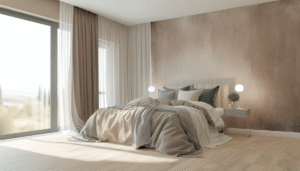

Minimalist Bedroom Redesign for Anxiety Relief: Creating a Calm Space

Your bedroom should be your sanctuary, but if you’re lying awake at 2 AM with racing thoughts while staring at clutter-covered surfaces, your space might be fueling your anxiety instead of soothing it. A minimalist bedroom redesign for anxiety relief isn’t just about following design trends—it’s about creating an environment that actively supports your mental health and promotes restorative sleep.
The connection between our physical environment and mental well-being runs deeper than most people realize. When UCLA researchers studied families’ homes, they found that women living in cluttered spaces had higher cortisol levels throughout the day. Your bedroom, meant to be your most private retreat, can either serve as a stress-reducing haven or an anxiety-amplifying obstacle to peaceful rest.
This comprehensive guide will walk you through evidence-based strategies to transform your bedroom into a minimalist sanctuary designed specifically for anxiety relief. You’ll discover how to declutter strategically, choose calming color palettes, optimize lighting for better sleep, and arrange furniture to promote tranquility. By the end, you’ll have a clear roadmap to create a bedroom that works as hard as you do to keep anxiety at bay.
We’ll explore practical decluttering methods that go beyond surface-level tidying, delve into the psychology of color and lighting for anxiety management, and provide specific product recommendations that won’t break your budget. Whether you’re dealing with generalized anxiety, sleep troubles, or simply want a more peaceful bedroom environment, these minimalist design principles will help you build a space that truly supports your well-being.
The Science Behind Minimalist Bedrooms and Anxiety Reduction
Understanding why minimalism works for anxiety relief starts with recognizing how our brains process visual information. When you walk into a cluttered room, your brain immediately begins cataloging and processing every visible item. This creates what researchers call “visual overload”—a state where your cognitive resources are constantly engaged in low-level processing, leaving less mental energy for relaxation and stress recovery.
Dr. Sherrie Bourg Carter, author of “High Octane Women,” explains that clutter bombards our minds with excessive stimuli, causes our senses to work overtime on stimuli that aren’t necessary or important, and inhibits creativity and productivity. In bedroom environments specifically, this visual noise can prevent the mental downshift necessary for quality sleep.
A study published in the Journal of Environmental Psychology found that people in organized, minimalist rooms were more likely to choose healthy snacks and donate to charity compared to those in disorganized spaces. This suggests that our physical environment directly influences our decision-making processes and overall mental state. When applied to bedroom design, these findings indicate that minimalist spaces can promote better choices for sleep hygiene and stress management.
The Cortisol Connection
Your body’s stress response system doesn’t distinguish between a messy room and a genuine threat. When visual clutter triggers your sympathetic nervous system, cortisol levels rise, making it harder to achieve the calm state necessary for restorative sleep. Minimalist bedrooms help break this cycle by reducing environmental stressors that keep your body in a heightened state of alertness.
Research from Harvard Medical School shows that cortisol levels naturally dip in the evening to prepare your body for sleep. However, environmental stressors—including visual clutter—can interfere with this natural rhythm. By creating a minimalist bedroom environment, you’re removing obstacles that prevent your body’s natural relaxation response from occurring.
Cognitive Load Theory in Practice
Cognitive Load Theory, developed by educational psychologist John Sweller, explains how our brains process information most efficiently. When your bedroom contains excessive visual elements, your brain must allocate cognitive resources to process this information, even during rest periods. Minimalist design reduces this cognitive load, freeing up mental energy for relaxation and anxiety management.
This principle becomes particularly important during evening hours when your brain needs to transition from daily stressors to sleep preparation. A visually simple bedroom environment supports this transition by minimizing distracting stimuli that could trigger anxious thoughts or prevent mental relaxation.
Essential Elements of Anxiety-Reducing Minimalist Bedroom Design
Creating an effective minimalist bedroom for anxiety relief requires more than simply removing items from your space. The most successful anxiety-reducing bedrooms incorporate specific design elements that work together to promote calm, reduce stress triggers, and support healthy sleep patterns.
The Power of Negative Space
Negative space—the empty areas in your room—serves as visual breathing room for your mind. Interior designers recommend that 60-70% of your bedroom should remain unoccupied by furniture or decor. This generous use of negative space creates a sense of openness that many people find inherently calming.
When planning your minimalist bedroom redesign, consider negative space as an active design element rather than leftover area. Strategic placement of furniture can create purposeful empty zones that guide your eye through the room in a peaceful, non-jarring way. This visual flow supports mental relaxation by eliminating the stop-start eye movement patterns that cluttered spaces often create.
Intentional Furniture Selection
Every piece of furniture in your minimalist bedroom should serve a clear purpose related to sleep, rest, or essential storage. The key is choosing items with clean lines, simple forms, and calming proportions. Avoid furniture with busy details, excessive ornmentation, or angular designs that might create visual tension.
Platform beds work particularly well in minimalist anxiety-relief bedrooms because they create a low, grounded feeling that many people find psychologically comforting. Storage ottomans, floating nightstands, and built-in wardrobes help maintain clean lines while providing necessary functionality without visual clutter.
Consider the psychological impact of your furniture arrangement as well. Positioning your bed so you can see the door while lying down (but not directly in line with it) creates a sense of security that can reduce nighttime anxiety. This principle, borrowed from the ancient practice of feng shui, has psychological backing in research about environmental control and anxiety reduction.
Strategic Storage Solutions
Effective storage is crucial for maintaining a minimalist bedroom that stays clutter-free long-term. Hidden storage options—such as under-bed drawers, behind-door organizers, and inside-furniture compartments—keep necessary items accessible while maintaining visual simplicity.
The key is creating homes for everything so that tidying becomes effortless rather than overwhelming. When items don’t have designated places, they tend to accumulate on surfaces, gradually recreating the visual chaos you’re trying to eliminate. Invest in storage solutions that make organization feel natural rather than forced.
Color Psychology for Anxiety-Free Sleep Environments
Color profoundly affects our psychological and physiological responses, making palette selection crucial for anxiety-reducing bedroom design. Research in environmental psychology shows that certain colors can lower blood pressure, reduce cortisol levels, and promote the mental state necessary for restorative sleep.
The Calming Power of Cool Hues
Cool colors—blues, greens, and soft purples—have been scientifically proven to reduce anxiety and promote relaxation. A study by the University of Sussex found that blue environments reduced stress levels by 60%, making it an excellent choice for anxiety-prone individuals. These colors work by triggering parasympathetic nervous system responses associated with rest and recovery.
Soft blue-gray tones work particularly well in minimalist bedrooms because they provide calming properties without being so saturated that they become visually demanding. Sage green offers similar benefits while creating a connection to nature that many people find inherently soothing. Lavender and soft purple tones can promote sleep quality, though they should be used sparingly to maintain the minimalist aesthetic.
The Minimalist Approach to Warm Colors
While warm colors are often avoided in anxiety-reducing spaces, certain warm tones can actually promote comfort when used thoughtfully. Soft, muted versions of typically energizing colors—such as dusty rose, warm gray, or cream—can create coziness without overstimulation.
The key is choosing warm colors with lower saturation levels. High-saturation reds and oranges can increase arousal and anxiety, but their muted counterparts often promote feelings of security and warmth. These colors work best as accent elements rather than dominant palette choices in anxiety-reducing bedrooms.
Neutral Foundations for Long-Term Calm
Neutral color palettes form the backbone of most successful minimalist bedrooms designed for anxiety relief. Whites, grays, beiges, and soft taupes create a timeless foundation that won’t become visually tiresome over time. These colors also provide psychological benefits by not demanding attention or triggering strong emotional responses.
The most effective approach involves choosing one neutral as your primary color (covering 60-70% of the space), selecting a second neutral for contrast and depth (20-30% of the space), and adding a single calming accent color for visual interest (5-10% of the space). This proportion creates visual harmony while maintaining the simplicity essential to minimalist design.
Lighting Strategies That Combat Evening Anxiety
Lighting plays a crucial role in anxiety management because it directly affects your circadian rhythms and melatonin production. Poor lighting choices can sabotage even the most thoughtfully designed minimalist bedroom by creating harsh shadows, glare, or inappropriate brightness levels for different times of day.
Layered Lighting Systems
Effective bedroom lighting requires multiple sources that can be adjusted based on your needs and the time of day. Overhead lighting provides general illumination but should be dimmable to avoid harsh evening brightness. Task lighting—such as reading lamps—offers focused illumination for specific activities. Ambient lighting creates overall mood and atmosphere conducive to relaxation.
The key is creating smooth transitions between lighting levels rather than harsh on-off switches that can trigger stress responses. Dimmer switches, multiple light sources, and gradual lighting changes help your body naturally prepare for sleep while reducing the jarring environmental changes that can spike anxiety levels.
Circadian Rhythm Support
Your body’s internal clock relies heavily on lighting cues to regulate sleep-wake cycles. Exposure to blue light in the evening can suppress melatonin production and make it harder to fall asleep, while warm, dim lighting supports natural sleep preparation processes.
Smart bulbs that automatically adjust color temperature throughout the day can support healthy circadian rhythms without requiring constant manual adjustments. These bulbs provide energizing daylight-balanced light in the morning and gradually shift to warmer, dimmer tones as evening approaches.
Research from Harvard Medical School suggests that exposure to any unnecessary light during sleep can disrupt sleep quality and affect next-day mood. Blackout curtains, eye masks, and elimination of electronic device lights help create the darkness necessary for deep, anxiety-reducing sleep.
Natural Light Optimization
Natural light exposure, particularly in the morning, helps regulate cortisol levels and supports healthy sleep patterns. Position your bed so you can receive natural light exposure upon waking, but ensure you have adequate light control for evening hours and weekend sleeping in.
Sheer curtains can provide privacy while allowing beneficial natural light to enter your space. For rooms with limited natural light, light therapy lamps can provide similar benefits, particularly during winter months when seasonal affective symptoms might compound anxiety issues.
Decluttering Methods That Stick: Beyond Marie Kondo
Successful decluttering for anxiety relief requires strategies that address both the immediate need for a calmer space and the long-term maintenance necessary to prevent re-accumulation. The most effective approaches focus on psychological barriers to letting go and systems that prevent future clutter buildup.
The Anxiety-Specific Decluttering Approach
Traditional decluttering methods often increase anxiety in the short term by forcing decisions about possessions that might trigger attachment fears or future-oriented worries. An anxiety-specific approach breaks down decisions into smaller, less overwhelming categories while addressing the underlying emotions that make letting go difficult.
Start with items that clearly don’t belong in the bedroom—paperwork, kitchen items, tools, or anything related to work. These decisions typically feel easier because the items have obvious homes elsewhere. Next, address duplicates or items you haven’t used in the past year. Save sentimental items and “just in case” possessions for last when you’ve built confidence through easier decisions.
The “one-touch rule” can prevent decision fatigue during decluttering sessions. When you pick up an item, decide immediately whether to keep, donate, or discard it. Setting a timer for 15-20 minute decluttering sessions prevents the overwhelming feeling that can derail progress and increase anxiety.
Category-Based Organization
Rather than decluttering by room area, organize by category to see exactly how much of each item type you own. Gathering all your books, clothes, or decorative objects in one place often reveals redundancies that weren’t obvious when items were scattered throughout the room.
This method also helps identify your actual preferences rather than imagined ones. You might discover you rarely wear certain colors or styles, making it easier to let go of items that don’t align with your actual lifestyle. For anxiety sufferers, this approach provides concrete evidence that reduces the “what if I need it” worry that often prevents successful decluttering.
Maintenance Systems for Long-Term Success
The most beautifully minimalist bedroom will become cluttered again without systems to maintain order. The “one in, one out” rule prevents accumulation by requiring you to remove an item whenever you bring something new into the space. This approach works particularly well for clothes, books, and decorative objects.
Weekly five-minute resets help maintain order without creating overwhelming maintenance tasks. Set a timer and quickly return items to their designated homes, clear surfaces, and address any new accumulation before it becomes problematic. This regular maintenance prevents the build-up that can trigger anxiety and require major reorganization sessions.
Textiles and Materials for Sensory Calm
The materials and textures in your bedroom directly affect your sensory experience and can either promote relaxation or create subtle stress you might not consciously notice. Choosing appropriate textiles and materials for anxiety relief involves considering both visual simplicity and tactile comfort.
Natural Fiber Benefits
Natural fibers like cotton, linen, bamboo, and wool often provide better temperature regulation and breathability than synthetic materials. For anxiety sufferers who may be sensitive to feeling overheated or uncomfortable during sleep, these materials can prevent the physical discomfort that might contribute to restless nights or early morning anxiety.
Organic cotton bedding eliminates concerns about chemical treatments that might affect sensitive individuals. Linen sheets provide a relaxed, lived-in feeling that many people find psychologically comforting, while bamboo offers moisture-wicking properties that help maintain comfortable sleep temperatures.
The key is choosing materials that feel good against your skin and don’t require special care that might create additional stress. High-maintenance fabrics that need professional cleaning or special washing instructions can turn bedroom textiles into a source of anxiety rather than comfort.
Texture Choices for Visual Calm
Minimalist design doesn’t mean eliminating all texture, but rather choosing textures that enhance rather than complicate your space’s peaceful feeling. Smooth, consistent textures generally feel more calming than busy patterns or highly varied surfaces that can create visual noise.
Limit yourself to 2-3 different textures in your bedroom to maintain visual simplicity while adding tactile interest. For example, you might combine smooth cotton sheets with a chunky knit throw and a jute area rug. This provides variety without creating the busy feeling that can interfere with relaxation.
Pattern Guidelines for Anxiety Relief
Patterns can add visual interest to minimalist bedrooms, but choosing the right ones is crucial for maintaining the calm atmosphere you’re trying to create. Large-scale, simple patterns generally feel more restful than small, busy ones that require visual processing.
Geometric patterns with clean lines and generous spacing between elements work well in minimalist anxiety-reducing bedrooms. Natural patterns—such as subtle wood grain or stone textures—can provide visual interest while maintaining the connection to nature that many people find inherently calming.
Avoid patterns with high contrast, busy details, or associations with energy and movement. Save bold patterns for other areas of your home and choose subtle, restful designs for your bedroom sanctuary.
Technology Integration for Better Sleep and Reduced Screen Time
While minimalist principles often suggest eliminating technology from the bedroom, strategic technology use can actually support anxiety relief and better sleep when implemented thoughtfully. The key is choosing devices and apps that enhance relaxation rather than provide stimulation or connection to stressful outside concerns.
Sleep-Supporting Technology
White noise machines, sleep tracking devices, and meditation apps can support the anxiety-relief goals of your minimalist bedroom when used appropriately. Choose devices with simple, unobtrusive designs that don’t create visual clutter or emit disruptive lights during sleep hours.
Smart thermostats help maintain the optimal sleep temperature (typically 60-67°F) without requiring manual adjustments that might interrupt your wind-down routine. Air purifiers with quiet operation can improve air quality while providing subtle white noise that masks disruptive environmental sounds.
Sleep tracking can provide valuable insights into how your bedroom changes affect your sleep quality, but choose devices that don’t require you to interact with screens during bedtime hours. Wearable trackers or under-mattress sensors often work better than phone-based sleep apps that might tempt you to check other notifications.
Creating Technology Boundaries
Establishing clear boundaries around technology use in your minimalist bedroom helps preserve its function as an anxiety-relief sanctuary. Consider implementing a “no phones after 9 PM” rule or creating a charging station outside the bedroom to reduce the temptation to scroll through social media or news when you should be winding down.
If you must keep a phone in your bedroom for emergency purposes, use airplane mode with alarm-only functionality to eliminate the ping notifications that can trigger anxiety. Blue light filtering glasses or apps can reduce the sleep-disrupting effects of any necessary screen time during evening hours.
Analog Alternatives
Many bedroom functions that typically rely on technology can be replaced with analog alternatives that support your minimalist aesthetic while reducing electronic stimulation. Traditional alarm clocks, paper books instead of e-readers, and analog white noise (like a small fan) can provide necessary functions without screens or digital interfaces.
These analog choices often create a more intentionally calming bedtime routine because they don’t offer the distractions and rabbit holes that digital devices can provide. Reading a physical book naturally leads to drowsiness in ways that screen-based reading often doesn’t, supporting your bedroom’s primary function as a sleep sanctuary.
Budget-Friendly Implementation Strategies
Creating a minimalist bedroom for anxiety relief doesn’t require expensive furniture or complete room overhauls. Many of the most effective changes involve rearranging existing items, making strategic small purchases, or DIY solutions that cost very little but provide significant psychological benefits.
The Power of Rearrangement
Simply rearranging your existing furniture can dramatically change your room’s energy and functionality without spending money. Moving your bed away from direct view of the door (while still allowing you to see it) can increase feelings of security. Clearing all items from the top of your dresser creates immediate visual calm that costs nothing but time.
Experiment with furniture placement to maximize natural light and create clear pathways through the room. Sometimes the difference between an anxiety-provoking and anxiety-reducing bedroom is as simple as rotating your bed 90 degrees or moving a chair to create more open floor space.
Use items you already own in new ways before purchasing anything new. A decorative bowl can become a catch-all for jewelry or small items. Books can be stored spine-in to create a more uniform, calming appearance. Extra pillows can be stored in a closet and brought out only when needed, reducing visual clutter on the bed.
Strategic Small Investments
When you do need to purchase items, focus on changes that provide the biggest impact for your investment. A single high-quality pillow might improve your sleep more than expensive artwork. Blackout curtains can dramatically improve sleep quality and create a more minimalist appearance than multiple decorative window treatments.
Paint offers one of the best return-on-investment changes for bedroom environments. A single gallon of calming paint color can completely transform your space’s psychological impact. Choose colors that you won’t tire of quickly—neutral tones typically provide more long-term satisfaction than trendy colors that might become visually annoying.
Quality hangers can make your closet look more organized and peaceful, reducing the visual chaos that spills into your bedroom space. Under-bed storage boxes help maintain your room’s minimalist appearance while providing practical organization that supports tidiness.
DIY Solutions for Organization
Many effective minimalist bedroom solutions can be created with basic materials and simple tools. Floating shelves made from simple brackets and wood boards provide storage and display space without the visual weight of traditional furniture. Mason jars or small bowls can organize jewelry or small items in dresser drawers.
Repurposing items from other areas of your home often provides free organization solutions. Shoe boxes covered with attractive paper can become drawer organizers. Baskets from other rooms can provide bedside storage that’s easily moved when not needed.
Simple sewing projects—like removing busy trim from existing pillows or hemming curtains to the right length—can help existing items better fit your new minimalist aesthetic without requiring complete replacement.
Maintaining Your Anxiety-Relief Sanctuary Long-Term
The most beautifully designed minimalist bedroom will lose its anxiety-reducing benefits if it’s not properly maintained over time. Successful long-term maintenance requires both systems to prevent re-cluttering and strategies to refresh your space periodically without abandoning minimalist principles.
Daily Habits for Lasting Calm
Building simple daily habits helps maintain your bedroom’s peaceful atmosphere without creating overwhelming maintenance tasks. Making your bed each morning creates an immediate sense of order that sets a calm tone for the entire day. This small act also provides a sense of accomplishment that can help manage morning anxiety.
The “two-minute rule” works well for bedroom maintenance: if something takes less than two minutes to put away or clean, do it immediately rather than letting it accumulate. This prevents the small messes that gradually erode your space’s calming effect.
Evening tidying as part of your wind-down routine serves dual purposes—maintaining your space while creating a calming transition activity before sleep. Returning items to their homes, clearing surfaces, and straightening textiles takes just a few minutes but reinforces your bedroom’s role as a peaceful sanctuary.
Seasonal Refresh Strategies
Periodically refreshing your minimalist bedroom helps maintain its psychological benefits without adding clutter or complexity. Seasonal changes might involve swapping heavier bedding for lighter textiles, rotating a single decorative object, or rearranging furniture to optimize natural light as sun angles change.
Use seasonal transitions as opportunities to reassess what’s working and what isn’t in your space. You might discover that certain items you thought were essential haven’t been used in months, making them candidates for removal. Or you might identify small improvements that would enhance your bedroom’s anxiety-reducing properties.
The key is making small, intentional changes rather than major overhauls that can recreate the decision fatigue and overwhelm you’re trying to avoid. One new pillow, a different arrangement of existing items, or a single new plant can provide freshness without abandoning your minimalist foundation.
Preventing Anxiety-Inducing Accumulation
Clutter has a tendency to accumulate gradually, often below the threshold of conscious awareness until it reaches levels that negatively impact your mental state. Regular “clutter checks” help identify accumulation before it becomes problematic.
Monthly five-minute assessments can catch problems early: Are surfaces starting to collect items? Has clothing begun accumulating on chairs or dressers? Are items appearing that don’t have designated homes? Addressing these issues promptly prevents the larger organizing sessions that can feel overwhelming.
Create “clutter boundaries” by designating specific surfaces that must remain clear at all times. Your nightstand tops, dresser surfaces, or the area around your bed might be designated clutter-free zones that get immediate attention if items start accumulating there.
How long does it take to create a minimalist bedroom for anxiety relief?
The initial decluttering and reorganization typically takes one weekend, but the psychological benefits often begin within the first day. Full adjustment to your new peaceful space usually occurs within 2-3 weeks as you develop new habits and your nervous system adapts to the calmer environment.
Can a minimalist bedroom work for families with children?
Yes, minimalist bedrooms can work for families, but they require more intentional storage solutions and consistent maintenance routines. Focus on hidden storage options and teach children the importance of returning items to their designated homes immediately after use.
What’s the biggest mistake people make when creating minimalist bedrooms?
The most common mistake is focusing only on removing items without addressing the underlying systems that led to clutter accumulation. Successful minimalist bedrooms require both decluttering and new organizational habits to prevent re-accumulation.
How do I maintain minimalism when I have a lot of clothes?
Focus on keeping only clothing you actively wear and love, using space-efficient storage solutions like slimline hangers, and implementing a “one in, one out” policy. Consider seasonal clothing rotation to reduce visible volume while maintaining necessary variety.
Will a minimalist bedroom feel too stark or cold?
A well-designed minimalist bedroom should feel calm and peaceful, not cold or stark. Incorporate natural textures, warm lighting, and a few carefully chosen decorative elements to create warmth while maintaining simplicity.
Can minimalist design help with sleep problems beyond anxiety?
Yes, minimalist bedroom design can help with various sleep issues including insomnia, restless sleep, and difficulty winding down. The visual simplicity reduces cognitive stimulation while proper lighting and organization support healthy sleep hygiene practices.
How often should I declutter to maintain my minimalist bedroom?
Brief daily tidying (2-5 minutes), weekly surface clearing, and monthly assessments usually maintain a minimalist bedroom effectively. Major decluttering sessions should only be necessary every 6-12 months if you maintain good daily habits.
What should I do with sentimental items in a minimalist bedroom?
Keep only the most meaningful sentimental items in your bedroom, displaying them intentionally rather than scattered throughout the space. Consider creating a memory box for excess sentimental items that can be stored elsewhere while keeping your bedroom peaceful.
Conclusion: Your Journey to Bedroom Sanctuary
Creating a minimalist bedroom redesign for anxiety relief represents more than interior design—it’s an investment in your mental health and sleep quality that pays dividends every single night. The strategies we’ve explored, from strategic decluttering to calming color choices, work together to create an environment that actively supports your well-being rather than undermining it.
Remember that transformation doesn’t happen overnight, and your perfect minimalist bedroom might look different from anyone else’s. The key is creating a space that feels peaceful to you, supports your specific anxiety management needs, and promotes the restorative sleep that’s crucial for mental health. Focus on progress rather than perfection, and celebrate the small improvements that collectively create a dramatically calmer environment.
Start with the changes that feel most manageable—perhaps clearing your nightstand surfaces or switching to softer lighting in the evening. As you experience the psychological benefits of these initial modifications, you’ll likely find motivation to tackle larger projects like comprehensive decluttering or color scheme changes.
Your bedroom should be the one place where you can completely let your guard down and trust that you’re in a safe, peaceful environment. By implementing these minimalist design principles thoughtfully and consistently, you’re creating exactly that kind of sanctuary—a space that works as hard as you do to keep anxiety at bay and promote the deep, restorative sleep that makes everything else in life more manageable.
—
####
Content Disclaimer
The information provided in this article is for educational purposes only and is not intended to replace professional medical advice, diagnosis, or treatment for anxiety disorders or sleep problems. Individual results may vary based on personal circumstances, existing health conditions, and specific anxiety triggers. If you’re experiencing severe anxiety or sleep disturbances that significantly impact your daily life, please consult with a qualified healthcare provider or mental health professional. While environmental changes can support mental wellness, they should complement rather than replace appropriate medical care when needed.
Categories
- Accent Walls & Ceilings (84)
- Art Curation & Gallery (83)
- Bedding Style Trends (89)
- Bedroom Makeover (96)
- Bohemian & Eclectic Styles (80)
- DIY & Budget-Friendly Decor (78)
- Eco-Friendly Design (83)
- Furniture Care (87)
- Home Decor & Design Ideas (181)
- Home Wellness Spaces (103)
- Integrated Outdoor Living (91)
- Japandi Style (84)
- Kids and Nursery Decor (73)
- Living Room Decor (99)
- Mix & Match Techniques (95)
- Modern & Contemporary Design (88)
- Rug Sizing & Placement (89)
- Scandinavian Design Inspiration (51)
- Seasonal Home Decor (100)
- Small Space Solutions (93)
- Wall Art & Painting Tips (94)
Recent Comments
Archives
Product Gallery
-
 Majestic African Wildlife Canvas Art for Stylish Home Decor
Rated 5.00 out of 5
Majestic African Wildlife Canvas Art for Stylish Home Decor
Rated 5.00 out of 5 -
 Cozy Irregular Green Plush Rug for Nordic Living Spaces
Rated 5.00 out of 5$44.23 – $278.89Price range: $44.23 through $278.89
Cozy Irregular Green Plush Rug for Nordic Living Spaces
Rated 5.00 out of 5$44.23 – $278.89Price range: $44.23 through $278.89 -
 Scandinavian Geometric Area Rugs for Stylish Home Décor
Rated 5.00 out of 5$33.15 – $502.10Price range: $33.15 through $502.10
Scandinavian Geometric Area Rugs for Stylish Home Décor
Rated 5.00 out of 5$33.15 – $502.10Price range: $33.15 through $502.10