

What’s the Big Deal About Symmetry in Ceilings?
Ever glanced up at a room’s ceiling and felt oddly soothed—or maybe oddly off? There’s something about the way a ceiling’s design plays with our eyes, a subtle language of balance and form that either whispers calm or shouts chaos. Symmetry, in particular, has this almost magnetic draw. It’s like nature’s way of saying, “Hey, this feels right.” Maybe it’s no surprise that symmetrical ceilings have been a staple in architecture across centuries—from grand cathedrals to minimalist modern lofts.
Now, you might say, “Ceilings? Aren’t those just the surfaces above our heads?” While technically true, they’re actually real unsung heroes in interior spaces. Consider them the silent canvases, often overlooked, yet holding the key to how we perceive space—its mood, its scale, and sometimes even its energy. With modern design shifting toward clean lines and purposeful structures, symmetry in ceilings isn’t just about replicating classic looks; it’s about reimagining balance in a fresh, compelling way.
Let’s Talk Modern Symmetry—and Why It’s Not So Cut-and-Dry
When we say “modern symmetry,” most folks think of rigid, mirror-image patterns stamped across a ceiling. But hey, here’s the kicker: modern symmetry isn’t just about perfect reflections anymore. It’s more nuanced, more fluid. You’ve got rotational symmetry, radial designs, and even playful asymmetrical touches that tease the eye while still feeling orderly.
This shift allows designers more freedom to spice up ceilings without losing that essential feeling of harmony. Could a ceiling be “symmetrical enough” to soothe but still quirky enough to make you think? Absolutely. It’s like jazz—structured yet expressive.
Also, modern symmetry often embraces the materials’ innate beauty and textures. For example, a wooden slat ceiling might echo symmetrical spacing but vary slightly in grain or color. This imperfect perfection mirrors life itself—regular rhythm with little human quirks embedded inside. It’s a nod to nature’s variations, if you will.
The Emotional Impact: Why Symmetry Hits Home More Than You Think
Think about the last time you walked into a room with a jaw-dropping ceiling. Maybe it was a soaring vaulted ceiling with repetitive geometric panels or a coffered ceiling with balanced squares. That instant emotional pull—calm, awe, even inspiration—is no accident.
Psychologists suggest humans are wired to seek symmetry; it signals safety, stability, and predictability. And in a world that’s often chaotic and unpredictable, a ceiling that embodies these traits taps into deep emotional comfort. That explains why restaurants with even, symmetrical ceilings feel more orderly than those with chaotic or uneven overhead treatments.
In fact, architects often play on this emotional undercurrent. A well-crafted symmetrical ceiling can make a room feel more spacious or help direct your gaze purposefully. Sometimes it’s subtle, like guiding you toward a focal point (say, a fireplace or artwork) without you even realizing it.
Shaping Space with Symmetry: Practical Design Tricks
Okay, so how does one actually work with symmetry on ceilings without turning it into a snooze fest? Here’s the inside scoop. Symmetry isn’t just visual—it’s also spatial. Designers often map out ceiling elements alongside the room’s layout and furniture saga. It’s like a choreography between what’s above and what’s below.
Some common approaches include:
- Grid layouts: Think coffered ceilings with square or rectangular panels perfectly matched to the room’s width and length.
- Radial patterns: Ceiling designs radiating outward from a central point, ideal for round rooms or foyers.
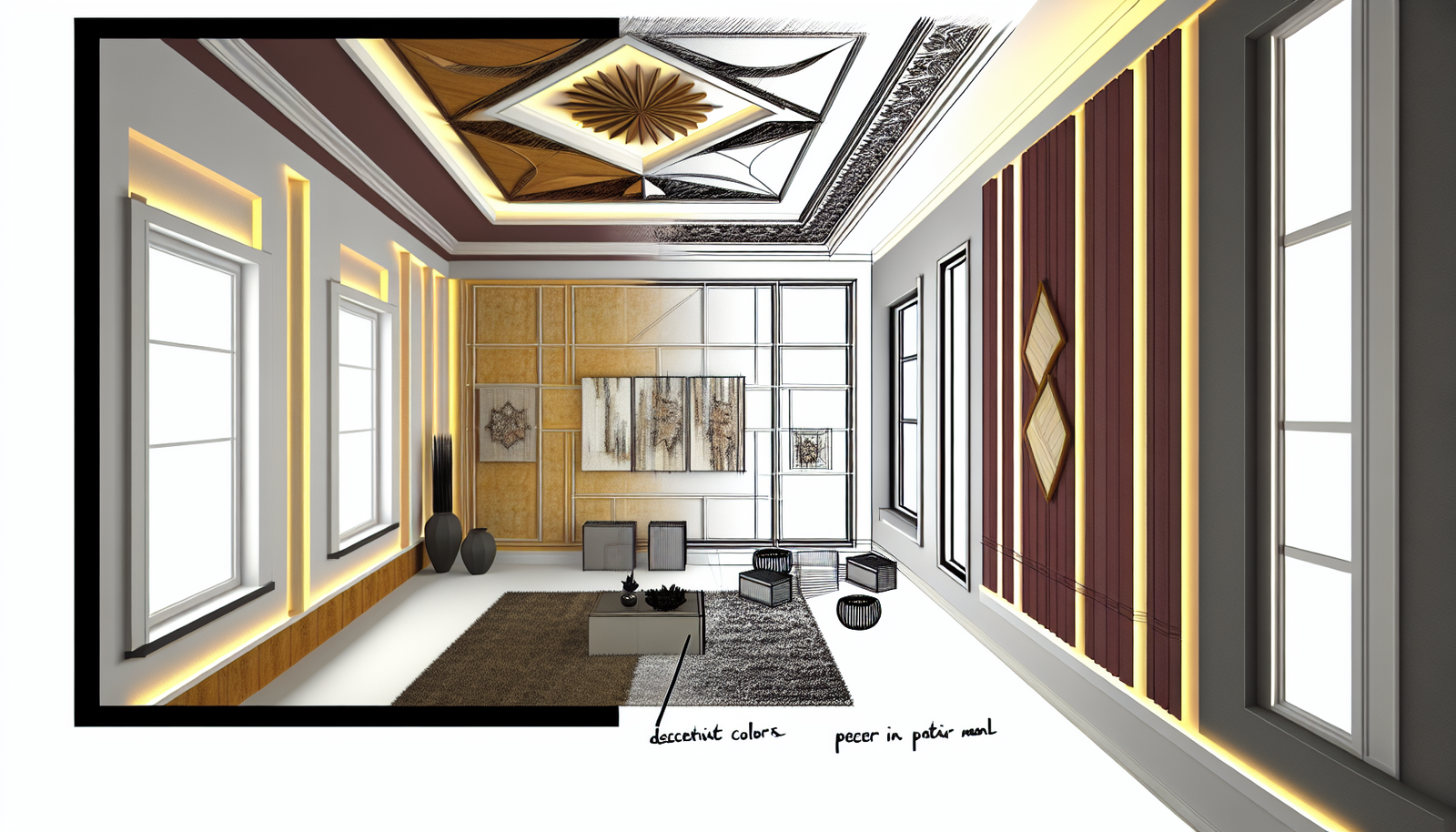
- Repetitive lighting fixtures: Installing chandeliers or recessed lights in symmetrical arrays that double as décor and practical lighting.
- Textural echoes: Using ceilings to mirror wall paneling or floor patterns subtly, keeping a rhythm that feels natural.
Here’s something else I find interesting—sometimes breaking the symmetry just a little bit (like an offset beam or a set of lights intentionally shifted) can make the design feel fresher. This nuanced imbalance creates tension and interest without overwhelming the senses. It’s a bit like adding a dash of chili to your chocolate. Unexpected, bold, but totally delicious.
Materials & Modern Symmetry: It’s Not Just About Shapes
Symmetry thrives on repetition, sure, but it also loves a good partner: texture. Materials can elevate symmetrical ceiling designs from mere patterns to tactile experiences. You know what? When you step back and layer materials with symmetry, the ceiling stops feeling like a background actor and steps into the spotlight.
Wood—raw, stained, or painted—brings warmth and complexity to symmetrical designs. A series of parallel wooden beams, perfectly spaced, can trick the eye into perceiving more height and length in a room.
Metal panels or mirrored surfaces turn symmetry into something sleeker, maybe even futuristic. Picture a gleaming ceiling grid reflecting soft pendant lights. This kind of setup is quite popular in chic downtown lofts or high-end offices aiming to blend calm order and urban edge.
Oh, and don’t underestimate plaster and gypsum board. When molded into symmetrical shapes or geometric reliefs, they cast shadows that evolve as daylight changes. It’s like having a living ceiling that subtly performs for you—from dawn to dusk.
Lighting: The Unsung Hero of Symmetrical Ceilings
Light does more than just illuminate—it brings ceiling designs alive. You might not realize it, but strategically placed lighting can make or break the entire feel of a symmetrical ceiling. Recessed LEDs in linear arrays, pendant lamps centered perfectly within coffered panels, or even hidden cove lights tracing symmetrical soffits—each approach shapes mood, depth, and drama.
Let’s not forget natural light, often overlooked when we obsess about artificial fixtures. Skylights or clerestory windows, if arranged symmetrically, flood the ceiling with daytime radiance that softens hard edges and balances the room’s vibe.
Honestly, playing with light and shadow on symmetrical ceilings feels like painting with the invisible brush. The room takes on different personalities depending on the hour or the flick of a dimmer switch. And if you’re a fan of ambience, this dynamic interplay is pure magic.
Historic Inspirations Meet Contemporary Flair
Symmetry in ceilings isn’t some newfangled fad. Its roots run deep, all the way back to classical architecture where mathematical precision was king. Think of the Renaissance era’s ornate plasterwork or the Baroque artfully carved wood panels that framed frescoed ceilings. They nailed symmetry, sure, but also embraced intricate details that made every ceiling a jaw-dropper.
Today’s designers nod to these traditions but remix them with contemporary materials, less fuss, and a sharper sense of space. For example, you’ll see sleek metal grids inspired by old timber cofferings or minimalistic plaster patterns lending a whisper of historical charm in ultra-modern penthouses.
What’s fascinating is the cross-pollination between past and present—ancient symmetry’s reliance on repeating forms combined with modern design’s penchant for open, airy expanses. It’s a perfect marriage that keeps ceiling designs exciting and grounded right where it matters.
Small Spaces, Big Impact: Symmetry Isn’t Just for Grand Rooms
You might assume symmetrical ceiling designs belong only in palatial mansions or massive public spaces. But nope—small apartments, cozy cafés, and boutique hotel rooms are hopping on the bandwagon too. Why? Because even a modest ceiling, when thoughtfully designed with symmetry, can trick your brain into thinking the space is bigger and more inviting.
For those cramped urban dwellers, a ceiling lined with subtle, symmetrical molding or equally spaced pendant lights can be transformative. Suddenly, the room feels more intentional, less chaotic. And frankly, who doesn’t want that calming effect after a tiring day?
On the flip side, there’s also room for playing with partial symmetry—say, drawing attention to one corner of the ceiling with a standout grid or a circular feature. That asymmetrical spark adds character without drowning the room in chaos.
FAQs About Ceiling Concepts With Modern Symmetry
Disclaimer
Please note that while this article provides thoughtful insights on ceiling concepts with modern symmetry, individual project requirements may vary. Always consult a professional architect or interior designer to ensure safe and appropriate implementation tailored to your specific space.
For more technical resources on ceiling design and architecture, consider checking out the ArchDaily and the American Institute of Architects websites.
Categories
- Accent Walls & Ceilings (84)
- Art Curation & Gallery (83)
- Bedding Style Trends (89)
- Bedroom Makeover (96)
- Bohemian & Eclectic Styles (80)
- DIY & Budget-Friendly Decor (78)
- Eco-Friendly Design (83)
- Furniture Care (87)
- Home Decor & Design Ideas (181)
- Home Wellness Spaces (103)
- Integrated Outdoor Living (91)
- Japandi Style (84)
- Kids and Nursery Decor (73)
- Living Room Decor (99)
- Mix & Match Techniques (95)
- Modern & Contemporary Design (88)
- Rug Sizing & Placement (89)
- Scandinavian Design Inspiration (51)
- Seasonal Home Decor (100)
- Small Space Solutions (93)
- Wall Art & Painting Tips (94)
Recent Comments
Archives
Product Gallery
-
 Majestic African Wildlife Canvas Art for Stylish Home Decor
Rated 5.00 out of 5
Majestic African Wildlife Canvas Art for Stylish Home Decor
Rated 5.00 out of 5 -
 Cozy Irregular Green Plush Rug for Nordic Living Spaces
Rated 5.00 out of 5$50.99 – $321.60Price range: $50.99 through $321.60
Cozy Irregular Green Plush Rug for Nordic Living Spaces
Rated 5.00 out of 5$50.99 – $321.60Price range: $50.99 through $321.60 -
 Scandinavian Geometric Area Rugs for Stylish Home Décor
Rated 5.00 out of 5$36.62 – $554.84Price range: $36.62 through $554.84
Scandinavian Geometric Area Rugs for Stylish Home Décor
Rated 5.00 out of 5$36.62 – $554.84Price range: $36.62 through $554.84