Craving Calm? Essential Scandinavian Design Tips for a Peaceful & Stylish Home (Focuses on desired emotional outcome)

You’re not alone if you secretly daydream about a home that feels as restful as a quiet morning by a Nordic lake. Many of us feel pulled in a dozen directions—work, notifications, chores—so our spaces must steady us, not stir us. If you’re craving calm, you’ll love how Scandinavian interiors deliver serenity without sacrificing style. In the first few moments of this guide, you’ll discover practical Scandinavian design tips that help you create a home that looks seamless, feels tranquil, and supports the way you live every day.
This article is your complete, room-by-room companion to achieving that soft, light-drenched, beautifully organized look with Scandinavian design tips you can actually use. You’ll learn how to balance warm neutrals and natural textures, how to plan layouts that allow your home to breathe, and how to employ lighting to shape mood. You’ll also explore color psychology, styling ideas that make a difference, eco-friendly swaps, and budget-friendly moves that stretch your investment while preserving design integrity.
Here’s what you’ll find inside: a gentle dive into the Scandinavian design philosophy (plus kindred styles like Japandi); a practical room-by-room blueprint with specific Scandinavian design tips for living rooms, bedrooms, kitchens, and outdoor spaces; a guide to material and color psychology; elegant styling tactics; and sustainable strategies for a mindful, beautiful home. By the end, you’ll feel ready to edit your space with intention—and to curate an environment that meets your most important design goal: calm you can feel.
Design Philosophy & Inspiration
At its heart, Scandinavian design is about living well with less. Every choice—color, material, layout—leans toward clarity and comfort. The look is clean without feeling cold because warmth shows up through texture, tactility, and light. You’ll notice space to move, air to breathe, and a steady rhythm of repetition and restraint. Thoughtful Scandinavian design tips honor the senses: they help rooms feel more open, more grounded, and more human.
Historically, the style formed across Denmark, Sweden, Norway, Finland, and Iceland in the early to mid-20th century. Designers like Alvar Aalto, Arne Jacobsen, Bruno Mathsson, and Greta Magnusson Grossman shaped a language of organic modernism—functional forms softened by curves, pale woods, and natural light. The goal? Democratize design, bring beauty into the everyday, and create durable, human-scale objects that invite use.
Contemporary Nordic living embraces values like hygge (coziness through togetherness), lagom (just enough), and friluftsliv (the restorative power of nature). Together, these ideas anchor many Scandinavian design tips: keep only what you love, respect daylight, and bring the outside in through materials, hues, and plants. Related styles—like Japandi (a Japanese-Scandinavian blend) and soft minimalism—share the same spirit: less clutter, more calm. If you’re drawn to the clean lines of minimalism but want warmth, texture, and an embrace of imperfection, you’ll find endless inspiration in these approaches.
Today’s leading voices in interior design echo these ideas. They champion quality over quantity, timeless shapes over trends, and a mindful approach to decorating. In practice, that means investing in fewer pieces with better materials, simplifying your palette, and editing decor so the essentials can shine. These principles guide the Scandinavian design tips that follow, helping you compose spaces that look serene and feel deeply livable.
Room-by-Room Application
Calm is an experience. It’s the light on your sofa at 9 a.m., the way your dining chairs tuck neatly under the table, the soft rug under your feet before bed. The following room-based Scandinavian design tips translate philosophy into daily rituals and practical choices.
Living Room: Light, Flow, and Textured Comfort
Your living room sets the tone for the entire home. It should be soothing, flexible, and ready for conversation. Scandinavian design tips for this space prioritize layout, layers, and light.
- Layout: Leave breathing room. Avoid pushing all furniture against walls. Try a floating sofa with a slim console behind it to shape the zone and manage clutter.
- Color: Choose a base of soft whites, muted grays, or warm beiges. Add gentle contrast with taupe, mushroom, sandy tan, and pale clay.
- Lighting: Use three layers—ambient (ceiling or pendant), task (floor or table lamps), and accent (picture lights or small sconces). Always aim for warm color temperatures (2700–3000K).
- Furniture: Favor clean lines with rounded edges. Pale woods like oak, ash, or birch keep the room airy.
- Texture: Layer linen, wool, bouclé, and nubby knits for tactile warmth that reads cozy, not cluttered.
- Rug: Choose a natural-fiber rug in a subdued tone. Size matters—bigger is calmer. The rug should anchor the seating group.
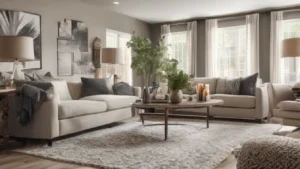
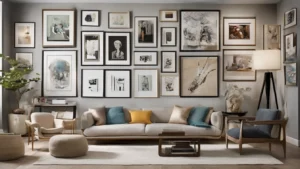
Try this: Place a low-profile sofa across from two light, open-frame armchairs. Add a round wood coffee table to soften angles. Use one large art piece instead of many small ones. A small ceramic bowl and a linen-covered book on the coffee table complete the scene—no fuss, just intention. These simple Scandinavian design tips shape a living space that exudes ease.
Bedroom: Sanctuary and Sleep-Forward Choices
In a bedroom, fewer, better pieces invite deep rest. The most effective Scandinavian design tips here are restraint, softness, and rhythm.
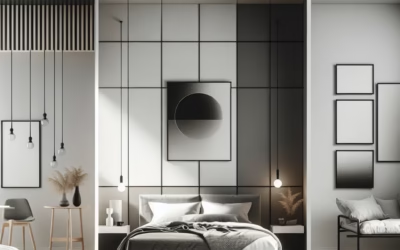
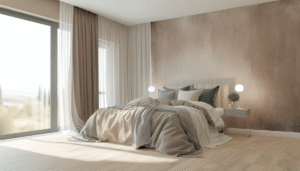
- Palette: Keep wall color light and gentle—warm white, cashmere beige, or greige. Introduce a whisper of muted green or dusky blue in textiles.
- Bed: Choose a simple frame in wood or an upholstered headboard in natural linen. Keep bedding breathable: cotton percale or washed linen with a light, lofty duvet.
- Nightstands: Go for slim profiles. A drawer or shelf helps corral bedtime essentials.
- Lighting: Use low-glare, warm lighting at the bedside. Add a dimmer to tailor evening light to your wind-down ritual.
- Storage: Prioritize closed storage for clothing. Visual quiet is soothing—no busy open racks.
- Curtains: Soft, floor-length panels in sheer linen give privacy and filter light without heaviness.
Create a gentle ritual: Place a small tray on your nightstand with a book, ceramic cup, and a single stem in a bud vase. Keep the floor clear, and the bed becomes the calm centerpiece of the room. These Scandinavian design tips let your eyes rest and your body follow.
Kitchen & Dining: Clarity, Function, and Everyday Beauty
The kitchen is a workhorse—but it can feel restful, too. Use these Scandinavian design tips to reduce visual noise and highlight useful beauty.
- Cabinetry: Favor flat-front or Shaker styles in pale wood, white, or soft gray. Minimize heavy hardware; consider integrated pulls or simple matte handles.
- Countertops: Choose quiet patterns—honest stone, solid surfaces, or soft-veined quartz. A calm counter equals a calm mind.
- Backsplash: Opt for subtle tiles—matte finishes, stacked layouts, and soft shades. Keep grout low-contrast for a seamless look.
- Open Shelves: Edit ruthlessly. Display daily-use items that are simple and beautiful: ceramic bowls, neutral mugs, wooden boards.
- Lighting: Layer under-cabinet task lights, a warm overhead fixture, and a small lamp or candle for evening softness.
- Dining: Pair a light wood table with comfortable, sculptural chairs. Use a linen runner and a single, low arrangement for everyday elegance.
A tidy sink zone, decanted pantry items, and matching glass storage read as calm. Remember, Scandinavian design tips often look simple on the surface because the real work is editing behind the scenes.
Bathroom: Spa-Like Simplicity
Even the smallest bathroom can embody retreat. These Scandinavian design tips center on light, simplicity, and tactile contrast.
- Palette: Whites, warm grays, and putty tones feel clean yet soft. Matte finishes hide water spots better than high gloss.
- Materials: Mix stone or stone-look porcelain with light oak or birch for warmth. Consider ribbed or fluted details for subtle texture.
- Storage: Use wall cabinets, slim vanities, and woven lidded baskets to keep surfaces clear.
- Textiles: Choose plush but understated towels in off-white, oatmeal, or mineral hues.
- Lighting: Use a warm overhead light and a diffuser sconce near the mirror. Avoid harsh bulbs.
Small upgrades—matching dispensers, a teak bath mat, a linen shower curtain—turn routine into ritual. Let these Scandinavian design tips transform your morning and evening into quiet interludes.
Entryway: A Calm Welcome
Your entry sets the mood. The best Scandinavian design tips here combine order and softness.
- Furniture: Choose a slim bench with a shelf for shoes. Add a small tray for keys and mail.
- Wall: Consider a peg rail or minimal hooks for coats and totes.
- Rug: A sturdy, textured runner feels inviting and contains dirt.
- Light: A warm, diffused pendant keeps the space friendly and bright.
Keep this zone lean. One art piece, one plant, one lamp. Simplicity is the secret handshake of calm.
Home Office: Focus Without Clutter
Workspaces thrive on clarity. Follow these Scandinavian design tips to reduce distraction and craft a setting that supports deep work.
- Desk: Choose a light wood or white desk with clean lines. Add a drawer unit for paperwork.
- Chair: Opt for ergonomic comfort with a quiet silhouette.
- Storage: Use closed storage for tech and cables. A corkboard or magnetic rail keeps notes tidy.
- Lighting: Position your desk perpendicular to a window if possible. Supplement with a focused task lamp.
- Color: Keep the palette neutral; layer in a single soothing accent like sage or slate blue.
Contain small items in lidded boxes, edit desktop tools to the essentials, and bring in one living plant to reduce visual fatigue. These Scandinavian design tips create a workspace that feels composed, not crowded.
Kids’ Rooms: Playful, Calm, and Flexible
Scandinavian kids’ spaces are charming because they’re simple and adaptable. These Scandinavian design tips encourage play without chaos.
- Storage: Low shelves and bins invite kids to tidy up. Label with words or icons.
- Color: Keep walls neutral and add color through toys, art, and bedding for easy updates.
- Materials: Choose washable rugs, sturdy wood furniture, and organic fabrics for health and durability.
- Lighting: Use warm ambient lighting and a focused reading lamp by the bed.
- Zones: Define areas for sleep, play, and creativity. A small table for crafts keeps clutter contained.
Rotate toys and display a few favorites. This is one of the most effective Scandinavian design tips for families because it maintains calm while supporting curiosity.
Outdoor Spaces: Daily Nature, Year-Round
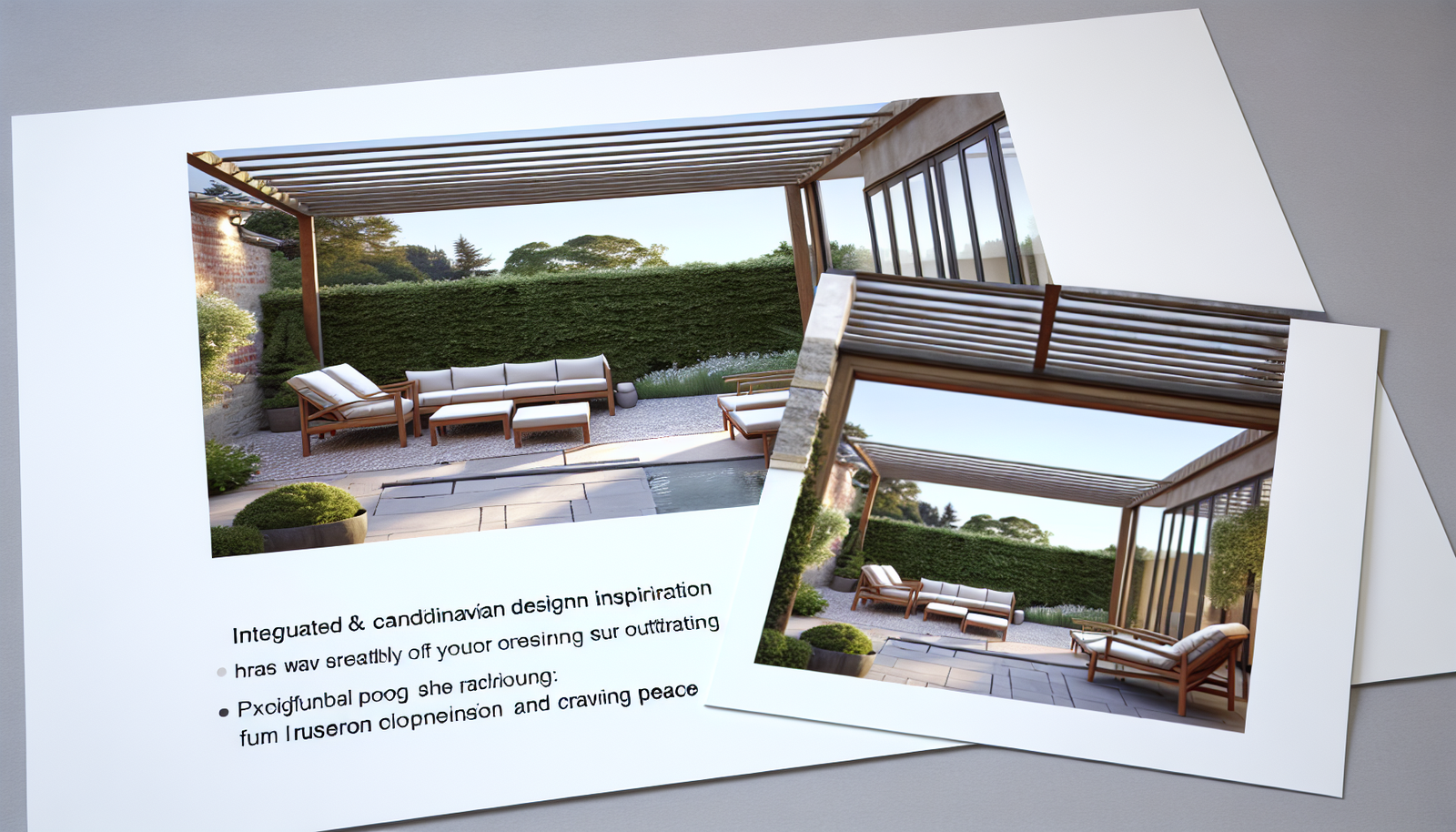
Nordic life celebrates nature in all seasons. Even a small balcony or patio can become a restorative nook with a few strategic Scandinavian design tips.
- Furniture: Light wood or metal frames with neutral cushions are timeless and practical.
- Texture: Layer outdoor rugs, throws, and lanterns for warmth and ambiance.
- Greenery: Use hardy plants in simple, monochrome pots for a unified look.
- Lighting: String lights, solar lanterns, or candles create evening calm.
Think simple seating, a small table, and a tray for tea. Nature does the rest.
Material & Color Psychology
When you choose materials and colors with intention, you shape mood without a word. These Scandinavian design tips focus on tactile, honest elements that age gracefully and promote ease.
Natural Woods
Pale oak, ash, birch, and pine bring warmth and lightness. They feel familiar and forgiving. The grain offers subtle pattern, which satisfies the eye without overwhelming it. Finishes matter—matte or oiled surfaces feel quieter than high gloss. These choices are cornerstone Scandinavian design tips because they echo Nordic landscapes and add instant comfort.
Textiles That Breathe
Linen, cotton, wool, and bouclé add depth and softness. Linen creases and drapes in a relaxed way; wool offers warmth with resilience. Layering these textures invites touch and slows the eye—both essential to calm. One of the most reliable Scandinavian design tips is to mix a few textures in a limited palette for understated luxury.
Stone and Ceramic
Stone, terrazzo, and hand-thrown ceramics ground a room. Their subtle irregularities make them human and alive. Choose soft, matte finishes and gentle veining when possible. These materials anchor light palettes so your rooms feel balanced, not washed out.
Metals, Glass, and Balance
Matte black, satin nickel, and brushed brass add quiet contrast. Use them sparingly as accents—cabinet pulls, a lamp base, a mirror frame—to prevent visual heaviness. Clear or lightly tinted glass keeps sightlines open and reflects light. The best Scandinavian design tips treat metal like punctuation: minimal but meaningful.
Color Psychology: Calm in Practice
- Warm Whites: Creamy tones feel welcoming and reduce starkness.
- Soft Neutrals: Greige, oatmeal, and mushroom add sophistication without visual noise.
- Muted Greens and Blues: Sage, eucalyptus, and slate blue echo nature and promote relaxation.
- Earth Tones: Clay, sand, and terracotta bring warmth and depth in small doses.
- Black or Charcoal: Use sparingly for definition and contrast.
One of the most powerful Scandinavian design tips is to limit your palette to a handful of tones used across the whole home. This creates cohesion, which your brain reads as calm.
Styling & Accessorizing Tips
Styling can turn a simple room into a soulful haven. The secret is restraint plus intention. The best Scandinavian design tips use fewer pieces, chosen with care, and arranged with rhythm and breathing room.
Foundational Styling Rules
- Edit first, then style. A calm home starts with curation.
- Work in odd numbers—groups of three or five feel organic.
- Vary height and weight: mix a tall vase, a medium stack of books, and a small bowl.
- Honor negative space. Leave some surfaces nearly bare.
- Repeat materials—wood, linen, ceramic—to create continuity.
Shelf Styling, Scandinavian Edition
These Scandinavian design tips keep shelves tidy and artful:
- Arrange by color family and material to avoid visual noise.
- Mix vertical stacks with horizontal stacks of books.
- Use closed boxes for small items and display a few sculptural objects.
- Leave gaps for air and light—don’t pack every inch.
Coffee Table & Console Compositions
- Start with a low tray to anchor the grouping.
- Add one tall element (branch or sculptural vase), one medium (books), one small (bowl or candle).
- Choose a quiet scent—wood, linen, or soft herbal—to reinforce calm.
Art, Mirrors, and Soft Contrast
Calm doesn’t mean blank. These Scandinavian design tips help art speak softly:
- Choose art with gentle palettes or nature-inspired forms.
- Use larger pieces rather than many small frames to reduce clutter.
- Place mirrors to bounce daylight—but avoid reflecting busy zones.
Plants as Mood Setters
Greenery acts like a visual exhale. Choose a few easy-care plants in simple pots and repeat the same planter color for unity. One tall tree and a couple of tabletop plants are often enough. This restraint is one of the most practical Scandinavian design tips for instant vitality.
Five Décor Pieces That Transform a Room
- A generously scaled natural-fiber rug
- A sculptural wood or stone coffee table
- Textural linen curtains or Roman shades
- A warm, dimmable floor lamp
- One large, calming artwork or textile wall hanging
Use these five pieces to reset a room toward warmth and clarity. Together, they embody the essence of Scandinavian design tips: simplicity, quality, and quiet impact.
Sustainable & Budget-Friendly Options
Good design should be kind—to you, your wallet, and the planet. These Scandinavian design tips keep sustainability and budget top of mind without losing the look.
Sustainable Choices that Matter
- Materials: Prioritize FSC-certified wood, natural fibers, and low-VOC finishes. Look for OEKO-TEX or GOTS labels for textiles.
- Longevity: Choose classic silhouettes and repairable pieces. A well-made chair you’ll love for ten years beats a trend you’ll toss in two.
- Local and Vintage: Shop secondhand for solid wood tables, credenzas, and chairs. Vintage pieces add soul and reduce waste.
- Healthy Home: Select Greenguard Gold or equivalent low-emission products to improve indoor air quality.
Budget Moves with Big Impact
- Paint: Warm white walls are a game-changer—fresh and bright without glare.
- Hardware: Swap cabinet pulls and door handles for matte black or brushed brass.
- Lighting: Add dimmers and warm bulbs to create mood with minimal cost.
- Textiles: New pillow covers, a throw, and a larger rug can refocus a room affordably.
- IKEA Hacks: Upgrade basic units with wood tops, new legs, or custom fronts for a bespoke look.
Consider a “one in, one out” policy to prevent clutter creep. Among Scandinavian design tips, this simple habit keeps your home edited and your budget focused on what matters most.
Scandinavian Design Tips by Scenario
Sometimes you need fast, targeted solutions. Here are concise Scandinavian design tips tailored to common challenges.
If Your Space Feels Dark
- Switch to warm white paint with high light-reflectance value.
- Add mirrors across from windows and use sheer curtains.
- Increase lamp count—three to four light sources per room.
If Your Room Feels Cluttered
- Remove one-third of accessories and store seasonally.
- Use trays to group small items and create visual order.
- Choose one large artwork instead of a gallery wall.
If Your Layout Feels Awkward
- Float the sofa on a larger rug to define the zone.
- Use nesting tables instead of one oversized coffee table.
- Anchor seating around a focal point: fireplace, window, or art.
If Your Style Feels Inconsistent
- Pick a tight palette: three neutrals and one accent.
- Repeat a material—oak, linen, or ceramic—in every room.
- Unify hardware finishes across spaces.
Creating Calm Through Ritual
Scandinavian interiors shine when paired with gentle daily habits. Consider these ritual-based Scandinavian design tips to deepen the emotional payoff:
- Morning Light: Open curtains fully, wipe surfaces clean, and light a soft-scented candle.
- Midday Reset: Clear the dining table, return scattered items to baskets, and crack a window for fresh air.
- Evening Wind-Down: Dim lights, turn on a warm floor lamp, and use a wool throw to signal rest.
When design supports routine, calm becomes part of your day—not just your decor.
Elevated Minimalism: How to Keep It Interesting
Minimalism can be soulful. These Scandinavian design tips ensure your rooms feel curated, not empty.
- Mix tactile textures in the same hue family for depth.
- Introduce subtle pattern: herringbone wood, ribbed textiles, or cane details.
- Use organic shapes—rounded corners, curved sofas, oval tables—to soften lines.
- Balance weights: pair a hefty wood bench with a slender metal lamp.
- Ground with nature: branches in a ceramic vase, a linen table runner, or a wool rug.
The trick is engagement through touch and tone, not excess color or ornament. These Scandinavian design tips keep the senses satisfied while the mind stays calm.
Practical Checklists
10-Step Scandinavian Living Room Reset
- Clear surfaces and remove visual noise.
- Choose a soft, warm white for walls if needed.
- Anchor with a larger natural-fiber rug.
- Float seating to create conversation zones.
- Add a round or oval coffee table for softness.
- Layer lighting: ceiling, floor lamp, and table lamp.
- Limit palette to three neutrals and one accent.
- Introduce texture with linen, wool, and wood.
- Style shelves with fewer, larger objects.
- Add greenery and a single large art piece.
Capsule Palette Builder
Base: Warm white or soft greige. Secondary: Mushroom, oat, or light taupe. Accent: Sage, slate blue, or clay. Contrast: Charcoal or matte black in tiny doses. Repeat across rooms for cohesive calm.
Weekend Declutter Plan
- Hallway and entry: Hooks, baskets, and a tray system.
- Living room: Hide remotes and chargers; edit books and magazines.
- Kitchen: Clear counters; decant pantry staples; recycle extras.
- Bedroom: Empty nightstands; fold blankets; limit surfaces to two items.
- Bathroom: Use matching containers; store backups out of sight.
Scandinavian Design Tips for Small Spaces
Small homes love Nordic logic. These Scandinavian design tips stretch space without feeling sparse.
- Use leggy furniture to show more floor and increase visual lightness.
- Favor multipurpose pieces: a bench with storage, nesting tables, or ottomans that double as seating.
- Choose wall-mounted lighting to free surfaces.
- Keep patterns low-contrast and large-scale to avoid fussiness.
- Install sheer curtains mounted higher and wider than the window to amplify light.
Scale is everything. A few larger, simplified elements look tidier than many small items. Among Scandinavian design tips, this one creates instant visual calm.
Mistakes to Avoid (and Easy Fixes)
- Too Many Colors: Limit to a tight palette. Fix with paint, textiles, and edit decor.
- Over-Accessorizing: Remove half and style what remains with breathing room.
- Ignoring Lighting: Add layers and warm bulbs to shape mood and function.
- All White, No Warmth: Introduce wood, wool, and beige tones for balance.
- Flat Surfaces: Add ribbed textiles, woven baskets, or boucle to avoid sterility.
These corrective Scandinavian design tips help you course-correct fast and gently.
Case Study: A Calm Living-Dining Combo
Imagine a compact open-plan apartment. The goal: warmth, ease, and cohesion. These applied Scandinavian design tips bring it together.
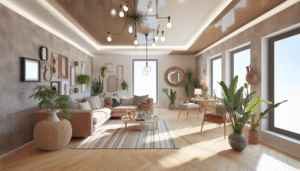
Walls shift to a warm white. A large jute-blend rug anchors the living area, and a pale oak dining table defines the dining zone. The sofa, upholstered in stone linen, faces two open-frame lounge chairs; a round oak coffee table softens the lines. A slim console floats behind the sofa, holding a table lamp and a woven tray for mail.
Lighting layers include a fabric drum pendant over the dining table, a brass floor lamp in the living room, and a small ceramic table lamp for evening glow. Sheer linen curtains wash the room with daylight, and a single oversized landscape painting focuses the eye. Accessories are minimal: a linen runner, a hand-thrown vase with branches, and a stack of books.
The result is calm you can feel. Every element earns its keep; each view feels composed. It’s a blueprint of Scandinavian design tips in real life: clarity, comfort, and quiet impact.
Bringing It All Together
Calm interiors aren’t an accident—they’re chosen. They come from fewer, better pieces; natural materials; subdued color; and the gentle discipline of editing. If you follow these Scandinavian design tips with patience and care, your home will start to greet you with the soft hush you crave. The process is simple: choose light, layer texture, honor nature, and let negative space work its quiet magic.
Start small, one room at a time. Swap a harsh bulb for a warm one. Place a larger rug. Clear the coffee table and style it with intention. Select a capsule palette and repeat it room by room. With these Scandinavian design tips, you’ll build a home that looks beautifully edited—and feels like an exhale at the end of the day.
FAQ
What color palette makes a room look bigger?
Soft neutrals and light hues like off-white, beige, and pale gray reflect light and create the illusion of space.
How can I make my home look more luxurious on a budget?
Use layered lighting, textured textiles, and strategic statement pieces to elevate your space affordably.
Which materials create a warm, cozy atmosphere?
Natural woods, soft linen, wool, and warm-toned accents bring depth and comfort to any room.
How do I choose the right lighting for a room?
Combine ambient, task, and accent lighting to balance functionality and atmosphere.
What are timeless interior design styles?
Scandinavian, mid-century modern, minimalism, and Japandi are versatile, elegant, and enduring.
Content Disclaimer
This content is for informational purposes only. Interior design choices depend on personal preference, budget, and space limitations. Always consult qualified professionals for structural or renovation advice.
Categories
- Accent Walls & Ceilings (84)
- Art Curation & Gallery (83)
- Bedding Style Trends (89)
- Bedroom Makeover (96)
- Bohemian & Eclectic Styles (80)
- DIY & Budget-Friendly Decor (78)
- Eco-Friendly Design (83)
- Furniture Care (87)
- Home Decor & Design Ideas (181)
- Home Wellness Spaces (103)
- Integrated Outdoor Living (91)
- Japandi Style (84)
- Kids and Nursery Decor (73)
- Living Room Decor (99)
- Mix & Match Techniques (95)
- Modern & Contemporary Design (88)
- Rug Sizing & Placement (89)
- Scandinavian Design Inspiration (51)
- Seasonal Home Decor (100)
- Small Space Solutions (93)
- Wall Art & Painting Tips (94)
Recent Comments
Archives
Product Gallery
-
 Majestic African Wildlife Canvas Art for Stylish Home Decor
Rated 5.00 out of 5
Majestic African Wildlife Canvas Art for Stylish Home Decor
Rated 5.00 out of 5 -
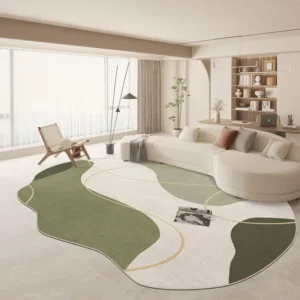 Cozy Irregular Green Plush Rug for Nordic Living Spaces
Rated 5.00 out of 5$50.99 – $321.60Price range: $50.99 through $321.60
Cozy Irregular Green Plush Rug for Nordic Living Spaces
Rated 5.00 out of 5$50.99 – $321.60Price range: $50.99 through $321.60 -
 Scandinavian Geometric Area Rugs for Stylish Home Décor
Rated 5.00 out of 5$36.62 – $554.84Price range: $36.62 through $554.84
Scandinavian Geometric Area Rugs for Stylish Home Décor
Rated 5.00 out of 5$36.62 – $554.84Price range: $36.62 through $554.84