
Master the art of creating balance in eclectic design to craft spaces that feel harmonious, vibrant, and authentic. This guide offers expert techniques, real-world examples, and practical steps for every design enthusiast.
Eclectic design often excites with its expressive mix of textures, colors, and styles. Yet, the core challenge remains: How do you achieve cohesion without losing the charm of variety? Creating balance in eclectic design answers this puzzle by harmonizing contrasts to produce inviting, personalized spaces.
In the first 100 words, let’s highlight the primary keyword: creating balance in eclectic design. This method enables designers and homeowners to blend diverse elements thoughtfully, preventing rooms from appearing cluttered or chaotic.
In this article, we’ll explore what eclectic design entails, why balance matters, and effective tactics for achieving it. From color coordination and scale to texture mixing and focal points, you’ll gain actionable insights that guarantee a seamless, stylish outcome. We’ll also examine famous design case studies, include comparison tables, and suggest tools to aid your creative journey.
Understanding Eclectic Design and the Importance of Balance
What Is Eclectic Design?
Eclectic design thrives on mixing styles, eras, patterns, and textures. It draws from vintage, modern, rustic, and global influences, often tailored to express individual style. Unlike rigid design themes, it embraces creativity and surprise, offering freedom to combine elements that typically wouldn’t sit side-by-side.
Why Balance Is Critical in Eclectic Spaces
Balance in design refers to visual equilibrium—a sense that no one area dominates or feels out of place. Without it, eclectic spaces risk feeling disjointed or overwhelming. By creating balance, each piece can shine while contributing to a unified narrative.
- Prevents visual chaos: Ensures diverse elements complement rather than compete.
- Enhances comfort: Balanced rooms feel restful and welcoming.
- Supports storytelling: Highlights unique details within a cohesive framework.
Types of Balance in Eclectic Design
- Symmetrical Balance: Mirroring elements on either side to create formality and calm.
- Asymmetrical Balance: Distributing visual weight using contrasting objects of varying sizes, colors, or shapes.
- Radial Balance: Centering elements around a focal point, like a chandelier or artwork.
Most eclectic interiors favor asymmetrical balance to maintain energy while avoiding chaos. This approach encourages ingenuity with the placement of contrasting pieces.
Key Strategies for Creating Balance in Eclectic Design
1. Harmonize Colors and Patterns
Colors unify a room instantly. Start with a base palette—2 to 3 colors that set the tone—then layer accents and patterns within that scheme. This approach prevents clashing and maintains flow.
- Use a consistent undertone (warm or cool) across different materials.
- Introduce pattern variety by mixing scales—large florals with small geometrics, for example.
- Repeat colors in accessories and textiles to tie elements together.
Example: A vintage rug with deep navy paired with teal cushions and gold accents creates a cohesive yet dynamic setting.
2. Balance Scale and Proportion
Mixing a variety of furniture sizes adds interest but keeping proportional balance helps avoid awkward spacing or visual heaviness.
- Anchor large pieces with smaller ones that share a similar visual weight.
- Use open furniture with slender legs to offset chunky or ornate pieces.
- Consider ceiling height and room size to scale elements appropriately.
3. Layer Textures Thoughtfully
Texture adds depth and tactile interest. Eclectic spaces flourish when layers vary but support one another.
- Combine soft fabrics like velvet or linen with hard surfaces such as wood or metal.
- Contrast smooth finishes with rugged elements, like a sleek glass table beside a distressed leather chair.
- Repeat textures in multiple areas to create continuity.
4. Anchor Spaces with Focal Points
A compelling visual anchor organizes the room, giving the eye a resting place while showcasing eclectic flair.
Options include:
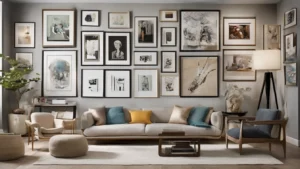
- Statement art pieces
- Distinctive lighting fixtures
- Unique architectural features or furniture
Focal points help unify diverse décor by establishing a hierarchical balance.
5. Control Visual Weight Through Placement
Smart arrangement of objects balances the visual mass throughout spaces, avoiding “heavy” corners or empty areas.
- Distribute colors and accessories evenly.
- Offset bold patterns with calming neutrals.
- Use shelving or grouping to cluster smaller items effectively.
6. Edit to Avoid Overload
Eclectic doesn’t mean clutter. Editing is key to maintain harmony.
- Periodically reassess elements; remove pieces that compete unnecessarily.
- Choose quality and meaningful items over quantity.
- Allow negative space to breathe.
Comparing Balanced vs. Unbalanced Eclectic Designs
| Aspect | Balanced Eclectic Design | Unbalanced Eclectic Design |
|---|---|---|
| Color Scheme | Coordinated palette with repeated hues | Random colors with no harmony |
| Furniture Scale | Proportional mix creates flow | Sizes clash causing awkward voids |
| Texture Use | Layered but complementary textures | Overlapping contrasting materials without cohesion |
| Focal Point | Clear eye-catching anchor | Lack of a central focus |
| Visual Weight | Evenly distributed | Heavy clusters create imbalance |
| Overall Feel | Inviting and harmonious | Chaotic and overwhelming |
Case Studies: Successful Balance in Eclectic Design
Case Study 1: The Brooklyn Brownstone
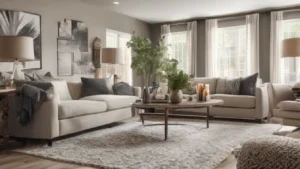
This 1920s brownstone renovation combines mid-century modern furniture with vintage industrial accents. The designers employed a muted base palette—grays, blues, and soft greens—across walls, furniture, and fabrics. They layered textures such as leather chairs, wool throws, and exposed brick walls, creating a multisensory experience. Asymmetrical balance was achieved by pairing a large velvet sofa on one end of the living room with a collection of small stools and side tables opposite it.
“By focusing on color undertones and material harmony, the space breathes despite diverse influences,” says interior designer Emily Rogers.
Case Study 2: Coastal Eclectic Retreat
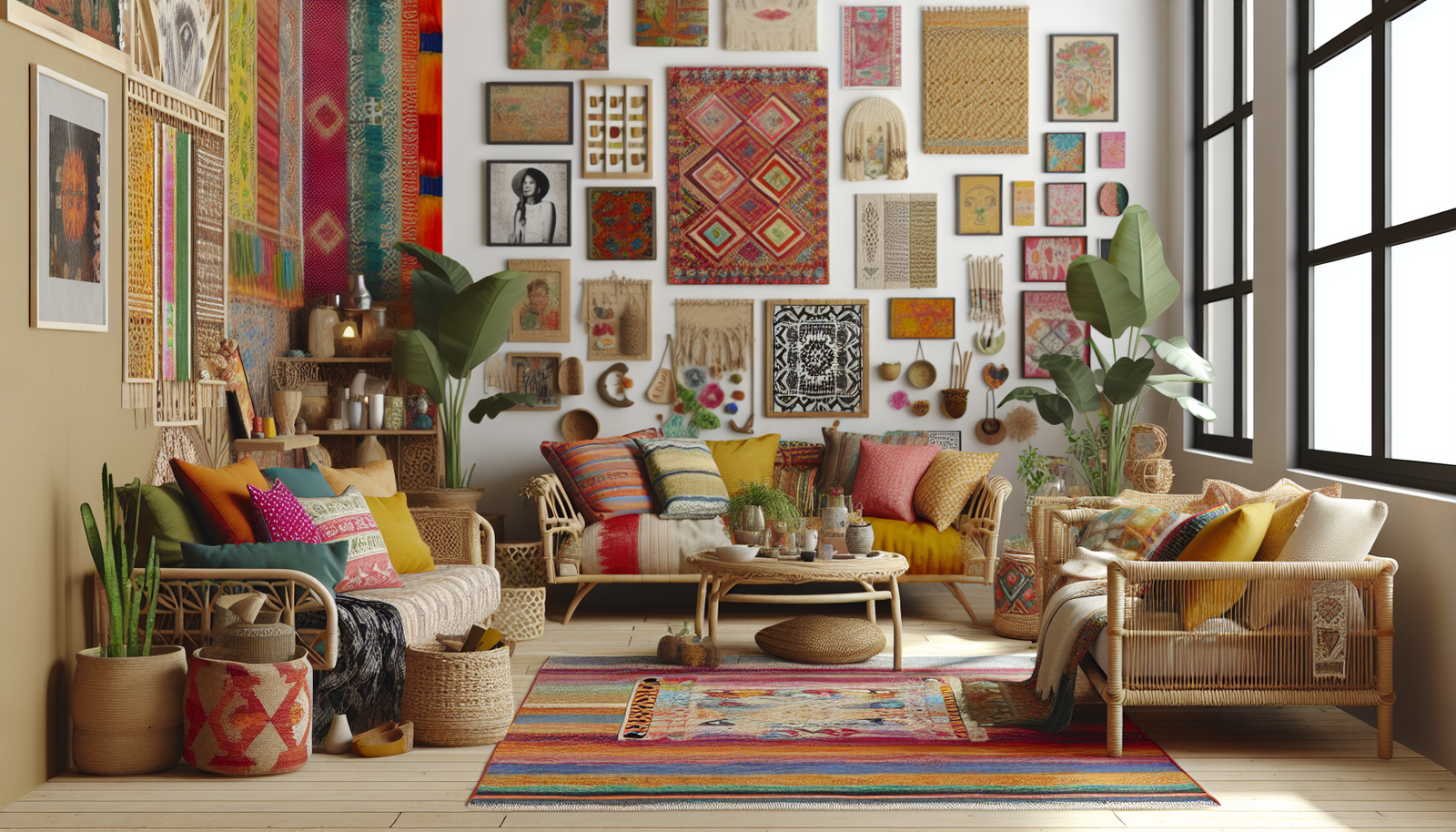
A beach house mixing coastal décor with bohemian elements. Think rattan furniture paired with traditional ethnic rugs, and bright aqua tones blended with natural earth hues. Here, the focal point is a large macramé wall hanging flanked by symmetrical basket arrangements. Balance comes from repeating patterns and textures, like woven baskets echoing rattan chairs.
Lessons Learned
- Start with a unified palette.
- Vary but harmonize texture and scale.
- Anchor with statement focal points.
Tools and Resources for Designing Balanced Eclectic Spaces
Design Software
- SketchUp – Intuitive 3D modeling for furniture placement and spatial balance.
- Canva – Create mood boards layering color palettes, textures, and style inspirations.
- Coolors – Generate and explore coordinated color schemes tailored to eclectic design.
Infographic Idea
Visualize the six key strategies for creating balance in eclectic design via an infographic that:
- Divides the screen into color, scale, texture, focal points, weight, and editing sections.
- Includes icons representing furniture, palette swatches, fabric textures, and layout grids.
- Provides quick tips visually highlighted for easy scanning.
FAQ: Creating Balance in Eclectic Design
What is the best way to start balancing an eclectic room?
Begin by selecting a base color palette and stick to it. This foundational palette unifies diverse elements. Then, arrange furniture by considering scale and visual weight, ensuring no area feels too heavy or empty.
Can eclectic design work in small spaces without feeling cluttered?
Yes. Maintaining balance in small rooms involves careful editing, limiting color variety, and choosing furniture with slim profiles. Using mirrors and lighting also helps open the space visually.
What types of textures work best in eclectic interiors?
Mix soft, natural textures like cotton or wool with harder materials like wood, metal, or glass. Variety is good, but focus on complementary tones and repeated textures for cohesiveness.
How do I create focal points in a mixed-style room?
Use standout pieces like bold artwork, a unique light fixture, or an eye-catching piece of furniture. Ensure surrounding elements support but don’t compete with the focal point.
Is symmetry necessary in eclectic design?
Symmetry is optional. While it creates calm order, asymmetry often provides more creative freedom and energy, which suits eclectic interiors well.
How often should I edit my eclectic decor to maintain balance?
Regularly review your space—seasonally or annually—to remove or rearrange items. This keeps your design fresh and balanced, preventing overaccumulation.
Are there professional services that specialize in eclectic design balance?
Yes. Interior designers with experience in eclectic styles can help you blend elements seamlessly, often offering personalized consultations or virtual design services.
Conclusion: Mastering the Art of Balance in Eclectic Design
Creating balance in eclectic design is less about strict rules and more about thoughtful harmony. By coordinating colors, balancing scale, layering textures, and anchoring spaces with focal points, you can craft interiors that feel vibrant yet inviting. Editing and intentional arrangement prevent overwhelm, turning diverse styles into cohesive stories.
We hope this guide has empowered you with practical strategies to transform your eclectic space into a balanced, engaging oasis. Ready to start your project? Explore our internal links on color theory, furniture layout, and texture mixing to dive deeper into related design skills.
Remember, every eclectic space reflects unique personality — balance just helps ensure it’s one you’ll love coming home to.
Related Articles
- Color Theory for Interior Design: Building Your Palette
- Mixing Textures in Home Decor for Depth and Interest
- Furniture Arrangement Tips for Balanced Rooms
Content Disclaimer
This article is intended for educational purposes only and reflects the author’s personal expertise on creating balance in eclectic design. Individual results may vary depending on specific circumstances and tastes.
Categories
- Accent Walls & Ceilings (84)
- Art Curation & Gallery (83)
- Bedding Style Trends (89)
- Bedroom Makeover (96)
- Bohemian & Eclectic Styles (80)
- DIY & Budget-Friendly Decor (78)
- Eco-Friendly Design (83)
- Furniture Care (87)
- Home Decor & Design Ideas (181)
- Home Wellness Spaces (103)
- Integrated Outdoor Living (91)
- Japandi Style (84)
- Kids and Nursery Decor (73)
- Living Room Decor (99)
- Mix & Match Techniques (95)
- Modern & Contemporary Design (88)
- Rug Sizing & Placement (89)
- Scandinavian Design Inspiration (51)
- Seasonal Home Decor (100)
- Small Space Solutions (93)
- Wall Art & Painting Tips (94)
Recent Comments
Archives
Product Gallery
-
 Majestic African Wildlife Canvas Art for Stylish Home Decor
Rated 5.00 out of 5
Majestic African Wildlife Canvas Art for Stylish Home Decor
Rated 5.00 out of 5 -
 Cozy Irregular Green Plush Rug for Nordic Living Spaces
Rated 5.00 out of 5$50.99 – $321.60Price range: $50.99 through $321.60
Cozy Irregular Green Plush Rug for Nordic Living Spaces
Rated 5.00 out of 5$50.99 – $321.60Price range: $50.99 through $321.60 -
 Scandinavian Geometric Area Rugs for Stylish Home Décor
Rated 5.00 out of 5$36.62 – $554.84Price range: $36.62 through $554.84
Scandinavian Geometric Area Rugs for Stylish Home Décor
Rated 5.00 out of 5$36.62 – $554.84Price range: $36.62 through $554.84