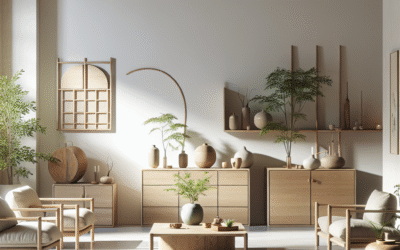
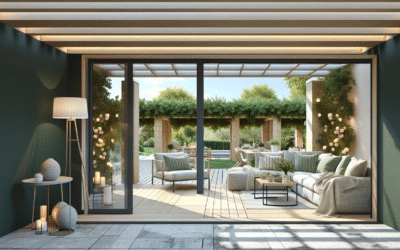
Ever felt your dining room just doesn’t quite invite people to linger longer? Creating inviting dining spaces can transform how you and your guests experience meals—turning everyday dinners into memorable gatherings. In this guide, you’ll discover easy yet impactful design tips to inspire warmth, connection, and a true sense of togetherness. Whether it’s a small breakfast nook or a formal dining room, we’ll help you craft scenes that beckon friends and family alike.
Throughout this article, we’ll explore cozy lighting choices, layout strategies, furniture selections, color palettes, and decor that foster engagement. By the end, you’ll have practical ideas to design a dining space that doesn’t just look great but truly feels welcoming. Ready to invite more connection and joy at your table? Let’s dive in.
Understanding the Essence of Inviting Dining Spaces
Before jumping into design details, it helps to understand what makes a dining space inviting. It’s a mix of comfort, ambiance, and function where guests feel naturally drawn to interact and enjoy.
What Features Create Warmth and Comfort?
- Soft, warm lighting to set a relaxed mood
- Seating that encourages conversation without crowding
- A balanced layout that’s easy to navigate
- Textures and colors that evoke coziness
According to a 2022 study by the Journal of Environmental Psychology, warm lighting increases the perception of intimacy and comfort during dining experiences, making spaces feel more inviting and promoting guests’ positive emotions.
Psychology of Space in Social Dining
Social interaction flourishes in spaces designed to feel open yet intimate. Too large a room or cluttered tableware can inhibit connection. Striking a balance is key.
Lighting Design: Setting the Perfect Mood for Gatherings
Lighting plays a starring role in creating inviting dining spaces. The right illumination enhances the room’s mood and influences guests’ comfort.
Layered Lighting Strategy
Combine ambient, task, and accent lighting for versatility:
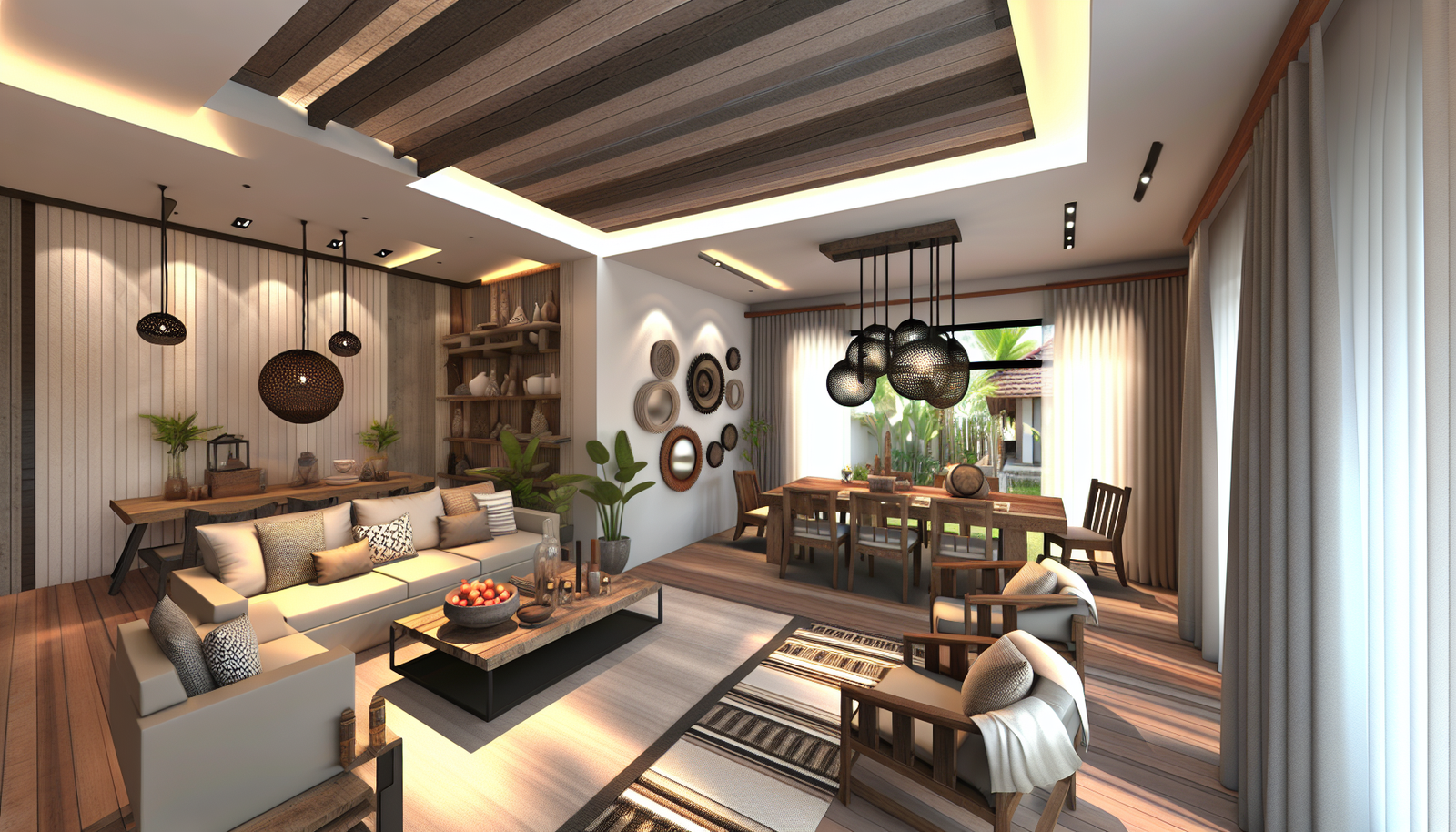
- Ambient Lighting: Soft overhead fixtures or chandeliers with dimmers.
- Task Lighting: Pendant lamps shining directly over the dining table.
- Accent Lighting: Wall sconces, candles, or string lights to add warmth.
According to Lighting Research Center, dining areas with dimmed ambient light and focused task lighting increase relaxation and appetite simultaneously.
Choosing the Right Bulbs and Fixtures
Opt for bulbs with a warm color temperature of 2700K to 3000K. Avoid cold, blue-toned lights that can make spaces feel sterile.
Pro Tip: Use smart dimmable bulbs to adjust lighting based on time of day or occasion—boosting flexibility.
Furniture and Layout: Maximizing Comfort and Interaction
Your choice of furniture and how you arrange it determines how convivial your dining space feels.
Table Shape and Size Considerations
The table is the room’s heart. Round or oval tables encourage equal conversation, while rectangular ones work well for larger groups.
| Table Shape |
Best For |
Pros |
Cons |
| Round |
Small to medium groups |
Promotes easy conversation; no head of table |
Limits number of people; larger ones take more space |
| Rectangular |
Medium to large groups |
Fits more guests; traditional formality |
Conversation can be one-sided at ends |
| Oval |
Medium groups, elegant settings |
Softens edges; good conversation flow |
Less common; moderate seating capacity |
Seating Choices: Comfort Meets Style
Mix upholstered chairs and benches for flexible seating. Consider cushions for added comfort and encourage longer stays. Avoid rigid, hard seats that discourage relaxation.
Room Layout Tips
- Maintain at least 36 inches from table edge to walls for easy movement.
- Position the dining table near natural light sources when possible.
- Create sightlines that allow guests to see each other without obstacles.
Colors and Textures: Crafting Atmosphere That Invites
The palette and texture you choose influence how cozy and engaging your dining space feels.
Best Colors to Encourage Appetite and Conversation
Warm hues like terracotta, mustard yellow, and muted reds stimulate appetite and warmth, while soft neutrals create calm and balance.
Paint or wall treatments in these shades can subtly inspire welcoming moods.
Adding Texture for Sensory Depth
- Layer textiles like linen table runners, plush cushions, or woven rugs
- Incorporate natural materials—wood, rattan, or stone to bring organic warmth
- Use tactile décor accents to invite touch and exploration
Decor and Accessories: Personal Touches That Make a Difference
Small decorative elements pull the dining space together and reflect your personality.
Centerpieces and Table Settings
Combine fresh flowers, candles, or seasonal items for focal points that spark conversations.
Tip: Avoid oversized centerpieces blocking sight lines, which inhibit interaction.
Wall Art and Ambient Decor
Display meaningful artwork or family photos that invite nostalgia and warmth.
Incorporating Greenery
Adding plants or herbs introduces life and freshness. Consider low-maintenance plants like succulents or peace lilies to keep the space vibrant year-round.
Case Study: How One Home Transformed Its Dining Experience
The Harris family revamped their formal dining area by swapping cold fluorescent lights for warm, layered bulbs and replacing their large, rectangular table with a round butcher-block design. Upholstered chairs paired with a cozy woven rug transformed the room’s vibe. They report more relaxed, lively dinners with friends since the redesign—a testament to simple changes creating memorable gatherings.
Recommended Tools and Resources for Designing Your Dining Space
- Houzz – For design inspiration and shopping furniture
- SketchUp – 3D room planning software to visualize layouts
- Satco LED Lighting – For sourcing warm, dimmable bulbs
Infographic idea: “Layered Lighting Techniques for Dining Rooms” showcasing examples of ambient, task, and accent lighting in a dining setting.
Frequently Asked Questions about Creating Inviting Dining Spaces
What are key elements to make a dining space more inviting?
Soft lighting, comfortable seating, warm colors, balanced layout, and personal decor create inviting dining spaces that encourage social interaction.
How can lighting impact the dining experience?
Warm, layered lighting improves mood, encourages relaxation, and highlights table settings, making gatherings feel intimate and welcoming.
What table shapes work best for conversation?
Round and oval tables promote equal conversation flow, while rectangular tables suit larger groups but may limit interaction across longer distances.
Which colors enhance appetite and comfort in dining rooms?
Warm colors like reds, oranges, and earthy tones stimulate appetite and create a cozy ambiance, balanced with neutral shades for calmness.
How can I add texture to my dining space?
Use textiles, natural materials like wood and stone, and tactile decor to create sensory depth that invites comfort and warmth.
Is it better to have a formal or casual dining space?
It depends on your lifestyle and guests. A casual space encourages relaxed, frequent gatherings, while formal settings suit special occasions.
How do I create a layout that encourages conversation?
Maintain enough space for easy movement, avoid obstructive centerpieces, and select seating arrangements that bring guests closer together.
Conclusion: Making Every Meal a Memorable Gathering
Creating inviting dining spaces is about blending comfort, style, and thoughtful layout to foster connection. By focusing on warm lighting, comfortable furniture, appetizing colors, and personal touches, you’ll transform your dining area into a welcoming hub where memories naturally form.
Start small: switch your lighting, rearrange furniture, or add inviting textures to see immediate effects. Over time, your dining space will thrive as the heart of joyful, memorable gatherings.
For more inspiration, explore our home décor ideas or learn how to light every room perfectly.
What will you change first to create a more inviting dining space? Share your thoughts and experiences in the comments!