




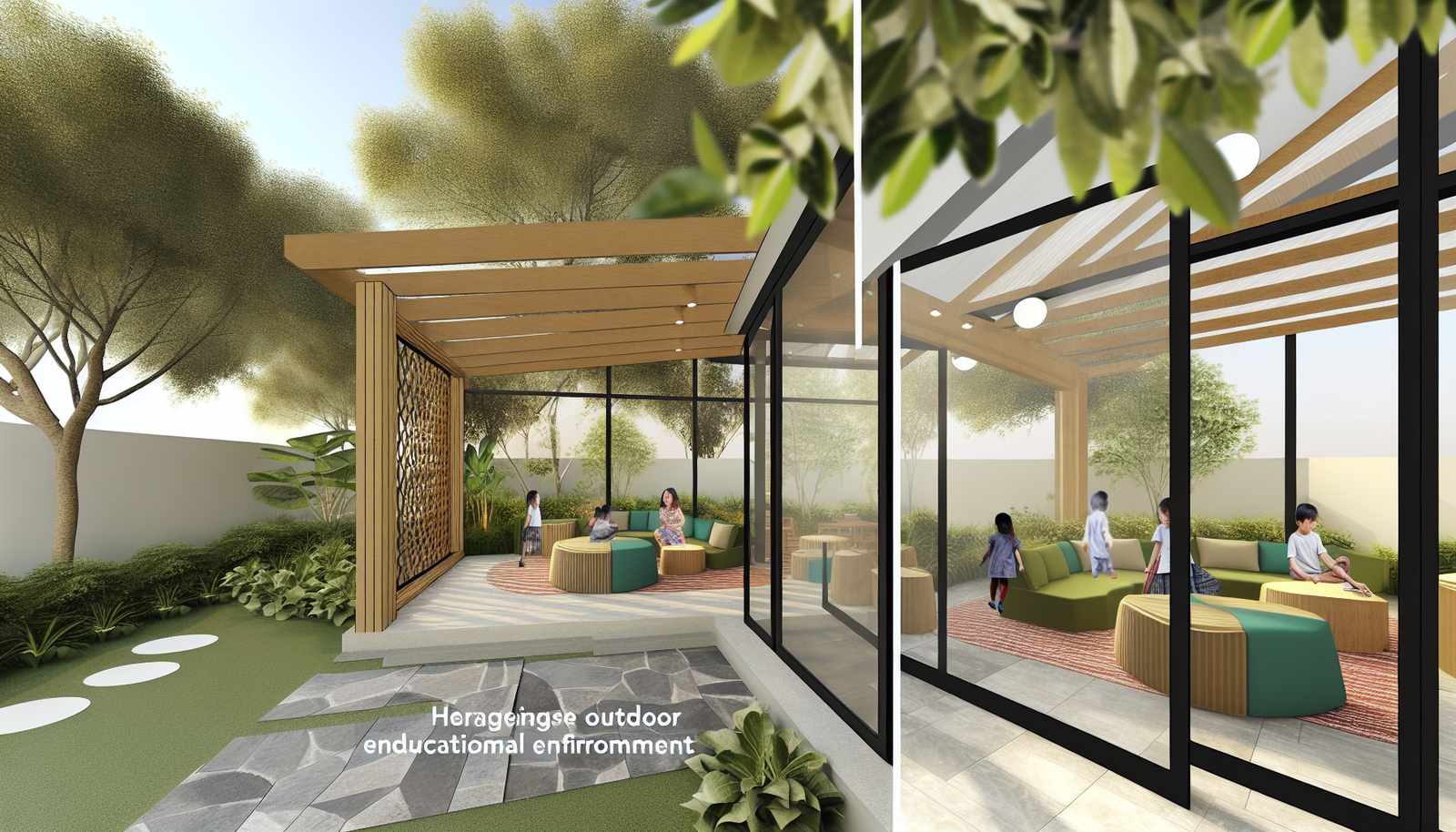
Creating Outdoor Classroom Spaces For Homeschool Families

Imagine your children, not confined to four walls, but exploring, discovering, and learning amidst the rustle of leaves, the chirping of birds, and the warmth of the sun. For homeschool families, the world outside offers an unparalleled learning environment. Creating outdoor classroom spaces for homeschool families transforms typical lessons into vibrant, hands-on adventures, fostering deeper understanding and a lifelong love for learning. This guide will walk you through everything you need to know, from the countless benefits of nature-based education to practical steps for designing and maintaining your very own green learning haven, ensuring both academic growth and joyful exploration.
The traditional classroom model, though effective for some, often lacks the dynamic sensory input and practical application that outdoor learning inherently provides. Many homeschool parents seek innovative ways to engage their children, and moving lessons outdoors offers a refreshing and highly effective solution. This article explores the profound impact of nature on cognitive development, physical well-being, and emotional regulation, offering a roadmap to integrate these benefits directly into your family’s homeschooling routine. You’ll learn how to identify potential outdoor spaces, what essential elements to include, and how to overcome common hurdles to make your outdoor classroom a reality. Get ready to unlock a world of discovery for your homeschooling journey.
The Irresistible Benefits of Outdoor Classroom Spaces for Homeschool Learning
Before diving into the ‘how-to,’ understanding the profound advantages of an outdoor classroom space for homeschool families is essential. These benefits extend far beyond simply getting fresh air; they are deeply rooted in child development and pedagogical efficacy.
Enhanced Cognitive Development and Academic Performance
Research consistently shows that learning in nature can significantly boost cognitive functions. Sunlight exposure, for instance, naturally regulates circadian rhythms, improving alertness and concentration. The dynamic environment encourages problem-solving and critical thinking. Children in outdoor classroom settings often demonstrate:
- Improved Focus and Concentration: The novel stimuli in nature, unlike the artificial distractions of indoor settings, can actually enhance attention spans, especially for children who struggle with traditional classroom environments.
- Stronger Problem-Solving Skills: Unpredictable elements in nature, like a tangled vine or a challenging climb, require children to think creatively and adapt.
- Deeper Understanding of Concepts: Abstract ideas in science, math, and even literature become tangible. Measuring the circumference of a tree, calculating the speed of a stream, or observing a life cycle firsthand makes learning concrete and memorable.
- Increased Curiosity and Inquiry: Nature itself poses questions, sparking an innate desire to explore and understand. What makes that leaf red? How did that ant build such a big mound?
Physical Well-being and Sensory Integration
An outdoor classroom is inherently active. This physical engagement is crucial for development that often gets neglected in static indoor settings.
- Increased Physical Activity: Running, jumping, climbing, digging – all contribute to gross motor skill development, cardiovascular health, and healthy weight.
- Improved Motor Skills: Fine motor skills are honed through tasks like collecting small objects, drawing in the dirt, or building with natural materials.
- Nature-Based Sensory Input: The varied sights, sounds, smells, and textures of nature (the rough bark, the soft moss, the scent of damp earth) provide rich sensory experiences crucial for brain development and sensory processing.
- Boosted Immune System: Exposure to diverse microbes in soil and plants can strengthen a child’s immune system.
Emotional Regulation and Social-Emotional Growth
Nature offers a calming, restorative environment, highly beneficial for emotional well-being and social skill development.
- Reduced Stress and Anxiety: “Green exercise” and exposure to natural environments have been shown to lower cortisol levels and reduce symptoms of ADHD and anxiety.
- Increased Self-Esteem and Confidence: Mastering outdoor challenges, navigating natural spaces, and successfully identifying flora and fauna build a sense of accomplishment and independence.
- Enhanced Connection to Nature: Fostering a deep respect and appreciation for the natural world instills environmental stewardship from a young age.
- Opportunities for Collaboration: Group projects, like building a fort or maintaining a garden, encourage teamwork, communication, and conflict resolution.
For homeschool families, these benefits translate into happier, healthier, and more engaged learners. The investment in creating an outdoor classroom space pays dividends across every aspect of a child’s development.
Identifying Your Outdoor Classroom Potential: Location, Location, Learning
The beauty of creating an outdoor classroom space for homeschool families is its adaptability. You don’t need acres of land; even a small backyard or local park can become a dynamic learning zone. The key is to assess what’s available and how it can be repurposed for educational activities.
Assessing Your Own Space: Backyard, Patio, or Balcony
Most homeschool families start with what they have. Consider these possibilities:
- The Backyard: This is the most common and versatile option. Look for areas that get sun, shade, and potentially a mix of terrain.
- Sunny Spots: Ideal for gardens, solar experiments, or drying natural materials.
- Shady Nooks: Perfect for reading corners, quiet observation, or nature journaling.
- Flat Areas: Good for large-scale projects, art, or building.
- Uneven Terrain: Excellent for developing balance and coordination, or for discussions on geology.
- Patios or Decks: Even paved areas can host an outdoor classroom.
- Container Gardens: Grow herbs, vegetables, or flowers.
- Art Easels: Bring art lessons outdoors.
- Water Tables: Perfect for sensory play and scientific observation.
- Consider overhead protection for all-weather use.
- Balconies or Small Urban Spaces: Don’t dismiss limited space.
- Vertical Gardens: Maximize growing areas.
- Bird Feeders/Houses: Attract local wildlife for observation.
- Portable Tubs: Create mini-habitats or sensory bins.
- In confined spaces, creativity is your best friend when creating an outdoor classroom setting.
Always consider safety: ensure fences are secure, eliminate hazards, and supervise young children.
Leveraging Community Resources: Parks, Trails, and Gardens
Your outdoor classroom doesn’t have to be limited to your property. Public spaces offer incredible opportunities, often free of charge.
- Local Parks: Excellent for botany, zoology (bird watching, insect study), physical education, and art. Many parks have varied ecosystems within them.
- Nature Trails and Preserves: Ideal for ecology lessons, identifying local flora and fauna, practicing navigation skills, and environmental studies.
- Botanical Gardens and Arboretums: Structured environments perfect for learning about plant diversity, biomes, and horticulture. Often have educational programs.
- Community Gardens: Offer hands-on experience with farming, food production, and community building.
- Lakes, Rivers, Ponds, or Beaches: Provide opportunities for marine biology, hydrology, geology, and water-based science experiments.
When using public spaces, always be mindful of regulations, leave no trace, and respect other visitors. These external sites complement your home-based outdoor classroom and provide diverse learning experiences.
Considering Climate and Seasonal Accessibility
The ideal outdoor classroom space accounts for weather patterns. Plan for:
- Sun Protection: Natural shade from trees, pergolas, or shade sails.
- Rain Protection: Overhangs, waterproof gazebos, or pop-up tents. Don’t be afraid of learning in light rain, but have sheltered options.
- Temperature Extremes: Designated areas for warmth (a fire pit, if safe and allowed) or cool (shade, water play).
- Year-Round Use: Think about how activities can change with the seasons. Winter might be for tracking animals in snow, while spring is for planting.
A well-planned outdoor classroom space should be usable across various weather conditions, making learning a year-round adventure.
Essential Zones and Elements for Your Outdoor Classroom Oasis
Once you’ve identified your potential space, it’s time to design. A well-rounded outdoor classroom for homeschool families isn’t just a haphazard collection of objects; it’s a thoughtfully arranged series of ‘zones,’ each designed for specific learning activities.
The Inquiry and Exploration Zone: Engaging Young Scientists
This is where curiosity is king. This zone encourages hands-on investigation and scientific literacy.
- Nature Table/Observation Station: A dedicated surface (a sturdy log, an old picnic table, or a simple stump) for displaying found natural objects like interesting rocks, leaves, feathers, or insect specimens. Include magnifying glasses, bug viewers, and field guides.
- Sensory Bin/Table: Fill with natural materials (sand, soil, water, pebbles, leaves, pinecones, wood chips) for tactile exploration, measurement activities, and imaginative play.
- Digging Patch/Mud Kitchen: A designated area for digging, sifting, and creating with mud. Provide old pots, pans, spoons, and natural “ingredients” (twigs, leaves, acorns). This nurtures imaginative play, fine motor skills, and scientific inquiry into soil properties.
- Water Play Area: A simple basin, bucket, or water table with scoops, funnels, and natural objects for exploring buoyancy, flow, and volume.
- Garden Beds: Even a small raised bed or a few large pots can be transformative. Plant herbs, vegetables, or flowers. This teaches botany, life cycles, patience, and responsibility. Integrate math by measuring plant growth and calculating yields.
The Creative and Expressive Zone: Art, Music, and Language in Nature
Nature inspires creativity. This zone provides outlets for artistic expression and storytelling.
- Outdoor Art Easel/Surface: A portable easel or a simple wall surface where children can paint, draw, or create collages using natural elements.
- Natural Loose Parts: A collection of logs, sticks, stones, pinecones, fabric scraps, and other loose materials that can be rearranged, stacked, and manipulated for creative building, imaginative play, and open-ended design challenges. These foster engineering skills and creative storytelling.
- Music Wall/Sound Station: Attach various objects that make sounds when struck (old pots, metal sheets, bamboo chimes, hollow logs) to a fence or wall. This encourages auditory discrimination and rhythm exploration.
- Staging Area/Performance Space: A simple platform or designated spot for dramatic play, puppet shows, storytelling, or presenting findings. Encourage children to write and perform plays inspired by nature.
The Quiet and Reflective Zone: Reading, Journaling, and Peaceful Observation
Every outdoor classroom needs a space for quiet contemplation, observation, and focused study.
- Cozy Reading Nook: A comfortable spot with cushions, blankets, or a hammock under a shady tree or a small tent. Stock with nature guides, storybooks, and poetry.
- Nature Journaling Station: A clipboard, paper, pencils, and colored pencils readily available for sketching observations, writing poems, or documenting scientific findings.
- Observation Deck/Spot: A designated area (even just a bench or a clear patch of ground) for focused observation of wildlife, weather patterns, or skies. binoculars, magnifying glasses, and a compass can enhance this zone.
- Memory/Calm Down Corner: A safe, secluded spot where a child can retreat for quiet reflection, meditation, or to calm down if feeling overwhelmed.
Practical Considerations: Shelter, Storage, and Seating When Creating Outdoor Classroom Spaces
Beyond the learning zones, practical infrastructure makes your outdoor classroom functional and sustainable.
- Shelter and Shade: A crucial element year-round. This could be a large umbrella, a shade sail, a pop-up canopy, a small gazebo, or simply the natural canopy of a large tree. Provides protection from sun, light rain, and extreme heat.
- Outdoor Storage: Waterproof bins, a small shed, or a repurposed cabinet to store supplies like art materials, tools, gardening equipment, and nature exploration kits. Keeping things organized and protected from the elements is key.
- Flexible Seating: Avoid rigid rows. Think logs, tree stumps, outdoor cushions, portable folding chairs, hay bales, or even just durable blankets. This allows for adaptability for individual work, small groups, or large gatherings.
- Water Source: A nearby hose or a large rain barrel is invaluable for watering plants, washing hands, and engaging in water play.
- Waste Management: A designated bin for compostable materials (leaves, grass clippings) and another for non-recyclable waste helps teach responsibility and environmental awareness.
Designing these zones cohesively ensures that your outdoor classroom space is a holistic and inviting environment for diverse learning activities. Remember to involve your children in the design process; their input will make the space even more meaningful.
Curriculum Integration: Bringing Lessons to Life Outdoors
The true power of creating outdoor classroom spaces for homeschool families lies in seamless curriculum integration. Nearly every subject can be enriched by moving beyond the textbook and into the natural world.
Science: From Botany to Biology, Ecology to Physics
Science is arguably the easiest subject to integrate outdoors. Nature is an open-air laboratory.
- Botany: Identify plants and trees, study their life cycles, collect and press leaves, create a plant journal, propagate plants, or grow your own garden.
- Zoology/Entomology: Observe insects, birds, and other wildlife. Set up a bird feeder or bug hotel. Study animal tracks, make plaster casts. Learn about food chains and habitats.
- Ecology: Investigate local ecosystems (pond, forest floor, garden soil). Study decomposition, nutrient cycles, and the interdependence of living things. Conduct mini surveys of biodiversity.
- Geology: Collect and classify rocks, learn about soil composition, observe erosion patterns after rain, or create a sediment jar.
- Physics: Experiment with gravity (dropping objects), leverage (using sticks as levers), momentum (rolling balls down hills), and simple machines found in nature. Explore sound propagation (yelling into a canyon, listening to echoes).
- Weather and Climate: Track weather patterns, measure rainfall, observe cloud formations, understand wind direction. Create a simple rain gauge or windsock.
These hands-on experiences make scientific concepts tangible and far more memorable than reading about them in a book. The outdoor classroom allows for true scientific inquiry.
Mathematics: Practical Applications in a Real-World Setting
Math outdoors is anything but abstract. It’s about measurement, geometry, patterns, and problem-solving in a tangible way.
- Measurement: Measure plant height, the circumference of trees, the length of shadows, or the distance of a jump. Use standard and non-standard units.
- Geometry: Identify shapes in nature (spiral of a pinecone, hexagonal honeycomb, circular puddles). Draw geometric shapes using sticks or stones. Explore angles in branches or leaf veins.
- Data Collection and Analysis: Count types of insects, leaves, or birds. Graph observations. Create tally charts of natural objects found. Calculate averages for plant growth.
- Fractions and Ratios: Divide natural objects (a log, a piece of fruit) into equal parts. Understand ratios related to plant growth or animal populations.
- Problem-Solving: “How many steps to reach that tree?” “How much water does this garden bed need?” “How can we build a ramp that allows the water to flow faster?”
The outdoor classroom provides endless opportunities for applied mathematics, making it relevant and engaging.
Language Arts: Storytelling, Poetry, and Observational Writing
Nature is a muse. An outdoor classroom space stimulates imagination and provides rich vocabulary.
- Nature Journaling: Encourage detailed observation through drawing and writing. Describe textures, colors, sounds, and how things change over time. This sharpens descriptive language and critical observation.
- Poetry and Creative Writing: Use natural elements as prompts for poems, short stories, or narratives. Write about a day in the life of a bee or the journey of a falling leaf.
- Vocabulary Development: Learn specific names for flora, fauna, geological features, and weather phenomena. Create a glossary of outdoor terms.
- Reading Aloud: Read nature-themed books, folklore, or historical accounts under a tree.
- Storytelling and Dramatic Play: Create and act out stories using natural props and settings.
History and Social Studies: Connecting to the Land and Past
History isn’t just about dates and names; it’s about people, places, and how societies interact with their environment.
- Local History: Research the native plants and animals of your region and how indigenous people or early settlers interacted with them. Visit historical sites in nature preserves.
- Geography: Study local landforms, watersheds, and ecosystems. Create maps of your outdoor classroom or a local park. Understand cardinal directions using the sun.
- Archaeology: Create a simulated dig site using buried “artifacts” and explore principles of archaeology.
- Environmental History: Discuss historical changes in local landscapes due to human activity or natural events.
Art and Music: Inspired by Earth’s Creations
The ultimate canvas and soundboard for artistic expression.
- Nature Art: Create land art using sticks, stones, leaves, or pinecones. Make nature collages, twig sculptures, or “rock monsters.” Paint with mud or natural dyes.
- Sketching and Painting: Use the natural world as subjects for visual art. Focus on light, shadow, texture, and color.
- Natural Instrument Making: Create simple musical instruments from gourds, bamboo, or hollow logs.
- Soundscapes: Listen actively to the sounds of nature and reproduce them vocally or with instruments. Discuss pitch, rhythm, and timbre.
By thoughtfully weaving these subjects into the outdoor classroom space, homeschool families can create a rich, interdisciplinary learning experience that fosters curiosity and deep engagement.
Safety First: Ensuring a Secure Outdoor Learning Environment
While the goal is to provide freedom and exploration, safety is paramount. When creating outdoor classroom spaces for homeschool families, a proactive approach to potential hazards ensures a worry-free learning journey.
Hazard Identification and Mitigation
Regularly inspect your outdoor learning area for potential dangers:
- Poisonous Plants: Learn to identify common poisonous plants in your area (e.g., poison ivy, poison oak, deadly nightshade) and remove them or clearly mark them as off-limits. Educate children on identifying and avoiding them.
- Insects and Pests: Be aware of ticks, mosquitoes, spiders, and stinging insects. Teach children about safe insect observation, how to identify dangerous bites/stings, and what to do if bitten. Consider natural insect repellents.
- Water Hazards: If your outdoor space includes ponds, streams, or even large water features, ensure adequate supervision, fencing, or safety protocols are in place, especially for younger children.
- Sharp Objects/Debris: Regularly clear the area of broken glass, rusty metal, sharp stones, or other man-made hazards.
- Unstable Structures: Check trees for dead branches, ensure garden beds are stable, and any outdoor furniture is sturdy.
- Weather Extremes: Have a plan for sudden changes in weather. Know when to seek shelter from storms, extreme heat, or cold. Ensure access to water for hydration.
First Aid and Emergency Preparedness
Being prepared can make all the difference:
- Well-Stocked First Aid Kit: Essential for minor cuts, scrapes, stings, and burns. Include antiseptic wipes, bandages, pain relievers, allergy medication (if applicable), and tick removers.
- Emergency Contact Information: Keep a laminated list of emergency contacts, doctors, and poison control numbers readily accessible.
- Communication Plan: For older children exploring wider areas, establish clear boundaries and check-in times. Consider walkie-talkies or cell phones for remote areas.
- Local Emergency Services: Know the quickest way to contact local police, fire, or ambulance services.
- Basic First Aid Knowledge: All supervising adults should be comfortable administering basic first aid and CPR.
Rules and Boundaries for Outdoor Exploration
Clear expectations foster a safe and respectful learning environment:
- Establish Clear Boundaries: Define the safe exploration area. For younger children, this might be a simple fence; for older children, it could be a verbal agreement about how far they can roam.
- “Leave No Trace” Principles: Teach children to pack out what they pack in, avoid damaging plants or disturbing wildlife, and leave the natural environment as they found it.
- Respect for Wildlife: Train children to observe animals from a distance, never feed wild animals, and understand that some animals might bite or sting if provoked.
- Tool Safety: If using gardening tools, knives for whittling, or other equipment, teach proper handling, storage, and supervised use.
- Buddy System: For older children, encourage a buddy system when exploring more independently.
By implementing these safety measures, homeschooling families can feel confident in providing a secure, enriching outdoor classroom experience for their children, promoting both learning and peace of mind.
Maintenance and Evolution: Keeping Your Outdoor Classroom Thriving
An outdoor classroom isn’t a static creation; it’s a living, breathing space that requires ongoing attention and should evolve with your children’s needs. Creating outdoor classroom spaces for homeschool families is an ongoing journey.
Routine Upkeep and Seasonal Planning
Just like any garden or outdoor area, your learning space needs regular care:
- Daily Checks: A quick glance for hazards, tidiness, and misplaced items. Encourage children to participate in a “reset” at the end of each learning session.
- Weekly / Bi-Weekly Tidying: Rake leaves, sweep paths, wipe down surfaces, and organize materials. Check plants for pests or watering needs.
- Monthly / Seasonal Deep Clean: Clean storage bins, wash outdoor cushions, prune plants, mend any broken structures (e.g., mud kitchen, fort).
- Seasonal Planning:
- Spring: Prepare garden beds, plant seeds, observe new growth.
- Summer: Focus on water activities, harvest garden produce, explore insects. Ensure adequate shade and hydration.
- Autumn: Collect leaves/nuts/seeds, study decomposition, prepare for colder weather, perhaps plant hardy bulbs.
- Winter: Observe winter animals, track footprints in snow, identify bare trees, explore ice formations, or bring some nature indoors for observation.
Involving children in the maintenance teaches responsibility and fosters a sense of ownership over their learning environment.
Adapting to Developmental Stages and Interests
As your children grow and their interests shift, so too should your outdoor classroom space.
- Younger Children (Toddlers-Early Elementary): Focus on sensory play (sand, water, mud), gross motor development (climbing, running), and basic identification (colors, shapes, simple animals). The space should be highly tactile and explorative.
- Middle Elementary: Introduce more structured observation (simple experiments, nature journaling), gardening, building with loose parts, and early scientific inquiry. Encourage problem-solving through hands-on projects.
- Upper Elementary to Middle School: Facilitate more complex scientific experiments, detailed ecological studies, long-term gardening projects, mapping, and advanced crafting/building. Encourage independent research and design challenges.
- High School: Support independent projects, citizen science initiatives, advanced botany/biology studies, environmental stewardship projects, or even outdoor skills like wilderness survival, orienteering, or natural resource management.
Listen to your children’s questions and observe what truly captures their attention. If they demonstrate a keen interest in birds, invest in more bird-watching resources. If they love building, provide more diverse loose parts. The outdoor classroom should be a dynamic reflection of their evolving curiosity.
Incorporating New Ideas and Resources
The world of outdoor education is constantly growing. Stay inspired by:
- Networking: Connect with other homeschooling families who use outdoor learning. Share ideas, resources, and even field trip opportunities.
- Online Resources: Follow nature education blogs, Pinterest boards, and social media groups. There are countless free printables, activity ideas, and curriculum suggestions available.
- Books and Courses: Invest in books on nature play, outdoor pedagogy, or specific nature identification guides. Consider online courses or local workshops on topics like permaculture, wilderness skills, or citizen science.
- Community Programs: Check if local nature centers, museums, or botanical gardens offer homeschooling programs or workshops that can augment your at-home learning.
By treating your outdoor classroom as a living project, you ensure it remains a vibrant, engaging, and invaluable resource for your family’s homeschooling journey for years to come. This continuous evolution is what truly makes creating outdoor classroom spaces for homeschool families a rewarding endeavor.
Overcoming Common Challenges in Outdoor Homeschooling
While the benefits are clear, creating outdoor classroom spaces for homeschool families and consistently using them comes with its own set of hurdles. Addressing these proactively can turn potential frustrations into opportunities for resilience and innovation.
Weather Woes: Too Hot, Too Cold, Too Wet
Nature is unpredictable, but your learning doesn’t have to stop because of it.
- Embrace the Elements: “There’s no bad weather, only bad clothing.” Invest in appropriate gear for all seasons: waterproof jackets and pants, warm layers, sun hats, and sturdy footwear. Teach children the joy of splashing in puddles or feeling the crisp air.
- Shelter and Shade Solutions: As mentioned, a permanent or portable shelter (gazebo, large umbrella, shade sail) is key. For extreme cold, a small propane heater (with proper ventilation and safety) can extend outdoor time in a protected area.
- Alternate Activities: Have a “rainy day” or “too hot” plan. Some activities can be modified to be done under a covered porch or even brought partially indoors (e.g., dissecting a flower you collected, classifying leaves).
- Flexibility: Not every day has to be an outdoor classroom day. Be flexible with your schedule and adjust if conditions are truly unsafe or uncomfortable.
Space and Resource Limitations
Not every family has a sprawling backyard, but creativity trumps acreage.
- Think Vertically: Utilize vertical gardening (stacking planters, wall pockets) to maximize plant growth in small spaces.
- Portability is Key: Many outdoor classroom elements can be portable. Use wheeled crates for storage, foldable tables, and carry-along nature kits. Take your classroom to a local park or nature preserve.
- Multi-Purpose Items: A stump can be a seat, a table, and a climbing object. Loose parts can be anything from building blocks to scientific specimens.
- DIY Solutions: Many outdoor classroom elements can be created from recycled or repurposed materials at low cost. Old pallets for vertical gardens, tires for planters, or
branches for fort building. - Community Resources: Don’t forget your local library for nature books, tool-lending libraries (if available), or even community garden plots.
Keeping Focus and Managing Distractions
The very dynamism of nature can sometimes be distracting. Here’s how to maintain focus:
- Clear Objectives: Before heading out, clearly state the learning goal for the session. “Today, we are going to find three different types of leaves and sketch them.”
- Short, Focused Activities: Break down longer lessons into shorter, manageable chunks. Frequent changes of activity can keep engagement high.
- Observation Time: Schedule dedicated “free exploration” or “observation” time before or after a focused activity. This allows children to get their initial wiggles and curiosities out.
- Guidance, Not Control: Offer prompts and open-ended questions rather than rigid instructions. “What do you notice about this ant?” versus “Count the ants.”
- Involve Their Interests: Tailor activities to spark their existing curiosities. If they love superheroes, can you find “super-plants” that clean the air?
- Designated ‘Quiet Zones’: Ensure your outdoor classroom has a designated area for quiet reflection or focused individual work, away from more active zones.
By anticipating and strategically planning for these challenges, homeschool families can build resilience and ensure their outdoor classroom remains a vibrant, accessible, and highly effective space for learning and growth, no matter the circumstances.
Recommended Resources for Your Outdoor Classroom Journey
Building an outdoor classroom for homeschool families doesn’t mean you have to invent everything from scratch. Numerous excellent resources can guide, inspire, and equip you.
Books for Inspiration and Activity Ideas
- **”Last Child in the Woods: Saving Our Children from Nature-Deficit Disorder”** by Richard Louv: While not a how-to guide, this foundational book highlights the crucial importance of connecting children with nature and provides powerful motivation.
- **”Forest School Handbook: Outdoor Skills for Playful Learning”** by Jane Worroll & Lily Horseman: Offers practical advice and activities inspired by the Forest School movement, fostering resilience, problem-solving, and a love for nature.
- **”Sharing Nature with Children”** by Joseph Cornell: Full of classic nature awareness activities that encourage deep observation and sensory engagement.
- **”The Nature Connection: An Outdoor Workbook for Kids, Families, and Classrooms”** by Clare Walker Leslie: Provides prompts and ideas for nature journaling, drawing, and observation, perfect for all ages.
- **”Play the Forest School Way: Woodland Games and Crafts for the Outdoor Kid”** by Peter Dammann, Jane Worroll, and Richard Skrein: More hands-on activities that foster creativity and outdoor skills.
Tools and Supplies for Your Outdoor Classroom
- Observation Tools:
- Magnifying Glasses & Bug Viewers: Essential for close-up exploration.
- Binoculars: For bird watching and observing distant wildlife.
- Field Guides: Region-specific guides for identifying plants, birds, insects, and trees. Laminated versions are great for outdoor use.
- Gardening Supplies:
- Kids’ Garden Tools: Durable, appropriately sized shovels, rakes, hand trowels, and watering cans.
- Seeds & Seedlings: Choose easy-to-grow varieties for quick success initially (e.g., radishes, lettuce, sunflowers).
- Garden Gloves: Protect hands during planting and digging.
- Art & Craft Supplies:
- Waterproof Paper & Pencils: For journaling in all weather.
- Washable Paints: Or natural earth pigments for outdoor art.
- Baskets & Bags: For collecting natural treasures.
- Safety & Comfort:
- First Aid Kit: As detailed in the safety section.
- Sunscreen & Insect Repellent: Non-toxic options recommended.
- Outdoor Seating: Portable cushions, lightweight stools, or durable blankets.
- Water Bottle: Essential for staying hydrated.
- Building & Exploration:
- Loose Parts: A dedicated collection of natural (logs, stumps, rocks, pinecones) and reclaimed (fabric scraps, PVC pipes, old tires, wooden planks) materials.
- Buckets & Shovels: For digging, carrying, and exploring textures.
Online Communities and Websites
- **Nature-Based Homeschooling Groups (Facebook/Forums):** Search for local or national online communities dedicated to outdoor homeschooling. These are invaluable for sharing ideas, asking questions, and finding support.
- **Project Learning Tree (www.plt.org):** A national environmental education program offering fantastic activity guides for all ages, often adaptable for outdoor settings.
- **National Park Service (www.nps.gov/kids):** Offers educational resources, junior ranger programs, and virtual field trips that can inspire real-world outings.
- **Local Nature Centers and Extension Offices:** Check their websites for events, educational materials, and sometimes even lending programs for educational equipment.
- **Pinterest & Instagram:** Visual platforms are rich with outdoor classroom ideas, DIY projects, and activity inspirations from other creative families and educators. Search terms like “outdoor classroom homeschool,” “nature play ideas,” “forest school at home.”
By leveraging these resources, homeschool families can continuously enrich their outdoor classroom space and ensure it remains a dynamic and engaging learning environment, expanding beyond traditional methods and embracing the natural world as a powerful educator.
Frequently Asked Questions About Outdoor Classrooms for Homeschoolers
What is an outdoor classroom space for homeschool families?
An outdoor classroom space is a designated or utilized area in nature, such as a backyard, local park, or trail, where homeschooling activities and curriculum integration take place. It leverages the natural environment to foster hands-on learning, sensory engagement, physical activity, and emotional well-being, moving education beyond the traditional indoor setting. This dynamic space encourages observation, exploration, and deep understanding across various subjects.
How much space do I need to create an effective outdoor classroom?
You don’t need a huge area. An effective outdoor classroom can be created in a small backyard, on a patio, or even a balcony using container gardens and vertical elements. The key is thoughtful design and optimizing the available space with various learning zones. Public parks, nature trails, and community gardens can also serve as extended outdoor classrooms, providing diverse real-world learning opportunities.
What subjects can be taught in an outdoor classroom?
Virtually every subject can be enriched outdoors! Science (botany, zoology, ecology, physics of motion), mathematics (measurement, geometry, data collection), language arts (nature journaling, descriptive writing, storytelling), history/social studies (local geography, historical land use), and art/music (nature art, soundscapes) all gain depth and relevance when experienced in a natural setting.
What are the main benefits of outdoor learning for homeschool children?
The benefits are vast, including enhanced cognitive development (improved focus, problem-solving), increased physical activity and fine/gross motor skills, better sensory integration, reduced stress and anxiety, boosted immune systems, greater self-esteem, and a deeper connection to the natural world. It encourages curiosity, resilience, and a love for lifelong learning.
How do I keep my outdoor classroom safe and manageable?
Safety involves regular hazard checks (poisonous plants, sharp objects), a well-stocked first aid kit, and clear rules for exploration. Manageability comes from routine maintenance, organized storage, and involving children in the upkeep. Adapting activities to weather, leveraging community resources for limited space, and setting clear learning objectives help overcome common challenges and maintain focus.
Can outdoor learning be effective year-round, even in cold or wet weather?
Yes, with proper planning and gear! Invest in waterproof clothing and warm layers. Utilize shelters like gazebos or pop-up canopies for rain and sun protection. Many cultures have embraced outdoor learning in all seasons, focusing on observations unique to each time of year, like tracking animals in snow or studying the lifecycle of deciduous trees. The key is preparedness and a flexible mindset.
What are some low-cost ways to create an outdoor classroom space?
Many elements can be DIY or sourced affordably. Use recycled materials like old tires for planters, pallets for vertical gardens, or fallen logs for seating. Utilize natural “loose parts” like sticks, stones, and leaves for building and art. Community resources, public parks, and backyard exploration are often free. Focus on creating accessible zones with simple, versatile materials rather than expensive structures.
How do I motivate my child to learn outdoors if they prefer indoor activities?
Start small and make it fun! Introduce activities based on their existing interests (e.g., if they love drawing, try nature sketching; if they like building, create a fort). Incorporate beloved stories or characters into outdoor adventures. Emphasize observation and discovery, allowing for open-ended play alongside structured lessons. Gradually increase outdoor time as they develop comfort and confidence in the new environment.
Conclusion: Cultivating a Lifelong Love for Learning Outdoors
Developing an outdoor classroom space for homeschool families is more than just a trend; it’s a profound shift in educational philosophy. By moving lessons into the natural world, you unlock a dynamic, multi-sensory learning environment that profoundly impacts a child’s development across cognitive, physical, emotional, and social domains. From the simplest backyard patch to the vast expanses of a local nature preserve, every natural setting holds immense potential to become a vibrant classroom.
The journey of creating outdoor classroom spaces for homeschool families is an evolving one. It requires creativity, a commitment to safety, and a willingness to embrace the unpredictable beauty of nature. But the rewards are immeasurable: children who are more engaged, naturally curious, physically robust, and deeply connected to the world around them. As you integrate science, math, language arts, and more into this unique setting, you won’t just be teaching subjects; you’ll be cultivating resilience, fostering a spirit of inquiry, and instilling a lifelong love for learning that extends far beyond textbooks and indoor walls. Embrace the outdoors, and watch your homeschooling adventure truly blossom.
Content Disclaimer
The information provided in this article is for general informational and educational purposes only and is not intended as a substitute for professional advice. While we strive to provide accurate and helpful content regarding creating outdoor classroom spaces for homeschool families, individual results and suitability may vary. Always prioritize safety, exercise due diligence, and consult with relevant professionals or experts when implementing specific design elements or educational strategies, especially concerning safety, permaculture practices, or specific curriculum needs.
Categories
- Accent Walls & Ceilings (84)
- Art Curation & Gallery (83)
- Bedding Style Trends (89)
- Bedroom Makeover (96)
- Bohemian & Eclectic Styles (80)
- DIY & Budget-Friendly Decor (78)
- Eco-Friendly Design (83)
- Furniture Care (87)
- Home Decor & Design Ideas (181)
- Home Wellness Spaces (103)
- Integrated Outdoor Living (91)
- Japandi Style (84)
- Kids and Nursery Decor (73)
- Living Room Decor (99)
- Mix & Match Techniques (95)
- Modern & Contemporary Design (88)
- Rug Sizing & Placement (89)
- Scandinavian Design Inspiration (51)
- Seasonal Home Decor (100)
- Small Space Solutions (93)
- Wall Art & Painting Tips (94)
Recent Comments
Archives
Product Gallery
-
 Majestic African Wildlife Canvas Art for Stylish Home Decor
Rated 5.00 out of 5
Majestic African Wildlife Canvas Art for Stylish Home Decor
Rated 5.00 out of 5 -
 Cozy Irregular Green Plush Rug for Nordic Living Spaces
Rated 5.00 out of 5$51.10 – $322.28Price range: $51.10 through $322.28
Cozy Irregular Green Plush Rug for Nordic Living Spaces
Rated 5.00 out of 5$51.10 – $322.28Price range: $51.10 through $322.28 -
 Scandinavian Geometric Area Rugs for Stylish Home Décor
Rated 5.00 out of 5$36.70 – $556.03Price range: $36.70 through $556.03
Scandinavian Geometric Area Rugs for Stylish Home Décor
Rated 5.00 out of 5$36.70 – $556.03Price range: $36.70 through $556.03