
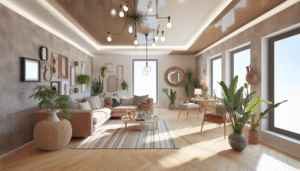

Creating Seamless Indoor Outdoor Living Room Transitions

Imagine a home where the line between your cozy living room and your vibrant backyard simply melts away. This isn’t just a dream; it’s the art of creating seamless indoor outdoor living room transitions. In today’s design world, homeowners are increasingly eager to extend their usable living space, blurring traditional boundaries to foster connectivity with nature and enhance everyday living. This guide will take you step-by-step through the process, from foundational concepts to intricate design details, ensuring your home feels more expansive, functional, and utterly breathtaking. You’ll learn how to transform your home into an open, airy haven, maximizing natural light and fresh air, and creating an integrated flow that enhances both relaxation and entertainment.
By the end of this comprehensive article, you’ll understand the core principles, practical solutions, and inspired ideas needed to achieve effortless indoor outdoor flow. We’ll delve into architectural considerations, material choices, furniture selection, and even smart technology that will help you achieve a truly unified aesthetic. Ready to unlock the full potential of your home and experience the joy of living without walls? Let’s begin.
Why Seamless Indoor Outdoor Transitions Matter: Beyond Aesthetics
The desire for a home that effortlessly connects with its surroundings goes far beyond just looking good. Creating seamless indoor outdoor living room transitions taps into fundamental human needs for light, air, and connection to nature. This design philosophy dramatically impacts well-being, property value, and functional living space.
Enhancing Well-being and Lifestyle
Think about the last time you felt truly relaxed. Chances are, it involved fresh air, natural light, or a beautiful view. Integrating indoor and outdoor spaces brings these elements directly into your daily life. Abundant natural light boosts mood, improves sleep patterns, and even increases productivity. Fresh air circulation purifies your home environment, reducing stale air and the accumulation of indoor pollutants. This design choice fosters a healthier, more refreshing atmosphere that contributes directly to a better quality of life.
Furthermore, this fluidity encourages a more active and engaged lifestyle. Imagine enjoying your morning coffee on your patio directly off your living room, or moving your dinner party alfresco without missing a beat. It’s about freedom and flexibility.
Maximizing Usable Square Footage and Property Value
One of the most immediate benefits of seamless transitions is the expansion of your perceived living space. A small living room can feel significantly larger when it opens up entirely to an outdoor area. This isn’t just an illusion; by making outdoor areas truly habitable and accessible, you effectively add functional “rooms” to your home. For instance, a covered patio becomes an outdoor dining room, and an open deck transforms into an extended lounge area.
This added functionality and enhanced lifestyle appeal translate directly into increased property value. Homes with well-executed indoor outdoor living spaces are highly sought after in the real estate market. They offer a unique selling proposition that competitors often lack, making your property more attractive and potentially yielding a higher return on investment. Research suggests that well-designed outdoor living spaces can add significant value.
- Expanded Living Area: Effectively adds square footage without physical construction limitations.
- Enhanced Appeal: Highly desirable feature for homebuyers.
- Higher ROI: Investments in outdoor living often see favorable returns.
Architectural Foundations: The Pillars of Connectivity
Achieving truly seamless indoor outdoor living room transitions starts with intelligent architectural choices. These elements are the backbone of your design, dictating how easily and gracefully your spaces merge. Overlooking these foundational decisions can lead to disjointed results, so it’s crucial to get them right from the outset.
Beyond Traditional Doors: Sliding, Folding, and Pocket Systems
Forget the standard hinged door; modern design demands something more fluid. The right door system is undoubtedly the most critical component in achieving a seamless transition. These options offer varying degrees of openness and aesthetic appeal:
- Sliding Glass Doors: A classic choice, modern sliding doors feature larger panes of glass and often disappear into wall pockets, creating expansive openings. They are less visually obtrusive than traditional doors but require space along the wall for the panels to slide.
- Bifold (Folding) Doors: These beautiful systems fold accordion-style to one or both sides, creating an almost entirely open wall. They are excellent for creating very wide apertures and can truly erase the boundary between indoors and out.
- Pocket Doors: For the ultimate seamless look, pocket doors slide completely into a wall cavity, disappearing from view. This creates an unhindered opening, leaving no visual or physical obstruction. They require careful planning during construction or renovation but offer an unparalleled sense of openness.
- Lift-and-Slide Doors: A premium option, these doors lift slightly before sliding, creating an incredibly smooth and effortless operation for very large and heavy glass panels. They offer excellent insulation and security when closed.
When selecting a door system, consider the size of the opening you desire, your climate (for insulation needs), and your budget. Modern systems prioritize thermal efficiency and ease of operation.
Leveling the Playing Field: Thresholds and Flooring
Perhaps the most subtle yet impactful aspect of a seamless transition is eliminating the threshold. A raised lip or step immediately creates a barrier. The goal is a flush transition where your indoor flooring literally meets your outdoor flooring at the same height. This requires careful consideration during construction or renovation, ensuring proper drainage outdoors to prevent water intrusion indoors.
For flooring, consistency is key. Using the exact same material, or materials with very similar tones and textures, further blurs the line. Ideal choices include:
- Large Format Tiles: Porcelain tiles, especially those rated for both indoor and outdoor use, are fantastic. They offer durability, easy maintenance, and a sleek modern look.
- Hardwood or Mimic Wood: While real hardwood is rarely suitable for direct outdoor exposure without extensive treatment, engineered wood or high-quality wood-look porcelain tiles can achieve the warmth and texture of wood both indoors and out.
- Natural Stone: Slate, travertine, or granite offer an organic, luxurious feel. Ensure the outdoor stone is slip-resistant and properly sealed.
- Concrete: Polished concrete indoors extending to brushed or stenciled concrete outdoors provides an urban, contemporary vibe.
Maintaining a consistent color palette and material texture reinforces the idea that these are extensions of the same space, creating a harmonious and expansive effect. This continuity helps the eye flow effortlessly from one area to the next.
Design Harmony: Unifying Your Aesthetic Vision
Once the architectural bones are in place, the true magic of seamless indoor outdoor living room transitions happens through thoughtful design choices. This is where you create a cohesive visual language that speaks to both environments, making them feel like different chapters of the same story.
Strategic Color Palettes and Material Consistency
The simplest way to connect two spaces is through color. Choose a dominant color palette for your indoor living room and extend it, or variations of it, to your outdoor area. This doesn’t mean everything needs to be identical, but rather that the colors should complement each other naturally.
- Neutrals with Pops: A base of neutral tones (grays, whites, creams, natural wood tones) inside and out provides a calming backdrop. Introduce accent colors through pillows, throws, plants, or outdoor decor that echo colors found in both spaces.
- Nature-Inspired Hues: Blues, greens, and earthy browns inherently connect indoor spaces with the outdoors.
Material consistency is equally important. If your indoor space features exposed brick, consider a brick accent wall outside. If you have warm wooden accents inside, repeat that wood tone in your outdoor furniture or decking. This visual repetition subtly reinforces the connection, making the transition feel natural and intuitive.
Furniture Selection: Bridging the Divide with Style
Your furniture can be a powerful tool for visual connection. The key is to select pieces that feel appropriate for both environments, even if they aren’t explicitly designed to be moved between them.
- Similar Silhouettes: Choose outdoor furniture with similar lines, proportions, and styles to your indoor pieces. If your indoor sofa is low-slung and modern, select an outdoor lounge set with a similar contemporary profile.
- Crossover Materials: Materials like teak, wicker, rattan, or specific metals (powder-coated aluminum) look fantastic both indoors and out. Upholstery fabrics designed for outdoor use often mimic indoor textures, adding to the seamless feel. Look for outdoor fabrics that are soft and inviting, not stiff and purely functional.
- Portable Pieces: Consider pieces that can genuinely move between spaces. Ottomans, side tables, and even lightweight accent chairs can be pulled indoors or out as needed, creating flexible arrangements for entertaining.
The goal is to avoid a jarring shift in style or comfort. If your indoor space is plush and inviting, your outdoor lounge should strive for a similar level of comfort and aesthetic appeal. This makes spending time outdoors feel like a natural extension of your indoor experience.
Lighting & Landscaping: Illumination and Greenery
Beyond the structural and aesthetic elements, dynamic lighting and thoughtful landscaping are crucial for truly seamless indoor outdoor living room transitions. These elements add depth, atmosphere, and a living connection to nature, even after the sun goes down.
Strategic Illumination: Extending Daylight, Enhancing Ambiance
Lighting should serve a dual purpose: extending the usability of your outdoor space into the evening and guiding the eye naturally across the transition. The goal is to create a consistent lighting design that feels integrated, not abrupt.
- Layered Lighting: Just as you layer lighting indoors (ambient, task, accent), do the same outdoors. Use soft, ambient lighting for overall glow, pathway lighting for safety, and accent lighting to highlight plants or architectural features.
- Warm Color Temperatures: Match the warmth of your indoor lighting (typically 2700K-3000K) with your outdoor fixtures. This prevents a stark contrast and maintains a welcoming, cozy atmosphere.
- Invisible Fixtures: Opt for recessed lighting, up-lights, or discreet fixtures that blend into the environment during the day but provide effective illumination at night.
- Dimmers and Smart Control: Dimmers allow you to adjust the mood, while smart lighting systems (controlled via app or voice) offer ultimate convenience and integration with your indoor smart home setup.
When the sun sets, your expertly lit outdoor space should beckon, feeling like a natural extension of your illuminated indoor living area, rather than a dark void beyond the glass. This continuity makes both spaces more inviting and functional.
Bringing Nature In: Integrated Landscaping and Greenery
A true indoor outdoor transition isn’t just about architectural features; it’s about seamlessly integrating greenery and the natural world. This literally brings the outdoors in, creating a living connection.
- Container Gardens: Use large, architecturally interesting planters directly outside your opening. Plant them with greenery that complements your indoor plants, or use tall, slender plants to create living screens.
- Indoor Plants as Bookends: Place large, striking indoor plants near the opening, mirroring the foliage just outside. This visual echo reinforces the connection.
- Vertical Gardens: A vertical garden just outside your doors adds lush greenery without taking up much floor space, creating a vibrant focal point easily viewed from inside.
- Edible Gardens: Imagine stepping directly from your living room to pluck fresh herbs for dinner. A small, accessible herb garden nearby adds functionality and sensory appeal.
- Water Features: The gentle sound of a trickling fountain just outside your door can create a serene atmosphere that permeates both spaces.
The more intentional you are about weaving nature into and around the transition point, the more truly unified and organic your living spaces will feel. It’s about creating a dialogue between the built environment and the natural one.
Functional Elements: Comfort and Convenience Outdoors
Making your outdoor living area truly functional and comfortable is paramount for achieving seamless indoor outdoor living room transitions. If the outdoor space isn’t inviting, you won’t use it, regardless of how beautifully it connects to the inside. Think about replicating indoor comforts and conveniences outdoors.
Climate Control: Extending the Season
The biggest hurdle to year-round outdoor enjoyment is often climate. Addressing this allows you to use your integrated space for more months of the year.
- Outdoor Heaters: Propane-powered standing heaters, wall-mounted electric infrared heaters, or built-in gas fire pits can significantly extend the usability of your patio into cooler evenings.
- Ceiling Fans: For warmer climates, outdoor-rated ceiling fans provide a welcome breeze and help deter insects.
- Shade Structures: Pergolas, retractable awnings, or large cantilever umbrellas are essential for sun protection and creating comfortable microclimates. Choose materials and styles that complement your home’s aesthetic.
- Outdoor Rugs: Beyond aesthetics, an outdoor rug can define a space and add a layer of insulation to your feet on cooler days, enhancing comfort.
By investing in these climate-controlling features, you transform your outdoor space from a seasonal novelty into a year-round extension of your home.
Entertainment and Utility: The Outdoor ‘Living Room’ Experience
To truly mirror an indoor living room experience, your outdoor space needs similar amenities. Consider how you use your indoor living room and try to replicate those functions.
- Outdoor Kitchens/Grills: A well-appointed outdoor kitchen, even a simple grill station with counter space, minimizes trips back and forth, keeping the party fluid.
- Entertainment Systems: Outdoor-rated televisions and sound systems allow you to enjoy movies or music without having to bring complex equipment outside.
- Power Outlets: Strategically placed weatherproof outdoor outlets are essential for lighting, charging devices, or powering blenders for outdoor entertaining.
- Storage Solutions: Attractive, weatherproof outdoor storage keeps pillows, throws, and other essentials conveniently at hand but out of sight when not in use.
These thoughtful additions elevate your outdoor area from simply being ‘outside’ to being a fully functional and enjoyable ‘outdoor room’, furthering the concept of seamless indoor outdoor living room transitions.
Smart Home Integration: The Seamless Tech Advantage
In our increasingly connected world, smart home technology plays a pivotal role in creating truly effortless and luxurious seamless indoor outdoor living room transitions. It’s not just about convenience; it’s about making your interconnected spaces responsive to your needs and preferences, often without you lifting a finger.
Automated Climate and Lighting Control
Imagine your outdoor heaters springing to life as the evening chill sets in, or your landscape lights softly illuminating as dusk approaches – all without a manual flick of a switch. Smart home systems make this a reality.
- Smart Thermostats & Sensors: Integrate outdoor temperature sensors with smart heating or cooling systems. Some systems can automatically activate outdoor heaters when the temperature drops below a certain point.
- Smart Lighting: Control all indoor and outdoor lights from a single app, set schedules, or even integrate with motion sensors for security and convenience. Adjust brightness and color temperature to match the mood or time of day, ensuring a consistent ambiance across both spaces.
- Smart Blinds/Awnings: Motorized retractable awnings or blinds can be programmed to extend or retract based on sunlight levels, temperature, or a schedule, offering dynamic shade and privacy with ease.
This level of automation ensures your outdoor extensions are always comfortable and perfectly lit, enhancing the feeling of a truly integrated living environment.
Integrated Audio, Security, and Connectivity
Extend the comforts and infrastructure of your indoor smart home to your outdoor living areas. Why should the music stop when you step outside?
- Zoned Audio Systems: Install outdoor-rated speakers that can be controlled independently or in sync with your indoor audio. Stream music to your patio while a different playlist runs in your kitchen, or have the same music flow seamlessly throughout.
- Outdoor Wi-Fi Extenders: Ensure robust Wi-Fi connectivity across your entire property. A reliable network is essential for streaming music, watching TV, and managing smart devices outdoors.
- Smart Security Cameras & Sensors: Outdoor security cameras and motion sensors integrate with your indoor system, providing peace of mind and discreet monitoring of your extended living space.
- Voice Assistant Integration: Control lights, music, and even some smart appliances outdoors with simple voice commands, further blurring the lines between indoor and outdoor functionality.
By leveraging smart home technology, your seamless indoor outdoor living room transitions aren’t just aesthetically pleasing; they are intelligently responsive and remarkably convenient, delivering a truly modern living experience.
Case Study: The Zen Haven Project
To illustrate the power of well-executed seamless indoor outdoor living room transitions, let’s explore “The Zen Haven Project,” a real-world example of transformation.
The Challenge: Disconnected Spaces and Limited Use
Mr. and Mrs. Chen purchased a beautiful 1970s ranch-style home with a spacious but underutilized backyard. The existing living room opened to a small, raised concrete patio via a standard sliding glass door and a two-step threshold. The patio was rarely used due to harsh afternoon sun, lack of comfort, and a feeling of disconnect from the interior. The Chans desired a tranquil, integrated space for entertaining and daily relaxation.
The Solution: A Holistic Approach to Integration
Our design team identified key areas for improvement, focusing on architectural, material, and functional elements:
- Architectural Overhaul: The existing sliding door was replaced with a stunning 15-foot wide bifold glass door system that completely folds away, creating an 85% open wall. The concrete patio was demolished and replaced with a new foundation that allowed for a perfectly flush transition from the indoor porcelain tile flooring to matching outdoor-rated porcelain pavers. No step, no lip – just a smooth surface.
- Material Cohesion: A large format (24×48 inch) gray-toned porcelain tile was selected for both the indoor living room and the outdoor patio. The Chans also loved the rustic feel of reclaimed wood; we incorporated a reclaimed wood accent wall indoors and extended this aesthetic to a slatted cedar pergola overhead outdoors.
- Landscaping & Lighting: A minimalist garden featuring drought-tolerant plants and a calming water feature was installed directly off the patio. Strategically placed LED up-lights illuminated the landscaping at night, while recessed ceiling lights in the pergola matched the warm glow of the indoor lighting, making the transition beautiful even after dark.
- Functional Comfort: A custom-built outdoor kitchen with a premium grill, sink, and weatherproof cabinetry was installed. A large, L-shaped outdoor sectional sofa upholstered in all-weather fabric mirrored the comfort of their indoor couch. Infrared wall-mounted heaters under the pergola extended usability into cooler months, and an outdoor-rated ceiling fan provided comfort during summer.
- Smart Integration: All outdoor lighting, heaters, and the retractable pergola shade were integrated into the home’s smart system, allowing control via voice or app, and even scheduled automation based on sunset times.
The Outcome: A Transformed Living Experience
The Zen Haven Project was a resounding success. The Chans now enjoy an expansive, flexible living space that truly functions as one. During warmer months, the bifold doors are often fully open, creating a single, enormous entertaining area. In cooler weather, even with the doors closed, the visual continuity, consistent lighting, and harmonious material palette make the outdoor space feel like a luxurious extension. Their home feels larger, more connected to nature, and perfectly suited to their lifestyle. Guests frequently comment on the effortless flow and the exceptional comfort of both spaces.
Tools, Resources, and Expert Advice
Embarking on a project to create seamless indoor outdoor living room transitions can be complex. While this guide provides a wealth of information, successful execution often benefits from professional guidance and the right resources.
Finding the Right Professionals
This isn’t a DIY project for the faint of heart. You’ll likely need a team of experts:
- Architect/Designer: Essential for planning structural changes, ensuring proper load-bearing, and creating a cohesive design vision. They understand the nuances of integrating spaces.
- General Contractor: Oversees the entire project, coordinates trades, and ensures everything is built to spec and code. Crucial for managing complex renovations.
- Landscape Architect: For large-scale garden integration, they can design outdoor spaces that truly complement your home’s architecture and climate.
- HVAC Specialist: Opening up large sections of your home can impact heating and cooling efficiency. An HVAC expert can advise on solutions to maintain indoor climate control.
- Smart Home Integrator: For seamless technology, these specialists can design and install a unified system for lighting, audio, security, and climate control.
Always seek multiple quotes and check references. Look for professionals with a portfolio that demonstrates experience in indoor-outdoor living projects.
Recommended Resources & Product Categories
Knowing what products and categories to look for will empower you in discussions with your design team:
- Door Systems: Explore brands like LaCantina Doors, NanaWall, or Andersen for bifold, sliding, and multi-slide doors.
- Outdoor Flooring: Research outdoor-rated porcelain tiles (e.g., from Porcelanosa, Daltile), natural stone pavers, or composite decking (e.g., Trex, Azek).
- Outdoor Furniture: Look for brands specializing in durable, stylish outdoor pieces (e.g., Restoration Hardware Outdoor, Jensen Leisure, Brown Jordan). Pay attention to specific outdoor fabrics like Sunbrella or Perennials.
- Outdoor Lighting: Manufacturers like Kichler, Hinkley, or FX Luminaire offer a wide range of landscape and architectural outdoor lighting.
- Climate Control for Outdoors: Brands like Bromic Heating (infrared heaters), Big Ass Fans (outdoor ceiling fans), and various pergola/awning manufacturers (e.g., Struxure, Corradi) are good starting points.
Don’t be afraid to visit showrooms to see products in person and understand their quality and functionality. This proactive approach will help you make informed decisions that contribute to beautiful, seamless indoor outdoor living room transitions.
FAQ: Your Questions on Seamless Indoor Outdoor Transitions Answered
What is the most crucial element for a truly seamless indoor outdoor transition?
The most critical elements are a nearly flush threshold and a wide-opening door system (like bifold or pocket doors). Eliminating any physical barrier at the floor level and maximizing the opening visually and physically creates the strongest sense of continuity between your indoor and outdoor living rooms.
Can I achieve a smooth indoor-outdoor flow if I have a small backyard or patio?
Absolutely! Even small spaces can benefit from seamless transitions. Large format doors can make a small room feel much bigger, while consistent flooring and strategic landscaping (like vertical gardens) can maximize every inch. The principles of design harmony and functional comfort apply regardless of scale.
How do I ensure proper drainage when creating a flush indoor-outdoor floor?
This is a critical concern and requires professional expertise. Architects and contractors typically design a slight slope away from the house in the outdoor flooring, along with a linear drain system directly outside the door. This prevents water from pooling against the threshold and entering the indoor space, while maintaining a visually flush appearance.
What are the best flooring materials for a unified indoor-outdoor look?
Porcelain tile rated for both indoor and outdoor use is a top choice due to its durability, low maintenance, and wide range of styles. Natural stone (like travertine or slate) and concrete are also excellent options. The key is to select materials with consistent color tones and textures that can withstand both indoor wear and outdoor elements.
How can I integrate smart home technology into my outdoor spaces?
Begin by extending your robust Wi-Fi network outdoors. Then, invest in outdoor-rated smart devices such as weather-resistant speakers, smart lighting fixtures, and outdoor climate controls (heaters, fans, motorized awnings). Integrate these into your existing smart home hub for centralized control and automation. A professional smart home integrator can provide tailored solutions.
Is it expensive to create seamless indoor outdoor living room transitions?
The cost can vary significantly based on the scope of work. Replacing standard doors with large bifold or pocket door systems, leveling thresholds, and choosing high-quality outdoor-rated materials are often the most significant investments. However, the added functionality, enhanced lifestyle, and potential increase in property value often make it a worthwhile investment for many homeowners.
Conclusion: Embrace the Blended Lifestyle
Creating seamless indoor outdoor living room transitions is more than just a passing design trend; it’s a deliberate choice to enhance your lifestyle, your home’s functionality, and your connection with the natural world. By dissolving the traditional barriers between inside and out, you unlock a richer, more expansive living experience that is both visually stunning and profoundly practical. From the architectural wizardry of disappearing doors to the subtle magic of consistent materials and integrated lighting, every decision contributes to a home that breathes with an open, inviting spirit.
We’ve explored the foundational elements, the design nuances, and the technological innovations that empower you to achieve this coveted aesthetic. Remember, the goal is not merely to create an “outside room” but to extend the very essence of your living room beyond its walls, offering a continuous flow of comfort, style, and natural beauty. Embrace this blended lifestyle, and watch as your home transforms into a sanctuary that celebrates open living and effortless connection.
Ready to bring your vision of seamless indoor outdoor living to life? Start by assessing your current space, gathering inspiration, and consulting with experienced professionals who can guide you through the exciting journey of transformation. Your dream of a truly integrated home is just within reach.
Content Disclaimer
The information provided in this article is for general informational and educational purposes only, and does not constitute professional design, architectural, or construction advice. While we strive to provide accurate and up-to-date content, home renovation projects can be complex and involve specific technical requirements, permits, and local building codes. Always consult with qualified architects, interior designers, general contractors, and other relevant professionals before undertaking any significant home improvement or renovation project. Product recommendations are illustrative and not endorsements; always conduct your own research and due diligence. Individual results, costs, and project outcomes may vary based on specific circumstances, location, and professional engagement. This content does not form a basis for any contractual agreement or professional relationship.
Categories
- Accent Walls & Ceilings (84)
- Art Curation & Gallery (83)
- Bedding Style Trends (89)
- Bedroom Makeover (96)
- Bohemian & Eclectic Styles (80)
- DIY & Budget-Friendly Decor (78)
- Eco-Friendly Design (83)
- Furniture Care (87)
- Home Decor & Design Ideas (181)
- Home Wellness Spaces (103)
- Integrated Outdoor Living (91)
- Japandi Style (84)
- Kids and Nursery Decor (73)
- Living Room Decor (99)
- Mix & Match Techniques (95)
- Modern & Contemporary Design (88)
- Rug Sizing & Placement (89)
- Scandinavian Design Inspiration (51)
- Seasonal Home Decor (100)
- Small Space Solutions (93)
- Wall Art & Painting Tips (94)
Recent Comments
Archives
Product Gallery
-
 Majestic African Wildlife Canvas Art for Stylish Home Decor
Rated 5.00 out of 5
Majestic African Wildlife Canvas Art for Stylish Home Decor
Rated 5.00 out of 5 -
 Cozy Irregular Green Plush Rug for Nordic Living Spaces
Rated 5.00 out of 5$316.00 – $1,992.00Price range: $316.00 through $1,992.00
Cozy Irregular Green Plush Rug for Nordic Living Spaces
Rated 5.00 out of 5$316.00 – $1,992.00Price range: $316.00 through $1,992.00 -
 Scandinavian Geometric Area Rugs for Stylish Home Décor
Rated 5.00 out of 5$227.00 – $3,437.00Price range: $227.00 through $3,437.00
Scandinavian Geometric Area Rugs for Stylish Home Décor
Rated 5.00 out of 5$227.00 – $3,437.00Price range: $227.00 through $3,437.00