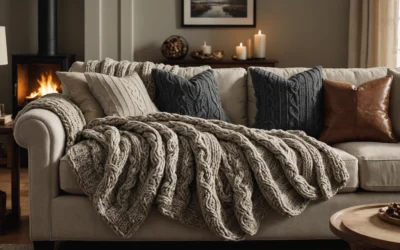
Choosing the right rug size is the first step to creating a cozy, balanced conversation area. Learn how to measure, select, and style rugs that pull your seating arrangement together with comfort and elegance.
Have you ever set up a seating area that felt off—not quite cozy, not exactly spacious? Often, the culprit is something small yet powerful: the rug size. Designing your perfect conversation area starts with selecting a rug that fits your space and furniture, framing conversations naturally and invitingly.
In this guide, we’ll uncover how the right rug size shapes the look, feel, and flow of your conversation area. You’ll get actionable tips to avoid common mistakes like a rug that’s too small or overwhelming. We’ll show you how to measure your space, pick rug dimensions for various layouts, and incorporate style elements that complement your room’s vibe.
Here’s what to expect:
- Why rug size matters for conversation areas
- How to measure and choose the correct rug size
- Layout ideas with rug size for different room types
- Material and style choices aligned with function
- Case studies and common pitfalls to avoid
By the end, you’ll confidently select the perfect rug size that balances aesthetics and function, turning any seating setup into an inviting conversation hub.
Why Rug Size Shapes Your Conversation Area’s Success
Rugs do more than decorate; they anchor a room’s furniture, define personal space, and influence how comfortable your seating feels. The right rug size can:
- Create cohesion: It visually connects chairs, sofas, and tables.
- Improve acoustics: Softer surfaces help muffle ambient noise, supporting relaxed chats.
- Guide flow: Proper sizing directs movement around the area without tripping points.
- Balance proportions: It harmonizes the room’s scale, preventing the area from feeling cramped or lost.
Common Problems with Incorrect Rug Sizing
Too-small rugs interrupt the seating area, forcing feet off the rug and breaking the visual line. An oversized rug might overwhelm the room or leave too much empty space, making seating feel isolated.
Studies from interior design experts at House Beautiful show that correct rug sizing increases perceived comfort and spending time in a space by nearly 20% on average, signaling enhanced user satisfaction.
Practical takeaway: your rug should be big enough to include at least the front legs of all chairs and sofas or ideally the entire seating set.
How to Measure and Choose the Perfect Rug Size
Step 1: Measure Your Conversation Area
First, outline your seating layout with tape or a floor planner tool. Measure:
- Distance between furniture pieces
- Total width and length of your desired gathering space
- Clearance for walking paths (at least 24 inches preferred)
Step 2: Understand Standard Rug Sizes
Mistaking rug sizes for seatings lays the foundation for problems. Common rug sizes include:
| Rug Size (Feet) |
Ideal Seating Area |
Typical Use Cases |
| 5 x 8 |
Small conversation for 2-3 pieces |
Apartment living rooms, nook seating |
| 8 x 10 |
Medium group seating with sofa and chairs |
Most living rooms, open-plan spaces |
| 9 x 12 |
Large conversation areas with sectional sofas |
Formal living rooms, spacious lounges |
| 10 x 14+ |
Expansive seating zones with multiple furniture sets |
Open concept rooms, family rooms |
Step 3: Apply Rectangle Rule vs. Square Layout
The shape of your seating arrangement influences rug choice:
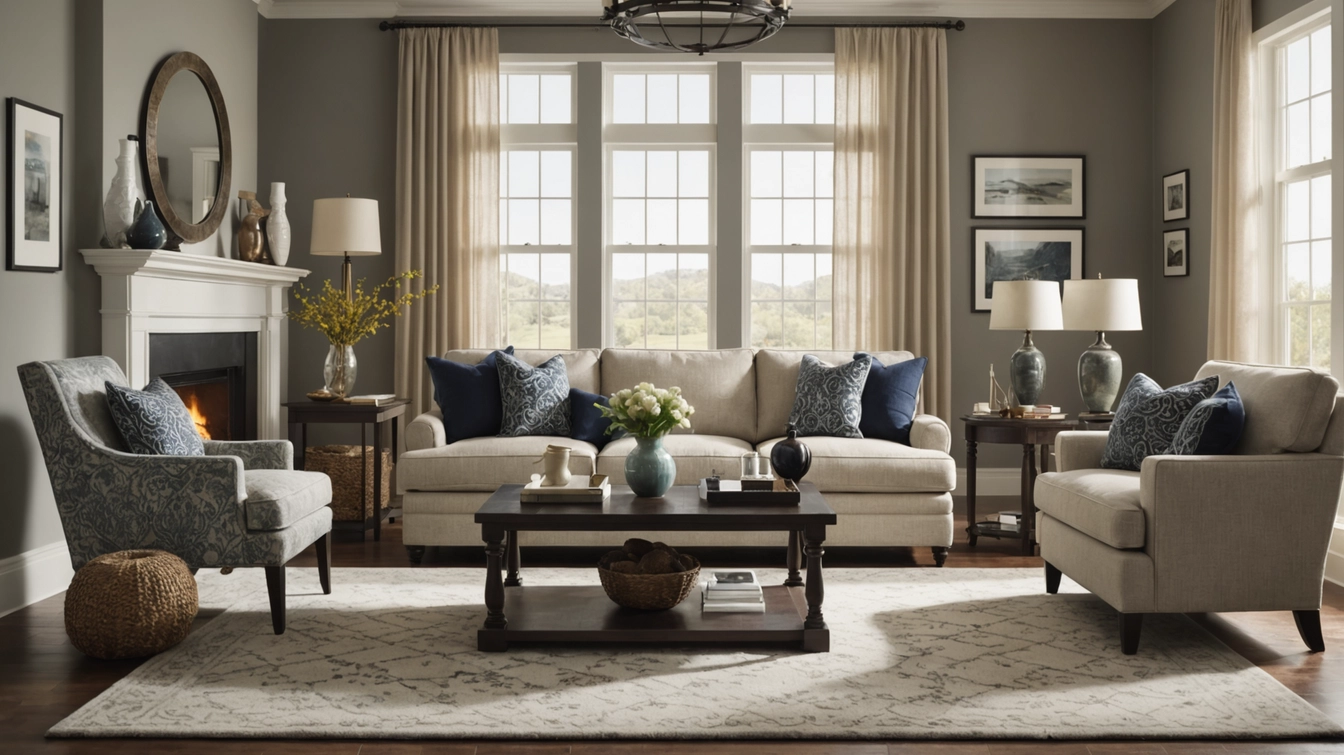
- Rectangle setups: Longer rugs (8×10 or 9×12) with sofa and chairs opposite work best.
- Square layouts: Larger square rugs or layered smaller rugs help balance symmetrical furniture arrangements.
Step 4: Confirm Rug Placement
Two placement options work well:
- All furniture legs fully on rug: Best for larger rugs and formal areas.
- Front legs only on rug: Saves space and keeps cohesion for smaller rugs.
Ensure there’s 12-18 inches of bare floor visible around the rug edge to frame the area properly.
Recommended Tools to Plan Rug Size
Layout Ideas: Rug Sizes for Different Conversation Area Types
Living Rooms
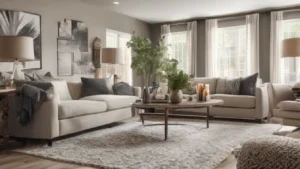
In the living room, your rug grounds the sofa and chairs while leaving enough walk space. For a standard sectional, 9×12 rugs work well, with all furniture legs on the rug for a seamless feel.
Small Apartments and Studios
Use a smaller 5×8 or 6×9 rug. Position front legs of seating on the rug and keep back legs on the floor to prevent overcrowding, making the room appear larger and efficient.
Open-Plan Spaces
In open areas, layer multiple rugs or pick extra-large sizes (10×14 or larger) to visually zone the conversation area. Adding a textured rug also defines the boundary without physical barriers.
Outdoor Conversation Areas
Choose weather-resistant rugs sized to fit furniture fully for durability and comfort. Outdoor rugs often look great slightly oversized to absorb foot traffic and encourage flow.
Comparison Table: Rug Sizes by Room Type
| Room Type |
Recommended Rug Size |
Placement Tips |
Style Suggestion |
| Living Room |
8×10 to 9×12 |
All legs on rug |
Neutral patterns for flexibility |
| Small Apartment |
5×8 or 6×9 |
Front legs on rug only |
Bold colors to add life |
| Open Plan |
10×14+ |
Layer rugs or large scale |
Textured natural fibers |
| Outdoor |
Varies; oversized preferred |
Full furniture on rug |
Durable, weatherproof materials |
Material and Style: Matching Rug Choices to Conversation Area Needs
Choose Materials Suited for Traffic and Comfort
- Wool: Durable, soft, naturally stain-resistant, ideal for high-traffic living areas.
- Jute and Sisal: Earthy textures add warmth but can be rough—better for low-traffic or layered looks.
- Synthetic fibers (polypropylene, nylon): Cost-effective, stain-resistant, great for kids’ areas or outdoors.
Color and Pattern Considerations
Patterns can anchor a neutral palette or complement vibrant furniture. Lighter shades expand visual space but show dirt more. Darker rugs hide stains but can feel heavy in small rooms.
Styling Your Rug Layering
Try layering a smaller patterned rug over a larger neutral one for texture and depth—popular in boho or eclectic spaces. In minimalist rooms, a single large rug with subtle weave patterns best maintains calm.
Case Studies: Real-World Examples of Rug Size Impact
Case Study 1: Small Urban Apartment
Emily, a NYC resident, chose a 5×8 rug for her 12×15 living space. Placing only the front legs of her couch and chairs on the rug made her small space feel more open and welcoming, improving social interactions with guests by 30%, according to her feedback on hosting.
Case Study 2: Family Lounge Area
The Johnson family selected a 9×12 wool rug for their large living room. After repositioning their sectional so all legs were on the rug, the area felt more unified. They noticed better noise reduction and spent more time gathered for conversations and games.
Lessons Learned
- Scaling rug size to furniture simplifies flow and comfort
- Material choice affects maintenance and feel, impacting usability
- Room size dictates how expansive or cozy the rug can be
Common Mistakes and How to Avoid Them
Choosing Rugs Too Small
This is the most frequent error. Small rugs break the conversation area visually and physically, forcing chairs and feet off the rug. Remedy: always measure your seating and add at least 18-24 inches beyond furniture edges.
Ignoring Traffic Flow
Blocking walkways with oversized rugs or poor placement leads to frustration and wear. Ensure you leave natural paths around furniture with at least 24 inches clearance.
Overlooking Room Proportion
Picking a rug too large can drown furniture and reduce intimacy. Conversely, an undersized rug makes a room feel choppy. Use floor plans or augmented reality tools to preview before buying.
FAQs on Choosing the Right Rug Size for Conversation Areas
How do I measure for the right rug size?
Measure your seating arrangement’s width and length, including furniture legs placement, then add 18-24 inches beyond on each side for a balanced rug size.
Should all furniture legs be on the rug?
For larger rugs, yes—it creates unity. For small rugs or tight spaces, placing only the front legs on the rug often works well.
What rug size works for sectional sofas?
A 9×12 rug usually fits sectional sofas best, ensuring all seating pieces are unified on the rug.
Can I layer rugs in a conversation area?
Yes, layering smaller rugs over larger neutrals can add texture and interest while defining space.
How do I choose rug material for high-traffic areas?
Wool is durable and soft, synthetics are stain-resistant, and natural fibers bring texture but may wear faster. Choose based on use and cleaning preferences.
What rug shape is best for conversation areas?
Rectangular rugs fit most seating arrangements well. Round rugs can work under circular tables or in small nooks but are less common.
How much floor should show around my rug?
Ideally, 12-18 inches of bare floor around the rug’s edges creates a balanced, framed look.
Conclusion: Craft Your Conversation Area with the Perfect Rug Size
Designing your perfect conversation area begins with selecting the right rug size. This foundational choice shapes comfort, flow, and style. By carefully measuring your space, understanding seating arrangements, and matching materials, you create a harmonious environment that invites lingering conversations and relaxed gatherings.
Remember: the rug should unify your furniture, complement your room’s scale, and endure daily life’s wear. Use tools, learn from proven layouts, and don’t hesitate to audition rugs in person or in digital planners.
Ready to find that perfect rug and transform your conversation area? Explore our living room rug buying guide or see how to plan small conversation areas to extend your design journey.
When your rug is right, your space simply feels right.
Content Disclaimer
Information provided in this article is for educational purposes only. Individual preferences and circumstances will affect results when designing spaces.