
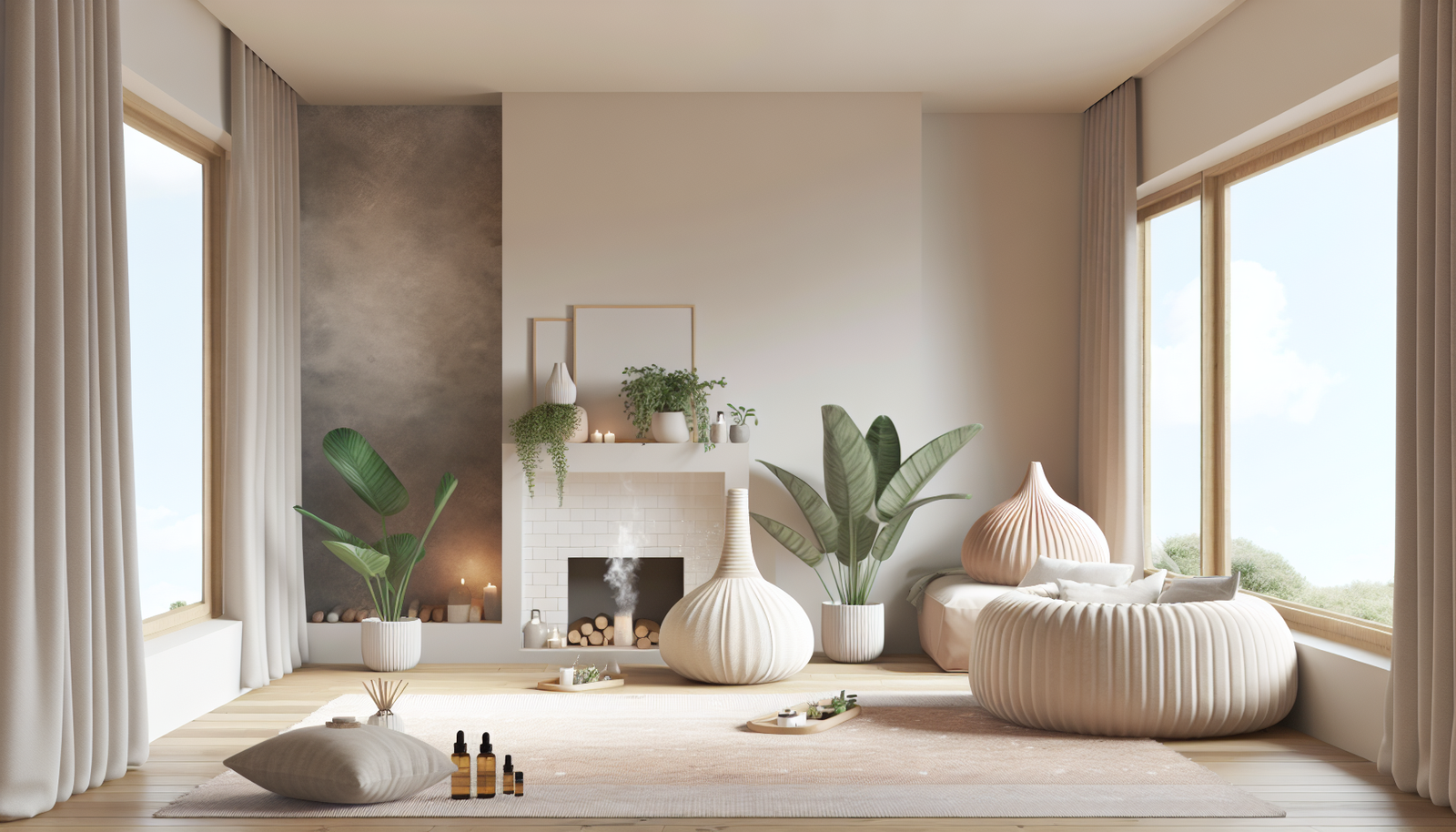

Sustainability and wellness are no longer nice-to-haves but essential pillars in design. Designing with sustainability in wellness context means crafting environments that nurture well-being while respecting the planet. This approach answers growing consumer demand for spaces that contribute to healthier lives and a healthier earth.
In this article, you will discover key strategies, design techniques, and real-world examples that make wellness spaces greener and more effective. From eco-friendly materials to biophilic design principles, we’ll explore how sustainability aligns with physical, mental, and social well-being. Whether you’re an architect, interior designer, or wellness practitioner, these insights offer practical ways to create meaningful, sustainable wellness spaces.
Here’s what we’ll cover:
- The intersection of sustainability and wellness in design
- Eco-conscious material selection and innovative technologies
- Biophilic and nature-integrated design methods
- Case studies of sustainable wellness spaces making an impact
- Actionable steps and tools for adopting sustainable wellness design today
Understanding Sustainability in Wellness Context
To design with sustainability in the wellness context, you must first grasp how these two domains intersect. Wellness designs focus on optimizing health—mental, physical, and emotional—through environment, air quality, natural light, and community support. Sustainability adds a layer focused on reducing environmental impact by conserving resources, lowering carbon footprint, and using regenerative materials.
Defining Key Concepts
Sustainability involves practices that meet present needs without compromising future generations, especially in resource use, waste management, and ecosystem health.
Wellness design prioritizes creating environments that support holistic health, including stress reduction, comfort, and social connection.
When combined, these shape spaces that nurture users—and nature—simultaneously. A wellness center designed sustainably could minimize energy use with solar panels, use non-toxic paints, and include green spaces that improve air quality.
Why This Matters Now
- Wellness industries projected to reach $7 trillion by 2025, with consumers demanding green, healthy spaces [Global Wellness Institute]
- Buildings contribute almost 40% of global carbon emissions, so design change is critical [IEA Report]
- Evidence links access to natural environments with lower anxiety, better immune response, and faster healing
- Integrating these yields wellness spaces that boost occupant satisfaction and operational savings
Eco-Friendly Material Selection For Wellness Spaces
Choosing the right materials anchors any sustainable wellness project. Material decisions impact indoor air quality, carbon footprint, durability, and aesthetics—all critical for user well-being.
Natural and Non-Toxic Materials
Prioritize materials low in volatile organic compounds (VOCs) and those sourced sustainably. Wood certified by FSC (Forest Stewardship Council), reclaimed timber, cork, bamboo, and natural stone work well.
- FSC-Certified Wood: Ensures responsible forest management
- Cork: Renewable, insulating, and naturally antimicrobial
- Natural Latex and Wool: Supports indoor air quality with minimal chemicals
- Non-Toxic Paints and Sealants: Crucial to avoid respiratory irritants
Material Impact & Lifecycle Considerations
Assess material footprints via lifecycle analysis (LCA). Consider embodied carbon—the total emissions produced from extraction to manufacturing and transportation. Prioritize materials with lower emissions and longer life spans.
| Material | Embodied Carbon (kg CO₂ eq/m²) | Wellness Benefits | Durability |
|---|---|---|---|
| Bamboo | 3.55 | Renewable, antimicrobial | Good – regenerates quickly |
| Concrete (standard) | 150+ | Durable but high carbon footprint | Excellent |
| Reclaimed Wood | Low (material reused) | Natural, adds warmth | Good – depends on condition |
| Cork | 4.2 | Sound absorption, antimicrobial | Good; regenerates naturally |
Technology and Innovation in Materials
Tech advances enable sustainable wellness, such as self-cleaning surfaces to reduce chemical use, or smart glass that adjusts tint to optimize natural light while minimizing heat gain. These innovations marry user comfort with lower energy and maintenance costs.
Biophilic Design: Nature Integration For Wellness
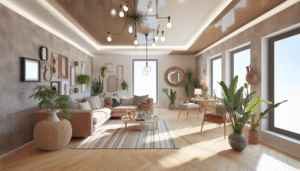
Biophilic design embeds a connection to nature in built spaces—a proven way to enhance well-being, reduce stress, and boost cognitive function. With sustainability, it creates symbiosis between the natural environment and the user.
Elements of Biophilic Design
- Direct Nature: Incorporate plants, water features, natural light, and outdoor views
- Indirect Nature: Use natural materials, patterns mimicking nature, natural colors and shapes
- Spatial Experience: Design with refuge and prospect, creating safe yet stimulating spaces
Case Study: The Center for Sustainable Wellness, Colorado
This wellness center uses green roofs, living walls, and daylight-optimized layouts to reduce energy use and increase occupant health. Post-occupancy studies showed a 30% reduction in employee stress levels and a 25% increase in satisfaction scores.
Practical Steps To Achieve Biophilic Design
- Prioritize window placement and layout for maximum daylight
- Use interior plants with proven air-purifying abilities like snake plants and pothos
- Incorporate natural textures in flooring and walls to stimulate sensory engagement
- Create outdoor relaxation or meditation spaces connected to interior areas
Implementing Sustainable Wellness Design: From Concept to Completion
Designing sustainably and for wellness isn’t just material choice or aesthetics; it’s an integrated process, starting from project conception through operation.
Step 1: Define Clear Wellness and Sustainability Goals
- Engage stakeholders including wellness experts, users, and sustainability consultants
- Set measurable targets: energy reduction percentage, indoor air quality standards, carbon neutrality
- Consider certifications like WELL, LEED, or Living Building Challenge as frameworks
Step 2: Site Analysis and Environmental Impact Assessment
Understand the local ecology, climate, and culture. Aim to preserve existing natural features and adapt design to the site’s microclimate, reducing resource demands.
Step 3: Integrate Smart Technology and Automation
Adopt sensors and control systems to optimize HVAC, lighting, water use, and waste management, reducing operational costs and improving indoor environments.
Step 4: Continuous Engagement and Feedback
Post-construction, deploy occupant surveys and environmental monitoring. Use this data to refine and evolve the wellness environment sustainably.
Tools & Resources for Sustainable Wellness Design
- Design Software: Autodesk Revit (BIM with sustainability plugins), Sefaira for energy modeling
- Material Databases: Pharos Project, BuildingGreen for vetted sustainable products
- Certifications & Guidelines: International WELL Building Institute, USGBC LEED, Living Future Institute
- Monitoring Tools: AirVisual for indoor air quality; Netatmo for environmental sensors
Using these tools helps designers and wellness practitioners quantify sustainability impact and optimize wellness outcomes objectively.
Comparing Sustainable & Traditional Wellness Designs
| Feature | Sustainable Wellness Design | Traditional Wellness Design |
|---|---|---|
| Material Use | Low VOC, renewable, recycled | Standard synthetic, higher emissions |
| Energy Use | Energy-efficient systems, renewable sources | Conventional HVAC and lighting |
| Indoor Environment | Max natural light, biophilic elements | Artificial lighting, minimal natural elements |
| Waste Management | Composting, recycling, minimal waste | Standard waste disposal |
| Long-term Cost | Lower operating costs via efficiency | Potentially higher long-term costs |
Frequently Asked Questions
What are the most important sustainable materials for wellness spaces?
Selecting non-toxic, renewable, and low-embodied carbon materials like FSC-certified wood, bamboo, cork, and natural textiles benefits both indoor air quality and environmental impact.
How does biophilic design improve wellness?
Biophilic design connects people to nature, reducing stress and enhancing mood, cognition, and physical health by incorporating natural light, plants, water, and natural materials.
Can sustainable wellness design reduce operational costs?
Yes. Energy-efficient systems, solar power, water recycling, and smart technologies lower energy and maintenance bills, improving a facility’s financial sustainability.
Are there certifications specific to wellness and sustainability?
The WELL Building Standard focuses on occupant health, while LEED emphasizes environmental performance. Combining both delivers robust sustainable wellness outcomes.
What should be prioritized first in sustainable wellness design?
Define clear wellness goals, conduct an environmental site assessment, and select materials and systems that support both health and environmental responsibility early in planning.
Conclusion: Embracing Designing With Sustainability In Wellness Context
Designing with sustainability in wellness context is a compelling path to creating healthier, more responsible environments that serve people and planet. It requires thoughtful material choices, leveraging nature’s principles, and a full-project lifecycle approach. By integrating these strategies, designers can craft spaces that enhance well-being and minimize ecological footprints.
Are you ready to transform your wellness space into a sustainable sanctuary? Start by evaluating your current materials, consulting experts, and exploring biophilic design approaches. With intention and knowledge, you’ll build spaces that truly heal.
For further insights, explore our articles on Biophilic Design Benefits, Sustainable Materials for Interior Design, and Wellness Architecture Trends 2024.
Content Disclaimer
This article is provided for educational purposes only. It does not constitute medical, financial, or professional advice. Readers should consult relevant experts before implementing designs based on the information presented.
Categories
- Accent Walls & Ceilings (84)
- Art Curation & Gallery (83)
- Bedding Style Trends (89)
- Bedroom Makeover (96)
- Bohemian & Eclectic Styles (80)
- DIY & Budget-Friendly Decor (78)
- Eco-Friendly Design (83)
- Furniture Care (87)
- Home Decor & Design Ideas (181)
- Home Wellness Spaces (103)
- Integrated Outdoor Living (91)
- Japandi Style (84)
- Kids and Nursery Decor (73)
- Living Room Decor (99)
- Mix & Match Techniques (95)
- Modern & Contemporary Design (88)
- Rug Sizing & Placement (89)
- Scandinavian Design Inspiration (51)
- Seasonal Home Decor (100)
- Small Space Solutions (93)
- Wall Art & Painting Tips (94)
Recent Comments
Archives
Product Gallery
-
 Majestic African Wildlife Canvas Art for Stylish Home Decor
Rated 5.00 out of 5
Majestic African Wildlife Canvas Art for Stylish Home Decor
Rated 5.00 out of 5 -
 Cozy Irregular Green Plush Rug for Nordic Living Spaces
Rated 5.00 out of 5$51.10 – $322.28Price range: $51.10 through $322.28
Cozy Irregular Green Plush Rug for Nordic Living Spaces
Rated 5.00 out of 5$51.10 – $322.28Price range: $51.10 through $322.28 -
 Scandinavian Geometric Area Rugs for Stylish Home Décor
Rated 5.00 out of 5$36.70 – $556.03Price range: $36.70 through $556.03
Scandinavian Geometric Area Rugs for Stylish Home Décor
Rated 5.00 out of 5$36.70 – $556.03Price range: $36.70 through $556.03