



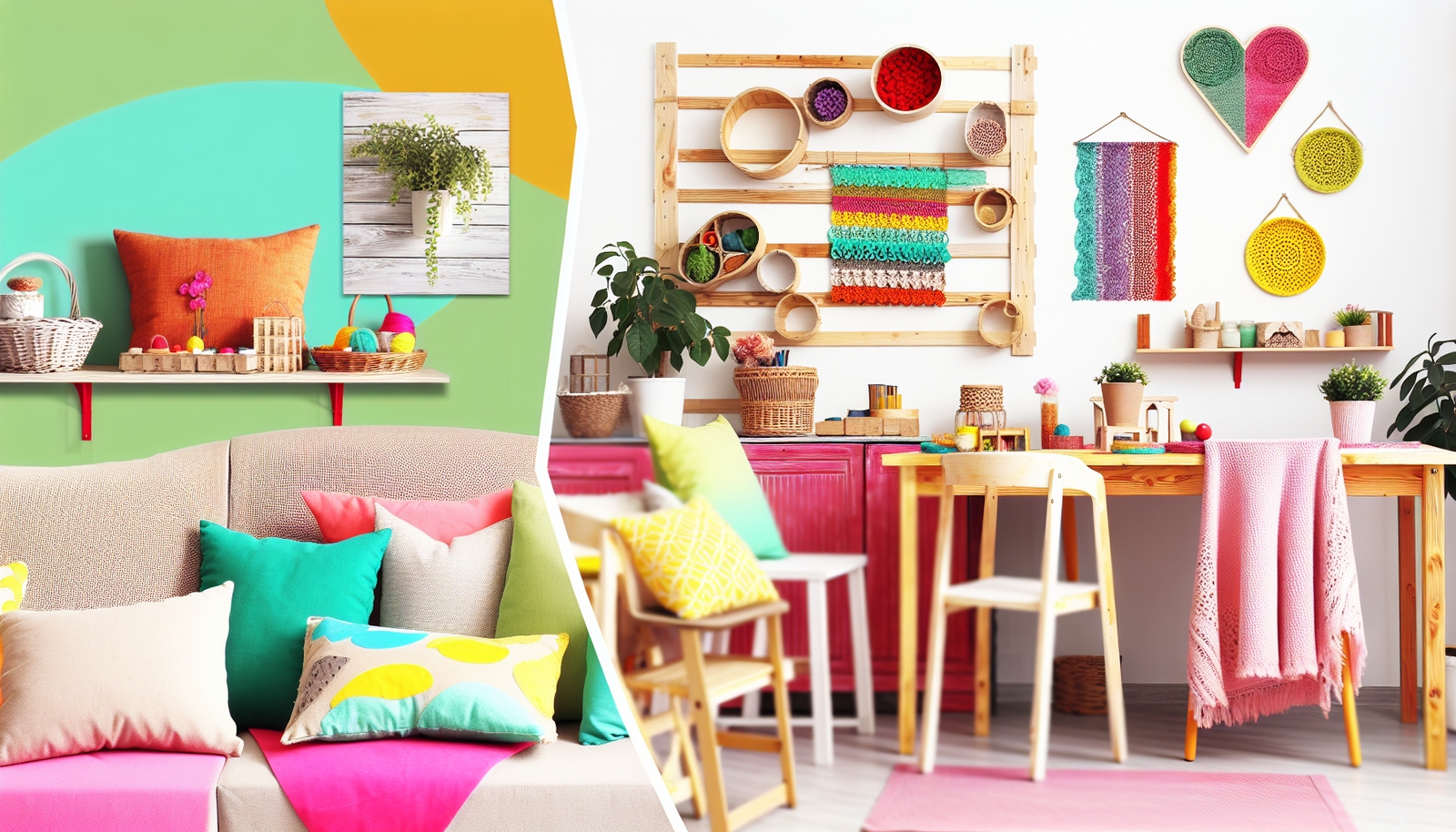

Unleash Your Inner Decorator: How DIY Budget Friendly Wall Signs Redefine Home Decor
Are you tired of staring at blank walls, dreaming of a home that screams ‘you’ without whispering ‘expensive’? The truth is, transforming your living space into a personalized sanctuary doesn’t require a bottomless budget or a professional interior designer. The secret lies in embracing creativity and the world of DIY budget friendly wall signs. Imagine crafting unique, expressive pieces that reflect your personality, tell your story, or simply add a pop of color and charm – all while keeping your wallet happy. This isn’t just about saving money; it’s about the joy of creation, the pride of displaying your handmade art, and the satisfaction of a home truly made your own.
From farmhouse chic to modern minimalist, whimsical quotes to elegant monograms, the possibilities are as limitless as your imagination. In this comprehensive guide, we’ll dive deep into the exciting realm of creating stunning wall decor without breaking the bank. We’ll explore innovative material choices, ingenious design techniques, and step-by-step tutorials that empower anyone, regardless of their crafting experience, to become a master of beautiful, affordable signage. You’ll learn how to source materials ethically and cheaply, master various lettering techniques, avoid common pitfalls, and transform ordinary items into extraordinary pieces of art. Get ready to turn your decor dreams into a tangible reality, one amazing DIY budget friendly wall sign at a time.
By the end of this extensive article, you’ll be equipped with the knowledge, inspiration, and confidence to:
- Identify cost-effective materials for sign making.
- Master essential design principles for attractive layouts.
- Implement various crafting techniques from painting to stenciling.
- Personalize signs to perfectly match your home’s aesthetic.
- Troubleshoot common challenges and ensure lasting durability.
- Discover unexpected sources of inspiration and tools to elevate your craft.
More Than Just Decor: The Unbeatable Value of DIY Budget Friendly Wall Signs
When it comes to decorating your home, off-the-shelf wall art can often feel generic, impersonal, and surprisingly expensive. This is precisely where the magic of creating your own DIY budget friendly wall signs shines. It’s not merely about economics; it’s about unlocking a cascade of benefits that pre-made decor simply can’t offer.
Unmatched Personalization & Emotional Connection
Consider the difference between a mass-produced print and a sign you crafted yourself. Every brushstroke, every carefully chosen word, every color blend on your DIY creation speaks directly to you and your home’s story. You’re not just hanging a decoration; you’re displaying a piece of your heart, your humor, your memories, or your aspirations. This depth of personalization fosters an unparalleled emotional connection. Imagine a sign adorned with your family’s favorite mantra, a quote that inspires you daily, or a custom piece celebrating a milestone. These aren’t just objects; they become focal points of conversation and cherished elements of your living space.
For example, a sign commemorating your wedding anniversary with hand-stenciled dates and initials carries far more sentimental weight than a commercially bought decorative plaque. This personal touch is what transforms a house into a home, imbuing it with warmth and character that reflects its inhabitants. It’s about self-expression and giving your walls a voice that is uniquely yours.
Significant Cost Savings: Decorating Smarter, Not Harder
Let’s talk numbers. Designer wall art can easily run into hundreds, if not thousands, of dollars. Even simple decorative signs from big box stores can cost a pretty penny, especially if you need several pieces to fill a large wall or create a gallery. DIY budget friendly wall signs offer a stark contrast. By repurposing materials, utilizing affordable craft supplies, and investing your time and creativity, you can achieve professional-looking results for a fraction of the price.
Think about a typical custom wooden sign at a boutique – it might set you back $50-$100. The same sign, crafted at home using reclaimed wood, some paint, and a bit of elbow grease, could cost less than $10. This isn’t an exaggeration; it’s the reality of smart crafting. Many of the materials we’ll discuss later are either free (scavenged wood, old cardboard) or incredibly inexpensive (craft paint, stencils). The financial savings are undoubtedly one of the most compelling reasons to embrace DIY wall signs.
A Fulfilling Creative Outlet & Skill Development
Beyond the tangible benefits, the act of making DIY budget friendly wall signs is incredibly rewarding. It provides a fantastic creative outlet, allowing you to de-stress, focus, and engage in a fulfilling hobby. For many, crafting is a form of mindfulness, a way to connect with their hands and bring an idea to life. Each project presents an opportunity to learn new skills – be it woodworking basics, advanced painting techniques, vinyl application, or even graphic design for stencils.
With each successful sign, your confidence grows, and your skill set expands. You might discover a hidden talent for calligraphy, a knack for distressing wood, or a passion for color theory. This journey of learning and self-improvement is an invaluable aspect of DIY, transforming you from a passive consumer into an active creator. Plus, the sense of accomplishment when you step back and admire your finished piece is truly unparalleled.
Sustainable & Eco-Friendly Decor Choices
In an age increasingly conscious of environmental impact, choosing to create DIY budget friendly wall signs is also a remarkably sustainable practice. Instead of buying new items that contribute to manufacturing and shipping emissions, you can often repurpose and upcycle existing materials. Old pallet wood, discarded cabinet doors, forgotten picture frames, even thick cardboard boxes – all can be given a new lease on life as beautiful wall art.
This approach reduces waste, supports resource conservation, and lessens your carbon footprint. It’s a small but meaningful way to contribute to a greener planet while still enjoying a beautifully decorated home. By selecting eco-friendly paints and finishes, you can further enhance the sustainability of your projects. This conscious crafting aligns with a minimalist and responsible lifestyle, proving that beautiful decor doesn’t have to come at the Earth’s expense.
The Materials Masterclass: Sourcing Your DIY Budget Friendly Wall Sign Essentials
The foundation of any successful DIY budget friendly wall sign project lies in smart material selection. You don’t need expensive art supplies or specialized tools. Often, the most compelling signs are born from unexpected finds and repurposed items. This section will guide you through acquiring cost-effective yet high-impact materials, categorizing them for easy reference.
Substrates: Your Sign’s Canvas
The “canvas” for your sign is crucial. It dictates the overall look, feel, and durability. Here are some top budget-friendly options:
- Reclaimed Wood/Pallet Wood: This is a DIY classic for a reason. Free or very cheap, reclaimed wood offers incredible character and rustic charm. Look for pallets (ensure they are ‘HT’ heat-treated, not ‘MB’ methyl bromide treated), fence pickets, old cabinet doors, or even scrap wood from construction sites (with permission, of course!). A light sanding and cleaning are often all that’s needed. Learn more about safe pallet wood here.
Plywood/MDF Scraps: Visit local hardware stores or lumber yards and ask if they have a “cut-off” or “scrap bin.” You can often find perfectly sized pieces for a fraction of the cost of a full sheet. Plywood and MDF offer smooth, consistent surfaces perfect for painting and stenciling, or for those who prefer a cleaner, more modern aesthetic.
Canvas Boards/Stretched Canvas (on sale): Keep an eye out at craft stores for sales and clearance items. Basic canvas can be surprisingly affordable, especially in multi-packs, and makes a great lightweight option for quotes or illustrative signs. You can also buy stretched canvas and paint over it.
Cardboard/Foam Board (Upcycled): For temporary signs, kids’ rooms, or lightweight applications, thick cardboard from moving boxes or presentation foam board works wonders. Prime it first if using cardboard, and consider sealing it to protect against humidity. This is the ultimate in budget-friendly repurposing.
Old Picture Frames/Mirrors: Scour thrift stores and garage sales for old frames. Pop out the glass or mirror, paint the frame, and use the backer board as your sign. Or, paint directly onto the glass/mirror for an interesting effect. This adds an instant touch of elegance or vintage flair.
Metal Sheets (Scrap): Thin galvanized steel, aluminum flashing, or even old cookie sheets can be cut, painted, or distressed for a unique industrial look. Be cautious with sharp edges and ensure proper preparation for paint adhesion.
Paint & Finishes: Adding Color & Protection
This is where your sign truly comes to life. Don’t feel pressured to buy expensive specialty paints.
- Acrylic Craft Paints: Your best friend for most DIY signs. Affordable, available in every color imaginable, and easy to clean up. Brands like Apple Barrel or FolkArt are perfect.
- Chalk Paint: Excellent for achieving a distressed, matte, or farmhouse look. Can be made yourself with plaster of Paris or baking soda added to latex paint, or bought inexpensively from brands like Rust-Oleum or Waverly Inspirations. No priming usually needed.
- Latex Wall Paint (Sample Pots): Hardware stores sell small sample pots of house paint for $3-$5. These are ample for multiple sign projects and offer a vast color palette found in interior design.
- Spray Paint: Great for quick, even base coats, especially on larger or textured surfaces. Look for matte or satin finishes for a more sophisticated look. Always use in a well-ventilated area.
- Stains: For wood signs, stains enhance the natural grain. Old coffee or tea can create a surprising wood stain effect, or use inexpensive water-based wood stains.
- Sealants/Topcoats: Essential to protect your hard work. Clear acrylic sealers (spray or brush-on) or polyurethane provide durability. Mod Podge is excellent for sealing and can create different finishes (matte, glossy).
Pro Tip: Buy paint in primary colors (red, blue, yellow) plus black and white. You can mix virtually any other color you need, saving money and expanding your palette.
Lettering Tools & Techniques: Making Your Message Sing
The message is key. How you apply it defines your sign’s character.
Paint Brushes & Sponges: A variety of sizes for details and broad strokes. Sponges are great for stippling or creating textured backgrounds.
Stencils: Purchase pre-made stencils (look for sales!) or create your own using a Cricut/Silhouette machine, or even print out fonts and cut them from cardstock or contact paper. Stenciling is fantastic for crisp, consistent lettering.
Pencils & Erasers: For sketching out designs before committing with paint. A white chalk pencil works well on dark surfaces.
Rulers & Straight Edges: Essential for straight lines and proper text alignment.
Carbon Paper/Transfer Paper: An easy way to transfer printed designs onto your sign surface. Print out your text, place carbon paper face down on the sign, then your printout, and trace. The design transfers directly.
Sharpie Paint Pens/Acrylic Markers: Excellent for fine details, outlines, or for those less confident with a paintbrush. They come in various tip sizes and colors.
Vinyl Decals (DIY or Custom): If you have a cutting machine (Cricut, Silhouette), vinyl is a game-changer for precise, professional-looking text. If not, many Etsy shops offer custom vinyl decals for a reasonable price, which you can apply yourself.
Chalk: For temporary or erasable signs (like menu boards), chalk is the perfect medium. Seal with hairspray or a special chalk sealer for more permanence.
Embellishments & Texture: The Finishing Touches
These optional additions elevate a sign from simple to stunning without adding much to the cost.
- Twine/Rope/Ribbon: For hanging, or as decorative borders.
- Faux Flowers/Greenery: Small sprigs glued on can add a touch of nature.
- Buttons/Beads/Scrap Fabric: Use found objects for interesting textures.
- Glitter/Metallic Accents: A little shimmer can go a long way.
- Hardware (Hooks, Eye Screws, Sawtooth Hangers): Budget-friendly options found at any hardware store for hanging your finished piece securely.
Remember, the goal is resourcefulness. Before buying anything new, look around your home, visit thrift stores, or explore nature for materials that can be transformed into beautiful DIY budget friendly wall signs.
Designing Your Vision: Principles for Stunning DIY Budget Friendly Wall Signs
Even with the most affordable materials, a poorly designed sign can fall flat. Conversely, understanding a few basic design principles can elevate even the simplest DIY budget friendly wall signs into works of art. You don’t need a graphic design degree; just a keen eye and a willingness to experiment. This section will walk you through the essential elements to consider for visually appealing and impactful signs.
Layout & Composition: The Art of Arrangement
How you arrange elements on your sign is critical. Good composition guides the viewer’s eye and ensures your message is clear and attractive.
- Focal Point: Every sign needs one. What’s the main message or visual? Make it stand out through size, color, or placement. For a quote sign, the most impactful word or phrase might be your focal point.
- Balance: This doesn’t necessarily mean symmetry. Asymmetrical balance (where different elements offset each other to create equilibrium) can be more dynamic. Imagine a large word on one side balanced by a small illustration on the other.
- Hierarchy: Not all text is equally important. Use different font sizes, weights, or colors to differentiate between primary headings, sub-messages, and small details. The most important information should be the easiest to read.
- White Space (Negative Space): Don’t cram your sign full of text and images. White space (the empty areas around your elements) is crucial for readability and creating a sense of calm and sophistication. It allows your design to breathe.
- Proximity: Group related items together. If you have a date and a location, place them close to each other. This creates visual unity and makes information easier to process.
- Rhythm & Repetition: Repeating colors, shapes, or font styles can create a sense of harmony and make your sign feel cohesive. For example, using the same small swirl detail in different corners.
Experiment! Before painting, sketch your ideas on paper, or use free online design tools like Canva to mock up different layouts. Hold a blank sign substrate and use movable paper cutouts of your text/elements to find the perfect arrangement.
Typography & Font Selection: Speaking Without Words
The fonts you choose dramatically impact the mood and readability of your DIY budget friendly wall signs. Too many fonts can look messy; the right combination can be stunning.
- Limit Your Fonts: As a general rule, stick to 1-3 complementary fonts per sign. A good starting point is one display font (decorative, for headlines) and one simple, readable body font.
- Font Pairings:
- Serif & Sans-Serif: Pair a classic serif (like Times New Roman or Georgia, but more stylized) with a clean sans-serif (like Arial or Helvetica). The contrast is visually appealing.
- Script & Sans-Serif: A flowing script font (like a handwritten calligraphy style) pairs beautifully with a simple sans-serif to add elegance without sacrificing readability.
- Bold & Light: Use variations of the same font family (bold for emphasis, light for secondary text).
- Readability: Ensure your chosen fonts are legible from a distance. Ornate or very thin fonts can be beautiful but hard to read.
- Thematic Connection: Does the font style match the message and your home’s decor? A rustic farmhouse sign might use a distressed block font and a flowing script. A modern minimalist sign will lean towards clean sans-serifs.
- Kerning & Leading: Pay attention to the spacing between letters (kerning) and lines of text (leading). Good spacing ensures legibility.
Resource: Google Fonts offers hundreds of free, high-quality fonts for inspiration and use.
Color Theory & Palette Selection: Setting the Mood
Colors evoke emotions and create atmosphere. Choosing the right palette for your DIY budget friendly wall signs is vital.
- Complementary Colors: Colors opposite each other on the color wheel (e.g., blue and orange, red and green). They create strong contrast and vibrancy.
- Analogous Colors: Colors next to each other on the color wheel (e.g., blue, blue-green, green). They create a harmonious, calm feel.
- Triadic Colors: Three colors equally spaced on the color wheel. Bold and vibrant.
- Monochromatic: Different shades, tints, and tones of a single color. Creates a very cohesive and sophisticated look.
- Consider Your Decor: Your sign’s colors should complement your room’s existing palette. Use it to introduce accent colors or to integrate existing ones.
- Contrast: Ensure enough contrast between your text color and your background color for easy reading. Light text on a dark background or vice-versa.
- Emotion: Different colors evoke different feelings (e.g., blue for calm, red for energy, yellow for happiness).
Tip: Create a mood board (physical or digital) with colors, textures, and fonts that inspire you before starting. This helps unify your design vision.
Distressing & Finishing Techniques: Adding Character
These techniques add age, texture, and a unique character to your signs.
- Sanding: Lightly sand edges and surfaces after painting to reveal underlying layers or the natural wood for a worn look.
- Dry Brushing: Dip a dry brush sparingly into paint, then lightly drag it across the surface for a textured, weathered effect.
- Wax/Glaze: Apply a dark wax or glaze over light paint and wipe away excess to settle into cracks and crevices, creating an antique look.
- Crackle Medium: A paint additive that creates a cracked, aged finish as it dries.
- Staining: For wood signs, staining before or after painting can add depth. Coffee or tea can create natural, subtle stains.
- Saltwater Spray: For metal signs, a saltwater solution can encourage rust for an industrial patina (seal well after achieving desired effect).
Mastering these design principles will transform your handmade projects, making your DIY budget friendly wall signs not just affordable, but truly exquisite.
From Concept to Creation: Step-by-Step Tutorials for DIY Budget Friendly Wall Signs
Now that you’re armed with knowledge about materials and design, it’s time to get your hands dirty! This section provides actionable, step-by-step tutorials for creating popular types of DIY budget friendly wall signs. Choose the method that best suits your comfort level and desired aesthetic.
Tutorial 1: Rustic Pallet Wood Farmhouse Sign (Stenciled)
This classic look is incredibly popular and surprisingly easy to achieve, using readily available and often free materials. It’s perfect for quotes, family names, or welcome messages.

Materials Needed:
- Reclaimed pallet wood planks (3-5, cut to desired length, ideally 18-36 inches)
- Wood glue or screws/nails
- Sandpaper (medium and fine grit)
- White or light-colored chalk paint (or latex paint with baking soda)
- Dark contrasting paint (e.g., black, dark grey, navy) for lettering
- Stencils (pre-made or DIY vinyl/cardstock)
- Painter’s tape
- Small paint brushes or sponge daubers
- Clear matte sealant (Mod Podge or spray sealer)
- Optional: Dark wax/stain for distressing, sawtooth hanger or D-rings
Step-by-Step Guide:
- Prepare Your Wood:
a. If using individual planks, clean them thoroughly. Sand down any rough edges, splinters, or existing paint. The smoother the surface, the easier the stenciling.
b. Arrange your planks side-by-side. If creating a solid surface, glue them together using wood glue and clamps, or attach them from the back using small pieces of scrap wood and screws/nails for reinforcement. Let dry completely.
- Base Coat Application:
a. Apply 1-2 coats of your white or light-colored chalk paint to the entire front surface of your assembled wood. Allow each coat to dry completely. For a truly rustic look, you don’t need perfect coverage; some wood grain showing through is desirable.
b. (Optional Distressing Step): Once dry, lightly sand the edges and some prominent areas of the sign to reveal the wood beneath. You can also dry brush a very small amount of dark paint to create a weathered appearance in corners.
- Position Your Stencil:
a. Using your sketch or mock-up as a guide, carefully position your stencil(s) on the dry base coat. Use a ruler to ensure it’s centered and straight.
b. Secure the stencil firmly in place with painter’s tape, especially around the edges of the letters/design to prevent bleed-through.
- Apply Lettering Paint:
a. Dip your brush or sponge dauber sparingly into your dark contrasting paint. Blot off any excess paint on a paper towel. Too much paint will cause bleeding under the stencil.
b. Use an up-and-down dabbing motion (rather than brushing) to apply thin layers of paint through the stencil. Repeat with 2-3 thin coats until the lettering is opaque. Let each layer dry slightly.
- Remove Stencil & Touch Up:
a. Carefully peel back the painter’s tape and remove the stencil while the paint is still slightly tacky (but not wet). This helps prevent paint from pulling off.
b. Using a very fine artist’s brush and your base coat paint, carefully touch up any small areas where paint may have bled under the stencil. For imperfect edges, embrace the handmade charm!
- Seal Your Sign:
a. Once all paint is completely dry (wait at least a few hours, ideally overnight), apply 2-3 thin coats of clear matte sealant. This protects your sign from wear and tear. Allow plenty of drying time between coats.
b. (Optional Wax Distressing): If you want an antique look, apply a thin layer of dark wax with a cloth and lightly buff it into the paint, concentrating on edges and crevices. Wipe away excess.
- Add Hanging Hardware:
a. Attach a sawtooth hanger, D-rings, or eye screws with twine to the back of your sign for easy hanging. Ensure it’s centered for balance.
Your beautiful, rustic pallet wood sign is now ready to adorn your wall! This is an excellent example of a DIY budget friendly wall sign that looks high-end.
Tutorial 2: Reverse Canvas Sign (Textured/Framed)
The reverse canvas technique takes a simple stretched canvas and turns it into a framed sign with a clean, professional finish. It allows for creative backgrounds and precise lettering.

Materials Needed:
- Stretched canvas (any size, 8×10 to 16×20 are popular)
- Exacto knife or craft knife
- Staple gun and staples (or strong wood glue for frame assembly)
- Acrylic paint (for background, if desired)
- Dark contrasting paint or vinyl (for lettering)
- Paintbrushes or vinyl cutting machine/stencils
- Mod Podge (matte or satin)
- Sandpaper (fine grit)
- Optional: Wood stain or paint for the frame
Step-by-Step Guide:
- Deconstruct the Canvas:
a. Flip your stretched canvas over. Carefully use an Exacto knife to cut the canvas fabric away from the wooden stretcher bars, leaving about a 1/2-inch border of fabric around the staples. Be careful not to cut your finger or the wooden frame.
b. Remove any remaining staples with pliers if necessary. You should be left with the wooden frame (stretcher bars) and a piece of canvas fabric.
- Prepare the Frame:
a. Sand the wooden stretcher bars lightly to smooth any rough edges. If desired, paint or stain the wooden frame at this stage. Common choices are natural wood, dark stain, white, or black. Let dry completely.
b. (Alternative frame assembly): If your canvas frame was stapled together, you can often remove the staples and gently pull the pieces apart. Reassemble the frame using wood glue on the mitered corners for a cleaner look, then clamp and let dry. This step is optional but creates a seamless frame.
- Design Your Canvas Fabric:
a. Iron your canvas fabric if it’s wrinkled. Now, treat this fabric piece like your sign’s surface.
b. Paint the fabric with your desired background color (e.g., white, light gray). Let dry.
c. Apply your lettering:
- Stenciling: Place your stencil, dab paint thinly, and remove.
- Vinyl: Cut your design on a cutting machine, weed the vinyl, apply transfer tape, and adhere to the fabric.
- Hand-painted: Sketch your design, then carefully paint it on.
d. Once the lettering is dry, apply a thin coat of Mod Podge over the entire painted fabric surface. This seals the paint and adds durability, as well as providing a slight stiffening to the fabric.
- Reattach the Canvas to the Frame:
a. Place your painted canvas face-down on a clean surface. Center the wooden frame over the canvas, making sure your design is correctly oriented within the frame.
b. Line up the edges of the canvas fabric with the outer edges of the frame. You’re effectively re-stapling the fabric to the *back* of what will become the framed sign.
c. Use a staple gun to staple the canvas fabric to the back of the wooden frame. Start in the middle of each side, gently pulling the fabric taut as you go, working your way towards the corners. Miter the corners nicely before stapling them down.
- Finish & Hang:
a. Flip your sign over! You now have a beautifully framed sign. Add a sawtooth hanger or a simple loop of twine stapled to the top back of the frame for hanging.
This technique turns an inexpensive canvas into a sophisticated piece of framed art, making it a truly effective way to create a DIY budget friendly wall sign.
Tutorial 3: Upcycled Chalkboard Sign (Erasable & Dynamic)
Chalkboard signs are wonderfully versatile for kitchens, entryways, or kids’ rooms. They allow for constantly changing messages, recipes, or greetings. Using an old photo frame or cabinet door makes this incredibly affordable.

Materials Needed:
- Old picture frame or cabinet door (with solid backing or flat insert)
- Chalkboard paint (spray or brush-on)
- Painter’s tape
- Primer (if painting a slick surface like plastic or metal)
- Sandpaper (fine grit for frame, if painting)
- Chalk or chalk markers
- Optional: Acrylic paint for the frame, clear sealant (like hairspray for chalk or clear spray)
Step-by-Step Guide:
- Prepare Your Surface:
a. For a picture frame: Remove the backing and glass. You will be painting the backing piece. If it’s thin cardboard, consider reinforcing it with another layer of cardboard or thin wood adhered with strong glue. For a cabinet door: Clean it thoroughly.
b. If your frame or cabinet door surface is slick (plastic, glossy paint), lightly sand it with fine-grit sandpaper and apply a coat of primer. This ensures the chalkboard paint adheres well.
- Paint the Chalkboard Area:
a. If using a separate backing board, paint it directly with chalkboard paint. If painting a cabinet door, use painter’s tape to mask off the edges if you don’t want to paint the frame.
b. Apply 2-3 thin, even coats of chalkboard paint. Allow each coat to dry completely according to manufacturer instructions. This often takes several hours. More thin coats are better than one thick, uneven coat.
- Prepare the Frame (if using a picture frame):
a. While the chalkboard surface dries, clean and lightly sand your picture frame. Paint it your desired color (e.g., gold, white, distressed wood color). Let dry.
b. Once both the frame and the chalkboard backing are dry, insert the chalkboard backing into the frame, securing it as you would with a picture.
- “Season” Your Chalkboard:
a. This is a crucial step to prevent ghosting (where old writing remains faintly visible). Once your chalkboard paint is fully cured (usually 24-72 hours), take a piece of chalk and rub the side of it over the entire surface, covering it completely.
b. Use a soft cloth or eraser to gently wipe off the chalk. This seasons the surface, making it ready for use.
- Decorate & Hang:
a. Use regular chalk or chalk markers to write your message. Experiment with different fonts and illustrations.
b. (Optional for Semi-Permanent Chalk): To set a chalk design, you can lightly spray it with hairspray from a distance. For more permanent chalk designs, use clear spray sealant, but be aware it will no longer be erasable.
c. Add hanging hardware if your frame doesn’t already have it.
This upcycled chalkboard is a dynamic and interactive DIY budget friendly wall sign that can evolve with your moods and messages.
Tutorial 4: Simple Painted Quote Sign (Cardboard/Plywood)
For a straightforward, clean, and customizable sign, painting directly onto a flat surface like plywood or thick cardboard is a fantastic option. This is where your design principles really shine.

Materials Needed:
- Plywood or MDF cut-off, or thick, sturdy cardboard (primed)
- Acrylic craft paints or latex sample pots (for background and lettering)
- Paintbrushes (various sizes)
- Pencil
- Ruler and eraser
- Carbon transfer paper (optional, for tracing designs)
- Painter’s tape
- Clear spray sealant (matte or satin)
- Hanging hardware
Step-by-Step Guide:
- Prepare Your Substrate:
a. Clean and lightly sand your plywood/MDF. If using cardboard, ensure it is sturdy and flat. You may want to prime cardboard first to prevent the paint from soaking in unevenly.
b. If desired, paint your background color onto the entire surface. Apply 2 thin coats, allowing each to dry completely. For a multi-color background, use painter’s tape to create crisp lines between colors.
- Plan Your Design:
a. Print your chosen quote or design in your desired font(s) from your computer. If painting freehand, lightly sketch your design onto the sign using a pencil and ruler.
b. If using transfer paper: Place the transfer paper face-down on your sign, then lay your printed design on top of it. Secure with painter’s tape. Trace over your design firmly with a pencil, transferring the outline onto your sign. Carefully remove the paper.
- Paint Your Lettering:
a. Using your sketch or transferred outline as a guide, carefully paint your lettering. Use smaller brushes for fine details and outlines, and larger brushes to fill in broader areas.
b. Apply 2-3 thin coats of paint for vibrant, opaque letters. Allow each layer to dry completely before applying the next, especially if overlapping colors.
c. If you make a mistake, let it dry, then paint over it with your background color and try again, or gently scrape with a craft knife if the paint is thick.
- Refine & Detail:
a. Once the lettering is dry, use a fine brush to clean up any edges or add small embellishments like dots, lines, or shadows to your text.
b. Gently erase any visible pencil lines.
- Seal Your Sign:
a. After all paint is completely dry (24 hours is ideal for good cure), apply 2-3 even coats of clear spray sealant. Hold the can about 10-12 inches away and use sweeping motions. This protects the paint and adds a finished look.
- Attach Hanging Hardware:
a. Securely attach your chosen hanging hardware to the back of the sign.
This method is incredibly versatile for creating modern, clean, or even artistic DIY budget friendly wall signs for any room in your home.
Beyond the Basics: Advanced Techniques & Creative Twists for DIY Budget Friendly Wall Signs
Once you’ve mastered the foundational methods, it’s time to unleash your creativity and explore more advanced techniques. These additions can elevate your DIY budget friendly wall signs from charming to truly exceptional, often without significantly increasing your costs.
Wood Burning (Pyrography): The Art of Mark-Making
For those working with wood, pyrography (wood burning) offers a unique, permanent, and rustic aesthetic. It creates beautiful, dark lines and shading that literally etch your design onto the wood. It can be surprisingly affordable to start.
- Tools: A basic wood-burning tool kit can be purchased for $20-$40 online or at craft stores.
- Technique: Lightly sketch your design onto bare, sanded wood. Use the heated tool to trace and fill in your design. Different tips create varying line widths and textures. Patience and a steady hand are key. Practicing on scrap wood is highly recommended.
- Budget Tip: Use found wood or thin plywood scraps.
- Why it’s advanced: Requires practice and safety precautions (ventilation, heat protection).
The result is a deeply textured, timeless piece that stands out. Once complete, you can seal it with a clear coat or even a light stain to enhance the burnt details.
Raised/3D Lettering: Adding Dimension
Adding dimension makes your DIY budget friendly wall signs pop! This technique creates a tactile and visually engaging effect.
- Materials:
- Thick Cardboard: Cut out letters from thick cardboard (cereal boxes, shipping boxes), paint them, and glue them onto your sign.
- Balsa Wood/Thin Craft Wood: Available at craft stores, easily cut with a craft knife.
- Model Magic/Air Dry Clay:Sculpt letters or shapes and adhere them.
- Hot Glue: Believe it or not, you can “draw” letters with a hot glue gun, let them dry, and then paint them. This creates a slightly raised, unique texture.
- Technique: Cut out your desired letters or shapes from your chosen material. Paint them separately for crisp edges, then glue them onto your prepared sign surface. You can also glue them on first and then paint them with care.
- Budget Tip: Repurpose cardboard or use dollar store craft foam for lightweight raised effects.
This technique adds a sophisticated, custom feel that truly elevates your sign.
Decoupage & Collage: Layering for Richness
Decoupage involves adhering layers of paper, fabric, or other thin materials onto a surface, creating a smooth, sealed finish. Collage technique involves arranging and gluing diverse materials or images onto a surface.
- Materials: Mod Podge, old book pages, sheet music, fabric scraps, printed images (from free sources like public domain archives), dried leaves/flowers, old maps.
- Technique:
a. Decoupage: Apply a thin layer of Mod Podge to your sign surface, place your paper/fabric, smooth out bubbles, and then apply several top coats of Mod Podge to seal and protect.
b. Collage: Arrange and glue various materials for a textured, layered look. You can combine paint with collage elements or decoupage text over a collaged background.
- Budget Tip: Use free printable art, old magazines, or fabric scraps.
This is a fantastic way to add intricate patterns, vintage charm, or a highly personalized narrative to your DIY budget friendly wall signs without painting every detail by hand.
Resin Coating: A Glossy, Protective Finish
For a truly professional, high-gloss, and durable finish, consider a thin coat of epoxy resin. This creates a glass-like barrier that protects your sign and enhances colors.
- Tools: Two-part epoxy resin kit (available at craft stores), mixing cups, stir sticks, heat gun/torch (for bubbles), gloves, designated workspace.
- Technique: After your sign is completely finished and dry, mix the two parts of the resin according to instructions. Pour it slowly over your sign, ensuring it spreads evenly to the edges. Use a heat gun or small torch (carefully!) to pop any bubbles. Allow to cure in a dust-free environment for 24-72 hours.
- Budget Caution: Resin can be a bit pricier upfront, but a small kit can cover several signs. It’s an investment in durability and high-end finish.
While a bit more involved, a resin coat can truly transform your DIY budget friendly wall signs, especially if you want a sleek, modern look or need extra protection for signs in high-traffic areas or those that might be exposed to moisture.
Leveraging Custom Vinyl Cutters (Cricut/Silhouette): Precision & Speed
Investing in a vinyl cutting machine (like a Cricut or Silhouette) might seem like a budget stretch initially, but it quickly pays for itself if you plan to make many DIY budget friendly wall signs or other crafts. These machines offer unparalleled precision and speed for lettering and intricate designs.
- Capabilities: Cut custom stencils from stencil vinyl, create perfectly crisp vinyl decals for direct application, or cut intricate paper designs for decoupage/collage.
- Workflow: Design your text/graphics on the machine’s software, load your vinyl or stencil material, let the machine cut, and then “weed” the excess material. Use transfer tape to apply the design seamlessly.
- Budget Tip: Look for sales on entry-level models or explore second-hand options. Generic vinyl brands are often significantly cheaper than brand-name vinyl.
For those serious about consistent, professional-looking lettering on their DIY budget friendly wall signs, a vinyl cutter is an invaluable tool that unlocks endless creative possibilities.
Troubleshooting & Pro Tips: Ensuring Success with Your DIY Budget Friendly Wall Signs
Even the most seasoned crafter encounters challenges. This section addresses common issues and shares expert tips to ensure your DIY budget friendly wall signs turn out beautifully every time.
Common Problems & Quick Solutions
Paint Bleed Under Stencils:
Problem: Fuzzy, messy lines under your stencil.
Solution: This usually means too much paint or the stencil isn’t fully adhered. Use less paint on your brush/sponge, applying thin, dry coats in an up-and-down dabbing motion. Ensure stencil edges are firmly taped down. You can also apply a very thin coat of your base color over the stencil *before* your lettering color; this seals the edges, and any bleed-through will be your base color, not your lettering color. Touch up any minor bleeds with a fine brush and your background paint.Uneven Paint Coverage/Streaks:
Problem: Your base coat or lettering looks splotchy or streaky.
Solution: Apply paint in thin layers, allowing each to dry completely before applying the next. Use a good quality brush appropriate for the task (foam rollers for smooth base coats, smaller brushes for detail). Primer can also help achieve an even surface, especially on porous or slick materials.Bubbles in Vinyl Decals:
Problem: Air pockets under your vinyl letters.
Solution: When applying vinyl, use a squeegee or credit card to firmly rub over the transfer tape as you slowly peel it back. Work from the center outwards. If bubbles appear after application, you can carefully prick them with a fine needle and smooth them out.Sagging Canvas/Wrinkles (Reverse Canvas):
Problem: The fabric isn’t taut when restapled to the frame.
Solution: When stapling the canvas back onto the frame, gently pull the fabric taut. Work from the middle of each side outwards, pulling evenly. Ironing the fabric before stapling helps immensely.Chalkboard “Ghosting”:
Problem: Faint outlines of previous chalk messages remain.
Solution: Ensure you “season” your chalkboard properly before its first use (rub the side of a piece of chalk over the entire surface, then wipe off). For stubborn ghosting, try cleaning with a damp cloth with a tiny bit of white vinegar, or re-season.
Expert Tips & Clever Tricks
<Test Before You Commit: Always test new paint colors, distressing techniques, or stencils on a scrap piece of your material before applying them to your finished sign. This saves frustration and supplies.
Embrace Imperfection: Hand-made means unique. Don’t strive for factory-perfect; embrace the subtle variations and “happy accidents” that give your DIY budget friendly wall signs character. A slightly distressed edge or a faint brushstroke adds to its charm.
Layering for Depth: Before adding text, consider painting a subtle pattern, dry brushing a contrasting color, or even decoupaging a background layer. This adds visual interest and depth to your sign.
The “Less is More” Principle: Sometimes, a simple, bold font with plenty of white space makes the biggest impact. Don’t overcomplicate your design, especially when starting out.
Use a Projector or Phone: If you’re not confident drawing freehand, project your desired text onto your sign surface using a mini-projector or even your phone/tablet. Then, lightly trace the outline with a pencil and fill it in with paint.
Build a Crafting Toolkit Incrementally: You don’t need to buy everything at once. Start with basic paints, brushes, and a few substrates. As you get more comfortable, you can invest in stencils, a wood-burning tool, or other specialty items.
Clean Up as You Go: Keep a wet paper towel handy for quick wipe-ups of paint drips or smudges before they dry. Clean brushes immediately after use to prolong their life.
Pinterest & Instagram are Your Allies: Use these platforms for endless inspiration for layout, font pairings, color palettes, and techniques. Search for “farmhouse signs,” “modern wall art DIY,” or “quote signs.”
Affiliate Link Opportunity (Tool Recommendation): If readers are interested in vinyl cutting, consider linking to a reputable but budget-friendly model like the Cricut Joy on Amazon (This is a placeholder example, replace with an actual, relevant affiliate link if applicable for your site).
With these practical tips, you’re well-equipped to tackle any project and create beautiful, lasting DIY budget friendly wall signs.
Endless Inspiration: Creative Ideas for Your DIY Budget Friendly Wall Signs
Now that you have the skills and the materials, what messages or aesthetics should your DIY budget friendly wall signs convey? This section is brimming with ideas to spark your imagination, categorized by room and theme, ensuring you find the perfect fit for every corner of your home.
Kitchen & Dining Room Sign Ideas
- Foodie Phrases: “Eat Well, Laugh Often, Love Much,” “The Secret Ingredient is Always Love,” “Life is Short, Eat Dessert First,” “Kitchen Rules.”
- Coffee/Tea Nook: “But First, Coffee,” “Coffee Bar,” “Tea Time,” “Caffeine & Kindness.”
- Farmhouse Kitchen: “Fresh Eggs,” “Bakery,” “Produce,” “Gather Here.”
- Illustrated: Line art of coffee cups, rolling pins, whisk, or cutting boards.
- Functional: A chalkboard sign for weekly menus, grocery lists, or recipe notes.
- Material Suggestion: Reclaimed wood, distressed metal, or a small reverse canvas.
Living Room & Entryway Statements
- Welcome Home: “Welcome,” “Home Sweet Home,” “Bless Our Home,” “The {Your Family Name} Residence.”
- Inspirational Quotes: A beloved scripture, a powerful quote, or a personal mantra.
- Gallery Wall Integration: Small signs with single words (“Love,” “Family,” “Joy”), or simple abstract patterns that complement photos.
- Directional Signs: “Living Room,” “Family Room,” “Relax.”
- Material Suggestion: Plywood with clean painted lines, large reverse canvas, or multiple small framed signs.
Bedroom & Bathroom Serenity
- Bedroom Calm: “Sleep In,” “Dream Big,” “Rise & Shine,” “Be You.”
- Romantic Touches: “Mr. & Mrs.,” “You Are My Sunshine,” “Always & Forever.”
- Kids’ Room Fun: “Sweet Dreams,” “Adventure Awaits,” their name, “Playroom,” “Super Hero Headquarters.”
- Bathroom Whimsy: “Wash Your Hands,” “Relax Soak Unwind,” “Get Naked,” “Bathroom Rules” (humorous takes).
- Material Suggestion: Soft pastel painted plywood, fabric signs, delicate stencil on canvas.
Laundry Room & Craft Space Whimsy
- Laundry Humor: “Load, Wash, Dry, Fold, Repeat,” “Laundry Today or Naked Tomorrow,” “Drop Your Pants Here.”
- Craft Room: “Create Every Day,” “My Happy Place,” “Maker Studio,” “Ink, Paper, Scissors.”
- Functional: Command center chalkboard for tasks, project tracking.
- Material Suggestion: Stenciled plywood, distressed wood, or a repurposed cutting board.
Seasonal & Holiday Splendor
- Fall: “Hello Fall,” “Pumpkin Spice & Everything Nice,” “Give Thanks.”
- Winter/Christmas: “Merry & Bright,” “Let It Snow,” “Joy to the World,” “Naughty or Nice.”
- Spring/Summer: “Hello Sunshine,” “Bloom Where You Are Planted,” “Pool Rules.”
- Holiday Specific: Personalized ornament signs, Easter bunny footprints.
- Material Suggestion: Reversible signs (paint one side for fall, the other for winter), small interchangeable signs.
Unique & Outside-the-Box Ideas
- Map Art: Decoupage old maps onto a sign, highlighting special locations (birthplaces, travel destinations).
- Family Tree Alternative: Instead of a literal tree, create a sign with branches and individual “leaves” or small tags with family names.
- Photo Transfer: Print black and white photos on regular paper and use Mod Podge to transfer the image onto wood for a vintage look.
- Pantry Labels: Create stylish signs for your pantry bins or shelves (“Flour,” “Sugar,” “Snacks”).
- Personalized Gifts: Hand-made signs make incredibly thoughtful and unique gifts for weddings, birthdays, or housewarmings.
Remember, the best DIY budget friendly wall signs are those that speak to you and your home. Don’t be afraid to mix and match styles, fonts, and materials to create something truly original.
Frequently Asked Questions About DIY Budget Friendly Wall Signs
Q: What’s the cheapest material I can use for a DIY wall sign?
A: The cheapest materials are often found items or scraps. Think reclaimed pallet wood (free!), thick cardboard from shipping boxes, old cabinet doors, or the backer board from discarded picture frames. For painting, inexpensive acrylic craft paints or hardware store paint samples are incredibly budget-friendly. Your creativity with these basic items dramatically reduces cost.
Q: How do I transfer a design or text onto wood without a cutting machine?
A: There are several easy methods! You can print your design, rub chalk or a pencil on the back of the paper, then place the paper chalk-side-down and trace the design to transfer it. Also, carbon transfer paper works great. For larger designs, use a projector (even your phone’s flashlight can work in a dark room) to project the image onto your sign and lightly trace with a pencil.
Q: My painted letters aren’t crisp. How do I prevent bleeding under stencils?
A: Paint bleed is common! The key is to use very little paint on your brush or sponge dauber and apply it in thin, vertical dabbing motions, not brushing. Ensure your stencil is firmly adhered to the surface with painter’s tape. A thin coat of your base paint applied over the stencil before your lettering color can also seal the edges and prevent color bleeding.
Q: What’s the best way to seal my DIY wall sign for durability?
A: For most indoor DIY budget friendly wall signs, a clear acrylic spray sealant (available in matte, satin, or gloss) or a brush-on water-based polyurethane works well. Mod Podge (matte or gloss) is also an excellent all-in-one sealer and adhesive. Apply 2-3 thin, even coats, allowing sufficient drying time between each, to protect your artwork from dust and minor wear.
Q: Can I use outdoor wood for my DIY wall signs, and what do I need to consider?
A: Absolutely! Reclaimed fence pickets or pressure-treated lumber can be used for outdoor signs. However, you must use exterior-grade paints, stains, and sealants (e.g., outdoor polyurethane specifically designed for weather resistance) to protect against moisture, UV rays, and temperature changes. Proper sealing will significantly extend the life of your DIY budget friendly wall signs outdoors.
Q: How can I display my wall signs without drilling holes?
A: For lighter signs, adhesive picture hanging strips (like Command Strips) are fantastic – they hold securely and remove without damage. You can also use temporary adhesive hooks, or lean signs on shelves, mantels, or against walls as part of a layered display. For a rustic look, attach a loop of twine or leather to the top and hang from a decorative wall hook.
Q: Where can I find free or cheap design inspiration for my sign’s fonts and layouts?
A: Countless resources! Explore Pinterest and Instagram for visual ideas. Google Fonts (fonts.google.com) offers a vast library of free fonts. Sites like Canva.com (free version) allow you to experiment with text layouts and color palettes digitally. Don’t underestimate simply looking at signs in stores or cafes for ideas you can adapt.
Your Walls, Your Story: The Lasting Impact of DIY Budget Friendly Wall Signs
You’ve journeyed through the exciting world of DIY budget friendly wall signs, from understanding their unparalleled value to mastering materials, design principles, and intricate crafting techniques. What began as a blank wall and a desire for change has now blossomed into a realm of endless creative possibilities. This isn’t just about saving money; it’s about investing your time, passion, and unique perspective into every corner of your home. Each sign you create is a testament to your resourcefulness, your artistic spirit, and your ability to transform ordinary materials into extraordinary decor.
Imagine the compliments from guests who are stunned to learn that your beautifully personalized wall art was handmade, not store-bought. Picture the quiet satisfaction you’ll feel each day, surrounded by pieces that reflect your life, your humor, your aspirations, and the very essence of your home. Whether it’s a rustic farmhouse quote, a whimsical piece for a child’s room, or a chic, modern statement, your DIY budget friendly wall signs won’t just fill empty spaces; they’ll infuse your living environment with warmth, character, and a story only you can tell.
So, gather your materials, trust your creative instincts, and don’t be afraid to experiment. The journey of crafting is as rewarding as the finished product. Embrace the imperfections, celebrate the learning process, and revel in the joy of creating a home that truly, authentically, is yours. What stunning sign will you craft first?