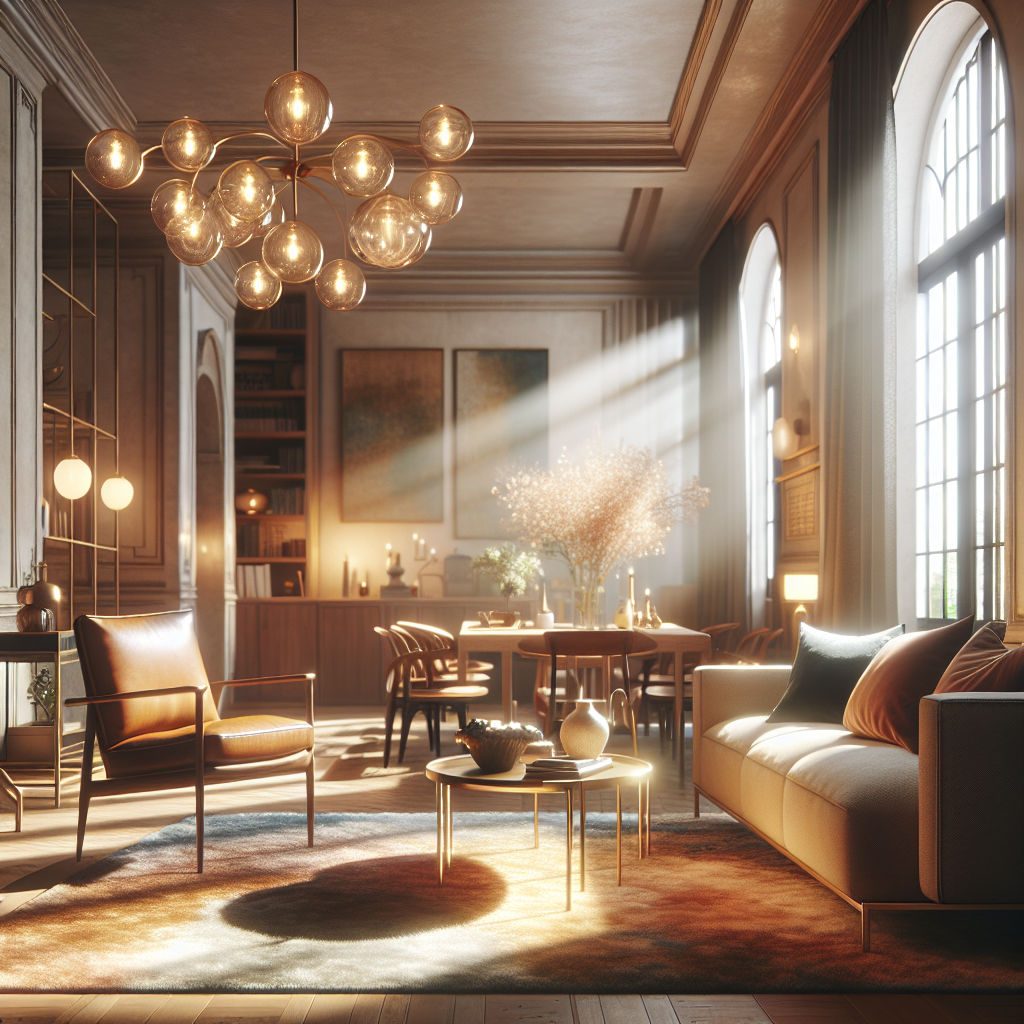
Elevate Your Home Decor: Mix Modern and Vintage Furniture Like a Pro

Picture this: you walk into a room where a sleek, contemporary sofa sits perfectly beside a weathered farmhouse coffee table, while a mid-century modern lamp casts warm light over antique books scattered on floating shelves. That’s the magic of mixing modern and vintage furniture—when done right, it creates spaces that feel both timeless and fresh.
You know what? This design approach isn’t just trendy; it’s actually how most of us naturally live. We inherit Grandma’s china cabinet, splurge on a new sectional, and somehow need to make it all work together. The trick lies in understanding the principles that make these combinations sing rather than clash.
Why Mixing Eras Creates Design Magic
Let’s be honest—rooms filled with furniture from just one era can feel like museum displays or hotel lobbies. Sure, they’re polished, but where’s the personality? When you blend different time periods, you’re essentially telling your home’s story through furniture.
Modern pieces bring clean lines and functionality that today’s lifestyles demand. Meanwhile, vintage finds add character, craftsmanship, and that irreplaceable patina that only time can create. Together, they form a dialogue between past and present that feels authentic and lived-in.
The contrast itself becomes the design element. A stark, minimalist dining table becomes more interesting when surrounded by ornate Victorian chairs. Conversely, an intricate antique armoire gains new life when paired with contemporary accessories that let its details shine without overwhelming the space.
This approach also makes practical sense. Quality vintage pieces often cost less than their modern counterparts while offering superior construction. Many antiques were built to last generations—something that’s increasingly rare in today’s furniture market.
Reading the Room: Understanding Your Space’s Natural Personality
Every room has bones, and those bones tell you something important about what style direction will feel most natural. High ceilings with crown molding? That’s architecture begging for some classical elements. Open-concept spaces with exposed beams might lean more toward industrial or farmhouse vintage pieces mixed with sleek modern furniture.
Start by identifying your room’s dominant architectural features. Are the lines primarily straight and angular, or do you see curves and ornate details? This doesn’t mean you can’t go against the grain—sometimes contrast creates the most stunning results—but understanding your starting point helps you make intentional choices.
Room size matters too. Large spaces can handle bold vintage statement pieces alongside substantial modern furniture. Smaller rooms might benefit from delicate antique accents paired with space-saving contemporary pieces that don’t fight for attention.
Natural light plays a huge role in how different eras of furniture will feel in your space. Rooms flooded with sunlight can support heavier, darker vintage pieces without feeling oppressive. Dimmer spaces might need the reflective surfaces and lighter tones that many modern pieces offer.
The Foundation Philosophy: Establishing Your Design Anchor
Here’s where many people go wrong: they try to give equal weight to every piece. Instead, think about establishing a foundation—usually modern—and then layering in vintage elements as accents, or vice versa.
If you’re starting with modern as your base, choose contemporary pieces for your largest furniture items: sofas, beds, dining tables. These tend to be more comfortable for daily use and establish a clean backdrop. Then introduce vintage through smaller pieces like end tables, chairs, lighting, and accessories.
Going vintage-heavy? Let beautiful antique pieces take center stage while modern elements provide functional support. A gorgeous Victorian dining set might anchor your dining room while contemporary lighting and window treatments keep it from feeling dated.
The 70-30 rule works well here. Roughly 70% of your furniture should lean toward one era, while 30% comes from the other. This creates balance without confusion—your eye knows which style is leading the conversation.
Think about your lifestyle honestly. If you have young kids, that delicate antique table might not be practical for daily use, but it could be perfect as a console in an entryway where it’ll be admired rather than abused.
Color Theory That Makes Sense
Color becomes your secret weapon when mixing furniture from different eras. It’s often what determines whether a room feels intentionally curated or accidentally random.
Neutral backgrounds work like magic here. When your walls, floors, and window treatments stick to whites, grays, beiges, or other understated tones, both modern and vintage pieces can coexist without competing. That ornate gold mirror doesn’t clash with your minimalist sofa when both are grounded by warm white walls.
But don’t be afraid of color—just be strategic about it. Pull accent colors from existing pieces and repeat them throughout the room. If your modern artwork includes deep blues, echo that shade in vintage textiles or pottery. This kind of color bridging makes disparate pieces feel like they belong together.
Woods present their own color challenges. You’ve probably heard that all your wood tones need to match, but that’s actually outdated advice. Different wood finishes can work beautifully together if they share similar undertones or if you have enough variety to make the mixing feel intentional rather than accidental.
The key is avoiding that awkward middle ground where you have two different wood tones that are close but not quite matching. Either make them clearly different or find pieces that truly complement each other.
Scale and Proportion: The Invisible Rules That Matter
This might be the most overlooked aspect of mixing furniture styles, but getting scale right is what separates amateur attempts from professional-looking results.
Vintage furniture often runs larger than modern pieces, partly because homes used to have bigger rooms and higher ceilings. That gorgeous antique armoire might overwhelm a contemporary bedroom designed around lower, sleeker furniture. The solution isn’t to avoid the piece—it’s to balance it properly.
When you’re dealing with a large vintage piece, give it breathing room. Don’t crowd it with other substantial furniture. Instead, pair it with more delicate modern pieces that let it be the star. Conversely, if you’re introducing small vintage accents into a modern room, group them together occasionally so they don’t get lost.
Height variation keeps rooms interesting. If your modern furniture sits low to the ground, tall vintage pieces create pleasing contrast. Mix table heights, vary lighting levels, and create visual triangles that lead your eye around the room.
Think about the visual weight of pieces too. A dark, heavy vintage chest and a glass-top modern table might be similar in actual size, but they’ll feel completely different in your space. Balance visual weight across the room so no single area feels too heavy or too light.
Texture and Materials: Creating Harmony Through Contrast
Here’s where the mixing gets really interesting. Materials and textures can bridge the gap between different furniture eras more effectively than almost any other design element.
Modern furniture often features smooth surfaces—glass, metal, glossy finishes. Vintage pieces typically showcase texture—carved wood, worn leather, distressed paint. When you combine these thoughtfully, each style enhances the other. That sleek modern sofa becomes more inviting when topped with textured vintage pillows. An antique wooden table gains contemporary edge when paired with acrylic chairs.
Metal finishes need attention when mixing styles. Brass and bronze often appear in vintage pieces while contemporary furniture might feature chrome or brushed steel. You can mix metals successfully, but follow the same principles as mixing wood tones—make the differences intentional and repeat similar metals throughout the space.
Fabric choices offer another opportunity for bridging. Modern chairs reupholstered in vintage-inspired fabrics can straddle both eras beautifully. Conversely, antique furniture updated with contemporary textiles feels fresh while maintaining its classic bones.
Don’t overlook the power of patina and wear. The imperfections in vintage pieces—scratches, fading, gentle wear—create character that sterile modern pieces sometimes lack. But too much distressing can overwhelm a clean contemporary space, so choose your weathered pieces carefully.
Room-by-Room Strategy: Where Different Approaches Work Best
Let’s get practical and walk through how this mixing strategy plays out in real rooms, because honestly, theory only goes so far.
Living Rooms: The Mixing Playground
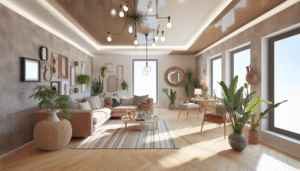
Living rooms offer the most flexibility for combining eras since they typically house the most furniture pieces. Start with a modern sofa for comfort—let’s face it, contemporary seating technology beats 1950s springs—then layer in vintage through coffee tables, side chairs, and lighting.
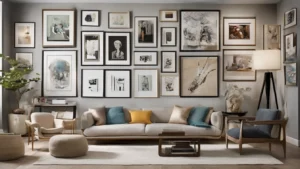
One effective approach: contemporary sectional, vintage coffee table, modern floor lamp, antique side tables, and a mix of old and new accessories. The room feels collected over time rather than purchased all at once from a single store.
Bedrooms: Intimacy Meets Function
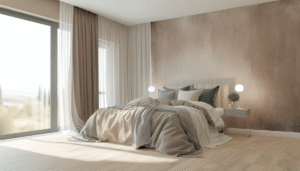
Bedrooms work beautifully with vintage statement pieces because they can handle more romantic, ornate styles that might feel too precious in high-traffic areas. An antique four-poster bed paired with sleek modern nightstands creates stunning contrast while maintaining bedside functionality.
Consider mixing a vintage dresser with a contemporary bed frame, or choosing modern built-ins while featuring an antique vanity. Bedrooms also allow for more dramatic wallpaper or paint colors that can help unify different furniture styles.
Dining Rooms: Where Formality Meets Function
Dining rooms practically beg for vintage character, but modern comfort matters when you’re sitting for long meals. Try pairing an antique table with contemporary chairs, or vice versa. Modern lighting over a vintage table keeps the room from feeling too formal or stuffy.
Credenzas and china cabinets offer perfect opportunities for vintage statement pieces, especially when balanced with contemporary art or modern serving pieces displayed inside.
Kitchens: Balancing Character with Performance
Kitchens present unique challenges since modern appliances and contemporary functionality are usually non-negotiable. Vintage elements work best in supporting roles—antique stools at a modern island, vintage-style lighting over contemporary cabinets, or a farmhouse table in an eat-in kitchen with sleek appliances.
Shopping Smart: Where to Find the Perfect Pieces
Knowing where to shop for both modern and vintage pieces can make or break your budget and timeline. Each source has its own advantages and potential pitfalls.
Estate Sales: Weekend Treasure Hunting
Estate sales offer some of the best opportunities for quality vintage furniture at reasonable prices. You’re shopping someone’s actual collection rather than dealer markups. The downside? It’s unpredictable, and great pieces go quickly.
Show up early for the best selection, but come back on the final day for the deepest discounts. Estate sale companies often reduce prices significantly on the last day rather than deal with leftovers.
Antique Malls: Curated Selection with Stories
Antique malls let multiple dealers showcase pieces under one roof. You’ll find higher prices than estate sales but also better-curated selections and often more information about pieces’ provenance. Many dealers in antique malls specialize in specific eras, making it easier to find exactly what you’re looking for.
Don’t be afraid to negotiate, especially if you’re buying multiple pieces from the same dealer. Cash often talks in antique malls.
Online Marketplaces: Expanding Your Search
Facebook Marketplace, Craigslist, and specialized vintage sites like Chairish or 1stDibs open up possibilities beyond your local market. You can find specific pieces that match your vision rather than hoping to stumble across them locally.
The challenge is assessing condition and authenticity through photos. Ask for detailed pictures of any wear, measurements, and specific questions about construction. For expensive pieces, consider hiring a local inspector before purchasing.
Modern Furniture: Strategic Shopping
For contemporary pieces, timing matters. Many furniture stores have predictable sale cycles—often around major holidays or during market weeks when new collections launch. If you can wait, you’ll save significantly.
Consider floor models for immediate availability and potential discounts. Display pieces often show minimal wear since most customers just look rather than actually use them.
Styling Secrets: The Details That Make It Work
Once you have your furniture pieces, styling becomes what transforms a collection into a cohesive room. These details often matter more than the furniture itself.
Layering Accessories Across Eras
Mix vintage and modern accessories just like you do furniture. Modern lamps on antique tables, vintage books on contemporary shelves, fresh flowers in both old and new vases. This kind of cross-pollination makes the room feel lived-in rather than staged.
Group accessories in odd numbers and varying heights. A tall modern vase, medium vintage bowl, and small contemporary sculpture create more visual interest than three similar-sized pieces lined up in a row.
Lighting: The Great Unifier
Lighting might be your most powerful tool for making mixed furniture styles feel intentional. Warm, consistent lighting makes everything look better, while harsh or uneven lighting amplifies any awkwardness in your furniture combinations.
Layer different lighting types throughout the room—ambient, task, and accent lighting from various eras. A modern chandelier over a vintage dining table, antique table lamps flanking a contemporary sofa, contemporary recessed lighting highlighting vintage art.
Textiles Bridge the Gap
Throw pillows, blankets, curtains, and rugs offer low-commitment ways to experiment with bridging different furniture styles. Contemporary furniture can look more relaxed with vintage-inspired textiles, while antique pieces feel fresh with modern fabric patterns.
Don’t match everything perfectly. Instead, choose textiles that share color families or complement your overall palette while representing different eras or styles.
Common Mistakes and How to Avoid Them
Even with the best intentions, certain pitfalls seem to trap almost everyone trying to mix modern and vintage furniture. Let’s address the big ones before they derail your design dreams.
The Museum Trap
This happens when you treat vintage pieces like untouchable artifacts instead of functional furniture. Yes, that antique chair is beautiful, but if no one can sit in it comfortably or if you’re constantly worried about damage, it becomes a decoration rather than furniture.
Choose vintage pieces that can handle your actual lifestyle. Save the most delicate items for low-traffic areas where they can be admired without stress.
Fighting Your Architecture
Trying to force ultra-modern furniture into a Victorian house or cramming ornate antiques into a contemporary loft rarely works well. You don’t have to match your home’s original era exactly, but completely ignoring architectural context creates tension rather than harmony.
Work with your home’s bones rather than against them. Contemporary furniture can absolutely work in older homes, but choose pieces that acknowledge the space’s character rather than fighting it.
Inconsistent Quality Levels
Mixing a $50 particle board table from a discount store with a $2000 antique armoire creates jarring contrast in quality rather than style. The difference in construction, materials, and finish quality will be obvious and unflattering to both pieces.
Aim for relatively consistent quality levels even when mixing styles. This doesn’t mean everything needs to cost the same, but the craftsmanship and materials should feel compatible.
Overwhelming the Space
It’s tempting to use every gorgeous piece you find, but restraint creates more impact than abundance. Too many statement pieces competing for attention creates chaos rather than curated style.
Choose one or two stars for each room and let other pieces play supporting roles. That incredible antique secretary desk doesn’t need to compete with an equally ornate vintage chandelier and detailed art collection all in the same sightline.
Budget-Friendly Ways to Test the Waters
Not ready to commit to expensive furniture pieces? Smart—testing your style preferences with smaller investments makes perfect sense.
Start with Accessories
Vintage and modern accessories let you experiment with different combinations without major financial commitment. Antique picture frames around contemporary art, modern lamps on inherited furniture, vintage pottery on sleek shelves.
These smaller pieces also move easily if your style evolves or if you relocate, making them safer investments for renters or frequent movers.
Reupholstering and Refinishing
A vintage chair with good bones but tired upholstery can become a modern masterpiece with contemporary fabric. Similarly, modern furniture with outdated finishes can take on vintage character with the right paint treatment or hardware changes.
This approach works especially well for dining chairs, accent chairs, and small tables where labor costs stay reasonable relative to the transformation achieved.
Temporary Solutions
Slipcovers, removable wallpaper, and temporary lighting let you experiment with different looks without permanent commitment. You might discover that your modern sofa feels completely different with a vintage-inspired slipcover, or that removable wallpaper with classic patterns transforms your contemporary dining room.
Seasonal Swaps
Change out accessories seasonally to test different combinations. Summer might feature lighter, more modern pieces while winter calls for cozy vintage textiles and warmer lighting. This rotation keeps rooms feeling fresh while helping you identify which combinations truly resonate.
Professional Tricks for Instant Sophistication
Interior designers use specific techniques to make furniture combinations look intentional and polished. These insider strategies can elevate your spaces dramatically.
The Triangle Principle
Arrange furniture and accessories in triangular relationships throughout the room. If you have a tall vintage bookcase on one wall, balance it with medium-height modern seating and a low contemporary coffee table to create visual triangles that feel stable and pleasing.
This doesn’t mean everything needs to form literal triangles, but distributing visual weight in triangular patterns creates subconscious comfort for anyone entering the space.
Repetition with Variation
Repeat certain elements—colors, materials, shapes, or finishes—throughout the room, but vary the scale or style. If your vintage dining table features carved details, echo those curves in modern light fixtures or contemporary art frames.
This repetition creates cohesion while variation maintains interest. Too much repetition becomes boring; too much variation becomes chaotic.
Negative Space Management
Professional designers pay as much attention to empty space as furnished areas. Mixing furniture styles successfully requires giving pieces room to breathe, especially when those pieces have strong personalities.
Avoid pushing all furniture against walls. Floating pieces in the room creates more dynamic arrangements and lets you appreciate individual pieces from multiple angles.
Playing with Proportions
Deliberately playing with scale creates sophisticated tension. An oversized modern chandelier over a delicate antique table, or tiny vintage accessories on a substantial contemporary console, creates memorable moments that feel intentional rather than accidental.
Seasonal Refreshes: Keeping Your Look Current
One beautiful aspect of mixing modern and vintage furniture lies in how easily you can refresh the overall feel through smaller changes rather than major overhauls.
Spring and Summer Updates
Warmer months often call for lighter, airier feelings. Swap heavy vintage textiles for lighter modern fabrics. Replace dark vintage accessories with contemporary pieces in fresh colors. Add modern planters with lush greenery to soften antique furniture lines.
Consider rotating artwork seasonally—contemporary photography for summer’s clean energy, vintage prints for autumn’s cozy nostalgia.
Fall and Winter Coziness
Cooler seasons invite richer textures and warmer colors that often favor vintage elements. Layer antique quilts over modern seating, swap contemporary lamp shades for vintage-inspired alternatives, add vintage brass or copper accessories that reflect warm lighting beautifully.
Seasonal flower arrangements offer easy updates too. Modern geometric vases work beautifully with natural seasonal branches, while vintage vessels showcase formal autumn arrangements.
Holiday Adaptability
Rooms that mix modern and vintage furniture adapt beautifully to holiday decorating because they already embrace multiple aesthetics. Contemporary spaces often struggle with traditional holiday elements, while heavily vintage rooms can feel too precious for family gatherings.
Mixed spaces welcome both sleek modern ornaments and traditional family decorations, creating celebrations that feel both festive and authentic to your daily style.
Making It Personal: Your Story Through Design
The most successful combinations of modern and vintage furniture tell personal stories rather than following rigid design rules. Your grandmother’s sewing table becomes more meaningful when surrounded by contemporary pieces that reflect your current life, creating connections between past and present.
Don’t be afraid to include pieces that matter to you personally, even if they don’t fit perfectly with prescribed design principles. That modern chair you splurged on for your first apartment, the vintage lamp you found at your favorite flea market—these pieces with personal history often create the most compelling rooms.
Consider how your space needs to function for your actual lifestyle. If you work from home, vintage furniture might provide character while modern pieces offer ergonomic comfort for long work sessions. Families with children might choose modern seating for durability while vintage accessories add personality in safer locations.
Travel finds offer wonderful opportunities for bridging different eras. Contemporary pottery from a recent vacation mingles beautifully with inherited family pieces, while vintage finds from antique markets in different cities create conversations between places and times.
Advanced Techniques for Design Enthusiasts
Once you’re comfortable with basic modern-vintage mixing, these advanced approaches can create even more sophisticated results.
Era Bridging with Transitional Pieces
Some furniture pieces naturally bridge different eras—mid-century modern works beautifully with both contemporary and traditional antique pieces. Art Deco accessories complement both 1920s furniture and current geometric designs.
Look for pieces that share design DNA across eras. Clean-lined furniture from the 1960s often pairs beautifully with contemporary pieces, while ornate elements from different centuries can work together when they share similar levels of detail and craftsmanship quality.
Creating Focal Point Conversations
Advanced designers create relationships between standout pieces across a room. A dramatic modern painting might inspire the colors in vintage textiles across the space, while an ornate antique mirror could echo shapes in contemporary furniture silhouettes.
These connections require patience to develop, but they create sophisticated layers that reward closer attention and make rooms more interesting to live in over time.
Mixing Within Single Pieces
Consider furniture pieces that already blend eras—antique tables with modern hairpin legs, vintage dressers with contemporary hardware, classic chair frames reupholstered in cutting-edge fabrics.
These hybrid pieces often serve as perfect transition elements in rooms where you’re mixing significant amounts of furniture from different periods.
Sustainability and Vintage Furniture
Choosing vintage furniture alongside modern pieces supports sustainable living practices while creating unique interiors. Quality antique pieces have already proven their durability over decades or centuries, often outlasting contemporary furniture made with less robust construction methods.
Refinishing and reupholstering vintage furniture keeps pieces out of landfills while creating exactly the look you want. Many vintage pieces feature solid wood construction that’s increasingly rare and expensive in new furniture.
The combination approach also supports more thoughtful consumption—instead of buying complete furniture sets, you can collect pieces over time, investing in quality items that truly speak to you rather than settling for whatever’s immediately available.
Local artisans often specialize in antique restoration, supporting small businesses while preserving craftsmanship traditions that larger furniture manufacturers have abandoned.
This blog post from Apartment Therapy offers additional inspiration for sustainable furniture choices, while Houzz provides extensive photo galleries showcasing successful vintage-modern combinations in real homes.
Frequently Asked Questions
What’s the biggest mistake people make when mixing modern and vintage furniture?
The most common mistake is trying to give equal weight to both styles instead of choosing one as the foundation and using the other as accent pieces. This creates confusion rather than intentional design. Stick to roughly 70% of one era and 30% of the other for better balance.
How do I know if a vintage piece is worth the investment?
Look for solid wood construction, quality joinery, and pieces that are comfortable for your intended use. Check for structural soundness—wobbly legs or loose joints can be expensive to repair. Research the maker if possible, as certain manufacturers hold value better than others.
Can I mix different wood tones when combining modern and vintage furniture?
Absolutely! The key is making the mixing look intentional rather than accidental. Either choose woods that are clearly different or find pieces with similar undertones. Avoid having just two wood tones that are similar but not quite matching—this creates awkward tension.
What’s the best ratio of modern to vintage furniture in a room?
The 70-30 rule works well for most spaces. Choose either modern or vintage as your foundation (70%) and use the other style for accent pieces (30%). This creates harmony while maintaining visual interest and prevents the room from feeling confused about its direction.
How do I make sure vintage furniture works with my lifestyle?
Be honest about how you actually live in your space. If you have young children, save delicate antiques for low-traffic areas. Choose vintage pieces that can handle regular use, or reserve them for rooms where they’ll be admired rather than heavily used daily.
Should I reupholster vintage furniture to match my modern pieces?
Reupholstering can be a great way to bridge different eras, but choose fabrics that enhance rather than fight the piece’s original character. A Victorian chair might look stunning in contemporary fabric, but ultra-modern textiles on rustic farmhouse pieces might create awkward tension.
How much should I expect to spend on quality vintage pieces?
Prices vary dramatically based on age, rarity, condition, and location. Estate sales often offer the best values, while antique shops and online marketplaces typically cost more but offer better information about provenance. Budget for potential restoration costs when calculating total investment.
Disclaimer
The design advice and recommendations in this article reflect general principles for mixing modern and vintage furniture styles. Individual results may vary based on specific room conditions, personal preferences, and budget constraints. Always assess vintage furniture for structural soundness and safety before purchase, especially for pieces that will receive heavy use.
When shopping for antique or vintage pieces, verify authenticity and condition with qualified experts for significant investments. Refinishing or reupholstering projects should be undertaken by experienced professionals to preserve value and ensure quality results.
Color and design choices are subjective, and what works in one space may not translate directly to another. Consider your specific lighting conditions, room size, and architectural features when implementing these suggestions.
The external links provided are for informational purposes only and do not constitute endorsements. Always exercise your own judgment when making purchasing decisions or hiring contractors for furniture restoration work.
Categories
- Accent Walls & Ceilings (84)
- Art Curation & Gallery (83)
- Bedding Style Trends (89)
- Bedroom Makeover (96)
- Bohemian & Eclectic Styles (80)
- DIY & Budget-Friendly Decor (78)
- Eco-Friendly Design (83)
- Furniture Care (87)
- Home Decor & Design Ideas (181)
- Home Wellness Spaces (103)
- Integrated Outdoor Living (91)
- Japandi Style (84)
- Kids and Nursery Decor (73)
- Living Room Decor (99)
- Mix & Match Techniques (95)
- Modern & Contemporary Design (88)
- Rug Sizing & Placement (89)
- Scandinavian Design Inspiration (51)
- Seasonal Home Decor (100)
- Small Space Solutions (93)
- Wall Art & Painting Tips (94)
Recent Comments
Archives
Product Gallery
-
 Majestic African Wildlife Canvas Art for Stylish Home Decor
Rated 5.00 out of 5
Majestic African Wildlife Canvas Art for Stylish Home Decor
Rated 5.00 out of 5 -
 Cozy Irregular Green Plush Rug for Nordic Living Spaces
Rated 5.00 out of 5$50.99 – $321.60Price range: $50.99 through $321.60
Cozy Irregular Green Plush Rug for Nordic Living Spaces
Rated 5.00 out of 5$50.99 – $321.60Price range: $50.99 through $321.60 -
 Scandinavian Geometric Area Rugs for Stylish Home Décor
Rated 5.00 out of 5$36.62 – $554.84Price range: $36.62 through $554.84
Scandinavian Geometric Area Rugs for Stylish Home Décor
Rated 5.00 out of 5$36.62 – $554.84Price range: $36.62 through $554.84