Ever walked into a room that instantly makes you feel calm? That feeling comes from spaces thoughtfully designed with purpose. Incorporating mindfulness into decor means creating environments that nurture clarity, calm, and focus. In the first 100 words here, that key phrase establishes our focus: how to transform your home by blending mindful principles with design.
This article reveals actionable strategies to bring mindfulness alive in your everyday surroundings. You’ll explore room-by-room ideas, calming color schemes, natural elements, and organizing tips that reduce mental clutter. We’ll cover inspiring case studies, essential tools, and pitfalls to avoid.
Ready to invite peace into your home and mind? Let’s start by understanding what mindfulness in decor truly means, then break down specific ways you can use mindful design to improve focus, lower stress, and foster happiness—step by step.
What Is Mindfulness In Decor? Understanding The Basics
Mindfulness is more than meditation; it’s an active awareness of your experiences and surroundings. In decor, it translates to intentionality—choosing items, layouts, and colors that support your mental and emotional wellbeing. Rather than overcrowding your space with trends or clutter, mindful decorating prioritizes function, calm, and connection.
Defining Mindful Spaces
A mindful space feels balanced, purposeful, and reflects your values clearly. According to environmental psychology, such spaces reduce stress hormones by promoting sensory calm. Research from the Journal of Environmental Psychology highlights that environments optimized for simplicity and natural elements improve mental clarity and emotional resilience.
Why Mindfulness Matters in Home Design
- Reduces sensory overload common in busy households
- Improves ability to focus and be present during daily tasks
- Enhances mood through calming aesthetics and tactile comfort
- Creates a restorative atmosphere for rest and creativity
Without mindfulness, decor can overwhelm—too many colors, patterns, or clutter work against peace. Mindful decor invites you to slow down and inhabit your space fully.
Creating Mindful Decor: Key Elements And Strategies
1. Decluttering for Mental Space
Decluttering is more than tidying; it’s clearing mental pathways. Start by identifying items that add meaning versus those that create distraction. A 2014 UCLA study found that cluttered homes can increase cortisol levels, negatively affecting stress and focus.
Practical steps include setting a “clutter-free zone,” limiting knick-knacks, and investing in smart storage solutions. Embrace the mantra less is more—not minimalism for the sake of style, but for mental wellness.
2. Mindful Color Choices
Colors influence mood deeply. Soft blues and greens encourage calm; earth tones connect us to nature, grounding our senses. Avoid overly bright or saturated colors in relaxation zones as they may stimulate anxiety.
Calming Colors and Their Psychological Effects
| Color |
Effect |
Ideal Rooms |
| Soft Blue |
Reduces anxiety, promotes tranquility |
Bedroom, bathroom, meditation room |
| Muted Green |
Restores energy, calms mind |
Living room, office |
| Warm Taupe |
Comforting, balancing |
Any room for grounding effect |
3. Bringing Nature Indoors
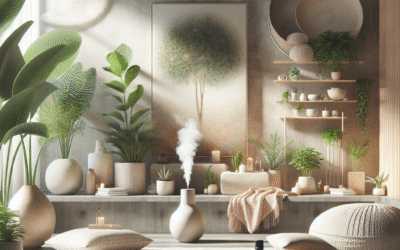
Biophilic design—using plants, natural light, wood textures—strengthens our connection to nature and reduces stress. NASA research shows that certain houseplants improve air quality and mental clarity.
Tips: Choose low-maintenance plants like snake plants or pothos for beginners. Incorporate natural decor like wooden bowls or stone art pieces, and aim for abundant daylight with sheer curtains.
4. Textures That Soothe
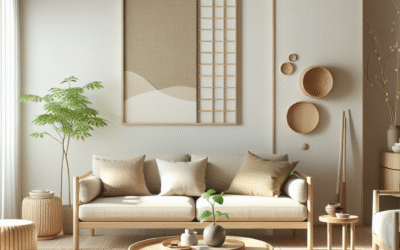
Incorporate soft textiles such as cotton throws, linen cushions, and wool rugs. Tactile comfort invites mindfulness by grounding you in the present moment. Avoid sharp contrasts or overly synthetic materials that disrupt relaxation.
5. Intentional Layout For Flow
Arrange furniture to promote ease of movement and social connection. Leave some negative space; cramped layouts force mental constriction. Feng Shui principles often overlap here, as they encourage flow of energy.
Example: Position couches or chairs where natural sunlight hits and allow conversation without interruptions.
Room-by-Room Guide to Mindful Decoration
Mindful Living Room
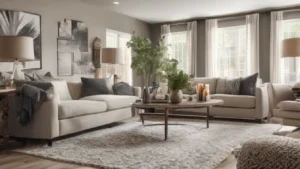
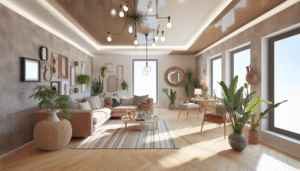
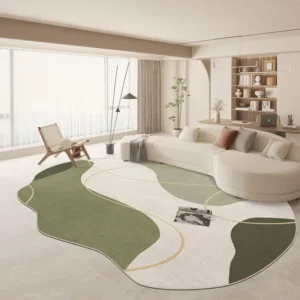
Prioritize comfort and conversation. Choose calming colors like muted green, bring in natural wood furnishings, and limit electronics to reduce distractions. Add a small indoor plant or two. Keep surfaces clutter-free.
Mindful Bedroom
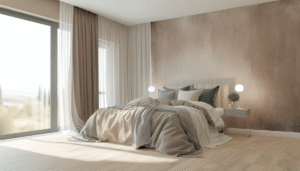
This sanctuary benefits from soft blues and taupe tones. Choose blackout curtains to ensure restful sleep, use layered bedding for tactile calm, and keep electronics out of reach or off entirely. An essential oil diffuser with lavender can aid relaxation.
Mindful Office Space
Encourage focus with a clean desk, ergonomic furniture, and natural light. Add a small plant or water feature for intensity balance. Use organizers to minimize distractions and consider noise-cancelling headphones for enhanced concentration.
Mindful Meditation Corner
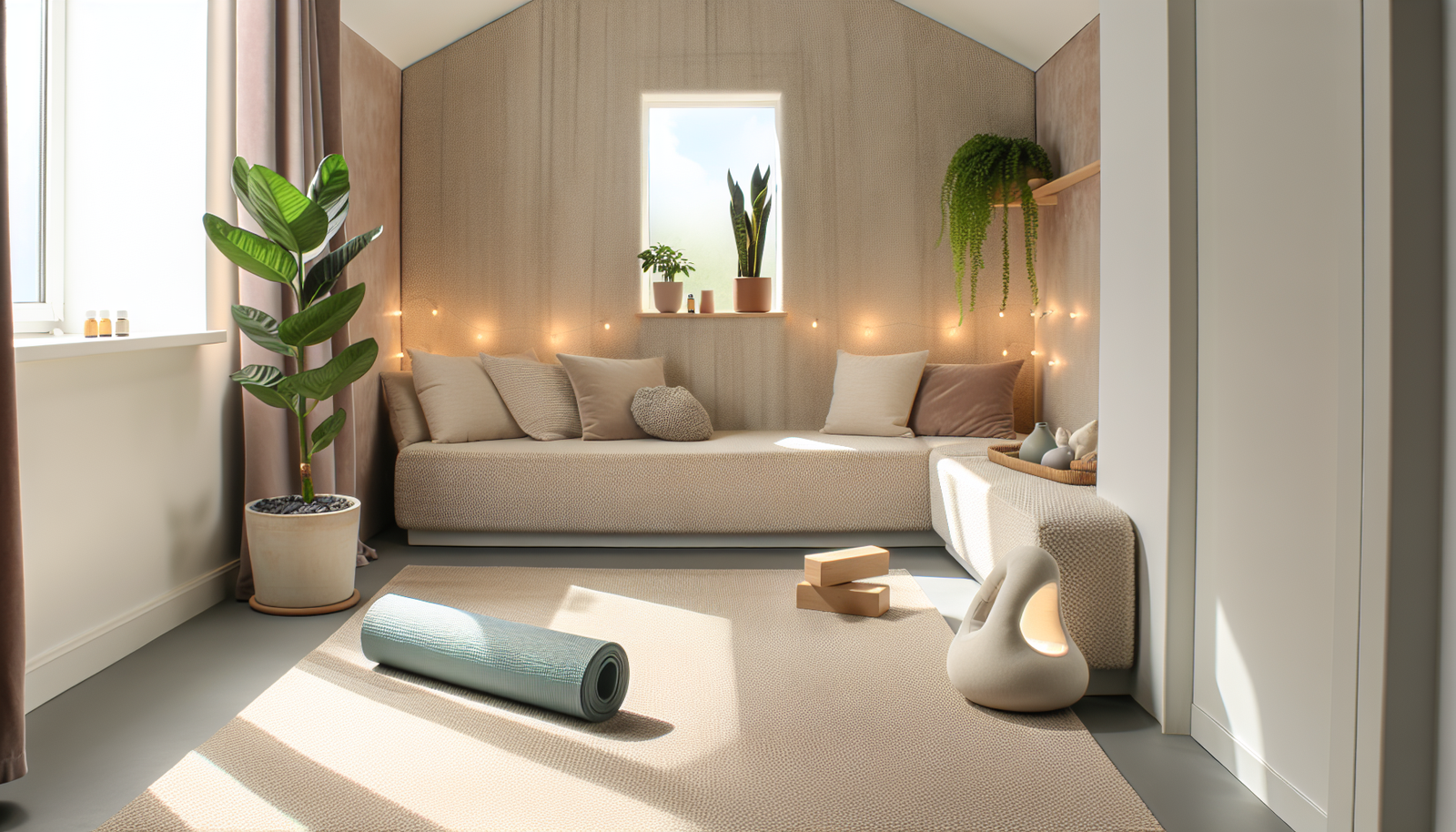
Select a quiet corner with floor cushions or a small bench. Use natural materials and calming colors, add a candle or incense, and face a window for daylight meditation. Keep this space uncluttered and separate from active areas.
Case Studies: Real Homes Transformed With Mindful Decor
Case Study 1: The Smith Family’s Calm Living Space
Before incorporating mindfulness, their living room was cluttered and tech-heavy, leading to family tension. After a mindful makeover, they chose soft earth tones, built-in storage, and added plants. The family reports better evening relaxation and quality time.
Case Study 2: Anna’s Home Office Transformation
A busy graphic designer, Anna struggled with focus in her cluttered workspace. She switched to neutral blues, introduced natural wood furniture, and added a small water fountain. Within weeks, her productivity increased by 30%, and she felt less stressed.
Tools and Resources for Mindful Decorating
Apps
- Houzz: Inspiration with filters for natural and minimalist styles
- Calm: Meditation app that encourages mindful breaks during redesign
Books
- “The Art of Simple Living” by Shunmyo Masuno — practical Zen principles for space and life balance
- “Biophilic Design: The Theory, Science and Practice of Bringing Buildings to Life” by Stephen R. Kellert
Products
- Natural fiber rugs (wool, jute)
- Therapeutic salt lamps for ambient light
- Eco-friendly paint with low volatile organic compounds (VOCs)
Common Mistakes to Avoid When Incorporating Mindfulness Into Decor
Overloading Minimalism
Mindfulness doesn’t mean sterile spaces. Avoid empty, cold rooms by incorporating warm textures and personal meaningful objects.
Ignoring Personal Needs
Decor should support your lifestyle. Don’t copy trends blindly; choose what genuinely makes you feel calm.
Neglecting Maintenance
Mindful spaces require upkeep to avoid slipping back into clutter or chaos. Devote time weekly to tidy and refresh.
Frequently Asked Questions
What is mindful decor?
Mindful decor is designing spaces with intention and awareness, focusing on calmness, purpose, and reducing distractions.
How can I start incorporating mindfulness in my home?
Begin by decluttering, choosing calming colors, incorporating nature, and arranging furniture for flow and ease.
Which colors promote mindfulness?
Soft blues, muted greens, earth tones, and neutrals are known to support relaxation and clarity.
Can mindfulness in decor improve mental health?
Evidence suggests thoughtfully designed, clutter-free, and nature-connected spaces reduce stress and improve focus.
Is mindful decor expensive to implement?
Not necessarily. Small changes like decluttering, adding plants, or rearranging can have significant impacts without large costs.
How does natural light affect mindful spaces?
Natural light boosts mood and alertness, fostering a stronger connection with your environment and supporting mindfulness.
Conclusion & Next Steps
Incorporating mindfulness into decor transforms your environment into a sanctuary for your mind and body. By thoughtfully choosing colors, materials, layouts, and prioritizing decluttering, you create a home that supports peace and clarity. Start small—adjust one room and observe how it shapes your mood. Remember, mindful decor is a journey, not a one-time fix. Embrace each change as a chance to deepen your calm and engagement with your space.
Ready to make your home a mindful haven? Explore our minimalist home design ideas, biophilic interior design techniques, and decluttering tips for mindfulness to continue progressing your mindful living journey.
Content Disclaimer
The information provided in this article is for educational purposes only. It is not professional medical or mental health advice. For personalized support, please consult a qualified healthcare provider.