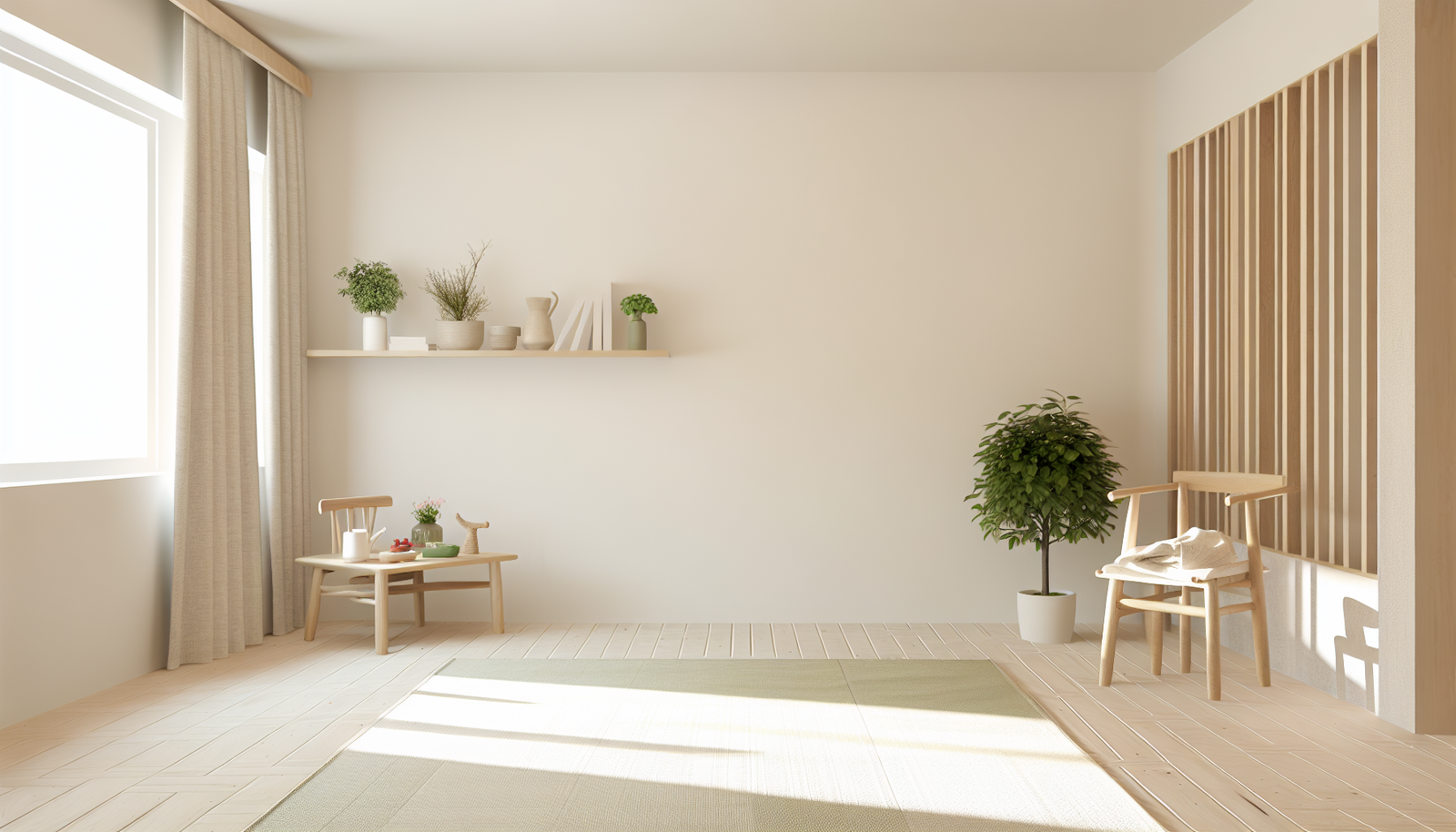
Imagine a home that feels calm, cozy, and clutter-free, yet perfectly designed for the unpredictable energy of children. Japandi minimalist kid-friendly interiors offer just that—a thoughtful blend of Japanese simplicity and Scandinavian warmth, tailored for families who want style without sacrificing safety or function. If you’ve ever struggled with keeping your home tidy and stylish while accommodating lively kids, this design approach might just be the solution.
In this article, you’ll learn how to create serene, harmonious interiors inspired by Japandi aesthetics, with practical strategies to make spaces kid-friendly without overwhelming your minimalist sensibilities. We’ll cover everything from furniture choices and storage hacks to non-toxic materials and playful yet functional décor.
Here’s a quick roadmap: first, understand Japandi style basics and why it suits family life; then explore how to integrate child-safe, easy-clean materials; next, discover clever storage and layout tips; followed by expert insights and real home examples; and finally, explore FAQs to nail down your design plan confidently.
Understanding Japandi Style for Family Living
What is Japandi Minimalism?
Japandi design is a thoughtful fusion of Japanese minimalism and Scandinavian functionality—two styles valuing clean lines, natural materials, and intentional simplicity. This hybrid style emphasizes balance, calm, and purposeful living, making it ideal for families craving order amidst everyday chaos.
Why Japandi Works for Kid-Friendly Interiors
Child-friendly doesn’t mean dull. Japandi’s neutral palette and uncluttered spaces create a soothing environment that can reduce overstimulation. Plus, its emphasis on natural, durable materials means it stands up well to the wear and tear of family life.
Choosing Kid-Safe Materials and Finishes
Natural and Non-Toxic Materials
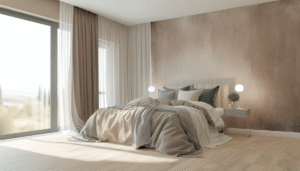
Opt for materials like untreated wood, organic cotton fabrics, and low-VOC paints to ensure a non-toxic environment for your children. For example, bamboo flooring offers durability and warmth, while hemp or linen textiles are easy to clean and gentle on sensitive skin.
Durability Meets Aesthetics
Kid-friendly surfaces should handle spills, scratches, and rough use. Matte finishes on cabinets and tables reduce visible marks, while stone or concrete countertops are both stylish and tough. Avoid fragile glass or high-gloss surfaces that can chip or show finger smudges prominently.
Smart Layouts and Furniture Choices for Families
Minimalist Furniture with Rounded Edges
Safety first: rounded edges on tables and chairs drastically reduce injury risk. Brands like Muji and Hay provide sleek pieces ideal for Japandi decor, merging safety with Scandinavian-Japanese aesthetics.
Flexible and Multifunctional Pieces
Furniture that adapts can save space and manage clutter. Think storage benches, foldable desks, and stackable stools. This flexibility supports daily tasks and accommodates growing kids’ needs without sacrificing style.
Effective Storage Solutions That Hide Clutter Elegantly
Built-in Storage and Clever Use of Space
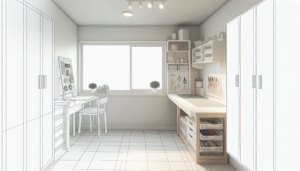
Raising furniture off the floor and incorporating hidden drawers or under-bed storage helps keep toys and essentials tucked away, maintaining that signature Japandi clean look.
Open vs Closed Storage Balance
Allow for open shelving that showcases select items alongside closed cabinets that conceal clutter. This balance encourages tidiness while keeping playful elements in view for children.
Incorporating Playful Elements Without Overcrowding
Simple Touches to Inspire Creativity
Add natural fiber rugs, cozy cushions, and wall-mounted wooden play panels. These elements invite sensory play without disrupting the minimalist harmony.
Rotating Toys and Art Displays
Display children’s art in simple frames and rotate toys seasonally to keep spaces fresh and manageable. This curates a calm environment and teaches kids about mindful ownership.
Case Study: A Japandi Kid-Friendly Living Room
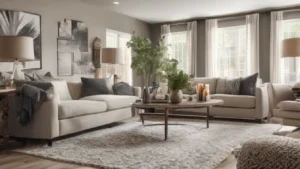
Consider the home of the Andersson family in Malmö, Sweden. Their living area features a low wooden sofa with rounded edges, a flax linen slipcover, and Körsbär storage boxes underneath. An indigo-dyed rug from Japan defines the play area. The setup blends warmth and minimal clutter, proving that style and kid-friendly practicality can coexist beautifully.
Tools and Resources to Plan Your Japandi Kid-Friendly Interior
- Planner 5D: Offers room-design simulation with Japandi furniture templates.
- Houzz: For inspiration photos and sourcing Scandinavian-Japanese pieces.
- Low-VOC Paint Brands: Such as AFM Safecoat, to ensure a healthy environment.
Comparison Table: Japandi vs Other Kid-Friendly Design Styles
| Feature |
Japandi |
Traditional Minimalism |
Boho Kid-Friendly |
| Color Palette |
Neutral, earthy, muted tones |
Mostly white and black |
Bright, eclectic |
| Materials |
Natural wood, bamboo, linen |
Metal, plastic, glass |
Textured fabrics, rattan |
| Furniture |
Functional, warm, rounded edges |
Streamlined, sharp edges |
Vintage, mix-and-match |
| Kid-Friendliness |
High – durable, safe |
Medium – some sharp edges |
Medium-High – fabric prone to stains |
Frequently Asked Questions
What is the main benefit of Japandi style for families with kids?
Japandi combines calming aesthetics with durable, safe materials that withstand family use, promoting a balanced, clutter-free home environment.
Are natural materials always better for kid-friendly interiors?
Natural materials generally offer durability and safety, but it’s important to consider maintenance and potential allergens before selection.
How can I make my minimalist space feel warm and inviting for children?
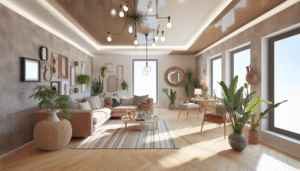
Use textured textiles, neutral warm tones, layered lighting, and natural elements like plants to create a cozy and inviting atmosphere.
Can Japandi style accommodate different age groups of children?
Yes, Japandi’s flexible furniture and storage solutions can be adapted as children grow, maintaining both style and practicality.
Where can I buy kid-safe Japandi furniture?
Stores like Muji, IKEA’s Scandinavian collections, and specialized Japanese design retailers offer suitable kid-friendly Japandi furniture options.
Conclusion: Crafting Your Japandi Minimalist Kid-Friendly Home
Japandi minimalist kid-friendly interiors offer a timeless solution for families seeking harmony between style, safety, and everyday practicality. By thoughtfully selecting natural materials, prioritizing smart storage, and mixing functional furniture with playful touches, you can build a home that welcomes your children’s energy without sacrificing calm or design integrity.
Ready to start your transformation? Begin with one room, focus on decluttering, and explore Japandi furnishings that reflect your family’s lifestyle. You’ll soon enjoy a beautiful space where peace and play coexist gracefully.
For more inspiration on family-friendly interiors and minimalist design, check out our articles on Scandinavian Kid-Friendly Design, Eco-Friendly Family Homes, and Minimalist Toy Storage Ideas.
Content Disclaimer
The information provided in this article is for educational purposes only and does not constitute professional design advice. Individual results may vary depending on personal circumstances, and consulting a professional interior designer is recommended for tailored solutions.