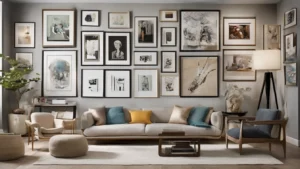
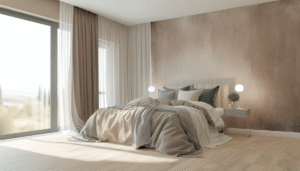
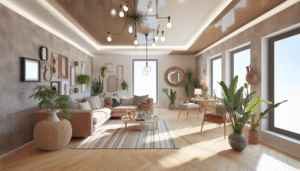


Japandi style minimalist art curation has emerged as a captivating design philosophy that harmonizes the best of Japanese and Scandinavian aesthetics, prioritizing simplicity, craftsmanship, and natural beauty. Whether you’re an art collector, interior designer, or someone seeking a peaceful home environment, understanding how to curate art that embodies Japandi principles can transform your space into a sanctuary of calm and elegance. This guide unpacks the essentials of Japandi art curation, practical steps to build your collection, and how to bring balance and warmth to minimalist interiors through carefully chosen artworks.
In this article, you’ll explore:
– What defines Japandi minimalist art and its cultural roots
– How to choose and curate art pieces that fit Japandi’s subdued palette and forms
– Case studies showcasing successful Japandi art installations
– Tips to integrate art harmoniously within Japandi interiors
– Recommended tools and resources for art curation and acquisition
Understanding Japandi Style Minimalist Art: A Fusion of East and North
Japandi style minimalist art blends the rustic, understated elegance of Scandinavian design with the serene, refined aesthetics of traditional Japanese art forms. This hybrid approach celebrates natural materials, muted colors, and simple yet meaningful expressions. As a fusion of two cultures valuing minimalism, it shies away from over-decoration, emphasizing craftsmanship and intentionality in every curated piece.
Core Characteristics of Japandi Art
- Natural Materials: Wood, paper, clay, and textiles sourced with respect to nature’s textures.
- Neutral, Earthy Palette: Soft beiges, warm greys, muted blues, and off-whites complement the calming interior atmosphere.
- Minimalist Forms: Simplified, organic shapes with a focus on negative space and composition.
- Functional Beauty: Art often has dual purpose or evokes tranquility and mindfulness.
- Wabi-Sabi Influence: Imperfection and impermanence celebrated through asymmetry and natural flaws.
The Cultural Roots Behind Japandi Minimalism
At the heart of Japandi art lies a shared philosophy across Scandinavian and Japanese traditions: beauty in simplicity and mindfulness. Scandinavian design’s focus on hygge (coziness) meets the Japanese wabi-sabi ideal, creating interiors that feel warm yet uncluttered. This synergy influences what art works are selected—pieces that bring comfort yet provoke peaceful reflection.
Actionable Tip:
Begin by assessing your existing space and noting natural light sources, color schemes, and textures. Your art choices should enhance and complement these elements rather than compete.
How to Curate Japandi Style Minimalist Art: Practical Strategies
Curating Japandi minimalist art requires restraint, attention to detail, and a deep appreciation for subtle beauty. The goal is to create harmony between the art, the environment, and the people inhabiting it. Here are actionable steps to help you curate your collection successfully.
1. Choose Art with Intentional Simplicity
Look for pieces with minimalist aesthetics that embody natural textures and muted tones. Watercolor landscapes, abstract brush strokes, ceramic wall hangings, or handcrafted wood panels often mirror Japandi values. Art should feel deliberate yet effortless, evoking calm without overwhelming.
2. Balance Scale and Placement
In minimalist spaces, every piece counts. Oversized art may disrupt balance while tiny pieces can feel lost. Aim for medium-sized artworks positioned thoughtfully, often near natural light or focal points to create visual interest without clutter.
3. Integrate Functional Art and Crafts
Japandi blurs the line between decor and utility. Consider including objects like lacquered trays, tatami mats with subtle patterns, or handwoven textiles as part of your curation. These items serve everyday functions while enriching the aesthetic.
4. Prioritize Texture over Color
Since Japandi palettes are muted, texture provides depth and tactile intrigue. Look for artworks with layered brushwork, fabric appliqués, or ceramic reliefs that invite touch and visual exploration.
5. Embrace Wabi-Sabi Imperfections
Art that shows natural wear, uneven edges, or subtle asymmetry can make your collection feel authentic and lived-in. Seek artists who celebrate imperfection in their craftsmanship, enhancing the minimalist narrative.
Actionable Tip:
Start small—select one or two key pieces aligning with Japandi principles, then expand your collection gradually. This ensures coherence and prevents visual overload.
Case Studies: Japandi Style Minimalist Art in Real Spaces
Understanding how Japandi art functions in situ reinforces curation strategies. These examples reveal how thoughtfully selected artworks amplify minimalist interiors.
Case Study 1: A Tokyo Apartment’s Artful Serenity
This compact city apartment incorporates handmade washi paper prints alongside smooth Scandinavian ceramics. The prints’ muted tones blend with soft wooden furnishings, while ceramics add tactile contrasts. The art feels integrated, enhancing the peaceful vibe despite limited square footage.
Case Study 2: Nordic Cabin Embracing Japanese Simplicity
A lakeside retreat in Sweden features minimal brushstroke landscapes by contemporary Japanese artists. Placed over a raw pine sideboard, the pieces highlight wood grain details and soft natural light. The space exemplifies balance between two design cultures.
Comparing Japandi and Pure Minimalist Art
| Aspect | Japandi Style | Pure Minimalism |
|---|---|---|
| Color Palette | Warm neutrals, earthy | Often stark whites, black, greys |
| Texture Focus | Rich layers, natural materials | Smoother, polished surfaces |
| Cultural Influence | Japanese & Scandinavian fusion | Abstract, often Western modernism |
| Emotional Tone | Calm, cozy, imperfect beauty | Clean, clinical, impersonal |
| Functional Art | Common, integrated in decor | Rare, mostly decorative |
Actionable Tip:
Use comparative analysis to refine your selection criteria—favor art that resonates with Japandi’s warm minimalism over cold abstraction.
Integrating Japandi Art Into Your Interiors: Dos and Don’ts
Even the most beautiful pieces can lose impact without proper contextual placement. Here’s how to weave Japandi art into your living spaces effectively.
Do: Create a Calm Visual Rhythm
Position art so it leads the eye naturally through the space. Leave breathing room around each piece—a few feet of wall can create elegant contrast.
Don’t: Overcrowd Walls or Surfaces
Japandi minimalist art thrives on simplicity. Resist clustering multiple pieces tightly, which disrupts balance and invites chaos.
Do: Layer Art with Complementary Elements
Pair artworks with soft textiles like natural linen cushions or wool rugs to enhance tactile warmth without distracting.
Don’t: Rely Solely on Wall Art
Incorporate art objects like pottery, bonsai plants, or simple sculptures to add dimension without excess bulk.
Do: Use Lighting to Enhance Textures
Soft, indirect lighting highlights subtle details in materials and brushwork, amplifying the calming mood of Japandi interiors.
Actionable Tip:
Experiment with neutral-toned mats or frames made from natural wood to further reinforce the Japandi aesthetic.
Tools and Resources To Curate Your Japandi Minimalist Art Collection
Modern curation benefits from digital and physical tools that streamline collection building and organization.
Online Platforms for Discovering Japandi Art
- Etsy: Handmade and vintage art, filtering for Japanese or Scandinavian styles.
- Artsy: Extensive gallery partnerships with emerging and established minimalist artists worldwide.
- Nendo Studio: Contemporary Japanese minimalism for inspiration.
Curating Software and Apps
- ArtBinder: Manage and organize your art collection digitally with note-taking and cataloging features.
- Moodboard: Create visual collages to experiment with art placement and palette harmony.
- Pinterest: Curate inspiration boards emphasizing Japandi style for reference and sharing.
Physical Resources and Shows
- Attend Scandinavian design festivals and Japanese art exhibitions in major cities.
- Visit design museums such as the Nordic Museum (Stockholm) or The National Museum of Modern Art (Tokyo).
- Explore local artisan fairs focusing on functional crafts aligned with minimalist values.
Actionable Tip:
Combine online research with visits to local galleries to curate a balanced portfolio of Japandi artworks tailored to your style.
Frequently Asked Questions about Japandi Style Minimalist Art Curation
What is Japandi style minimalist art?
Japandi style minimalist art is a design approach blending Japanese and Scandinavian aesthetics focusing on simplicity, natural materials, and understated, elegant forms.
How do I start curating Japandi art?
Start by selecting pieces with neutral palettes, natural textures, and minimalist designs that emphasize calm and functional beauty.
Can Japandi art include functional objects?
Yes, Japandi seamlessly blends decor and utility, making handcrafted ceramics, textiles, and woodworks ideal art forms.
What colors define Japandi art?
Japandi favors muted, natural colors like soft greys, warm beiges, off-whites, and gentle blues to maintain a tranquil environment.
Where can I find authentic Japandi art pieces?
Look for artisan markets, curated online platforms such as Etsy and Artsy, or galleries specializing in Japanese and Scandinavian art.
Is Japandi style suitable for small spaces?
Absolutely. Japandi minimalist art is perfect for small spaces as it promotes uncluttered, calm settings enhancing perceived roominess.
How important is lighting in displaying Japandi art?
Lighting is crucial. Soft, natural or indirect lighting brings out textures and subtle hues, enriching the contemplative vibe.
Can I mix Japandi art with other minimalist styles?
While blending is possible, it’s essential to maintain Japandi’s warm natural textures and soft colors to prevent clashes with colder minimalism.
Conclusion & Next Steps for Your Japandi Style Minimalist Art Journey
Japandi style minimalist art curation offers a unique approach to creating serene, beautiful living spaces through intentional art selection that honors natural materials, subtle harmonies, and timeless craftsmanship. As we explored, integrating art into Japandi interiors involves understanding cultural roots, curating with care, and balancing aesthetics with function.
Start your journey by evaluating your environment, choosing a few quality Japandi pieces, and gradually building your collection with textured, understated artworks that invite calm and connection. Consider leveraging curated online platforms and visiting exhibitions for inspiration and acquisition.
Explore our related articles on Minimalist Home Décor Ideas and Scandinavian and Japanese Design Tips to deepen your understanding of this elegant style fusion.
Your Japandi art collection awaits—transform your space into a haven of refined simplicity today.
Content Disclaimer
The information provided in this article is for educational purposes only and reflects the author’s opinions and expertise in art and design. Individual results may vary based on personal tastes and environments.
Categories
- Accent Walls & Ceilings (84)
- Art Curation & Gallery (83)
- Bedding Style Trends (89)
- Bedroom Makeover (96)
- Bohemian & Eclectic Styles (80)
- DIY & Budget-Friendly Decor (78)
- Eco-Friendly Design (83)
- Furniture Care (87)
- Home Decor & Design Ideas (181)
- Home Wellness Spaces (103)
- Integrated Outdoor Living (91)
- Japandi Style (84)
- Kids and Nursery Decor (73)
- Living Room Decor (99)
- Mix & Match Techniques (95)
- Modern & Contemporary Design (88)
- Rug Sizing & Placement (89)
- Scandinavian Design Inspiration (51)
- Seasonal Home Decor (100)
- Small Space Solutions (93)
- Wall Art & Painting Tips (94)
Recent Comments
Archives
Product Gallery
-
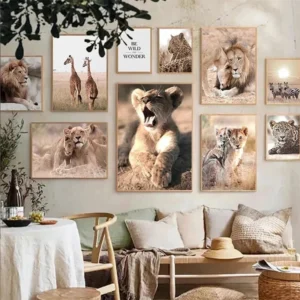 Majestic African Wildlife Canvas Art for Stylish Home Decor
Rated 5.00 out of 5
Majestic African Wildlife Canvas Art for Stylish Home Decor
Rated 5.00 out of 5 -
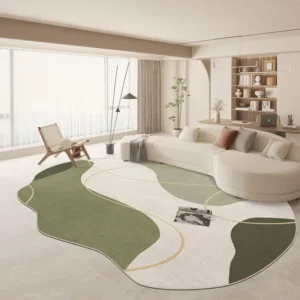 Cozy Irregular Green Plush Rug for Nordic Living Spaces
Rated 5.00 out of 5$50.99 – $321.60Price range: $50.99 through $321.60
Cozy Irregular Green Plush Rug for Nordic Living Spaces
Rated 5.00 out of 5$50.99 – $321.60Price range: $50.99 through $321.60 -
 Scandinavian Geometric Area Rugs for Stylish Home Décor
Rated 5.00 out of 5$36.62 – $554.84Price range: $36.62 through $554.84
Scandinavian Geometric Area Rugs for Stylish Home Décor
Rated 5.00 out of 5$36.62 – $554.84Price range: $36.62 through $554.84