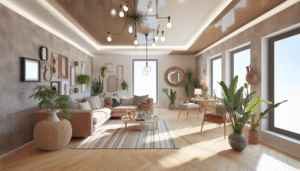
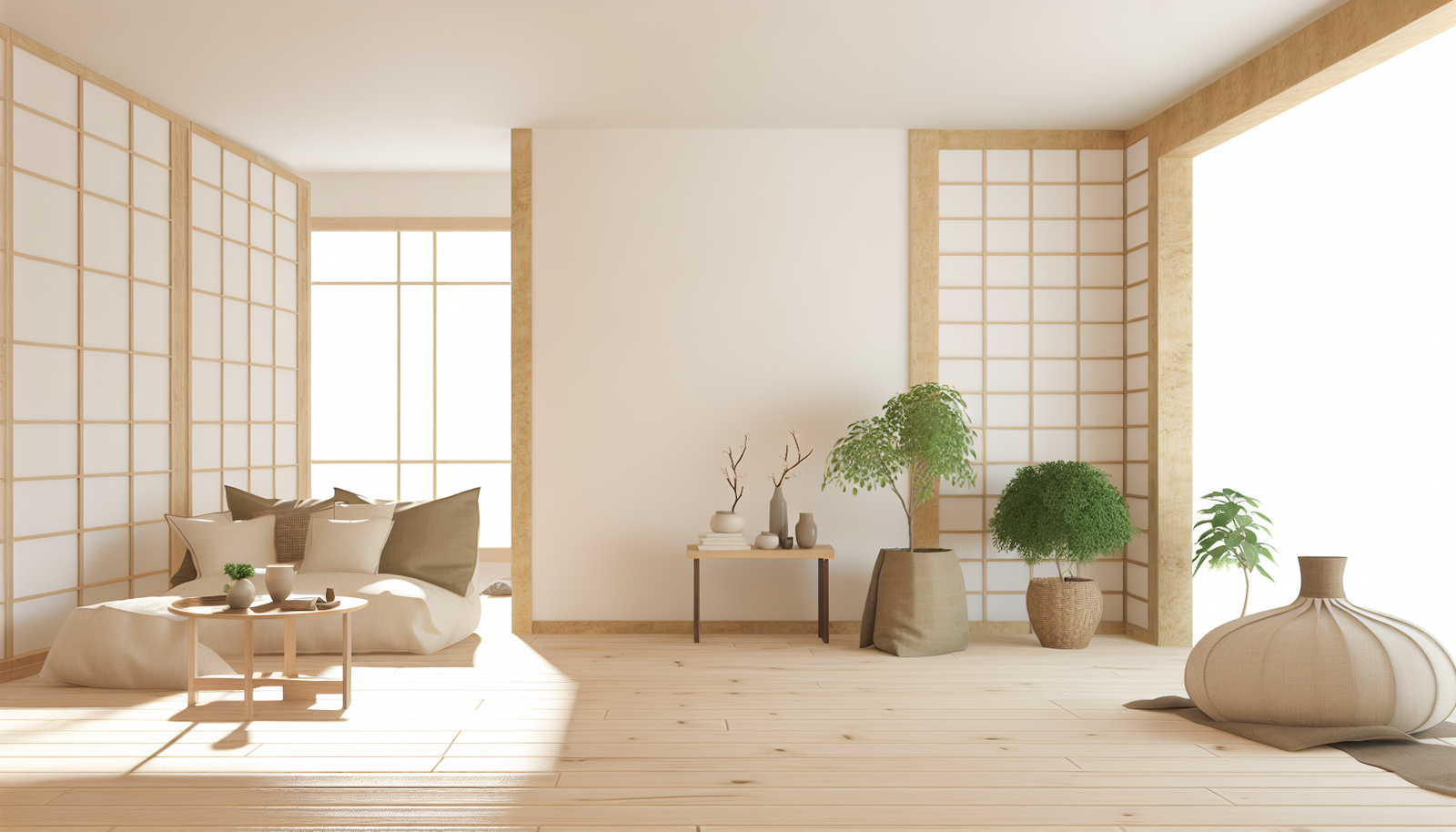

Imagine stepping into a home that effortlessly blends the serene simplicity of Scandinavian minimalism with the warm, natural beauty of Japanese design. That’s the essence of Japandi style, an interior design trend that’s capturing hearts—and homes—around the world. But what truly brings Japandi to life? Minimalist houseplants that accentuate clean lines, natural textures, and calming vibes. In this guide, you’ll discover everything you need to cultivate your own Japandi aesthetic with the right houseplants, tips, and design insights.
Whether you’re a seasoned plant enthusiast or just starting, this Japandi style minimalist houseplants guide will help you select the best greenery to match this chic fusion style. Expect actionable care advice, the best plants for Japandi interiors, and inspiring ideas for integrating nature into your minimalist dream home.
Here’s what we’ll cover:
- The core philosophy behind Japandi style and how plants enhance it
- Top minimalist houseplants perfect for Japandi interiors
- How to care for these plants while keeping your space clutter-free
- Design tips to harmonize plant placement with Japandi elements
- Comparisons and pros/cons of popular Japandi-friendly plants
- Real-world examples and expert insights
Ready to bring a fresh sense of calm and natural beauty into your space? Let’s dive into the world of Japandi houseplants.
Understanding Japandi Style and Its Connection to Minimalist Houseplants
What Is Japandi Style?
Japandi is a design trend combining Japanese minimalism with Scandinavian warmth. It emphasizes natural materials, muted tones, uncluttered spaces, and a blend of rustic and refined elements. The goal? To create peaceful, functional environments that invite calm and simplicity.
Why Plants Matter in Japandi Interiors
In Japandi homes, plants do more than decorate. They bring life, texture, and a grounding sense of nature indoors. The key is choosing greenery that complements clean lines without overwhelming space—minimalist houseplants that speak Japanese wabi-sabi (beauty in imperfection) and Scandinavian hygge (cozy contentment).
Key Minimalist Plant Characteristics for Japandi
- Simple leaf shapes with muted green tones or subtle variegation
- Compact, elegant growth habits that don’t clutter
- Easy-care nature to maintain the style’s grace without stress
- Natural textures that harmonize with wood, ceramic, and linen elements
Top Minimalist Houseplants for Japandi Style
1. Fiddle Leaf Fig (Ficus lyrata)
With its large, violin-shaped leaves, the fiddle leaf fig adds height and structured elegance to any Japandi space without clutter. Its deep green hue pairs well with natural wood tones.
Care Tips:
- Bright, indirect light
- Water when top inch of soil feels dry
- Rotate regularly to encourage even growth
2. Snake Plant (Sansevieria)
Snake plants deliver vertical, crisp form that aligns with minimalist design. Their architectural leaves tolerate low light and infrequent watering, perfect for busy Japandi homes.
Care Tips:
- Low to bright indirect light
- Water sparingly, allow soil to dry
- Thrives in average household temperatures
3. ZZ Plant (Zamioculcas zamiifolia)
ZZ plants boast waxy, deep green leaves with clean lines. They’re low-maintenance and add a lush touch without overpowering the space.
Care Tips:
- Low to medium indirect light
- Water when soil is completely dry
- Resistant to pests and drought
4. Japanese Maple (Acer palmatum) Bonsai
A small bonsai styled Japanese maple provides a direct nod to Japanese aesthetics. Its delicate leaves and mindful pruning embody Japandi’s natural balance.
Care Tips:
- Bright, indirect light or partial shade
- Keep soil moist but not soaked
- Regular pruning to maintain shape
5. Rubber Plant (Ficus elastica)
Rubber plants offer broad, glossy leaves and a subtle presence in room corners or side tables. They bring a bold yet sleek green statement.
Care Tips:
- Bright, indirect light preferred
- Water when upper soil is dry
- Clean leaves periodically for healthy photosynthesis
Comparison Table: Popular Japandi Minimalist Houseplants
| Plant Name | Light Requirements | Watering Needs | Growth Habit | Best For |
|---|---|---|---|---|
| Fiddle Leaf Fig | Bright indirect | Moderate | Upright, leafy | Floor-standing statement |
| Snake Plant | Low to bright indirect | Low | Vertical leaves | Corners, desks |
| ZZ Plant | Low to medium indirect | Low | Compact, bushy | Low-light spaces |
| Japanese Maple Bonsai | Bright indirect / partial shade | Moderate | Miniature tree | Accent tables |
| Rubber Plant | Bright indirect | Moderate | Upright, broad leaves | Medium light rooms |
Mastering Care for Japandi Minimalist Houseplants
Maintaining Simplicity: Watering and Lighting Tips
Caring for minimalist houseplants doesn’t mean complex routines—it actually demands consistency and moderation. Avoid overwatering, one of the common pitfalls; most Japandi plants prefer their soil to dry out slightly between waterings. Tailored light exposure is key—too much direct light disrupts their delicate balance while too little dims their natural beauty.
Soil and Pot Selection for a Clutter-Free Look
Stick to neutral-toned ceramic or matte pots that blend with your Japandi décor. Choose well-draining soil to prevent root rot and keep plants healthy with minimal fuss. Elevated wooden stands or simple trays add to the layered natural textures without crowding.
Pruning and Routine: Keeping Plants Fresh and Balanced
Prune dead or yellowing leaves regularly to maintain crisp forms suitable for the minimalist layouts. Use sharp scissors, prune thoughtfully, and don’t overdo it—wabi-sabi embraces the natural imperfection of growth but clean shapes enhance the style’s character.
Integrating Minimalist Houseplants into Japandi Interiors
Plant Placement Strategies
- Elevate and vary heights: Use stands, shelves, and low tables to create dimension with your plants.
- Group but don’t clutter: Group 2-3 plants of varied sizes in a corner or on a sideboard, keeping negative space around for breathing room.
- Highlight natural light: Position plants near window spaces filtered with sheer linen curtains typical of Japandi homes.
Complementary Materials and Colours
Balance greenery with natural wood finishes, stone accents, and soft textiles in cream, beige, and earth tones. The muted palette provides a soothing canvas that lets your houseplants shine without competition.
Incorporating Plants in Functional Spaces
Don’t limit plants to living rooms alone. Small potted herbs on kitchen windowsills, a Bonsai accent in a minimalist bathroom, or a taller standing plant by the bedroom window can extend Japandi’s calming influence throughout your home.
Real-World Japandi Minimalist Plant Case Studies & Expert Insights
Case Study: Scandinavian-Japanese Fusion Apartment, Copenhagen
Designers outfitted this 700 sq ft apartment with fiddle leaf fig and snake plants; both met bright Scandinavian winterscapes with greenery that thrives indoors. Minimalist planters in stone-grey and natural pine stools created harmony between function and aesthetics.
Expert Quote: Haruki Matsuda, Japanese Interior Designer
“Minimalist houseplants in Japandi interiors should evoke calmness, showing that nature doesn’t need to be over-complicated. Simple, caring touches yield spaces full of life and peace.” – Haruki Matsuda
Tool Recommendations
- Planta App – Personalized plant care reminders and tips
- ProPlant – Plant identification and health diagnosis tool
Visual Content Suggestions
- Infographic comparing care needs of Japandi houseplants
- Photo gallery showcasing minimalist concrete and wooden pots
- Step-by-step images on pruning and potting for Japandi plants
Frequently Asked Questions About Japandi Style Minimalist Houseplants
What makes a houseplant suitable for Japandi style?
Plants suited for Japandi style have simple shapes, muted greens, a compact or elegant form, and low-maintenance needs, matching the minimalist, natural aesthetic central to the style.
How often should I water my Japandi houseplants?
Watering frequency varies by plant, but most Japandi-friendly plants prefer soil to dry slightly before watering again—usually every 1-2 weeks depending on conditions.
Can I use artificial plants in Japandi interiors?
While natural plants offer authentic life and air quality benefits, high-quality faux plants with muted tones can work if realism and simplicity are prioritized.
How do I keep my houseplants from cluttering my Japandi space?
Use selective placement, choose compact varieties, and maintain negative space around plants to keep your interior light, airy, and uncluttered as Japandi style demands.
What type of pots work best for Japandi style?
Neutral, matte-finish pots in materials like ceramic, stone, or wood, with simple lines, complement the Japandi palette best—avoid flashy or ornate containers.
Which rooms benefit most from Japandi houseplants?
Living rooms, bedrooms, kitchens, and bathrooms all welcome Japandi plants, especially spaces with natural light and minimal visual noise.
How can I incorporate bonsai into my Japandi décor?
Bonsai with delicate branches and seasonal foliage fit perfectly on side tables or shelves to add a symbolic, artistic natural element central to Japanese aesthetics.
Conclusion & Next Steps
In this Japandi style minimalist houseplants guide, you’ve learned how to select and care for plants that enhance the serene, natural balance of Japandi interiors. From fiddle leaf figs to bonsai Japanese maples, choosing the right greenery brings life without clutter. Remember, the key is simplicity, natural materials, and mindful care—hallmarks of both Scandinavian and Japanese design philosophies.
Now that you understand the essentials, it’s time to bring some green tranquility into your own space. Start small with one or two chosen plants, refine their placement, and notice how your home’s atmosphere shifts toward calm elegance.
For more inspiration on minimalist living and natural home design, check out our guides on Minimalist Interior Decor Tips and Scandinavian Houseplants for Beginners. Your Japandi journey is just beginning—embrace the beauty of simplicity today.
Content Disclaimer
This information is provided for educational purposes only and is not a substitute for professional advice. Individual plant care needs may vary by environment and specific conditions.
Categories
- Accent Walls & Ceilings (84)
- Art Curation & Gallery (83)
- Bedding Style Trends (89)
- Bedroom Makeover (96)
- Bohemian & Eclectic Styles (80)
- DIY & Budget-Friendly Decor (78)
- Eco-Friendly Design (83)
- Furniture Care (87)
- Home Decor & Design Ideas (181)
- Home Wellness Spaces (103)
- Integrated Outdoor Living (91)
- Japandi Style (84)
- Kids and Nursery Decor (73)
- Living Room Decor (99)
- Mix & Match Techniques (95)
- Modern & Contemporary Design (88)
- Rug Sizing & Placement (89)
- Scandinavian Design Inspiration (51)
- Seasonal Home Decor (100)
- Small Space Solutions (93)
- Wall Art & Painting Tips (94)
Recent Comments
Archives
Product Gallery
-
 Majestic African Wildlife Canvas Art for Stylish Home Decor
Rated 5.00 out of 5
Majestic African Wildlife Canvas Art for Stylish Home Decor
Rated 5.00 out of 5 -
 Cozy Irregular Green Plush Rug for Nordic Living Spaces
Rated 5.00 out of 5$51.97 – $327.78Price range: $51.97 through $327.78
Cozy Irregular Green Plush Rug for Nordic Living Spaces
Rated 5.00 out of 5$51.97 – $327.78Price range: $51.97 through $327.78 -
 Scandinavian Geometric Area Rugs for Stylish Home Décor
Rated 5.00 out of 5$37.32 – $565.51Price range: $37.32 through $565.51
Scandinavian Geometric Area Rugs for Stylish Home Décor
Rated 5.00 out of 5$37.32 – $565.51Price range: $37.32 through $565.51