


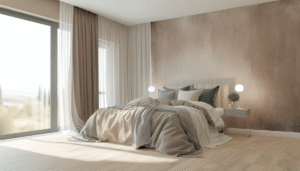

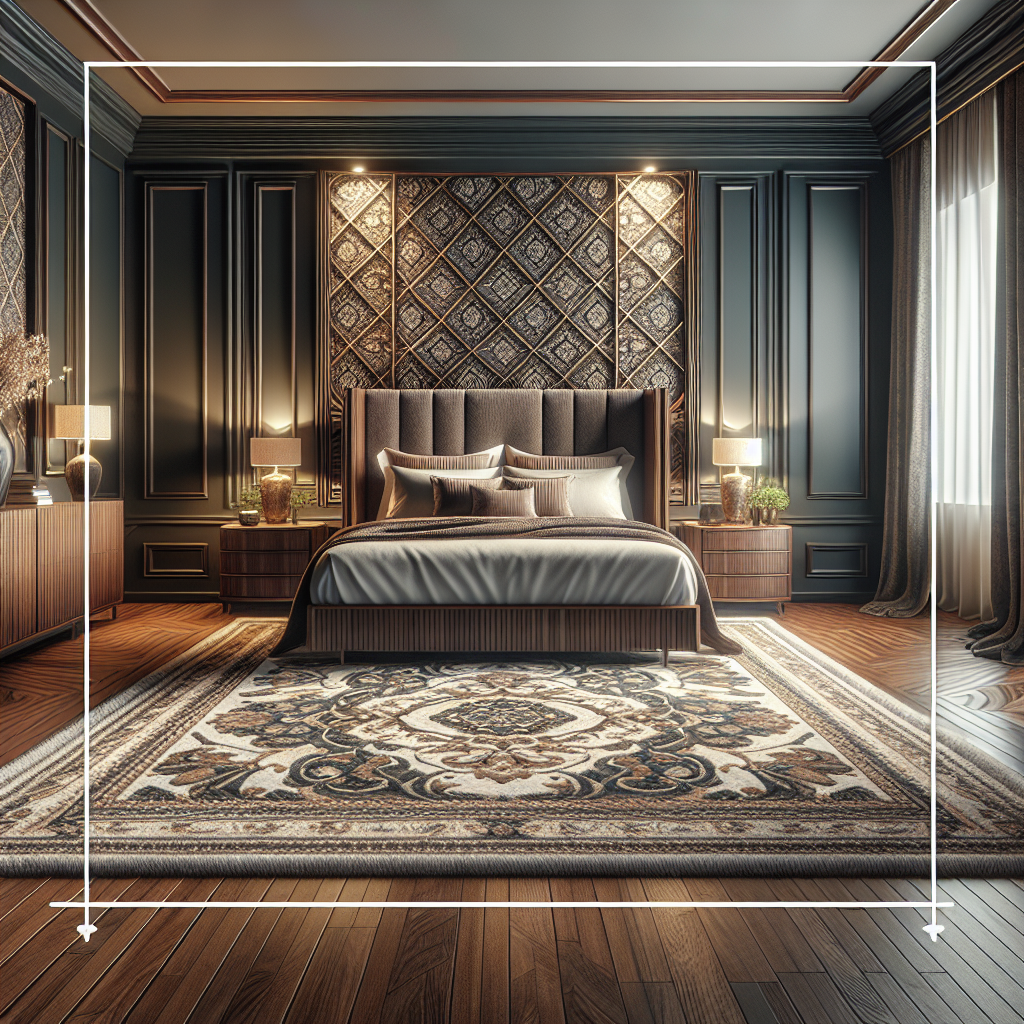

So, you’ve got a king-size bed, huh? Excellent choice! But now you’re staring at a vast expanse of floor and wondering, “What size rug do I even need?” Don’t sweat it. I get it. Choosing the right rug size can be trickier than parallel parking. But trust me, nailing this detail is what takes your bedroom from “meh” to “magnificent.” This guide will walk you through it, step-by-step.
Why Rug Size Matters: More Than Just Fluff
It’s easy to think of a rug as just something soft underfoot (and, yeah, that part is great!). But the truth? The right rug anchors your entire room. It defines the space, pulls all your furniture together, and basically whispers, “This room is well-designed,” even if you bought your nightstands from a garage sale (no judgment!). A rug that’s too small can make your room look disjointed, like your furniture is floating aimlessly. Too big, and you might as well have wall-to-wall carpeting (which, hey, might be your style, but probably not if you’re reading this).
Decoding the Dimensions: King Bed Sizes
Okay, first things first, let’s talk king beds. You’d think “king” is just “king,” right? Nope! There’s the standard king (also sometimes called an Eastern king) and the California king. Knowing the difference is crucial because those few inches can throw off your rug calculations.
- Standard King: Typically 76 inches wide by 80 inches long.
- California King: Usually 72 inches wide by 84 inches long. Shorter but longer — get it?
See? Tricky! So, grab that measuring tape and figure out which kingdom you’re ruling.
The Goldilocks Zone: Rug Sizes That Are “Just Right”
Alright, now for the fun part. What size rug do you actually need? Here are a few tried-and-true options, with explanations of why they work. We’re aiming for balance and visual harmony, people!
Option 1: The Full Monty (Under All Legs)
This is a bold move, but it can really pay off, especially in larger bedrooms. The goal? To have your entire bed and nightstands sitting comfortably on the rug. Imagine stepping out of bed each morning onto a cloud of plushness – luxurious, right?
- For a Standard King: Look for a rug that’s at least 9′ x 12′, but a 10′ x 14′ can look even more opulent if you have the space.
- For a California King: A 9′ x 12′ or 10′ x 14′ rug works wonders here too.
Think of it like this: the rug creates a defined zone, a little island of comfort and style within your bedroom. It’s cohesive and feels very intentional. Plus, it’s just nice on your feet.
Option 2: The Partial Cover (Front Legs Only)
This is the most popular and versatile option. It gives you a grounded look without completely swallowing your floor space. The idea is to place the front legs of your bed and nightstands on the rug, leaving the back legs on the floor. It creates a visual connection without overwhelming the room.
- For a Standard King: An 8′ x 10′ rug is usually a safe bet. You’ll have enough rug extending beyond the sides and foot of the bed to create that anchored feel.
- For a California King: Again, an 8′ x 10′ rug is often ideal, but you could potentially go slightly larger (9′ x 12′) if you want more rug showing.
This style is excellent if you have hardwood floors you want to show off, or if you’re working with a smaller bedroom where a giant rug would feel cramped. Also, let me explain, this option tends to be more budget-friendly! Rugs get expensive fast.
Option 3: The Runner Rugs (Side Accents)
Feeling a little unconventional? Two runner rugs placed on either side of the bed can be a striking alternative to a large area rug. This works particularly well in contemporary or minimalist spaces. But here’s the thing – you need to be deliberate about it. This isn’t a “just throw down any old runner” situation.
- For a Standard or California King: Runners that are 2.5′ x 8′ or 3′ x 9′ are good starting points. The length should extend a bit beyond the sides of your bed, and the width should be enough to step onto comfortably.
The key here is symmetry. Make sure both runners are identical in size, color, and texture. It’s all about creating balance and visual interest. If you want to get a little crazy you could even combine runners with a smaller area rug at the foot of the bed. What are your thoughts on layering rugs?
Beyond the Bed: Considering Your Entire Room
Don’t just think about the bed! The rug needs to play nicely with the rest of your furniture and the overall dimensions of your room. Consider these questions:
- How big is your bedroom? A massive rug in a tiny room will feel claustrophobic. Conversely, a small rug in a vast space will look lost.
- What other furniture do you have? Are there chairs, benches, or dressers that you want to partially place on the rug? Factor those in!
- What’s your flooring like? A bold, patterned rug can be stunning on neutral floors, but it might clash with already busy flooring.
It’s like designing a puzzle, except the pieces are furniture and textiles. You want everything to fit together harmoniously. The goal is to create a space that feels balanced and inviting. I think that having a balanced space help with relaxation.
Material Matters: Choosing the Right Texture and Style
Okay, so you know the size you need. Now, what about the look and feel? The material of your rug can dramatically impact the vibe of your bedroom.
- Wool: Durable, classic, and soft. Wool rugs are an investment, but they’ll last for years. They are especially great if you live in a cooler climate.
- Cotton: More affordable and easy to clean. Cotton rugs are great for casual spaces but might not be as plush as wool.
- Synthetic (Polypropelene, Polyester): Budget-friendly and stain-resistant. These are great for high-traffic areas or if you have pets.
- Jute/Sisal: Natural, textured, and adds a bohemian touch. Jute and sisal rugs are durable but can be a bit rough underfoot, so maybe not ideal for next to the bed.
Don’t be afraid to get creative with patterns and colors! A bold geometric rug can add energy to a neutral room, while a subtle, textured rug can enhance a calming atmosphere.
Pro Tips: Avoiding Rookie Mistakes
Alright, before you click “add to cart,” let me share a few golden nuggets of wisdom to avoid common rug-buying pitfalls. These are things I’ve learned the hard way (and seen others learn the hard way too!).
- Measure, measure, measure! Seriously, I cannot stress this enough. Don’t eyeball it. Actually measure your room and your bed frame. Trust me, your future self will thank you.
- Consider the pile height. A high-pile rug (think shag) is super cozy, but it can be a pain to vacuum and might not work well under furniture.
- Don’t be afraid of samples. Most online retailers offer samples of their rugs. Order a few to see how they look and feel in your space before committing to a full-size rug.
- Use a rug pad! It protects your floors, prevents the rug from slipping, and adds extra cushioning. It’s worth the investment!
You know what? These tips are like the secret sauce to rug-buying success. Follow them, and you’ll be golden.
Styling Secrets: Making Your Rug Work Its Magic
Okay, you’ve got the perfect rug. Now, how do you make it truly shine? Styling is everything, my friend! It’s what takes a rug from being “just a rug” to a key element of your bedroom’s design.
- Layering: Don’t be afraid to layer rugs! A smaller, more decorative rug on top of a larger, neutral rug can add depth and visual interest.
- Color Coordination: Pull colors from your rug into other elements of the room, like throw pillows, curtains, or artwork. It creates a cohesive look.
- Texture Play: Mix and match textures! Soft rugs pair beautifully with smooth furniture and crisp bedding.
- Define Zones: Use the rug to define different areas within your bedroom. A rug under your bed creates a sleeping zone, while a rug under a seating area creates a relaxation zone.
It’s all about creating a harmonious and inviting space that reflects your personal style. Honestly, it can be addicting once you start getting into it!
Beyond the Bedroom: Rug Rules for Other Rooms
While we’re at it, let’s take a quick detour and talk about rug sizing in other areas of your home. The same principles apply – you want to anchor your furniture and define the space. But the specific sizes will vary depending on the room.
- Living Room: In a living room, you typically want the front legs of your sofa and chairs to sit on the rug. An 8′ x 10′ or 9′ x 12′ rug is common for a standard-sized living room.
- Dining Room: The rug should be large enough that all the chair legs remain on the rug even when the chairs are pulled out. Measure your table with the chairs pulled out to determine the correct size.
- Entryway: A smaller rug or runner in the entryway can help to define the space and prevent dirt from being tracked into your home.
Each room has its own unique needs and considerations. The key is to think about how you use the space and how the rug can enhance its functionality and aesthetics.
Where to Shop: Finding the Perfect Rug
Okay, so you’re armed with knowledge. Now, time to shop! Where do you even begin to find the rug of your dreams?
- Online Retailers: Wayfair Wayfair, Amazon, Overstock, and Rugs.com are great for variety and competitive prices. I recommend reading the reviews so you can get more information about the rug.
- Furniture Stores: Pottery Barn, West Elm, and Crate & Barrel offer curated collections of rugs that coordinate with their furniture.
- Specialty Rug Stores: These stores offer a wider selection of high-quality rugs, often with expert advice.
- Local Boutiques: Don’t overlook local shops! You might find unique, handcrafted rugs that you won’t find anywhere else.
Don’t rush the process. Take your time, browse different options, and compare prices. The perfect rug is out there waiting for you!
The Wrap-Up: Your Bedroom Oasis Awaits
So, there you have it! Everything you need to know to choose the perfect rug for your king-size bed. Remember, it’s all about creating a space that feels comfortable, stylish, and uniquely you. Don’t be afraid to experiment, break the rules (a little), and have fun with it!
With the right rug, your bedroom can become a true oasis – a sanctuary where you can relax, recharge, and wake up feeling refreshed. Now go forth and create the bedroom of your dreams!
FAQ Section
DISCLAIMER
Please note that while this sizing guide provides general recommendations, the best rug size for your bedroom will ultimately depend on your personal preferences, the specific dimensions of your room, and the style of your furniture. We encourage you to measure your space carefully and consider all factors before making a purchase. Additionally, rug colors may appear differently depending on lighting conditions and screen settings, so it’s always a good idea to order samples if possible.
// JavaScript for Accordion Functionality
const acc = document.getElementsByClassName(“faq-accordion”);
for (let i = 0; i < acc.length; i++) {
acc[i].addEventListener(“click”, function() {
this.classList.toggle(“active”);
let panel = this.querySelector(“.faq-answer”);
if (panel.style.maxHeight) {
panel.style.maxHeight = null;
} else {
panel.style.maxHeight = panel.scrollHeight + “px”;
}
});
}
Categories
- Accent Walls & Ceilings (84)
- Art Curation & Gallery (83)
- Bedding Style Trends (89)
- Bedroom Makeover (96)
- Bohemian & Eclectic Styles (80)
- DIY & Budget-Friendly Decor (78)
- Eco-Friendly Design (83)
- Furniture Care (87)
- Home Decor & Design Ideas (181)
- Home Wellness Spaces (103)
- Integrated Outdoor Living (91)
- Japandi Style (84)
- Kids and Nursery Decor (73)
- Living Room Decor (99)
- Mix & Match Techniques (95)
- Modern & Contemporary Design (88)
- Rug Sizing & Placement (89)
- Scandinavian Design Inspiration (51)
- Seasonal Home Decor (100)
- Small Space Solutions (93)
- Wall Art & Painting Tips (94)
Recent Comments
Archives
Product Gallery
-
 Majestic African Wildlife Canvas Art for Stylish Home Decor
Rated 5.00 out of 5
Majestic African Wildlife Canvas Art for Stylish Home Decor
Rated 5.00 out of 5 -
 Cozy Irregular Green Plush Rug for Nordic Living Spaces
Rated 5.00 out of 5$45.11 – $284.48Price range: $45.11 through $284.48
Cozy Irregular Green Plush Rug for Nordic Living Spaces
Rated 5.00 out of 5$45.11 – $284.48Price range: $45.11 through $284.48 -
 Scandinavian Geometric Area Rugs for Stylish Home Décor
Rated 5.00 out of 5$36.91 – $559.19Price range: $36.91 through $559.19
Scandinavian Geometric Area Rugs for Stylish Home Décor
Rated 5.00 out of 5$36.91 – $559.19Price range: $36.91 through $559.19