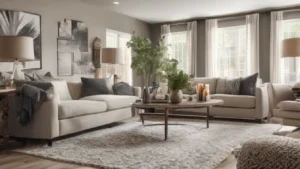

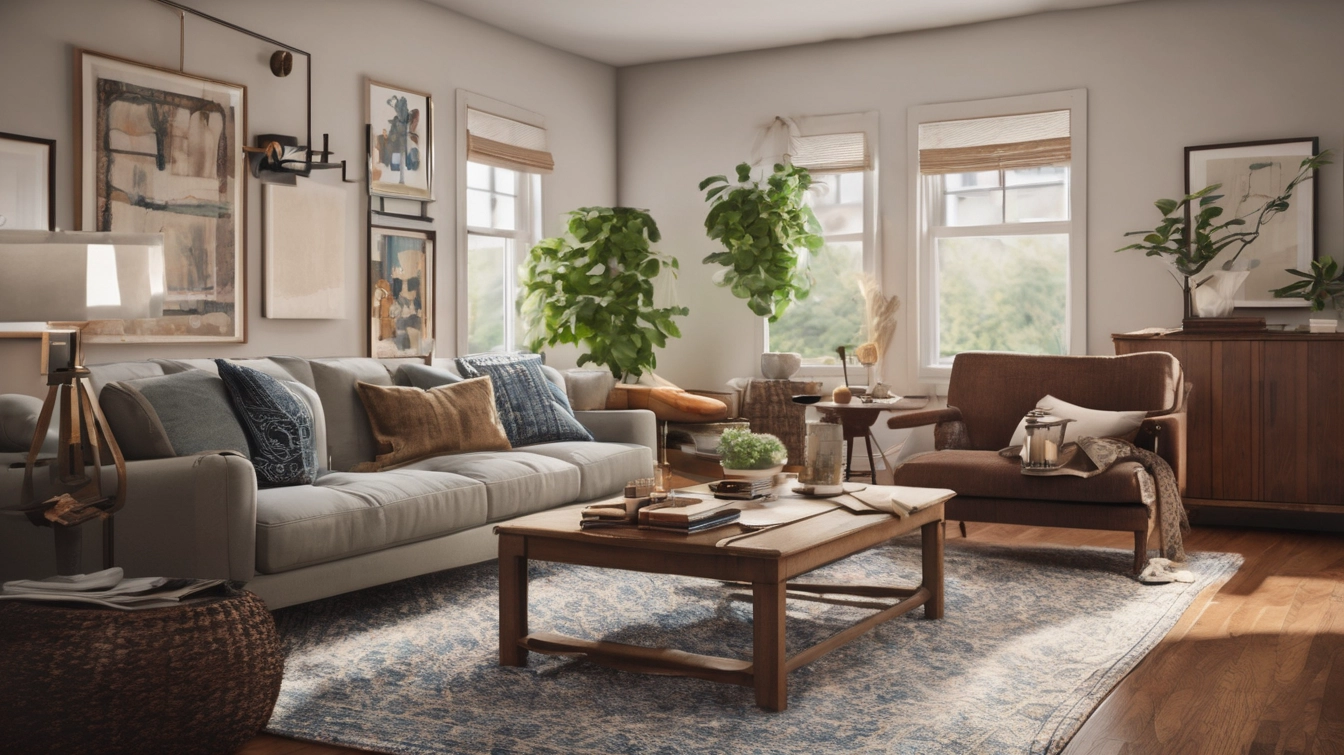

Stepping into a well-designed living room, you often immediately feel a sense of warmth, coziness, and inviting cohesion. What’s the secret ingredient? More often than not, it’s a perfectly sized and placed area rug. But let’s be honest: selecting the right rug size, especially for a crucial gathering spot like a conversation area, feels less like interior design and more like a high-stakes puzzle. Choosing a rug that’s too small makes furniture look like it’s floating aimlessly; one that’s too large can swallow the room whole. Both outcomes disrupt the very harmony you’re trying to create. This is precisely why **mastering rug sizing for perfect conversation areas** isn’t just a design preference—it’s a fundamental skill for creating a functional and aesthetically pleasing home.
This comprehensive guide will demystify the art and science of rug sizing. We’ll delve into why proper rug dimension is critical, explore standard rug sizes and their ideal applications, and equip you with practical strategies to measure your space accurately. From understanding the common pitfalls of rug selection to fine-tuning your aesthetic, you’ll discover how to choose a rug that anchors your furniture, defines your space, and encourages genuine connection. Get ready to transform your living room into an inviting sanctuary, starting from the ground up.
Why Rug Sizing for Conversation Areas Matters More Than You Think
It’s easy to dismiss a rug as just another decorative accent, but its role in a conversation area goes far beyond aesthetics. The rug acts as the foundational layer, the “fifth wall,” that dictates the flow, comfort, and perceived size of your living space. When you are **mastering rug sizing for perfect conversation areas**, you’re not just picking a pretty pattern; you’re orchestrating the dynamics of interaction and the very essence of your room.
The Power of Anchoring: Furniture Placement & Visual Cohesion
Imagine a living room where sofas and chairs appear disconnected, almost adrift on the bare floor. That’s the visual chaos a too-small rug creates. A properly sized rug, however, acts as an anchor. It gathers all the individual pieces of furniture that make up your conversation area—your sofa, armchairs, coffee table—and physically links them together. This isn’t just about good looks; it’s about psychological comfort. When furniture feels grounded, the entire room feels more stable and inviting. You’re signaling, “Here, this is the zone for gathering.” It’s the subtle cue that pulls a room together, making it feel finished and intentional.
Consider the alternative: a rug too small can sever visual ties, making expensive furniture selections appear random and fragmented. Studies in environmental psychology suggest that cohesive spaces contribute to a greater sense of well-being. A rug, correctly dimensioned, offers this cohesion effortlessly.
Defining the Zone: Boundaries and Flow
Our homes rarely consist of perfectly compartmentalized rooms. Open-plan living, in particular, thrives on clever spatial definitions. Here, the rug shines as a non-permanent, yet highly effective, room divider. In a large open area, a rug clearly delineates the “conversation zone” from a dining area or a study nook. It creates a visual boundary without the need for walls, allowing for both distinct functionality and an open, airy feel. This is crucial for environments where multiple activities coexist, yet each requires its own defined sense of space. Without proper rug sizing for conversation areas, these zones can bleed into each other, leading to a sprawling, undefined space that lacks intimacy and purpose.
Acoustic Comfort: Softening Sound & Enhancing Conversations
Hard surfaces like wood, tile, and concrete are notorious for bouncing sound around, creating echoes and making conversations difficult. This is where the often-overlooked practical benefit of a rug comes into play. Rugs absorb sound waves, reducing reverberation and creating a softer acoustic environment. In a conversation area, this translates directly to improved communication. Voices become clearer, background noise is dampened, and the overall atmosphere becomes more conducive to relaxed chat and connection. A larger rug provides greater sound absorption, directly contributing to a comfortable auditory experience. Think of it: better acoustic comfort means more enjoyable conversations. It’s a win-win.
Underfoot Comfort & Warmth: The Sensory Experience
Beyond the visual and auditory, there’s the tactile experience. Stepping onto a soft, plush rug after a long day adds an undeniable layer of comfort to your living space. Especially in cooler climates or homes with hard flooring, a rug provides insulation, adding warmth and coziness. This sensory pleasure enhances the inviting nature of a conversation area. Kids love playing on rugs, pets love lounging on them, and adults appreciate the cushioned feel underfoot. It’s a simple upgrade that elevates everyday living, making your space genuinely more pleasant to inhabit.

Common Rug Sizing Rules for Conversation Areas: The Fundamentals
Before diving into specific measurements, let’s establish the foundational rules that guide rug selection for living rooms. These principles are your starting point, adaptable to your unique space and style decisions. When you’re truly **mastering rug sizing for perfect conversation areas**, these become second nature.
The “All Legs On” Rule: The Gold Standard for Grandeur
This is arguably the most luxurious and expansive approach to rug sizing. The “all legs on” rule dictates that every piece of furniture in your conversation area—your sofa, armchairs, and even side tables, if space allows—should have all their legs resting entirely on the rug.
When to Apply This Rule:
- **Large Living Rooms:** If you have ample space (typically 15×20 feet or larger), this rule helps fill the vastness, preventing furniture from looking lost.
- **Open Concept Spaces:** In open-plan homes, an “all legs on” rug powerfully defines the conversation area as a distinct zone, separating it from adjacent dining or kitchen areas.
- **Creating a Unified, Anchored Look:** This method provides the highest degree of visual cohesion, making the entire furniture grouping feel like one deliberate island.
- **Maximizing Comfort:** More rug means more sound absorption and more soft surface underfoot, enhancing the comfort and quiet of the space.
A good starting point for a typical 3-seater sofa and two armchairs using this rule would often require rugs in the 10×14 feet to 12×15 feet range, or even larger custom sizes depending on furniture scale. This isn’t a small investment, but the impact is profound. It transforms a room from merely furnished to truly designed.
The “Front Legs On” Rule: The Versatile & Most Popular Choice
For most living rooms, especially those of average size, the “front legs on” rule is the workhorse. This approach suggests that at least the front two legs of all major upholstered pieces—your sofa, loveseat, and armchairs—should rest comfortably on the rug. The coffee table, of course, should be entirely on the rug.
Why It Works So Well:
- **Balances Definition and Space:** It effectively anchors your conversation area without consuming too much of your valuable floor space.
- **Aesthetically Pleasing:** This method creates a visual connection between furniture pieces while still allowing a border of flooring to show around the edges, framing the rug beautifully.
- **Practicality for Smaller Rooms:** If a full “all legs on” rug would push too close to walls or walkways, the “front legs on” technique achieves significant impact without overcrowding.
- **Cost-Effective:** Generally, rugs for this approach (e.g., 8×10 or 9×12 feet) are more readily available and less expensive than their oversized counterparts.
This rule is highly adaptable. Ensure that a significant portion (at least 4-6 inches) of the front legs are on the rug, not just the very tip. This conviction in placement is key to feeling intentional. Many designers recommend this as the go-to standard for its excellent balance of aesthetics and practicality.
The “Coffee Table Only” Rule: A Niche, but Valid, Option
While generally discouraged for conversation areas as it often leads to a “floating island” effect, the “coffee table only” rule has specific, limited applications. This involves placing a smaller rug directly under only the coffee table, leaving all other furniture entirely off the rug.
When It Might Be Considered (and why caution is advised):
- **Very Small Rooms/Tight Budgets:** In incredibly compact spaces where even an 8×10 rug would overwhelm, or if budget severely restricts size, a 5×7 or 6×9 rug under just the coffee table might be the only option.
- **Layering:** This small rug might be the top layer in a layered rug look, placed over a larger, neutral rug.
- **Accent, Not Anchor:** It acts purely as a decorative accent for the coffee table, rather than a cohesive anchor for the entire conversation space.
Be warned: this choice often makes the room feel less complete and the furniture less grounded. It highlights the coffee table but can leave the sofas and chairs feeling disconnected from the central gathering point. Use with extreme caution and only when other options are truly impossible.

Standard Rug Sizes and Their Ideal Applications
Understanding the standard sizes available is crucial for anyone **mastering rug sizing for perfect conversation areas**. While custom sizes exist, these off-the-shelf options cover the vast majority of needs and budgets.
Understanding Dimensions: Width x Length
Rugs are always measured width by length. For a living space, the rug’s longer side should ideally run parallel to the longest piece of furniture (typically the sofa) to create a harmonious flow. A standard 9×12 rug, for instance, is 9 feet wide and 12 feet long.
Common Rug Sizes and How They Fit
| Rug Size (Feet) | Typical Room Size (Feet) | Ideal Furniture Placement | Best For |
|---|---|---|---|
| **5×7 or 6×9** | Small rooms (e.g., 10×12) | Coffee table only; OR all legs of two armchairs. | Small apartments, defining a tiny nook, under a single accent chair. Seldom ideal for a full conversation area. |
| **8×10** | Medium rooms (e.g., 11×14, 12×15) | Front legs of a standard sofa & two armchairs; all legs of a loveseat. | Most common choice for average living rooms. Defines a clear conversation space without overwhelming. |
| **9×12** | Medium-Large rooms (e.g., 13×17, 14×18) | Front legs of a large sofa & two armchairs; all legs of a standard sofa & two armchairs. | Excellent for larger living rooms or open-concept spaces needing strong definition. The “sweet spot” for many. |
| **10×14** | Large rooms (e.g., 15×20) | All legs of a large sofa & multiple armchairs; multiple seating arrangements. | Grand living rooms, spacious open plans, accommodating larger furniture suites without sacrificing floor space. |
| **12×15 or Larger** | Very Large/Great rooms (e.g., 18×22+) | All legs of substantial multi-piece sectionals and full furniture suites. | Statement pieces for palatial spaces. Offers ultimate luxury and acoustic comfort. Often a custom-order size. |
Remember, these are guidelines. Your specific furniture dimensions, room layout, and desired aesthetic will ultimately dictate the best choice. This table merely provides a helpful baseline for your initial considerations.
The Measurement Mastery: How to Accurately Size Your Space
The biggest mistake in rug buying? Guessing. Don’t do it! Accurate measurement is paramount to **mastering rug sizing for perfect conversation areas**. A measuring tape is your best friend. Here’s a systematic approach to ensure you get it right the first time.
Step-by-Step Measurement Guide: No More Guesswork!
- **Measure Your Room’s Dimensions:** Start by getting the full length and width of your living room. Note these down. This gives you the overall canvas you’re working with.
- **Map Out Your Furniture Layout:** Arrange your furniture in its intended conversation area configuration. This is key. Place your sofa, chairs, coffee table exactly where you want them. Even if you’re buying new furniture, use painter’s tape on the floor or cardboard cutouts to simulate their footprint.
- **Define Your “Rug Area”:**
- **For “Front Legs On”:** Measure the width of your main sofa. Your rug should extend at least 6-12 inches beyond each end of the sofa. This gives you your minimum rug width. Then, measure from the back legs of your sofa (or wall) to where you want the front legs of your armchairs to sit. This gives you your minimum rug length. Ensure the coffee table fits comfortably within these boundaries. You want about 12-18 inches between the coffee table and seating for comfortable legroom.
- **For “All Legs On”:** Measure the full depth of your sofa and armchairs. Your rug needs to accommodate these depths, plus the coffee table, and extend an additional 6-12 inches beyond the back legs of the deepest furniture piece and 6-12 inches beyond the outermost front legs. Again, ensure the rug width extends at least 6-12 inches past the ends of your sofa or the widest grouping of furniture.
- **Consider Clearances & Walkways:**
- **Leave Borders:** Aim for a consistent border of exposed flooring around the rug. In larger rooms, 12-18 inches is ideal. In smaller rooms, 6-12 inches is often sufficient. This frames the rug and prevents the room from feeling completely carpeted.
- **Walkways:** Ensure your chosen rug size does not impede natural walkways. You should have at least 24-30 inches of clear pathway space around the conversation area, separate from the rug.
- **Use Visualization Tools (Painter’s Tape is King!):** This step is non-negotiable. Once you have your ideal rug dimensions, use painter’s tape on your floor to outline the exact perimeter of the rug. Live with it for a day or two. Walk around it. How does it feel? Does it look right? This tactile simulation is incredibly helpful.
This meticulous approach removes uncertainty. You’ll know precisely what dimensions to look for before hitting the stores or browsing online. It’s a small investment of time that saves significant hassle and potential returns.
Coffee Table Considerations: The Hub of Your Conversation Area
Your coffee table is the central point of your conversation area, and its placement relative to the rug is crucial. The coffee table should **always** sit entirely on the rug. This grounds it and reinforces the rug’s role as the anchor. If a rug is too small and the coffee table legs spill off, it diminishes the rug’s power to unify the space. Ensure adequate space (12-18 inches) between the coffee table and the seating for accessibility, and make certain that once this spacing is achieved, the rug still fully supports the coffee table.

Beyond the Rules: Advanced Considerations for a Custom Fit
While the fundamental rules provide a solid framework, true mastery in **rug sizing for perfect conversation areas** comes from understanding the nuances. These advanced tips help you fine-tune your selection to your specific home and style.
Room Shape and Layout: Adapting to Irregularities
Not every room is a perfect rectangle. L-shaped rooms, rooms with nooks, or those with unusual architectural features require a more flexible approach.
- **Open Concept Areas:** Here, rugs are your primary tool for defining “zones.” You might even use multiple rugs—a larger one for the conversation area, a smaller one for a reading nook—to create distinct functional zones within one large space. Ensure there’s clear visual separation between rugs, perhaps a 2-3 foot gap.
- **L-shaped Sofas/Sectionals:** These require careful measurement. For a sectional, measure the *entire* footprint it occupies. Your rug should be large enough to at least accommodate the front legs of the entire sectional, extending beyond its longest point by several inches on each side. Sometimes, two smaller rugs can be floated side-by-side if you can’t find one large enough.
- **Rooms with Built-ins/Fireplaces:** These fixed elements dictate boundaries. Ensure your rug doesn’t run into a fireplace hearth or built-in shelving in an awkward way. The rug’s edge should generally respect these immovable features, often leaving a small margin (e.g., 6 inches) between the rug and the obstruction.
Furniture Scale and Style: Matching Rug to Furniture
The scale of your furniture profoundly impacts rug sizing. A huge, overstuffed sectional demands a larger rug than delicate, mid-century modern pieces.
- **Bulky Furniture:** If your sofa and chairs have deep profiles or are visually heavy, they can “eat up” rug space. You’ll likely need to err on the side of a larger rug (e.g., a 9×12 for an 8×10 room, if traffic allows) to visually support their heft. Without a sufficiently large rug, bulky furniture can look even heavier and out of place.
- **Delicate Furniture:** For pieces with slim legs and a lighter profile, you might get away with slightly less rug coverage, perhaps just the front legs on, without them feeling disconnected. The rug’s visual weight should complement, not overpower, the furniture.
- **Leg Type:** Furniture with very short or hidden legs might allow for a slightly smaller rug where only the very base touches. Conversely, long, slender legs are best fully on the rug or at least significantly on the rug to prevent an awkward “tippy” appearance.
An eye for proportion is crucial. The rug should feel like a natural extension of the furniture grouping, not a separate entity.
Material and Pile Height: Texture’s Role in Perception
Beyond size, the rug’s material and pile height affect how large or small it feels in a space.
- **Thick, High-Pile Rugs (e.g., Shag, Wool):** These offer maximum plushness and acoustic benefits. However, their volume can make a smaller room feel denser. If using a high-pile rug in a smaller space, ensure it doesn’t get in the way of door swings or create trip hazards. They generally work best with more generous sizing to allow for their inherent visual weight.
- **Thin, Low-Pile Rugs (e.g., Jute, Flatweave, Silk):** These lie flatter and have a less imposing visual presence. They can often work well in smaller rooms or where a sleek, modern aesthetic is desired. They also allow for easier movement of chair legs.
- **Patterns and Colors:** A busy, high-contrast pattern can visually “shrink” a space, while a lighter color or subtle pattern can expand it. If you choose a bold pattern, consider a rug size that adheres strictly to the “front legs on” rule to prevent overwhelming the room. If opting for a neutral, a slightly larger rug can feel more expansive without dominating the visual field.
Case Study: The Open-Concept Challenge
Consider the Johnsons, who recently moved into a new build with a sprawling open-concept living/dining/kitchen area, roughly 25×35 feet. Their dilemma: how to create distinct, cozy zones without putting up walls. They started by arranging their primary conversation area furniture: a large 10-foot sectional, two armchairs, and a chunky wood coffee table.
Initially, they purchased a popular 9×12 rug. When laid out, the front legs of the sectional barely touched, and the armchairs floated entirely off the rug. The coffee table looked stranded. The living space still felt enormous and undefined. It lacked the intimacy they craved for family gatherings.
**The Solution:** Applying the “all legs on” principle, they returned the 9×12 and invested in a 12×15 rug. This new rug extended significantly beyond the sectional on all sides, allowing all furniture legs to rest comfortably within its boundaries. Critically, it left a generous 18-inch border of their hardwood flooring visible around the perimeter, preventing the space from feeling carpeted floor-to-ceiling. This larger rug dramatically transformed the area. It now feels like a warm, inviting “room within a room,” clearly defined yet seamlessly integrated into the open floor plan. The acoustic difference was also noticeable; conversations no longer echoed as much.
This case highlights how a larger investment in the *correct* rug size can profoundly impact function and feel, demonstrating the true value of **mastering rug sizing for perfect conversation areas**.
For more design tips on enhancing open living, check out Houzz’s extensive collection of open-concept living room ideas. It’s a fantastic resource for visualizing different spatial solutions.
Addressing Common Rug Sizing Pitfalls & How to Avoid Them
Even with all the rules in mind, it’s easy to stumble. Forewarned is forearmed! By understanding the typical mistakes, you can confidently navigate your rug purchase when **mastering rug sizing for perfect conversation areas.**
The “Island Rug” or “Postage Stamp” Effect
This is the most pervasive and visually detrimental rug sizing mistake. It occurs when a rug is too small, acting like a tiny island in the middle of the room, with all furniture surrounding it but not touching it. The result? Furniture appears to float aimlessly, the conversation area lacks definition, and the entire room feels disjointed and incomplete.
How to Avoid:
- **Embrace Larger Sizes:** Don’t be afraid to go bigger than you initially think. Use the painter’s tape trick.
- **”Front Legs On” Minimum:** Always ensure at least the front two legs of your main seating pieces are on the rug. If not, the rug is too small.
- **Remember the Anchor:** The primary purpose of a rug in a conversation area is to anchor the furniture. If it’s not doing that, it’s failing its mission.
Over-Carpeting: When the Rug Becomes the Floor
On the opposite end of the spectrum is the “rug too big” problem. While less common, a rug that extends too close to every wall or into high-traffic walkways can make the room look entirely carpeted rather than featuring an accent rug. It loses its ability to define a specific zone and can even make a room feel smaller and heavier.
How to Avoid:
- **Respect the Border:** Aim for that 12-18 inch (large rooms) or 6-12 inch (smaller rooms) border of exposed flooring around the rug’s perimeter.
- **Walkway Clearance:** Ensure generous walkways (minimum 24-30 inches) around the conversation area are clear of the rug.
- **Purposeful Definition:** The rug should *define* a specific area, not *be* the entire floor covering.
Ignoring Room Proportions and Traffic Flow
A rug’s size impacts how people move through and interact with your space. A poorly chosen rug can hinder flow or create awkward visual lines.
How to Avoid:
- **Map Traffic Paths:** Before committing to a size, mentally (or physically) walk through your space. Where are the main entry and exit points? How do people move from the conversation area to other parts of the room (e.g., a window, another door)? The rug should complement these paths, not obstruct them.
- **Consider Door Swings:** Ensure your rug isn’t so large it interferes with opening and closing doors. Leave adequate clearance.
- **Balance Visual Weight:** An overly large, dark, or heavily patterned rug in a small room can visually “shrink” the space, making it feel cramped. Vice versa, a tiny rug in a grand room emphasizes its vastness, making furniture feel insignificant.
Forgetting the Optical Illusions: Light, Color, and Pattern
Rugs aren’t just about size; their visual characteristics play a huge role in how a room is perceived. A skilled designer knows that **mastering rug sizing for perfect conversation areas** also involves understanding these visual tricks.
- **Light vs. Dark:** Lighter-colored rugs tend to make a space feel larger and airier, while darker rugs can make a room feel cozier—or heavier, if used incorrectly in a small space.
- **Patterns:** Bold, large patterns can dominate a room and might suggest a need for a simpler rug overall, perhaps adhering strictly to the “front legs on” rule to prevent visual clutter. Subtle textures or solid colors can allow for a larger rug without it feeling overwhelming.
- **Stripes & Geometric Shapes:** Horizontal stripes can sometimes visually widen a room, while vertical stripes can lengthen it. Consider how a rug’s pattern interacts with the room’s overall dimensions.
By being mindful of these common pitfalls, you can confidently select a rug that not only fits perfectly but enhances your entire living environment. Understanding these nuances is a hallmark of sophisticated design.
For more insights on common design missteps, Architectural Digest offers excellent advice on rug mistakes and how to steer clear of them.
The Art of Rug Selection: Beyond Just Size
While size is crucial, it’s only one piece of the puzzle. To truly complete the picture, you need to think about how the rug integrates with other design elements. This holistic approach ensures you’re not just **mastering rug sizing for perfect conversation areas**, but also perfecting the entire aesthetic.
Color Palette Harmony: Setting the Mood
The rug is often a significant color block in a room, influencing the overall mood and palette. It can either complement existing colors, introduce an accent color, or even serve as the inspiration for the entire room’s scheme.
- **Complementary Colors:** Choose a rug that features subtle shades found in your furniture upholstery, artwork, or throw pillows. This creates a cohesive, harmonious look.
- **Accent Color Pop:** A rug can introduce a vibrant accent color to an otherwise neutral room, adding personality and energy. If going bold, ensure the color appears elsewhere in the room in smaller doses (e.g., a throw blanket, a vase) to tie it all together.
- **Foundation First:** If you’re starting with a blank slate, consider selecting your rug first. Its pattern and colors can then inspire your wall paint, upholstery, and accessory choices, creating an effortlessly unified space.
Lighter rug colors generally make a room feel more open and spacious, while darker colors add richness and grounding. Consider the existing light in your room—natural sunlight can dramatically alter how rug colors are perceived throughout the day.
Texture and Material: A Sensory Experience
The texture of your rug adds another layer of sensory engagement to your conversation area. It affects not only how the rug looks but how it feels underfoot and impacts the room’s acoustics and warmth.
- **Wool:** Durable, soft, natural fiber. Excellent for sound absorption and warmth. Comes in various pile heights. A classic choice for comfort and longevity.
- **Cotton:** Often found in flatweave or dhurrie rugs. Lighter weight, more casual feel. Good for layering or lower traffic areas.
- **Jute/Sisal/Seagrass:** Natural, earthy, and highly textural. Adds organic warmth. Very durable but can be rough underfoot. Often used as a base layer for other rugs.
- **Synthetic (Polypropylene, Polyester, Nylon):** Highly durable, stain-resistant, and often more affordable. Great for high-traffic areas or homes with kids/pets. Can mimic the look of natural fibers well.
- **Silk/Viscose:** Luxuriously soft, often with a subtle sheen. Best for low-traffic, formal areas due to higher cost and delicate nature.
Think about the desired feel of your space. Do you want plush luxury, casual comfort, or a sleek, modern edge? Let the rug’s material contribute to that overall ambiance.
Pattern and Style: Telling Your Story
A rug’s pattern and style are powerful storytelling tools, expressing your personal aesthetic and enhancing the room’s architectural style.
- **Traditional/Oriental:** Ornate patterns, rich colors. Adds formality, history, and warmth. Pairs well with classic furniture or can provide a stunning contrast in modern settings (e.g., a vintage Persian rug in a minimalist room).
- **Abstract/Modern:** Geometric shapes, bold colors, or painterly designs. Excellent for contemporary spaces, adding an artistic focal point and dynamic energy.
- **Transitional:** Blends traditional patterns with modern colors or simplified motifs. A versatile choice that bridges different styles.
- **Minimalist/Solid:** Textured solids or subtle patterns. Provides a calm, grounding foundation, allowing furniture or art to take center stage. Ideal for serene, uncluttered interiors.
- **Bohemian/Global:** Kilim, Moroccan, or tribal patterns. Infuses a relaxed, eclectic, and well-traveled feel.
Consider the rug as artwork for your floor. It should resonate with the other decorative elements in your room and reflect your personality. The goal is to select a rug that not only fits perfectly but enhances the emotional and visual impact of your conversation area, making it truly yours.

Tool Recommendations & Resources for Rug Buying
The journey to **mastering rug sizing for perfect conversation areas** becomes much easier with the right tools and resources. Here are some recommendations to get you started on your quest:
Online Rug Visualizers and Apps
Many online retailers now offer “view in room” features using augmented reality (AR). These are incredibly helpful for visualizing how a rug will look in your actual space.
- **Benefits:** See color, pattern, and rough size in context; compare multiple rugs without the hassle of unrolling them at home.
- **Limitations:** AR isn’t always 100% accurate dimensionally, and colors can vary slightly from screen to real life. Always double-check measurements.
- **Where to Find:** Look for this feature on major online rug retailers like Rugs USA, Wayfair, Pottery Barn, or newer AR-focused furniture apps.
Physical Samples & Swatches
Nothing beats seeing and feeling a rug in person. Many high-end retailers and even some online stores offer rug samples or swatches that you can order and bring into your home.
- **Benefits:** Experience the true color under your home’s lighting, feel the pile height and texture, and check durability.
- **Best Practice:** Place the sample on your floor for a full day to observe how it looks in different light conditions (morning, afternoon, evening).
Professional Design Consultations
If you’re still uncertain or working with an exceptionally challenging space, consider a brief consultation with an interior designer. Many offer hourly rates or virtual consultations.
- **Benefits:** Get expert advice tailored to your specific needs, avoid costly mistakes, and gain confidence in your choices.
- **When to Consider:** For very large investments, complex layouts, or if you feel completely overwhelmed by options.
The Invaluable Painter’s Tape Method
As mentioned earlier, painter’s tape is your most affordable and effective visualization tool. It allows you to physically outline the exact dimensions of your prospective rug on your floor.
- **How it Helps:** It shows you precisely how much floor space the rug will cover, whether it interferes with furniture movement or walkways, and helps you confirm if your chosen size adheres to your desired “legs on” rule.
- **Why it’s Essential:** It prevents the disappointment of a rug that’s “almost right” but ultimately wrong. Don’t skip this step!
By leveraging these tools, you can approach rug buying with a strategic mindset, moving from merely shopping to intelligently designing your perfect conversation area. It’s about empowering your decision-making with practical, real-world visualizations.
Maintenance and Longevity: Protecting Your Investment
Once you’ve successfully completed **mastering rug sizing for perfect conversation areas** and purchased your dream rug, the next step is to protect that investment. Proper care extends your rug’s life, keeps it looking beautiful, and maintains the inviting atmosphere of your conversation spot.
Routine Cleaning Schedule
Consistency is key for longevity and appearance.
- **Weekly Vacuuming:** Most rugs, especially in high-traffic conversation areas, benefit from weekly vacuuming. Use a vacuum with adjustable height settings to avoid damaging delicate fibers. For fringed rugs, avoid vacuuming over the fringe or use a handheld attachment.
- **Rotate Regularly:** Rotate your rug 180 degrees every 6-12 months. This ensures even wear and tear, especially if parts of the rug are exposed to more sunlight or foot traffic.
- **Check for Snags:** Periodically inspect your rug for loose threads or snags. Snip loose threads with scissors; never pull them.
Dealing with Spills and Stains
Accidents happen, especially in active conversation areas. Quick action is vital.
- **Blot, Don’t Rub:** For liquid spills, immediately blot with a clean, white cloth, working from the outside of the stain inward. Rubbing can spread the stain and push it deeper into the fibers.
- **Avoid Harsh Chemicals:** Test any cleaning solution on an inconspicuous area first. Many commercial rug cleaners contain harsh chemicals that can damage fibers or cause discoloration. Often, a mixture of mild soap and water is all you need for fresh spills.
- **Professional Help:** For stubborn stains, antique rugs, or delicate materials like silk, consider calling a professional rug cleaner. They have specialized equipment and knowledge to handle challenging situations.
Using a Rug Pad: The Unsung Hero
A high-quality rug pad is an absolute must-have. It’s an often-overlooked accessory that offers multiple benefits:
- **Prevents Slipping:** A good rug pad keeps your rug securely in place, preventing dangerous slips and slides, especially critical in active living areas.
- **Extends Rug Life:** It provides a protective layer between your rug and the hard floor, absorbing impact from foot traffic. This reduces wear and tear on the rug fibers, preventing premature aging.
- **Adds Comfort:** A pad adds an extra layer of cushioning, making your rug feel plusher and more comfortable underfoot.
- **Improves Acoustics:** Just like the rug itself, a pad contributes to sound absorption, further dampening echoes and improving the room’s acoustics.
- **Protects Flooring:** It prevents the rug’s backing from scratching delicate hardwood floors and protects against potential color transfer.
Choose a rug pad slightly smaller (about 1 inch less on each side) than your rug to ensure it remains hidden. For hard floors, a non-slip, felt-and-rubber combination pad is ideal. For carpeted floors, choose a denser, thinner pad designed to prevent wrinkling and provide support.
Climate and Environmental Factors
Your home’s environment can impact your rug.
- **Sunlight:** Prolonged exposure to direct sunlight can cause rugs to fade. Use curtains, blinds, or rotate your rug to minimize this effect.
- **Humidity:** High humidity can contribute to mold or mildew growth, especially in wool rugs. Ensure good air circulation.
- **Pets:** Pet accidents require immediate attention. Use enzyme cleaners designed specifically for pet stains and odors. Regular grooming of pets can also reduce shedding and dander on rugs.
By integrating these simple maintenance practices into your routine, your perfectly sized rug will continue to serve as a beautiful and comfortable anchor for your conversation area for years to come, truly completing your journey into **mastering rug sizing for perfect conversation areas.**
Frequently Asked Questions (FAQ) About Rug Sizing
What is the general rule for rug sizing in a living room?
The general rule for rug sizing in a living room, especially for conversation areas, is to ensure that at least the front two legs of all main furniture pieces (sofa, armchairs) rest comfortably on the rug. This creates a cohesive and anchored look, preventing furniture from appearing like it’s floating aimlessly.
Should all furniture legs be on the rug?
While having all furniture legs on the rug creates a luxurious, fully anchored feel and is often ideal for larger rooms or open-concept spaces, it’s not always necessary. For smaller or average-sized rooms, having only the front two legs of the main furniture pieces on the rug is a perfectly acceptable and common solution that still defines the space effectively.
How much floor should show around the rug?
Typically, you want to leave an exposed border of 12 to 18 inches of flooring around the rug’s perimeter in larger rooms. This frames the rug beautifully and prevents the room from feeling entirely carpeted. In smaller rooms, 6 to 12 inches is often sufficient to maintain this visual boundary and definition of the space.
Can a rug be too big for a conversation area?
Yes, a rug can be too big. If a rug extends too far into walkways or under built-in elements, making the room feel entirely carpeted rather than accenting a specific area, it loses its purpose. A rug should define, not overwhelm. It should align with the room’s proportions and maintain clear pathways around the conversation zone.
What’s the best rug size for a 3-seater sofa and two armchairs?
For a standard 3-seater sofa (around 84 inches) and two armchairs, an 8×10 foot or 9×12 foot rug is often ideal. An 8×10 rug typically allows the front two legs of all pieces to rest comfortably on the rug. A 9×12 foot rug can accommodate the front legs of larger pieces or even all legs of standard furniture, offering a more luxurious and anchored feel, especially in spacious rooms.
How far should a rug extend past the ends of a sofa?
Ideally, your rug should extend at least 6 to 12 inches beyond each end of your sofa. This ensures that the rug visually anchors the entire length of the sofa and provides enough width to encompass additional seating like armchairs without them feeling disconnected from the central gathering space.
Do rug sizes need to be exact?
While precision is important, rug sizes aren’t always exact due to manufacturing variations (plus or minus a few inches is common). Focus on the general rule (e.g., front legs on) and the overall proportions. Use painter’s tape to visualize the ideal rough dimensions, allowing for slight variations from advertised sizes.
Conclusion: Your Foundation for a Perfectly Cohesive Space
You’ve navigated the intricacies of size, explored the nuances of placement, and learned the art of proportion. The journey to **mastering rug sizing for perfect conversation areas** isn’t merely about squares and rectangles; it’s about crafting an environment that feels balanced, inviting, and truly harmonious. A well-chosen rug is more than just a floor covering; it’s the quiet hero of your living room, defining your space, enhancing comfort, and fostering genuine connection.
Remember, the goal is always to create a cohesive island of comfort. Whether you adhere strictly to the “all legs on” rule for grandeur or opt for the versatile “front legs on” approach, your rug should always act as the visual anchor. By applying the practical measurement techniques, considering your room’s unique features, and embracing the visual impact of color and texture, you’re now equipped to make informed choices that elevate your home design.
Your Next Steps:
- **Measure with Confidence:** Grab that tape measure and painter’s tape. Don’t guess – outline your ideal rug size on your floor today!
- **Explore & Visualize:** Use online visualizers, order samples, and really see how different options would look in your space.
- **Invest Wisely:** Consider a high-quality rug pad for every purchase. It’s a small addition that offers huge returns in comfort and longevity.
- **Refine Your Aesthetic:** Think about how your chosen rug harmonizes with your furniture, wall colors, and overall desired mood.
Go forth and transform your living room! The perfect conversation area awaits, grounded and defined by the rug you’ve so expertly chosen. Continue enhancing your home environment by exploring our guide to Choosing the Perfect Coffee Table, or delve into Lighting for Cozy Living Rooms to further perfect your space.
Content Disclaimer
The information provided in this article is for educational and informational purposes only, and does not constitute professional interior design advice. While we strive for accuracy, individual results may vary based on specific room dimensions, furniture styles, and personal preferences. Always measure your space carefully and consider consulting a qualified interior designer for personalized guidance.