
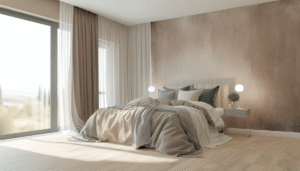
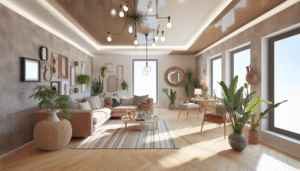


The entryway isn’t just a place to hang your coat. It’s the very first impression guests get of your home; a silent narrator telling a story about the style and personality within. For many, this critical space is often overlooked, feeling cramped, cluttered, or simply uninspired. But what if your entryway could be more than just a transitional zone? What if it could be a stunning architectural statement, a welcoming embrace, and a functional hub all at once?
Imagine stepping into a space that immediately reflects modern elegance, characterized by clean lines, strategic textures, and thoughtful design. This isn’t a fantasy for custom builds alone. Revitalizing your home’s entrance, particularly through modern entryway with architectural details, can dramatically enhance its appeal and functionality. We’re talking about design choices that go beyond surface-level decor, diving into the very structure and flow of the space.
From the moment you cross the threshold, your entryway should set the tone. This article will guide you through the principles of modern design, exploring how to incorporate architectural elements that elevate your home’s most essential greeting area. You’ll learn about material selections, lighting strategies, spatial optimization, and smart storage solutions. Get ready to transform your entryway from merely functional to truly extraordinary, ensuring your home makes a lasting first impression.
Understanding Modern Entryway Aesthetics and Architectural Principles
Before diving into specific details, it’s crucial to grasp the core tenets of modern design and how they apply to your entryway. Modern aesthetics are built on simplicity, functionality, and a seamless connection between form and purpose. It’s about stripping away the superfluous to highlight the intrinsic beauty of materials and the integrity of design.
The Core Pillars of Modern Design
- Clean Lines and Minimalist Forms: Think straight lines, geometric shapes, and an absence of ornate embellishments. This creates a sense of calm and order.
- Openness and Flow: Modern entryways often prioritize visual spaciousness, even in smaller areas, using sightlines and strategic placement.
- Natural Materials: Wood, stone, concrete, glass, and metal are favored for their honest textures and inherent beauty.
- Neutral Color Palettes with Pops of Color: Whites, grays, blacks, and earth tones form the foundation, allowing textures and a few select accent colors to shine.
- Functionality and Utility: Every element should serve a purpose, contributing to the efficiency and ease of the space.
Architectural Details: Beyond Decoration
Architectural details aren’t just decorative add-ons; they are integral components that define the character and structure of a space. In a modern entryway, these details might include:
- Integrated Storage Solutions: Built-in benches, hidden cubbies, or wall-mounted systems that blend seamlessly.
- Feature Walls: Accent walls with unique textures like slatted wood, exposed brick, or concrete finishes.
- Strategic Lighting Installations: Not just ceiling lights, but integrated LED strips, wall sconces, or sculptural pendants that highlight architectural features.
- Thoughtful Flooring Transitions: How different flooring materials meet can create distinct zones or lead the eye.
- Bespoke Millwork: Custom-designed shelves, panels, or door frames that offer a sense of tailor-made luxury.
The goal is to create a harmonious blend where the architecture itself becomes a major design element, rather than just a backdrop for furniture. This approach ensures your modern entryway will feel cohesive, sophisticated, and inviting.
Optimizing Space and Flow: Maximizing Impact in Any Size Entryway
Regardless of your entryway’s size, thoughtful spatial planning is paramount. A well-designed modern entryway should guide movement smoothly, offer visual respite, and feel airy. Even compact spaces can achieve this with clever design. This often involves more than just selecting stylish items; it’s about understanding ergonomics and sightlines.
Small Entryways: Smart Solutions, Big Impact
For compact entryways, every inch counts. The key is to embrace multi-functional pieces and vertical solutions. Think about what truly needs to live in this space and eliminate clutter.
- Floating Shelves and Hooks: Instead of bulky furniture, sleek floating shelves provide display space without encroaching on floor area. Wall-mounted hooks are highly practical.
- Slim Console Tables: Choose narrow console tables or shelves that don’t protrude too far into the walkway. A depth of 10-12 inches can be sufficient for keys and mail.
- Bench with Storage: A bench offers a convenient spot to sit while putting on shoes, and if it has built-in storage, it’s a dual-purpose win. Opt for minimalist designs.
- Large Mirror: A strategically placed mirror not only allows for last-minute checks but also reflects light, making a small space feel much larger.
- Pocket or Barn Doors: If your entryway has adjoining rooms, consider replacing traditional swing doors with pocket or barn doors to reclaim valuable wall and floor space.
Larger Entryways: Defining Zones and Enhancing Grandeur
With more space comes the opportunity to define distinct zones and truly make an architectural statement. Avoid the temptation to fill every corner; instead, focus on creating purposeful areas.
- Defined Thresholds: Use flooring changes (e.g., tile at the door, wood for the rest) or subtle level changes to delineate the entryway from other areas.
- Architectural Dividers: Slat walls, open shelving units, or partial walls can subtly separate the entryway without completely enclosing it, maintaining an open feel.
- Seating Areas: A comfortable bench with built-in storage, or even a pair of sculptural chairs, can create a welcoming moment.
- Art and Sculpture: Larger entryways can accommodate more significant statement art pieces or sculptures that draw the eye and add personality.
- Built-in Cabinetry: Custom millwork can provide ample hidden storage for coats, shoes, and bags, maintaining a streamlined, modern look.
Visual flow is also critical. Ensure furniture placement doesn’t obstruct natural pathways. Consider how sightlines extend from the entryway into adjacent rooms. The best modern entryways create a sense of invitation, drawing visitors further into the home, rather than acting as a barrier.
Material Selections and Texture Play: Crafting a Tactile Experience
One of the hallmarks of a sophisticated modern entryway is the thoughtful interplay of materials and textures. These choices go beyond aesthetics; they influence durability, maintenance, and the overall sensory experience of the space. In a modern entryway with architectural details, materials speak volumes.
Flooring: The Foundation of First Impressions
The flooring in your entryway needs to be robust, easy to clean, and visually compelling. Modern options offer both beauty and resilience.
- Large Format Porcelain or Ceramic Tiles: These offer incredible durability, are water-resistant, and come in a vast array of colors and finishes (concrete-look, stone-look, minimalist solids). Large formats minimize grout lines for a cleaner, expansive look.
- Polished Concrete: For an industrial-chic and highly durable option, polished concrete is hard-wearing and offers a sleek, monolithic surface. It can be integrally colored or stained.
- Engineered Hardwood: While natural wood adds warmth, engineered hardwood is more stable in varying humidity and can withstand more traffic than solid wood. Look for wide planks in natural or muted tones.
- Natural Stone (Marble, Travertine, Slate): These lend a luxurious, timeless feel but require more maintenance and can be more susceptible to scratching or staining. Sealing is essential.
- Microcement/Microtopping: A thin, continuous surface that can be applied over existing floors, offering a seamless, custom concrete look without the weight or extensive prep of full concrete.
Image Alt Text Suggestion: *Modern entryway with seamless polished concrete flooring and a floating timber bench.*
Wall Treatments: Beyond Paint
Walls offer a prime opportunity to introduce texture and architectural interest without taking up floor space. Move beyond flat paint and explore these modern options:
- Slatted Wood Panels: Vertical or horizontal wood slats add incredible warmth, texture, and a sense of depth. They can also subtly define areas or hide technical elements.
- Textured Plaster or Concrete Finishes: Creating a raw, tactile surface with specially applied plaster or actual concrete panels offers an urban, minimalist vibe.
- Geometric Wall Paneling: Custom-cut or off-the-shelf panels arranged in geometric patterns add a contemporary, artistic flair. Paint them the same color as the wall for subtle definition or contrasting for impact.
- Large Format Wall Tiles: Extending floor tiles up the wall or using a different, complementary large tile can create a cohesive and impactful statement.
- Fluted or Reeded Panels: A refined option adding subtle linear texture, often seen in cabinet fronts or feature walls.
Image Alt Text Suggestion: *Entryway featuring a modern slatted wood accent wall and minimalist console table.*
Integrated Elements: Harmonizing Form and Function
The beauty of modern design lies in how different materials come together. Consider:
- Metal Accents: Black steel frames for mirrors, door handles, or shelving units provide a sharp contrast and modern edge.
- Glass Partitions: Fluted or clear glass can separate the entryway without blocking light, creating a sense of openness.
- Built-in Nooks: Wood-paneled niches with integrated lighting for displaying art or storing essentials.
The key is a curated palette. Don’t use too many different materials; instead, select 2-4 primary materials and play with their finishes (e.g., rough concrete with smooth wood, matte black metal with polished stone) to create visual richness and a sophisticated feel. This curated approach builds richness without overwhelming the eye, a critical aspect of creating a truly striking modern entryway with architectural details.
Lighting Strategies for Architectural Impact and Ambiance
Lighting is arguably one of the most powerful architectural details in any space, especially an entryway. It impacts mood, functionality, and how architectural features are perceived. A well-designed lighting scheme can transform a bland space into a dramatic and inviting one. It’s about layers, not just a single overhead source.
Layering Light: A Multi-faceted Approach
Effective entryway lighting utilizes several layers to achieve different effects:
- Ambient Lighting: This is your general brightness, illuminating the entire space.
- Recessed Downlights: Subtle and clean, ideal for even illumination. Opt for dimmable LEDs.
- Flush Mount or Semi-Flush Mount Fixtures: Good for lower ceilings, providing overall light without hanging too low.
- Linear LED Strips: Integrated into ceiling coves or wall recesses, these provide a modern, even wash of light.
- Accent Lighting: Used to highlight specific architectural features, art, or objects.
- Wall Sconces: Can illuminate a feature wall, art piece, or provide elegant ambient lighting. Look for up/down lights for dramatic effect.
- Picture Lights: Specifically designed to illuminate artwork hung on the wall.
- Integrated Shelf Lighting: LED strips within open shelving units to highlight displayed items.
- Task Lighting: Though less common in entryways, if you have a console table used for sorting mail or a mirror for getting ready, direct light might be beneficial.
- Table Lamps: A sculptural table lamp on a console can add warmth and a soft glow.
- Narrow Beam Spotlights: Pointed precisely at a functional area like a key drop spot.
Highlighting Architectural Details with Light
This is where lighting becomes an architectural detail in its own right. Use light to draw attention to the specific elements you’ve incorporated:
- Wall Washes: Strategically placed recessed lights or linear LEDs near a textured wall (like a slatted wood panel or stone wall) can highlight its texture and create dramatic shadow play.
- Path Illumination: Low-level integrated floor lighting or subtle step lights can guide visitors and add a sophisticated touch.
- Sculptural Fixtures: A large, modern pendant light can become a central focal point, acting as a piece of art itself. Ensure it’s appropriately sized for the space and doesn’t obstruct flow.
- Backlighting: Consider backlighting a floating shelf or a wall panel to create a soft, ethereal glow that makes the element appear to lift off the wall.
Tool Recommendation: For smart lighting control, consider systems like Philips Hue or Lutron Caseta. These allow dimming, scheduling, and scene setting, which is especially useful for creating different moods for day and night. For instance, a bright, functional light for coming home, and a softer, warmer glow for welcoming guests in the evening.
Ultimately, a well-lit modern entryway with architectural details should feel bright and inviting during the day, and warm and layered in the evening. Experiment with different light temperatures (warm vs. cool) to achieve the desired ambiance, usually preferring warmer tones (2700K-3000K) for a residential feel.
Incorporating Custom Millwork and Built-ins: The Mark of True Modernity
Custom millwork and built-ins are hallmarks of high-end modern design, and for good reason. They offer seamless integration, maximize functionality, and provide a bespoke touch that off-the-shelf furniture simply cannot. In a modern entryway with architectural details, these elements become part of the structure itself, rather than mere additions.
The Benefits of Custom Millwork
- Seamless Integration: Built-ins fit perfectly into architectural niches, corners, or entire walls, creating a streamlined, uncluttered look.
- Maximized Storage: Every available inch can be utilized for tailored storage solutions, precisely matching your family’s needs (shoe cubbies, coat closets, hidden utility panels).
- Cohesive Aesthetic: Using the same materials, finishes, and design language for built-ins as for other architectural elements creates a unified, sophisticated environment.
- Increased Home Value: Well-designed and executed custom millwork is a significant upgrade that appeals to buyers.
- Durability and Quality: Typically constructed with higher quality materials and craftsmanship than mass-produced furniture.
Types of Built-ins for a Modern Entryway
Consider these architectural additions to enhance your entryway:
- Integrated Benches with Storage: A floating bench or one built directly into a wall provides seating for putting on shoes while offering hidden storage beneath for bags, pet supplies, or off-season items.
- Full-Height Storage Walls: Concealed closets or cabinets that blend into the wall, providing ample space for coats, shoes, and out-of-sight clutter. Handle-less push-to-open mechanisms enhance the minimalist look.
- Display Niches and Shelving: Recessed shelving units or custom-built floating shelves create opportunities to display curated decor, books, or family photos. Incorporate LED strip lighting for added drama.
- Architectural Slat or Paneled Walls: While sometimes purely decorative, these can cleverly conceal doors (to a powder room, closet, or adjacent room) or integrate hidden storage compartments.
- Custom Console Tables: Rather than a freestanding piece, a wall-mounted or built-in console can be designed to perfectly fit the space, often incorporating drawers or concealed compartments.
Design Considerations for Millwork
- Material Match: For a truly modern look, consider using materials that echo other elements in your home – e.g., the same wood veneer as kitchen cabinets, or a concrete-look laminate from another area.
- Hardware (or Lack Thereof): Push-to-open mechanisms or integrated finger pulls maintain clean lines and minimalist aesthetics, crucial for a truly modern entryway with architectural details.
- Lighting Integration: Discuss with your millworker and electrician how best to integrate lighting within shelves, under benches, or behind panels to highlight the millwork itself.
- Professional Design: Unless you have extensive experience, it’s highly recommended to work with an interior designer or architect who specializes in custom millwork. They can provide detailed drawings and material specifications.
Case Study Idea: *A client sought to transform a narrow, cluttered entryway. Our solution involved a full-height wall of integrated, handle-less white cabinetry on one side, concealing storage and an existing utility panel. On the opposite wall, a floating walnut bench with hidden shoe cubbies was installed, topped with a custom-fit mirror. The result was a sleek, spacious-feeling entryway with abundant, yet invisible, storage.*
Curating Decor and Art Thoughtfully: Enhancing Architectural Statements
Once the foundational architectural elements are in place, the final layer, decor and art, becomes the finishing touch. In a modern entryway, curation is key. Less is often more, allowing the intrinsic beauty of your architectural details to truly shine. Each piece should be intentional, contributing to the overall narrative of the space.
The Philosophy of Modern Decor
- Purposeful Placement: Every item should have a reason for being there, whether functional or aesthetic.
- Quality Over Quantity: Invest in a few high-quality, well-designed pieces rather than many small trinkets.
- Emphasis on Form and Texture: Choose objects that showcase interesting shapes, materials, or tactile qualities.
- Restraint: Avoid clutter. A modern entryway feels calm and uncluttered.
Key Decor Elements for a Modern Entryway
- Statement Mirror: Beyond its practical use, a large mirror with a unique frame (minimalist metal, thick wood, or even frameless) can be a powerful aesthetic element. It expands the space visually and bounces light.
- Curated Art: Choose one or two impactful pieces. This could be a large abstract painting, a minimalist photographic print, or a sculptural wall piece. The art should complement the color palette and overall modern vibe.
- Greenery: Live plants bring life, soften hard lines, and introduce a natural element. Consider snake plants, ZZ plants, or a tall Fiddle-leaf Fig, chosen for their sculptural form and low maintenance. Opt for modern planters made of concrete, ceramic, or clean metal.
- Sculptural Objects: A single, well-chosen ceramic vase, a unique bowl for keys, or a small sculpture can add interest without overwhelming.
- Textiles (Subtly): Areas rugs can define the entryway space while adding warmth and sound absorption. Choose a rug with a subtle pattern or solid color that complements your scheme. Runners are ideal for long, narrow entryways.
- Functional Accessories: A sleek umbrella stand, a modern key holder, or a minimalist coat rack should align with the overall design. Don’t hide these items; make them part of the aesthetic.
Integrating Art with Architectural Details
Consider how your decor interacts with the built environment:
- Against a Feature Wall: If you have a slatted wood wall or concrete finish, choose art that either contrasts sharply or subtly blends, allowing both elements to shine.
- In a Niche: A custom-built niche is the perfect spot for a treasured object or a small sculpture, possibly with integrated lighting to highlight it.
- Open Shelving: Style open shelves with a mix of books, sculptural objects, and perhaps a small plant. Vary heights and textures for visual interest, leaving plenty of negative space.
Remember, the goal is to enhance, not overpower, the foundational modern entryway with architectural details you’ve diligently cultivated. Each decorative choice should contribute to a refined, welcoming, and distinctly modern atmosphere.
Maintenance and Longevity Strategies: Preserving Your Modern Entryway’s Appeal
Designing a stunning modern entryway is only half the battle; ensuring it remains pristine and functional for years requires thoughtful maintenance strategies. The very architectural details that make your entryway beautiful also require specific care. Longevity comes from smart material choices and a proactive approach to upkeep.
Choosing Low-Maintenance Materials
When selecting materials for your modern entryway, consider their durability and ease of cleaning, especially for high-traffic zones:
- Flooring:
- Porcelain/Ceramic Tiles: Excellent choice. They are highly durable, stain-resistant, and easy to mop. Grout lines are the main point of maintenance; opt for dark or sealed grout.
- Polished Concrete: Extremely durable but can chip or scratch if heavy objects are dropped. Requires occasional re-sealing to maintain its shine and stain resistance.
- Engineered Hardwood: More stable than solid wood; requires regular sweeping/vacuuming. Use mats at entry points to minimize dirt and moisture. Avoid excessive water.
- Natural Stone: Beautiful but porous. Requires regular sealing (every 1-3 years) to prevent staining and scratching. Clean spills immediately.
- Wall Finishes:
- Paint: Choose washable, durable paints (e.g., eggshell or satin finish) for high-contact areas.
- Slatted Wood/Panels: Dust regularly. Wipe with a damp cloth for deeper cleaning. Avoid harsh chemicals that could damage the finish.
- Textured Plaster/Concrete: Generally very durable. Dust with a soft brush or vacuum with a brush attachment. May be susceptible to scuffs; touch-up kits can be useful.
- Built-in Cabinetry: Use durable laminates, veneers, or painted MDF. Clean with a soft, damp cloth and mild detergent. Avoid abrasive cleaners.
Smart Storage and Organization for a Clutter-Free Zone
A key aspect of a modern entryway’s longevity is its ability to remain clutter-free. This directly stems from effective storage solutions.
- Designate a Home for Everything: Ensure every item that enters the entryway (keys, mail, shoes, coats, bags) has a specific, easily accessible storage spot.
- Regular Purging: Periodically clear out items that don’t belong (e.g., junk mail, forgotten items).
- Shoe Management: Integrate shoe cubbies, boot trays (especially in wet climates), or closed cabinets to prevent piles of footwear.
- Key and Mail Drop Zones: A dedicated bowl, tray, or wall-mounted organizer keeps these small items contained.
- Coat and Bag Hooks: Ensure there are enough hooks for daily use, and a closet for long-term storage or guest items, even within a modern entryway with architectural details.
- External Authority Link: For more detailed material-specific cleaning guides, consult resources like Better Homes & Gardens’ cleaning tips for hard surfaces.
Environmental Factors and Protection
- Entry Mats: Essential for trapping dirt, moisture, and debris before it enters your home. Use a combination of an outdoor mat and an indoor rug.
- UV Protection: If your entryway receives direct sunlight, consider UV-protective window films or blinds to prevent fading of flooring or finishes.
- Humidity Control: In humid climates, maintaining proper indoor humidity levels can prevent warping of wood elements or mildew issues.
By investing in quality materials designed for durability and implementing proactive maintenance habits, your modern entryway with architectural details will not only look stunning on day one but will continue to impress for years to come. It’s an investment in both aesthetics and the long-term enjoyment of your home.
Frequently Asked Questions About Modern Entryways with Architectural Details
What defines a “modern entryway” versus a traditional one?
A modern entryway is defined by clean lines, minimalist forms, and a neutral color palette often augmented by natural materials like wood, concrete, and metal. Unlike traditional entryways which might feature ornate carvings, elaborate moldings, or classic furniture styles, modern entryways prioritize functionality, spatial openness, and often incorporate integrated architectural features, creating a seamless, contemporary aesthetic.
How can I add architectural details without a major renovation?
You can achieve architectural impact without full demolition. Consider wall treatments like geometric wood panels or plaster finishes. Install sleek, integrated LED lighting strips along walls or ceilings. Opt for floating shelves or slim, wall-mounted console tables. Even a large, minimalist mirror with a statement frame can act as a significant architectural element, reflecting light and expanding the space within your existing footprint.
What type of flooring is best for a modern entryway?
For a modern entryway, large format porcelain or ceramic tiles are highly recommended due to their durability, low maintenance, and ability to mimic natural stone or concrete. Polished concrete also offers a sleek, industrial look. Engineered hardwood provides warmth and resilience. The best choice depends on your aesthetic preference and practical needs, considering traffic, moisture, and desired texture.
How do I incorporate storage into a modern entryway without it looking cluttered?
The key to modern entryway storage is integration and concealment. Opt for custom built-in cabinetry with handle-less doors or push-to-open mechanisms that blend seamlessly with walls. Floating benches with hidden compartments or slim, wall-mounted shoe cabinets are excellent solutions. Prioritize vertical storage with sleek hooks or narrow shelving, ensuring everything has a designated, often out-of-sight, home.
Can a small entryway still have architectural details?
Absolutely! In a small entryway, architectural details become even more critical for maximizing both style and utility. Focus on vertical elements: tall, narrow slatted panels, integrated vertical LED lighting, or a full-height, discreet storage unit. A minimalist floating shelf with a strong linear presence can also define the space without taking up valuable floor area. The goal is streamlined design that draws the eye upward or along a clean line.
Content Disclaimer
This article provides general information and design inspiration for modern entryways with architectural details. It is intended for educational purposes only and should not be taken as professional architectural or interior design advice. Always consult with qualified professionals (architects, interior designers, general contractors) for specific project planning, structural modifications, or material specifications tailored to your individual needs and local building codes. Results and outcomes may vary based on individual circumstances, budget, and execution.
Categories
- Accent Walls & Ceilings (84)
- Art Curation & Gallery (83)
- Bedding Style Trends (89)
- Bedroom Makeover (96)
- Bohemian & Eclectic Styles (80)
- DIY & Budget-Friendly Decor (78)
- Eco-Friendly Design (83)
- Furniture Care (87)
- Home Decor & Design Ideas (181)
- Home Wellness Spaces (103)
- Integrated Outdoor Living (91)
- Japandi Style (84)
- Kids and Nursery Decor (73)
- Living Room Decor (99)
- Mix & Match Techniques (95)
- Modern & Contemporary Design (88)
- Rug Sizing & Placement (89)
- Scandinavian Design Inspiration (51)
- Seasonal Home Decor (100)
- Small Space Solutions (93)
- Wall Art & Painting Tips (94)
Recent Comments
Archives
Product Gallery
-
 Majestic African Wildlife Canvas Art for Stylish Home Decor
Rated 5.00 out of 5
Majestic African Wildlife Canvas Art for Stylish Home Decor
Rated 5.00 out of 5 -
 Cozy Irregular Green Plush Rug for Nordic Living Spaces
Rated 5.00 out of 5$50.99 – $321.60Price range: $50.99 through $321.60
Cozy Irregular Green Plush Rug for Nordic Living Spaces
Rated 5.00 out of 5$50.99 – $321.60Price range: $50.99 through $321.60 -
 Scandinavian Geometric Area Rugs for Stylish Home Décor
Rated 5.00 out of 5$36.62 – $554.84Price range: $36.62 through $554.84
Scandinavian Geometric Area Rugs for Stylish Home Décor
Rated 5.00 out of 5$36.62 – $554.84Price range: $36.62 through $554.84