

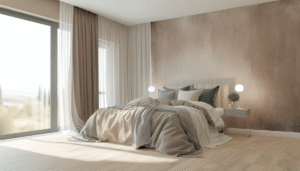



Living in shared spaces often means navigating the exciting, sometimes challenging, waters of compact living. Whether you’re in a dorm room, a co-living apartment, or simply sharing a small house with roommates, the quest for comfort, privacy, and personal style in limited square footage is universal. This guide dives deep into smart small space solutions for shared living spaces, transforming tight quarters into highly functional, aesthetically pleasing, and remarkably peaceful havens. Forget the clutter and cramped feelings; we’ll show you how to maximize every inch, creating harmonious environments where everyone thrives.
In this comprehensive article, you’ll discover practical tips, innovative design ideas, and actionable strategies for maximizing every square foot. We’ll cover everything from smart furniture choices and clever storage hacks to optimizing layout and fostering a cooperative living dynamic. By the end, you’ll be equipped with the knowledge to turn any shared small space into a testament to intelligent design and harmonious living.
The Unique Challenges of Small Shared Living Spaces
Shared living, especially in small spaces, introduces a unique set of challenges that extend beyond mere aesthetics. It’s not just about fitting all your belongings; it’s about navigating different lifestyles, habits, and preferences within a confined area. Understanding these challenges is the first step toward effective small space solutions for shared living spaces.
Limited Personal Space and Privacy
Perhaps the most significant challenge in shared small living spaces is the scarcity of personal space. In a compact apartment, your ‘private’ bedroom might also serve as your study, dining area, and relaxation zone. The constant proximity to others can erode privacy, making it difficult to find solitude or engage in personal activities without feeling observed.
- Acoustic privacy: Thin walls and close quarters can make even quiet conversations audible throughout the home.
- Visual privacy: Shared rooms often mean a lack of secluded corners or private nooks.
- Personal boundaries: Establishing and maintaining personal boundaries becomes crucial but often difficult without dedicated personal zones.
Storage Wars: The Battle Against Clutter
With multiple individuals comes multiple sets of belongings. Without effective solutions, shared small living spaces can quickly become overwhelmed by clutter. From kitchen utensils to clothes, books, and personal memorabilia, finding a designated home for everything is a constant battle. This battle can lead to:
- Messy common areas, impacting everyone’s comfort.
- Difficulty finding essential items.
- Increased stress and friction among residents.
Effective small space solutions for shared living spaces must prioritize ingenious storage strategies.
Diverse Lifestyles and Habits Under One Roof
Roommates rarely share identical routines. One might be an early riser, another a night owl. Cooking habits, cleanliness standards, noise levels, and even preferred room temperatures can differ significantly. When these diverse lifestyles converge in a small space, understanding and compromise become paramount.
For example, a roommate who enjoys late-night gaming sessions might disturb one who needs quiet for early morning work. Or, differing opinions on cleaning can lead to tension. These disparities can exacerbate the feeling of being cramped, highlighting the need for structured agreements and intelligent design that mitigates potential conflicts.
Defining and Sharing Common Areas
In larger homes, common areas naturally accommodate multiple activities. In small shared living, however, a single living room might need to serve as a TV lounge, dining area, and workspace. This multifunctionality, if not carefully managed, can lead to:
- Constantly shifting furniture.
- Ambiguous usage rules.
- Feelings of one person dominating the space.
Budget Constraints: Making the Most of Limited Resources
Often, individuals in shared living situations are operating within budget constraints, limiting their ability to invest heavily in extensive renovations or high-end furniture. This necessitates cost-effective yet impactful small space solutions for shared living spaces that are both functional and visually appealing.
Addressing these challenges effectively requires a strategic approach, blending smart design choices with conscious living habits. The goal is to create environments that foster harmony, respect, and maximum utility, even within the most compact layouts.
Strategic Furniture Choices: Maximizing Every Inch
The foundation of effective small space solutions for shared living spaces lies in smart furniture selection. Every piece should serve a purpose, ideally more than one, transforming static objects into dynamic, space-saving assets. Think beyond conventional pieces and embrace multi-functional designs that adapt to your evolving needs.
Multi-Functional Furniture: The Cornerstones of Compact Living
When square footage is a luxury, multi-functional furniture is a necessity. These pieces work harder, maximizing utility without consuming excess space.
- Sofa Beds/Futons: Essential for shared living, especially when one roommate might host guests or for studio setups. They transform a living area into a temporary sleeping space with ease. Look for models with integrated storage too!
- Ottomans with Storage: These humble pieces punch above their weight. They serve as extra seating, footrests, coffee tables (with a tray), and provide invaluable hidden storage for blankets, books, or electronics.
- Nesting Tables: A set of tables that fit neatly inside one another. Pull them out for extra surface area when entertaining, then tuck them away to reclaim floor space.
- Wall Beds (Murphy Beds): While a larger investment, a wall bed can liberate an entire room during the day, turning a bedroom into a living room or office. This is a game-changer for truly tiny shared living spaces.
- Dining Tables that Convert or Expand: Look for tables with drop leaves, extendable tops, or even console tables that open up to seat more people. Some innovative designs even hide chairs within the table structure.
Vertical Thinking: Leveraging Wall Space and Height
Often overlooked, the vertical dimension of a room offers immense potential. Capitalizing on height is a hallmark of intelligent small space solutions for shared living spaces.
- Tall, Narrow Bookcases: Instead of wide, sprawling units, opt for slender bookcases that draw the eye upward while providing ample storage for books, décor, and personal items.
- Floating Shelves: These remove the bulky footprint of traditional bookcases, offering customizable display and storage without cluttering the floor. Install them above doors, windows, or even around a TV.
- Wall-Mounted Desks or Fold-Down Tables: A hinged table that folds flat against the wall when not in use is perfect for a temporary workspace or dining nook, especially in a shared bedroom or studio apartment.
- Loft Beds/Bunk Beds: In shared bedrooms, bunk beds are an obvious choice. For individual rooms, a loft bed frees up the entire area underneath for a desk, seating, or storage, effectively doubling the usable floor space.
Scaled-Down and Leggy Furniture
The size and visual weight of furniture greatly impact how large or small a room feels.
- Slim Profiles: Choose furniture with narrow arms, thin legs, and overall sleek designs. Bulky pieces instantly overwhelm a small room.
- Leggy Furniture: Sofas, chairs, and tables with exposed legs create an illusion of openness, allowing light to pass underneath and preventing the room from feeling grounded and heavy.
- Clear or Mirrored Surfaces: Glass or acrylic coffee tables and desks are visually recessive, almost disappearing into the room. Mirrored furniture reflects light, making a space feel larger and brighter.
By carefully selecting furniture that serves multiple purposes, utilizes vertical space, and possesses a light visual footprint, you can dramatically enhance the functionality and perceived spaciousness of any shared small living environment. These strategic choices are central to effective small space solutions for shared living spaces.
Ingenious Storage Hacks: Decluttering for Harmony
Clutter is the nemesis of small shared living spaces. It gnaws away at precious square footage, creates visual chaos, and can lead to interpersonal friction. The key to harmonious living in compact quarters is ruthless organization, bolstered by ingenious storage hacks. These small space solutions for shared living spaces turn every nook, cranny, and often-forgotten area into a storage powerhouse.
Under-the-Bed Storage: Hidden Treasures
The space beneath your bed is often one of the largest untapped storage areas in a small room.
- Wheeled Drawers or Bins: Easy to pull out and access, these are perfect for seasonal clothing, extra linens, or rarely used items. Look for bins with lids to keep dust out.
- Bed Risers with Built-in Outlets: Not only do they lift your bed higher to accommodate larger storage bins, but some also come with USB ports and electrical outlets, a handy feature in small spaces where outlets are often scarce.
- Platform Beds with Integrated Storage: The ultimate under-bed solution, these beds come with drawers or lift-up mechanisms, offering incredible storage capacity without needing separate bins.
Door and Wall Storage Solutions
Doors and walls are often ignored storage canvases, ripe for optimization.
- Over-the-Door Organizers: Perfect for shoes, toiletries, cleaning supplies, or extra pantry items. These hang over the back of any door, instantly adding storage without taking up floor space.
- Wall-Mounted Organizers: From spice racks in the kitchen to magazine holders in the living room or tiered baskets in the bathroom, anything you can mount on a wall frees up valuable counter or floor space.
- Pegboards: Highly customizable, pegboards can be installed in kitchens, entryways, or bedrooms. Hang pots, pans, tools, keys, or accessories, adapting as your needs change.
- Magnetic Strips: Ideal for knives in the kitchen, hairpins or makeup tools in the bathroom, or even small metal containers for office supplies.
Corners and Awkward Nooks: Untapped Potential
Every small space has its awkward corners or unusual nooks. Don’t let them go to waste!
- Corner Shelving Units: Designed to fit snugly into corners, these add vertical storage without protruding into the main walkway.
- Skinny Rolling Carts: Perfect for tight spaces between appliances or furniture, these can hold extra pantry items, cleaning supplies, or bathroom necessities. Roll them out when needed, then tuck them away.
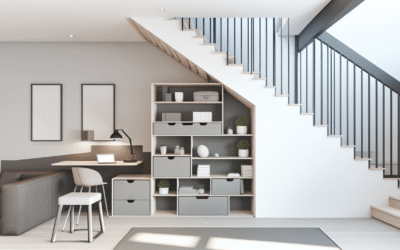
- Alcove Desks/Shelves: If you have an unused closet or an architectural alcove, consider converting it into a mini-office or a built-in shelving unit.
Smart Storage Furniture Integration
Many furniture pieces can be chosen specifically for their storage capacity.
- Lidded Baskets and Bins: Use them as decorative elements. A stylish basket can hold blankets, toys, or magazines, looking tidy while providing hidden storage.
- Storage Ottomans/Benches: As mentioned before, these are versatile pieces that offer seating and considerable hidden storage.
- Hollow-Core Doors: Some doors are designed with hollow interiors that can be custom-fitted with shelves or cubbies, offering a truly unique storage solution.
Implementing these ingenious storage hacks is not just about decluttering; it’s about creating a sense of order and calm. When every item has a home, shared living becomes less stressful and more harmonious, proving that intelligent small space solutions for shared living spaces are about function and peace of mind.
Optimizing Shared Layouts: Designing for Flow and Privacy
Beyond individual furniture pieces and storage hacks, the overall layout of a shared small living space plays a critical role in its functionality, comfort, and the psychological well-being of its inhabitants. Strategic layout optimization can create the illusion of more space, improve flow, and subtly define personal zones, serving as essential small space solutions for shared living spaces.
Defining Zones with Area Rugs and Lighting
In open-plan or multi-functional rooms, you can delineate different areas without building walls, using clever visual cues.
- Area Rugs: A rug under a seating arrangement instantly defines a “living” zone. Another rug under a dining table establishes a “dining” zone. This creates visual separation and grounds each area, making the space feel more organized and purposeful.
- Layered Lighting: Use different types of lighting to highlight specific zones. A bright task light over a desk defines a workspace, while softer, warmer ambient lighting in a lounge area encourages relaxation. Floor lamps, table lamps, and wall sconces can also visually separate areas.
- Bookshelves as Dividers: A tall, open-backed bookshelf can act as a permeable room divider, separating a sleeping area from a living space in a studio or shared bedroom, while still allowing light to filter through.
Strategic Furniture Placement for Flow
How you arrange your furniture impacts how easily people can move through the space and interact within it.
- Clear Pathways: Ensure there are clear, unobstructed pathways between common areas (e.g., from the living room to the kitchen). Approximately 30-36 inches of clear space is ideal for main pathways.
- Floating Furniture: Instead of pushing all furniture against the walls, try ‘floating’ a sofa or an armchair slightly away from the wall. This can create the illusion of more space and allow for better flow around the pieces.
- Symmetry vs. Asymmetry: In very small spaces, a symmetrical arrangement can feel too rigid. An asymmetrical balance, mixing different sized pieces, can be more dynamic and less restrictive.
Creating Semi-Private Nooks and Corners
Even without solid walls, you can foster a sense of individual space.
- Room Dividers: From elegant shoji screens to more robust shelving units or even floor-to-ceiling curtains, room dividers offer immediate visual privacy and a psychological boundary. These are excellent for shared bedrooms or a studio apartment.
- Plants as Barriers: Large potted plants can create a natural, soft separation between areas, adding greenery and improving air quality.
- Tall Headboards: In a shared bedroom, a tall, solid headboard can provide a sense of enclosure and privacy for each bed.
- Personalized Zones: Encourage each resident to personalize their corner or designated spot. Even small flourishes like a specific throw blanket, a unique lamp, or a collection of personal photos can make a shared area feel more individually owned.
The Importance of Doors and Curtains
While an obvious element, maximizing their potential is key for privacy.
- Pocket Doors or Sliding Barn Doors: If renovating, these save valuable swing space compared to traditional hinged doors, making them ideal for small bathrooms or closets.
- Noise-Reducing Curtains: In shared bedrooms, thick, thermal, or noise-reducing curtains can offer both visual and sound privacy.
Thoughtful layout design goes beyond aesthetics; it’s about engineering a living experience that minimizes friction and maximizes individual comfort and shared harmony. These strategic small space solutions for shared living spaces transform challenges into opportunities for creative, considerate design.
Color, Light, & Aesthetics: Enhancing the Small Space Experience
The visual elements of a small shared living space can profoundly impact how large, bright, and inviting it feels. Beyond the practicalities of furniture and storage, savvy use of color, strategic lighting, and cohesive aesthetics are powerful small space solutions for shared living spaces. They don’t add square footage, but they certainly make the existing space feel more expansive and pleasant.
Color Palettes: Light, Bright, and Strategic Accents
The right colors can open up a small room, while the wrong ones can make it feel claustrophobic.
- Light and Neutral Bases: Walls painted in pale shades like white, off-white, light gray, or soft pastels reflect light, making a room feel larger and airier. They also provide a clean backdrop that won’t visually overwhelm the space.
- Monochromatic Schemes: Using varying shades of the same color can create depth and sophistication without making the room feel busy. For example, different textures of white and cream can be incredibly rich.
- Strategic Pops of Color: While a neutral base is key, don’t shy away from vibrant accents. Use bold colors in throw pillows, artwork, small accessories, or a single statement wall (if appropriate for shared living). These draw the eye and add personality without shrinking the room.
- Cool Tones: Blues, greens, and purples tend to recede, making walls appear further away. Warm tones (reds, yellows, oranges) tend to advance, which can make a space feel cozier, but also smaller if overused.
Maximizing Natural and Artificial Light
Light is perhaps the single most important factor in making a small space feel larger and more welcoming.
- Unobstructed Windows: Keep windows clear of heavy drapes or excessive décor. Use light, sheer curtains or blinds that can be easily pulled up to let in maximum natural light.
- Mirrors: Position large mirrors strategically opposite windows to reflect natural light and create the illusion of depth. A full-length mirror can virtually double the perceived size of a wall.
- Layered Lighting: Combine ambient (general illumination), task (for specific activities like reading or cooking), and accent (to highlight features) lighting. Use dimmers to adjust the mood and brightness. Avoid a single overhead light, which can create harsh shadows and make a room feel flat.
- Smart Placement of Lamps: Up-lighting (lamps that cast light upwards) can make a ceiling feel higher. Lamps can also be strategically placed to illuminate dark corners, preventing them from feeling like dead space.
Visual Tricks and Cohesive Design
Subtle design choices can have a profound impact on spatial perception and overall harmony.
- Consistency in Design: Even if individual rooms have their own style, a consistent design element (e.g., a shared color palette, a type of wood, or a minimalist approach) throughout the common areas can tie everything together and make the space feel more intentional and spacious.
- Minimalist Approach: Less is often more in small spaces. Avoid excessive ornamentation or bulky décor. Focus on a few well-chosen, meaningful pieces.
- Artwork and Wall Decor: Hang artwork at eye level. Large pieces can sometimes work better than many small ones, as they provide a single focal point and avoid clutter. Consider galleries with a consistent frame color.
- Scale of Patterns: Use patterns sparingly. Overly large or busy patterns can overwhelm a small room. Opt for subtle textures or small-scale patterns on upholstery or rugs.
- Decluttering (Again!): The best aesthetic tip for a small space is relentless decluttering. No amount of clever decor can compensate for excess stuff.
By thoughtfully applying these principles of color, light, and aesthetics, you can transform a cramped shared living space into one that feels open, airy, and inviting – proving that effective small space solutions for shared living spaces are as much about perception as they are about practicality.
Fostering Harmonious Co-Living: Beyond the Furniture
Even the most perfectly designed small shared living space can quickly become uncomfortable without clear communication and respectful co-living practices. True small space solutions for shared living spaces extend beyond physical organization to the dynamics between residents. Cultivating harmony requires effort, empathy, and established norms.
Communication is Key: Setting Expectations Early
Misunderstandings grow in silence. Proactive and open communication can prevent many conflicts.
- Roommate Agreement/Contract: Before moving in, or shortly after, sit down and discuss expectations. This can cover everything from rent and utilities to chore distribution, noise levels, guest policies, and communal food sharing. A formal document, even a simple one, sets clear boundaries.
- Regular Check-ins: Don’t wait for issues to fester. Schedule brief weekly or bi-weekly check-ins to discuss any concerns, upcoming schedules, or just to touch base.
- Active Listening: When issues arise, genuinely listen to your roommates’ perspectives. Validate their feelings, even if you don’t agree with their solution.
Establishing Clear Rules and Responsibilities
Ambiguity is the enemy of shared living. Clearly defined roles reduce friction.
- Chore Chart: Rotate chores for common areas (kitchen, living room, bathroom). Make it visible and specific to avoid confusion. For example, “Kitchen counters wiped daily” vs. “Keep kitchen clean.”
- Shared Supplies: Decide whether certain items (toilet paper, cleaning supplies, communal spices) will be shared and how they’ll be purchased and restocked. A communal fund or rotation system works well.
- Guest Policy: Discuss how far in advance guests need to be announced, overnight guest limits, and noise considerations.
- Noise Levels: Agree on quiet hours, especially around bedrooms, and discuss headphone usage for media consumption.
- Personal Belongings: Emphasize respecting each other’s private spaces and belongings. Reinforce the “ask before you use” rule.
Respecting Privacy and Personal Space
In small shared living, understanding and respecting boundaries is paramount.
- Knocking: Always knock before entering a closed bedroom, even if you know someone isn’t inside.
- Headphones: Encourage headphone use for music, videos, or gaming, especially during quiet hours or when roommates are studying or sleeping.
- Designated “Me Zones”: Even if it’s just a specific armchair, a side of the sofa, or a personal desk, acknowledge and respect these small, self-designated zones of privacy.
- Offering Alone Time: If you notice a roommate seems stressed or is looking for quiet, offer to give them the living room alone for a while if your schedule permits. Small gestures go a long way.
Conflict Resolution and Compromise
Disagreements are inevitable, but how they are handled defines the living experience.
- Address Issues Promptly: Minor annoyances can quickly become major resentments if left unaddressed. Tackle issues calmly and privately when they arise.
- Focus on the Behavior, Not the Person: Instead of “You’re so messy,” try “When dishes are left in the sink, it’s hard for me to cook.”
- Seek Solutions Together: Collaborate on solutions instead of dictating terms. “How can we make sure everyone gets quiet time?” is better than “You need to be quieter.”
- Compromise: Shared living requires give and take. Don’t expect to always get your way. Be willing to compromise on certain issues that aren’t critical to your well-being.
By prioritizing communication, establishing clear ground rules, and practicing mutual respect, residents in small shared living spaces can transform potential friction points into opportunities for growth and deeper connection. These interpersonal small space solutions for shared living spaces are just as vital as the physical ones.
Case Study: Transforming a Cramped Student Apartment
Let’s put these small space solutions for shared living spaces into a real-world context. Imagine Sarah, Alex, and Ben, three university students sharing a cramped, two-bedroom apartment near campus. The living room doubled as a study area, the kitchen lacked storage, and personal privacy felt nonexistent. Here’s how they systematically revitalized their living situation.
The Initial Woes: What Was Wrong
- Living Room: A bulky, old sofa took up too much space. Textbooks and bags were sprawled everywhere. No clear study zone.
- Kitchen: Limited counter space, overflowing cabinets, and no designated pantry area.
- Bedrooms: (One shared by Sarah & Alex, one for Ben) Each had standard beds leaving little room for anything else. Clothes piled up due to inadequate closet space.
- Overall: Visual clutter, poor flow, and frequent minor arguments over tidiness and shared resources.
The Solution Strategy: Applying Small Space Solutions
- Communication & Agreement (Fostering Harmony):
- They held a “house meeting” to air grievances and set expectations.
- Created a shared Google Doc for a chore chart and communal grocery list.
- Agreed on “quiet hours” (10 PM to 8 AM) and a guest policy.
- Living Room Transformation (Strategic Furniture & Layout):
- Replaced the bulky sofa with a sleek, leggy sofa bed that provided occasional guest sleeping.
- Introduced two nesting coffee tables instead of one bulky one.
- Used a large area rug to define the TV/socializing zone.
- Installed a wall-mounted fold-down desk for a dedicated study spot, used on rotation.
- Added an ottoman with hidden storage for blankets and remotes.
- Kitchen Overhaul (Ingenious Storage):
- Installed floating shelves above the main counter for everyday items and spices.
- Added a narrow rolling cart next to the fridge for extra pantry storage.
- Implemented over-the-door organizers on the pantry door for snacks and cleaning supplies.
- Purchased stackable food containers to maximize cabinet space.
- Each person got a designated shelf in the fridge and a section in one cabinet.
- Bedroom Revamp (Vertical Thinking & Privacy):
- Sarah & Alex’s Room: Switched to a bunk bed with built-in drawers underneath. Each got a narrow bedside caddy for personal items. Installed a tension rod with a heavy curtain across the middle of the room for visual privacy when one needed to study or sleep.
- Ben’s Room: Replaced his standard bed with a loft bed, creating a full study and lounge area underneath, complete with a small desk and beanbag chair. Added tall, narrow storage units.
- All closets received cubby organizers and extra hanging rods to maximize vertical space.
- Aesthetic Enhancements (Color, Light, & Visual Tricks):
- Painted the common areas a unifying light gray.
- Hung a large mirror in the entryway to reflect light and expand the space.
- Ensured all windows had light, sheer curtains pulled back during the day.
- Added individual task lamps to each study area (wall-mounted) and a floor lamp in the living room for ambient light.
- Decluttered rigorously, ensuring every item had a designated home.
The Results: A More Harmonious Home
After a few weeks, the transformation was evident. The apartment felt larger, more organized, and surprisingly more peaceful. The clear pathways improved flow, and the designated zones reduced arguments. Each student had a stronger sense of personal space, even in the shared areas.
This case study illustrates that implementing even a few targeted small space solutions for shared living spaces can lead to significant improvements in both functionality and inter-personal dynamics.
Recommended Tools & Resources for Small Space Living
Navigating the world of small space solutions for shared living spaces is made easier with the right tools and resources. From intelligent furniture to organization apps, these recommendations can help streamline your efforts and maximize your compact home.
Smart Furniture & Storage Retailers
When searching for multi-functional and space-saving furniture, certain retailers excel:
- IKEA: A perennial favorite for dorms and shared apartments, IKEA offers an extensive range of affordable, cleverly designed furniture with storage solutions, modular pieces, and vertical options (e.g., KALLAX shelving, MALM beds with storage).
- Wayfair/Amazon: Online giants with huge selections. Filter by “small space furniture,” “multi-functional,” or “storage solutions” to find hidden gems like storage ottomans, nesting tables, and compact desks.
- Resource Furniture: For higher-end, truly innovative transforming furniture (like wall beds that hide sofas), Resource Furniture is a leader. While an investment, their pieces are engineering marvels for extreme small spaces.
- The Container Store: Your go-to for ingenious organization systems. From drawer dividers and shelving units to custom closet solutions and pantry organizers, they specialize in making every inch count.
Organization & Productivity Apps
Beyond physical solutions, digital tools can help manage the logistics of shared living:
- Splitwise: Excellent for tracking shared expenses (rent, utilities, groceries) and ensuring everyone pays their fair share without awkward conversations.
- OurHome/Cozy/ChoreMonster: These apps help create and manage chore charts, assign tasks, and track completion, reducing friction around cleanliness.
- Google Docs/Sheets: Simple yet powerful for shared grocery lists, house rules, or even a communal calendar to track everyone’s schedules and avoid unexpected overlaps.
- Noise-Canceling Apps/Devices: Apps like White Noise or devices like noise-canceling headphones can be lifesavers for individual peace in a shared environment.
DIY & Inspiration Resources
Sometimes, the best solutions are custom-made or inspired by creative minds:
- Pinterest & Instagram: Search for “small space living,” “dorm hacks,” “apartment organization,” or “tiny house solutions” for endless visual inspiration and DIY ideas. Many creators share step-by-step guides.
- YouTube Channels: Channels dedicated to home organization, minimalist living, and tiny homes often feature tours and practical DIY tutorials for small spaces.
- Local Hardware Stores/Craft Stores: These are goldmines for basic materials for DIY solutions: tension rods, command hooks, shelving brackets, paint, and mirrors.
Community & Support
Don’t underestimate the power of shared experiences:
- Reddit Communities (e.g., r/smallspaces, r/roommates, r/declutter): Connect with others facing similar challenges, ask for advice, and share your own successful small space solutions for shared living spaces.
- Local Community Boards/Facebook Groups: Your university or city might have groups specifically for finding roommates or sharing living tips.
By leveraging these tools and tapping into communities, you can find the perfect blend of products, digital aids, and inspiration to transform any small shared living space into a functional, comfortable, and aesthetically pleasing home.
Infographic Opportunities:
- “The Multi-Functional Furniture Cheat Sheet”: Visualizing various furniture pieces and their multiple uses.
- “Small Space Storage Zones”: An illustration of a typical room, highlighting hidden storage spots (under bed, behind doors, vertical space).
- “Roommate Harmony Checklist”: A flowchart or checklist for communication and conflict resolution.
FAQ: Essential Small Space Solutions for Shared Living Spaces
How can I create privacy in a shared bedroom without building walls?
To create privacy in a shared bedroom, consider using tall, open-backed bookshelves as visual room dividers. These allow light to pass through while delineating personal zones. Alternatively, floor-to-ceiling curtains on a tension rod or an elegant folding screen can provide immediate visual separation. A tall, solid headboard can also give a sense of enclosure. Strategic placement of furniture, like ensuring beds are not directly facing each other, also helps.
What are the best types of furniture for tiny apartments shared by multiple people?
For tiny shared apartments, prioritize multi-functional furniture. Sofa beds or futons serve as seating and extra sleeping areas. Ottomans with storage double as seating and hidden storage. Nesting tables offer flexible surface area. Wall-mounted desks or fold-down tables save floor space. Tall, narrow bookcases and floating shelves utilize vertical space effectively without occupying valuable floor area.
How can shared common areas in a small apartment feel less cluttered?
To reduce clutter in shared common areas, implement strict decluttering routines and assign a “home” for every item. Utilize vertical storage like wall-mounted shelves or hooks. Choose multi-functional furniture with integrated storage. Use lidded baskets and decorative bins for loose items. Establish clear chore charts for common areas, ensuring regular tidying and cleaning by all residents.
Are there specific colors or lighting techniques that make a small shared space appear larger?
Yes. Light, neutral colors (whites, light grays, soft pastels) on walls reflect light and make rooms feel larger and airier. Strategic use of mirrors, especially placed opposite windows, can multiply natural light and create an illusion of depth. Layered lighting (ambient, task, accent) avoids harsh shadows and enhances the perceived space. Maintain clear window treatments to maximize natural light entry.
How do we handle noise levels and different schedules in a small shared living space?
Open communication is key. Establish “quiet hours” where noise should be minimized. Encourage the use of headphones for music, videos, or gaming. Discuss and agree on a guest policy, including how far in advance guests need to be announced. If schedules clash significantly, consider using white noise machines or earplugs for sleep, and compromise on shared activities that generate noise.
What’s the most effective way to share kitchen storage in a small apartment?
Maximize vertical space with shelf risers, stackable containers, and wall-mounted organizers for spices or utensils. Assign each resident specific drawers, shelves, or a designated section in the pantry and fridge. Label items to avoid confusion. Consider a communal bin for shared staples. Regularly declutter and remove unnecessary items to free up space.
How can we ensure everyone contributes to cleaning and maintaining a small shared space?
Create a clear, rotating chore chart specifying tasks for common areas (kitchen, bathroom, living room). Make it visible using a whiteboard or a shared app like OurHome. Set clear standards for cleanliness. Regular, short house meetings can address issues promptly before they become major conflicts. Lead by example and respect agreed-upon rules.
Conclusion: Thriving in Shared Small Spaces
Living in shared small spaces doesn’t have to mean sacrificing comfort, privacy, or style. By embracing intelligent small space solutions for shared living spaces, you can transform even the most compact environments into areas that foster harmony, productivity, and personal well-being. We’ve explored everything from multi-functional furniture and ingenious storage hacks to strategic layout optimization and the crucial role of communication and respect among residents.
Remember, the goal isn’t just to fit everything in; it’s to create a home that feels open, inviting, and truly livable for everyone under its roof. Every decision, whether it’s choosing a sofa that converts into a bed or agreeing on a chore rotation, contributes to the overall success and tranquility of your shared home. By implementing these strategies, you’re not just saving space; you’re building a foundation for happier, more harmonious co-living.
Ready to reclaim your space and enhance your shared living experience? Start by identifying one area that bothers you most – perhaps the cluttered kitchen counter or the lack of personal zones. Then, pick one solution from this guide and implement it. Small changes can lead to significant improvements. Continue to communicate openly with your roommates, and watch as your compact abode becomes a true haven for all. Explore our other articles on home organization tips and minimalist living guide for more inspiration!
Content Disclaimer
This article provides general information and practical advice for navigating small space solutions in shared living environments. While all efforts have been made to ensure accuracy and helpfulness, the content is for educational purposes only and should not be considered professional design, financial, or psychological advice. Individual results and experiences may vary depending on specific circumstances and living situations. Always consider your unique needs and consult with relevant professionals where necessary.
Categories
- Accent Walls & Ceilings (84)
- Art Curation & Gallery (83)
- Bedding Style Trends (89)
- Bedroom Makeover (96)
- Bohemian & Eclectic Styles (80)
- DIY & Budget-Friendly Decor (78)
- Eco-Friendly Design (83)
- Furniture Care (87)
- Home Decor & Design Ideas (181)
- Home Wellness Spaces (103)
- Integrated Outdoor Living (91)
- Japandi Style (84)
- Kids and Nursery Decor (73)
- Living Room Decor (99)
- Mix & Match Techniques (95)
- Modern & Contemporary Design (88)
- Rug Sizing & Placement (89)
- Scandinavian Design Inspiration (51)
- Seasonal Home Decor (100)
- Small Space Solutions (93)
- Wall Art & Painting Tips (94)
Recent Comments
Archives
Product Gallery
-
 Majestic African Wildlife Canvas Art for Stylish Home Decor
Rated 5.00 out of 5
Majestic African Wildlife Canvas Art for Stylish Home Decor
Rated 5.00 out of 5 -
 Cozy Irregular Green Plush Rug for Nordic Living Spaces
Rated 5.00 out of 5$51.35 – $323.89Price range: $51.35 through $323.89
Cozy Irregular Green Plush Rug for Nordic Living Spaces
Rated 5.00 out of 5$51.35 – $323.89Price range: $51.35 through $323.89 -
 Scandinavian Geometric Area Rugs for Stylish Home Décor
Rated 5.00 out of 5$36.88 – $558.79Price range: $36.88 through $558.79
Scandinavian Geometric Area Rugs for Stylish Home Décor
Rated 5.00 out of 5$36.88 – $558.79Price range: $36.88 through $558.79