Soft lavender bedding is more than just a color choice; it’s a sanctuary-builder that invites calm and promotes restful, restorative nights. If tossing and turning has become your nightly routine, turning to your bedroom environment could finally hold the key to peace. This guide will explore how soft lavender bedding enhances sleep quality by tapping into psychology, design, and fabric science.
You’ll discover the psychological power of lavender hues, the best materials to maximize comfort, styling tips, and actionable steps to create a soothing sleep space that supports both mind and body restoration.
Why Choose Lavender for Bedding? The Science Behind Serene Sleep
The Psychological Effects of Lavender
Lavender’s soothing qualities aren’t just folklore—they are backed by science. Studies show lavender reduces cortisol levels—our primary stress hormone—helping you drift more easily into deep sleep. A 2019 study published in the National Library of Medicine highlighted lavender’s anxiolytic properties, demonstrating measurable reductions in anxiety symptoms after lavender exposure.
When your bedding features soft lavender tones, your senses subconsciously cue relaxation. This color induces lower heart rates and blood pressure, priming your brain for melatonin release — the hormone critical for quality sleep cycles.
Soft Lavender Bedding vs. Other Sleep-Friendly Colors
Color
Relaxation Level
Common Use
Typical Effects
Soft Lavender
High
Bedding, bedrooms
Calms anxiety, promotes tranquility
Light Blue
Moderate
Bedrooms, bathrooms
Encourages calm but can feel cold
Earthy Beige
Moderate
Living rooms, bedrooms
Warmth and comfort but less direct relaxation
Expert Insight: Interior Psychologist on Lavender Bedding
Dr. Maria Chen, an environmental psychologist, notes, “Soft lavender invokes a subtle but powerful relaxation response, which makes it one of the top color choices for bedrooms aiming to optimize sleep hygiene.”
Materials & Fabrics: Choosing the Softest, Most Breathable Lavender Bedding
What Makes Bedding Soft? Fabric Types Explored
Soft texture combines material quality with weave density and finish. For lavender bedding, cotton and bamboo viscose reign supreme:
Egyptian Cotton: Renowned for its long staple fibers, Egyptian cotton delivers smooth, durable softness.
Bamboo Viscose: Naturally silky, moisture-wicking, and breathable, perfect for warmer climates or sweaty sleepers.
Linen Blends: Offer texture but require a break-in period for peak softness; great for natural rustic aesthetics.
Thread Count Explained: How Much Is Enough?
Thread count is often misunderstood. Between 300 and 500 is ideal for softness and durability without sacrificing breathability. Higher counts can trap heat, disrupting sleep comfort.
Benefits of Hypoallergenic and Organic Lavender Bedding
Hypoallergenic materials reduce irritation risks, essential for sensitive skin. Organic dyeing processes ensure the soft lavender hues are chemical-free, which is better for your skin and overall health.
Actionable Tip: How to Select Your Lavender Bedding Fabric
Feel samples in-store or order swatches online.
Check for certifications like GOTS (Global Organic Textile Standard).
Consider your local climate and personal thermoregulation.
Read customer reviews focusing on softness after washing.
Styling Your Bedroom With Lavender Bedding for a Calming Retreat
Pairing Colors That Complement Lavender
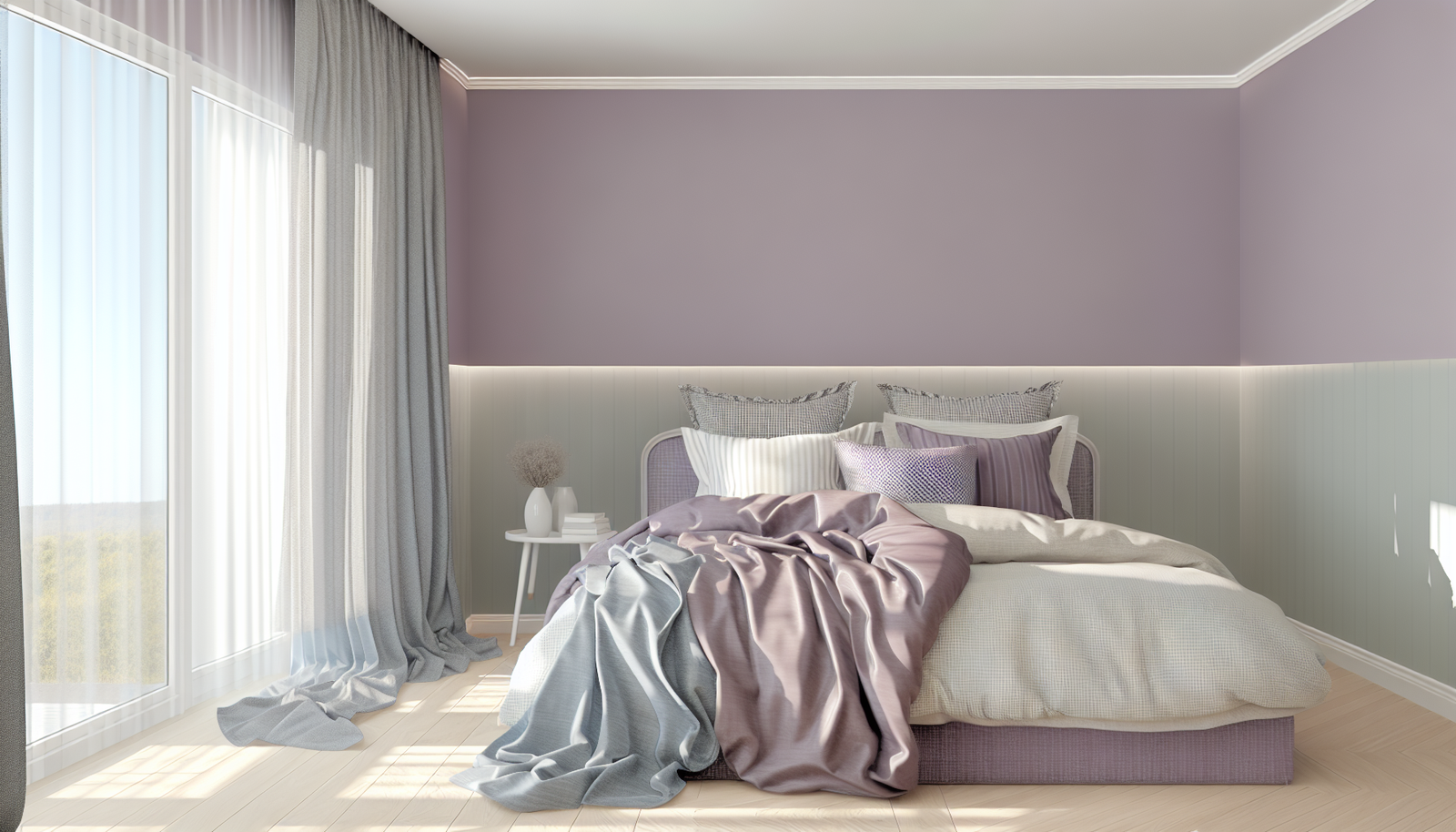
Soft lavender pairs beautifully with neutral shades (ivory, charcoal), warm metallics (rose gold, brushed copper), and muted pastels (mint, blush pink) to enhance bedroom serenity.
Neutral tones: Keep the vibe calm and understated.
Accent pillows: Use pale yellow or cream to brighten without overload.
Natural elements: Incorporate wooden furniture and soft area rugs for texture.
Creating Layers: Add Cozy Textures for Depth
Layers amplify comfort visually and physically. Think knit throws, velvet cushions, or faux fur rugs. These tactile additions relax both your touch and your mind.
Maximizing Lighting for Lavender Bedding
Soft lavender looks best under warm white lighting (2700–3000K). Avoid harsh blue or cool-white bulbs disrupting your sleep readiness.
Expert Advice: Designer Tips for Bedroom Makeover
Interior designer Alicia Morgan recommends, “Start with lavender bedding as your base, then gradually integrate soft textures and nature-inspired accents. This grounding approach ensures the room feels inviting, not chaotic.”
Practical Step: Styling Checklist
Choose complementary wall paint or wallpaper.
Select bedding with lavender tones matching your lighting.
Add a multi-textured rug near the bed.
Use eco-friendly candles or essential oil diffusers with lavender scent to double the calming impact.
Care & Maintenance: Preserving Your Soft Lavender Bedding’s Serenity
Washing Guidelines to Maintain Color & Softness
To keep lavender shades vibrant and fabric soft:
Wash in cold water on gentle cycle.
Use mild, fragrance-free detergents.
Avoid bleach and fabric softeners that degrade dye and fibers.
Air-dry or tumble dry low temperature.
Stain Removal Tips for Delicate Bedding
Spot-treat stains with a mixture of cold water and gentle soap. Dab—don’t rub—to avoid fabric damage.
Longevity: When to Replace Your Bedding
Even the best bedding fades over time. Replace after 2-3 years or when you notice fraying, loss of softness, or color dullness affecting your relaxation.
Pro Tip: Rotating Bedding Sets
Maintain your bedding’s lifespan and freshness by having two sets in rotation. This practice reduces wear and allows thorough washing and drying cycles.
Frequently Asked Questions About Soft Lavender Bedding
Is soft lavender bedding suitable for all seasons?
Yes, lavender bedding works year-round. Choose breathable fabrics like cotton or bamboo viscose for summer, and layered textiles for cozy winters.
Can lavender bedding actually improve sleep quality?
Evidence suggests lavender’s calming color and scent reduce stress and enhance sleep onset, improving overall quality of rest.
How to best mix lavender bedding with existing bedroom decor?
Pair lavender with neutral colors and natural materials to maintain a balanced, serene space.
What fabric is best for allergy sufferers?
Organic cotton and bamboo viscose make excellent hypoallergenic options due to their breathable, chemical-free nature.
How do I care for lavender bedding to keep colors vibrant?
Use cold water, mild detergents, and avoid bleach or excessive heat. Rotate sets to reduce wash frequency.
Does lavender bedding help with anxiety beyond sleep?
Lavender’s calming effect can reduce daily stress, making it beneficial for relaxation areas beyond the bedroom.
Content Disclaimer
The information provided in this article is for educational purposes only. It is not intended as medical advice. Consult a healthcare provider for personalized health or sleep concerns.