

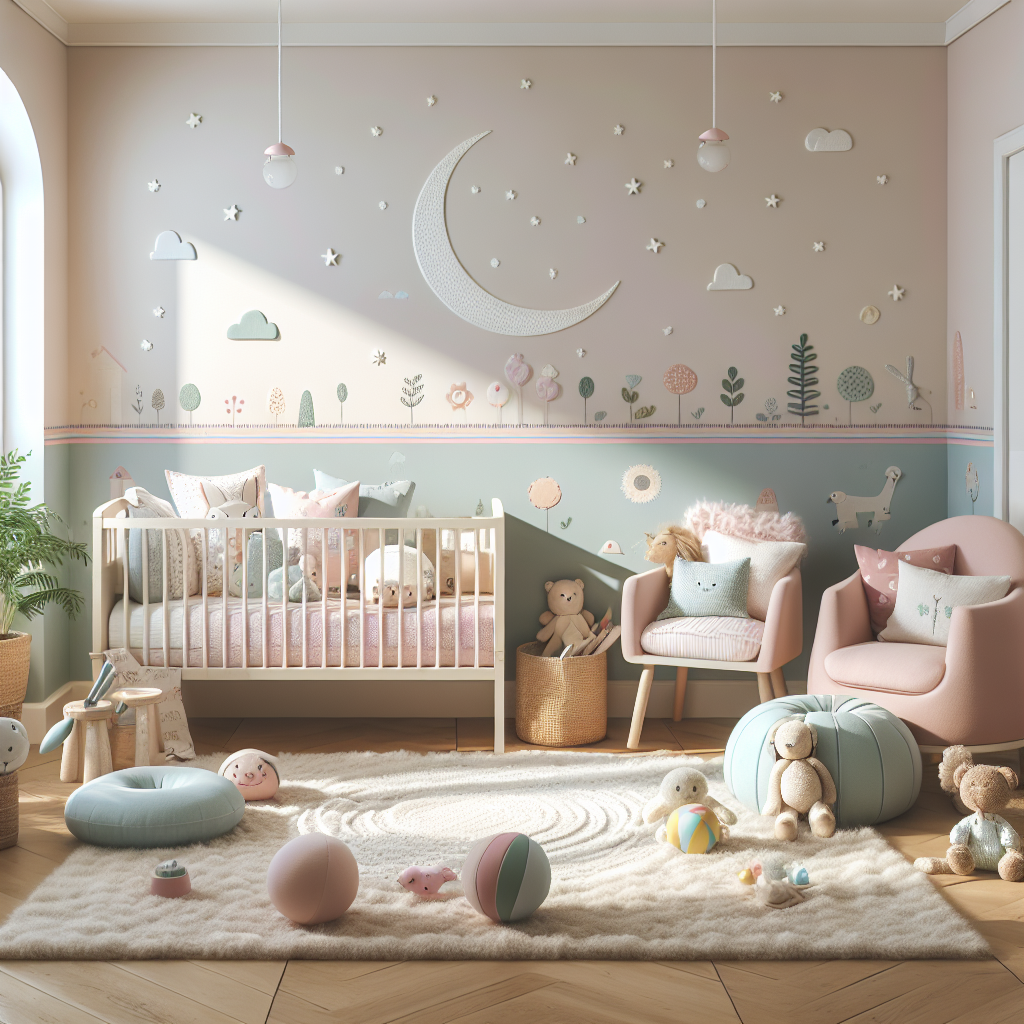

Are you dreaming of a nursery that feels as cozy as a warm hug? Soft textures in nursery styling aren’t just about aesthetics—they’re pivotal for creating a nurturing environment for your little one. In a world that often prioritizes sleek lines and modern designs, the warmth and comfort of soft textures can bring a sense of calm and happiness into your baby’s room. In this comprehensive guide, we’ll explore everything you need to know about integrating soft textures into your nursery, from the types of materials to practical styling tips and actionable takeaways.
By the end of this article, you’ll have the knowledge and inspiration needed to choose the perfect soft textures that blend comfort with style. So, let’s dive in—this article will cover:
- The importance of soft textures in nursery design
- Various types of soft textiles and materials
- How to mix and match textures effectively
- Real-life examples and case studies for inspiration
- DIY tips to create your soft textured nursery
- FAQs on nursery styling
The Importance of Soft Textures in Nursery Design
Creating a nursery isn’t just about decorating; it’s about establishing a safe haven for your child. Soft textures play a crucial role in nursery design as they:
- Provide comfort and warmth, which are essential for a baby’s emotional well-being.
- Help in sound absorption, creating a peaceful environment.
- Encourage tactile exploration, aiding sensory development.
Studies show that children exposed to cozy materials often feel more secure and happy. Here’s how soft textures contribute to these foundational needs:
- Comfort: From plush rugs to soft bedding, these elements provide a cozy feel that keeps infants calm.
- Visual Appeal: A soft textured nursery is visually inviting, creating a positive atmosphere for everyone in the room.
- Sensory Development: Engaging various textures stimulates your baby’s senses, which is important for their overall development.
Types of Soft Textiles and Materials
When thinking about soft textures in nursery styling, consider these key materials:
Cotton
One of the most popular choices, cotton is breathable, soft, and perfect for crib sheets and blankets. Look for organic cotton options to reduce exposure to chemicals.
Velvet
For a touch of luxury, velvet is soft to the touch and can elevate the overall look of your nursery. Use it in accents like cushions or small furniture pieces.
Chenille
This fabric is known for its velvety texture and durability. Chenille toys and blankets can add softness and whimsy to the nursery.
Fleece
Fleece is both warm and plush, making it great for blankets and throws, especially in cooler climates or during winter.
Linen
Light and airy, linen brings a soft, relaxed vibe to the nursery. It’s perfect for breathable curtains and lightweight bedding.
Mixing and Matching Textures
Combining different textures can create depth and interest. Here are some tips for effectively mixing textures:
Layering Textiles
Layer rugs, bedding, and cushions in various textures. For example, place a thick, plush rug under a softer, flat-weave rug to create a tactile landscape.
Patterns and Solids
Balance patterned textiles with solid colors. This will help maintain visual harmony while still incorporating a variety of textures.
Color Palette Consideration
Stick to a cohesive color palette to unify different textures. Soft pastels work beautifully in nurseries and complement soft textures.
Real-Life Examples and Case Studies
Consider this case study: Sarah, a new mom, turned her nursery into a soft, cozy paradise using textured elements. She layered a fluffy sheepskin rug over a textured hardwood floor and added various textiles like knitted blankets and soft cotton sheets.
The result? A warm environment that not only looks stunning but also turns out to be a nurturing haven for her baby.
DIY Tips for Creating Your Soft Textured Nursery
You don’t have to break the bank to create a cozy nursery. Here are some DIY tips:
Fabric Wall Hangings
Use remnants of soft fabric to create wall hangings. Not only do they add texture, but they make a unique statement piece.
Knitted Throws
Knitting your blankets is a fun project that adds sentimental value to the nursery. Choose yarns in soft colors to match your palette.
Repurposing Furniture
Revamp old furniture with soft fabrics. Reupholstering a chair with cushy fabric creates a comfortable feeding nook.
Frequently Asked Questions
What are the best soft textures for a nursery?
The best soft textures for a nursery include cotton, velvet, chenille, fleece, and linen—each providing comfort in their own unique way.
Are soft textures safe for babies?
Yes, soft textures like natural cotton and organic materials are safe for babies as they reduce the risk of irritation and allergies.
How can I mix textures without making the nursery look cluttered?
Stick to a cohesive color palette, use solid colors to balance patterns, and layer textiles thoughtfully to maintain a harmonious look.
What colors work well with soft textures?
Soft pastels—like mint green, lavender, and peach—pair beautifully with soft textures, creating a gentle and inviting space.
Can DIY projects enhance soft textures in a nursery?
Absolutely! DIY projects such as knitted throws or fabric wall hangings can add personalized soft textures, making your nursery unique.
Conclusion & Next Steps
Soft textures in nursery styling are key to not only creating a visually appealing room but also ensuring your baby’s emotional and sensory needs are met. From choosing the right materials to implementing DIY projects, you now have the tools and inspiration to craft the perfect cozy environment.
Remember, the essence of a nurturing nursery lies in the soft textures you choose. Ready to get started? Check out our articles on nursery furniture ideas and color palettes for further inspiration to complete your dream nursery!
Content Disclaimer
The information provided in this article is intended for educational purposes only. For personalized nursery design advice, consult with a professional interior decorator or child development specialist.
Categories
- Accent Walls & Ceilings (84)
- Art Curation & Gallery (83)
- Bedding Style Trends (89)
- Bedroom Makeover (96)
- Bohemian & Eclectic Styles (80)
- DIY & Budget-Friendly Decor (78)
- Eco-Friendly Design (83)
- Furniture Care (87)
- Home Decor & Design Ideas (181)
- Home Wellness Spaces (103)
- Integrated Outdoor Living (91)
- Japandi Style (84)
- Kids and Nursery Decor (73)
- Living Room Decor (99)
- Mix & Match Techniques (95)
- Modern & Contemporary Design (88)
- Rug Sizing & Placement (89)
- Scandinavian Design Inspiration (51)
- Seasonal Home Decor (100)
- Small Space Solutions (93)
- Wall Art & Painting Tips (94)
Recent Comments
Archives
Product Gallery
-
 Majestic African Wildlife Canvas Art for Stylish Home Decor
Rated 5.00 out of 5
Majestic African Wildlife Canvas Art for Stylish Home Decor
Rated 5.00 out of 5 -
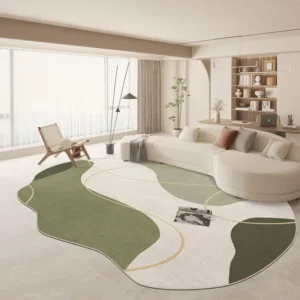 Cozy Irregular Green Plush Rug for Nordic Living Spaces
Rated 5.00 out of 5$37.00 – $229.00Price range: $37.00 through $229.00
Cozy Irregular Green Plush Rug for Nordic Living Spaces
Rated 5.00 out of 5$37.00 – $229.00Price range: $37.00 through $229.00 -
 Scandinavian Geometric Area Rugs for Stylish Home Décor
Rated 5.00 out of 5$26.00 – $394.00Price range: $26.00 through $394.00
Scandinavian Geometric Area Rugs for Stylish Home Décor
Rated 5.00 out of 5$26.00 – $394.00Price range: $26.00 through $394.00