

Transform Your Space: Why Rug Sizing Matters for Conversation Areas

Stepping into a well-designed living room, you immediately feel it: a sense of warmth, coziness, and an unspoken invitation to relax. Often, the unsung hero orchestrating this feeling is a strategically chosen area rug. Specifically, when we talk about creating inviting social hubs, understanding why rug sizing matters for conversation areas becomes paramount. It’s more than just a decorative element; it’s the foundation that anchors your furniture, defines your gathering spot, and dictates the entire room’s flow.
A rug that’s too small can make your space feel disjointed and less welcoming, like a scattering of islands rather than a cohesive continent. Conversely, a rug that’s too large might overwhelm the room or disappear into the floor, losing its defining presence. This article dives deep into the art and science of selecting the perfect rug size, ensuring your conversation area not only looks stunning but also functions flawlessly. You’ll discover how to measure your space, common sizing mistakes to avoid, and expert tips to transform any room into an engaging social haven. Get ready to elevate your home’s comfort and style—one perfectly sized rug at a time.
We’ll cover everything from the psychological impact of rug placement to practical measuring techniques and specific layouts for various room shapes. This isn’t just about aesthetics; it’s about optimizing your living environment for connection and comfort. Let’s unravel the secrets to rug success!
The Unseen Architect: How Rugs Define Your Conversation Zone
Think of your area rug as the canvas upon which your social interactions will unfold. It’s not just underfoot; it’s the visual and tactile boundary that says, “This is where we connect.” When rug sizing matters for conversation areas, it’s because the rug acts as an invisible wall, delineating a specific zone within a larger open-plan living space or creating intimacy in a sprawling room. The right size rug grounds your furniture, making individual pieces feel like a unified set, rather than a random collection.
Without a properly sized rug, furniture can appear to float aimlessly. A small rug tucked under a coffee table, for instance, leaves sofas and chairs adrift, failing to create that vital sense of enclosure. This visual disconnection can subtly impact how comfortable people feel gathering in that space. A well-placed rug, however, instantly communicates purpose. It draws the eye, inviting guests to settle in and begin a conversation. It’s the visual cue that signals, “Come closer, this is our shared space.”
Psychological Impact: Creating Cohesion and Comfort
The human brain seeks order and definition. A rug provides this in a conversation area by creating a sense of boundary and completeness. When all primary pieces of furniture in your conversation grouping either sit entirely on the rug or at least have their front two feet on it, it signals cohesion. This isn’t just about looks; it profoundly impacts the perceived comfort and functionality of the space. A cohesive arrangement feels more intentional and inviting, fostering an environment conducive to relaxation and meaningful interaction. It transforms a collection of seating into a true conversation pit.
Visual Anchoring: Why Furniture Needs a Foundation
Imagine a boat without an anchor; it drifts. Similarly, furniture without a substantial rug can feel unmoored. A properly sized rug acts as that anchor, literally grounding your sofas, chairs, and coffee tables. This visual stability is crucial, especially in larger rooms or open-concept layouts where distinct zones are essential. The rug pulls everything together, offering a solid base that makes the entire grouping feel more substantial and inviting. This anchoring effect is a key reason why prioritizing how rug sizing matters for conversation areas is so important.

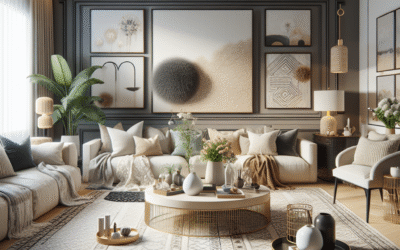
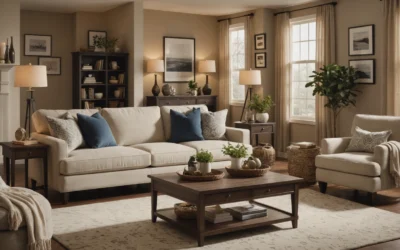
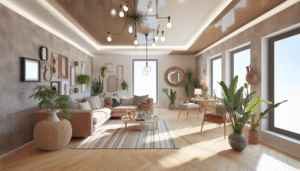
Image Suggestion: A wide shot of a living room with a large area rug, clearly encompassing all primary furniture pieces, creating a cohesive conversation zone.
Common Rug Sizing Rules for Conversation Zones
While design is subjective, some fundamental guidelines for rug sizing have emerged as tried-and-true principles for creating effective conversation areas. These aren’t rigid laws but excellent starting points that will steer you away from common pitfalls and towards a perfectly proportioned space.
The “All Legs On” Rule: The Gold Standard
The most celebrated and often recommended rug sizing rule for conversation areas is the “all legs on” approach. This means that all primary pieces of furniture within your conversation grouping (sofas, armchairs, chaises) should sit entirely on the rug. This configuration creates the most cohesive, luxurious, and spacious feel. It ensures that the rug truly defines the entire gathering space, rather than just acting as a small island under a coffee table. While often requiring a larger rug and thus a higher investment, the visual payoff is immense, making your space feel more complete and intentionally designed. This rule is especially impactful in larger rooms or open-concept homes where clear zoning is essential.
- Benefit: Ultimate cohesion, luxurious feel, clear definition of the zone.
- Best for: Larger living rooms, open-concept spaces, formal conversation areas.
- Typical Rug Sizes: 9×12, 10×14, 12×15 (or larger, depending on furniture scale).
The “Front Legs On” Rule: A Versatile Compromise
If an “all legs on” rug isn’t feasible due to budget, room dimensions, or furniture arrangement, the “front legs on” rule is an excellent and widely accepted alternative. With this approach, the front two feet of all primary seating pieces should rest comfortably on the rug. This still creates a strong visual connection between the furniture and the rug, pulling the grouping together without requiring a massive rug. It’s a fantastic middle-ground solution that effectively grounds the space and makes the conversation area feel deliberate and inviting. Ensure at least 6-12 inches of the front legs are on the rug to achieve the desired anchored effect.
- Benefit: Good balance of cohesion and cost-effectiveness, versatile for many room sizes.
- Best for: Medium-sized living rooms, apartments, casual family rooms.
- Typical Rug Sizes: 8×10, 9×12.
The “Coffee Table Only” Rule: Use with Caution
Using a rug that only holds the coffee table is generally considered a design misstep for conversation areas. This approach leaves sofas and chairs floating around the rug, making the space feel disconnected and smaller than it actually is. It fails to define the conversation zone effectively. While there might be rare exceptions (e.g., a very small, clearly delineated nook with floating chairs that don’t need grounding), for most living rooms and social areas, this size rug diminishes functionality and visual appeal. It often makes the room feel less complete and less inviting, undermining the very purpose of a conversation area.
- Benefit: Lower cost, potential for small, very specific accent areas.
- Best for: Very small, non-primary accent zones; *generally not recommended for main conversation areas*.
- Typical Rug Sizes: 5×7, 6×9 (often too small for most main areas).
Understanding these fundamental rules is the first step in appreciating why rug sizing matters for conversation areas. No matter your room’s size or layout, one of these approaches will likely provide the ideal foundation for your social hub.
Measuring Your Space: Precision for the Perfect Fit
Before you even begin browsing rug styles, accurate measurement is your most powerful tool. Guessing leads to expensive mistakes and an ill-fitting rug that compromises your design. Here’s how to measure your space like a pro, ensuring your rug perfectly complements your conversation area.
Step-by-Step Measurement Guide
- Define Your Conversation Area: Start by arranging your furniture exactly how you envision it in your conversation area. Push and pull sofas, chairs, and coffee tables until you have the ideal layout for interaction.
- Measure the Furniture Grouping:
- Length: Measure the total length of your furniture arrangement from the outermost point of one piece to the outermost point of another. For example, from the outer arm of a sofa to the outer arm of a facing armchair.
- Width: Measure the total width. If you have two sofas facing each other with a coffee table in between, measure from the front of one sofa to the front of the other, including the coffee table’s depth and any desired walkway space.
- Consider Room Dimensions: Measure the overall length and width of the room itself. This helps ensure your chosen rug leaves adequate border space around the perimeter.
- Visualize with Painter’s Tape: This is a game-changer! Use painter’s tape to outline potential rug sizes directly on your floor. Live with it for a day or two. Walk on it, arrange your furniture around it, and get a real feel for how different dimensions impact the space. This visual aid will solidify why rug sizing matters for conversation areas in a tangible way.
- Account for Walkways and Clearances:
- For “All Legs On”: Your rug should extend at least 6-12 inches beyond all furniture pieces.
- For “Front Legs On”: The rug should comfortably accommodate the front feet of all primary furniture, typically extending 12-18 inches *under* the furniture.
- Room Border: Aim for 12-18 inches of exposed flooring between the edge of the rug and the walls in most rooms. In smaller rooms, this can be reduced to 6-12 inches. Too much border makes the rug look small; too little makes the room feel crowded.
Standard Rug Sizes and What They’re Best For
While custom sizes exist, understanding standard dimensions is key. Here’s a quick reference:
| Rug Size (approx.) | Ideal For | Consideration for Conversation Areas |
|---|---|---|
| 5′ x 7′ or 5′ x 8′ | Small rooms, accent areas, under a twin bed. | Generally too small for main conversation areas (fits only coffee table or very small duo), unless paired with small armchairs in a tight corner. |
| 6′ x 9′ | Smaller living rooms, defined dining spaces. | Can work for “front legs on” with a small sofa and two chairs, or “all legs on” for a very compact grouping (e.g., two small armchairs and a small coffee table). |
| 8′ x 10′ | Medium living rooms, master bedrooms. | Excellent for “front legs on” approach with a standard sofa and two armchairs. Can accommodate “all legs on” for a modest-sized grouping. Often the most versatile size. |
| 9′ x 12′ | Larger living rooms, open-concept spaces. | Ideal for achieving “all legs on” with a standard sofa and several chairs. Provides ample room to define a generous conversation area, allowing space for primary and secondary seating. |
| 10′ x 14′ or larger | Very large living rooms, great rooms, grand open plans. | Perfect for “all legs on” in expansive spaces, providing significant visual impact and luxurious feel. Necessary for anchoring large modular sectionals or multiple seating groups. |
When selecting a rug, remember that how rug sizing matters for conversation areas boils down to creating a clear, comfortable, and visually appealing boundary for interaction. Precision in measurement is the foundation of this success.
Beyond Size: Shape, Material, and Style for Social Hubs
While size is crucial, the shape, material, and style of your rug also play significant roles in enhancing your conversation area. These elements work in concert with dimensions to create a harmonious and inviting space.
Rug Shape: Beyond the Rectangle
Rectangular rugs are the most common and versatile, but other shapes can offer unique advantages for conversation areas:
- Rectangular/Square: Best for defining traditional conversation zones. A rectangular rug naturally complements the linear arrangement of most sofas and chairs, reinforcing the boundaries of the area.
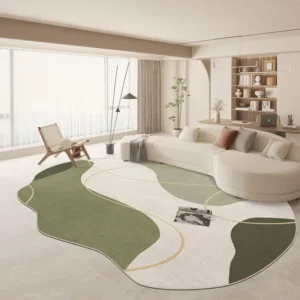
- Round: Excellent for softening angular furniture and creating specific, intimate conversation pockets. A large round rug can be fantastic under a round coffee table with a curved sectional or a few swivel chairs. They promote a sense of flow and can make a room feel less rigid.
- Oval: Offers a similar softening effect to round rugs but can cover a slightly larger, elongated area. Good for blending zones or in rooms with unique architectural features.
- Irregular/Organic: (e.g., hide rugs, abstract shapes) Best used as accents within a larger grouping or for very unique, boho, or eclectic styles. They don’t typically serve as the primary anchor for a full conversation area due to their unpredictable edges, but can add texture and interest.
The shape of your rug should ideally complement the primary shapes within your conversation area. For instance, a round coffee table might look fantastic centered on a round rug, surrounded by chairs. This emphasizes why considering the entire design—not just size—truly shows how rug sizing matters for conversation areas.
Material Matters: Comfort, Durability, and Acoustics
The material of your rug impacts its look, feel, durability, and even the acoustics of your conversation space. Choose wisely based on your lifestyle and aesthetic goals:
- Wool: Durable, naturally stain-resistant, soft, and excellent for insulation and sound absorption. A classic choice for high-traffic conversation areas.
- Cotton: More casual, often washable, and affordable. Less durable than wool but great for relaxed settings or layering.
- Jute/Sisal/Natural Fibers: Textured, earthy, and highly durable. Excellent for adding an organic, grounded feel. Can be a bit rougher underfoot, so consider layering with a softer rug. Perfect for high-traffic zones due to resilience.
- Silk/Viscose: Luxurious, soft, and have a beautiful sheen. Best for low-traffic, formal conversation areas as they are prone to staining and wear.
- Synthetics (Polypropylene, Nylon, Polyester): Extremely durable, stain-resistant, fade-resistant, and often budget-friendly. Great for family rooms, homes with pets/children, and areas needing easy maintenance. Can sometimes lack the natural feel of wool.
A thick, plush wool rug will absorb more sound, making conversations clearer and the room feel quieter and more intimate. A thin, flatweave rug offers less acoustic benefit but is easier to clean.
Style Integration: From Modern to Bohemian
The rug’s style should tie into your existing decor, enhancing the overall aesthetic of your conversation area. It’s an opportunity to introduce color, pattern, and texture.
- Modern/Minimalist: Opt for neutral tones, geometric patterns, or abstract designs. Keep lines clean and uncluttered.
- Traditional/Transitional: Persian, Oriental, or Turkish patterns work wonderfully. Rich colors and intricate designs add depth and heritage.
- Bohemian/Eclectic: Layered rugs, tribal patterns, bold colors, or natural textures like jute can create a relaxed, collected feel.
- Farmhouse/Coastal: Neutral tones, stripes, textured weaves (like sisal or braided rugs) contribute to a relaxed, inviting atmosphere.
Consider the rug as the fifth wall of your room. Its style, combined with its perfect size, brings personality and cohesion. A thoughtful choice truly demonstrates how rug sizing matters for conversation areas not just for function, but for full aesthetic impact.
Common Mistakes to Avoid When Choosing Rug Size
The difference between a “good enough” conversation area and a truly exceptional one often comes down to avoiding a few common rug sizing blunders. These mistakes can undermine all your other design efforts, leaving your space feeling off-kilter. Let’s explore them.
Mistake 1: The “Floating Island” Rug (Too Small)
This is arguably the most common and detrimental mistake. It occurs when the rug is too small, typically only encompassing the coffee table, leaving sofas and chairs completely off the rug. The result is furniture that appears to float aimlessly, disconnected from each other and the rug itself. The conversation area feels fragmented, lacking the cohesive “cocoon” effect that a properly sized rug provides. It makes the room feel less intentional and often smaller than it actually is, completely negating the importance of why rug sizing matters for conversation areas.
- Consequence: Disjointed appearance, lack of visual anchoring, diminished sense of warmth and intimacy.
- Solution: Upgrade to a rug that adheres to the “front legs on” or “all legs on” rule for your primary seating.
Mistake 2: The “Wall-to-Wall” Look (Too Large)
While less common than an undersized rug, a rug that is too large can also be problematic. If the rug extends almost to the walls, leaving only a few inches of exposed flooring, it can give the illusion of wall-to-wall carpeting rather than a distinct area rug. This can make the room feel cramped and reduces the visual interest that a defined border provides. An area rug is meant to *define* a zone, not to cover the entire floor like broadloom.
- Consequence: Room feels crowded, loss of visual contrast with surrounding flooring, rug loses its impact as a distinct design element.
- Solution: Aim for 12-18 inches (or at least 6-12 inches in smaller rooms) of exposed flooring around the perimeter of the rug.
Mistake 3: Ignoring Room Shape and Traffic Patterns
Choosing a rectangular rug for a round conversation area or vice-versa, or placing a rug in a way that obstructs natural walkways, can disrupt the flow of a room. For example, a large rug that forces people to constantly partially step on and off it to navigate the room creates an annoying sensory experience. The rug should complement the furniture arrangement and allow for comfortable movement around the conversation zone.
- Consequence: Awkward movement, feeling of obstruction, diminished functionality.
- Solution: Consider how people will move *into* and *around* your conversation area. Use painter’s tape to mark not just the rug size but also walking paths to ensure seamless traffic flow.
Mistake 4: Disregarding Furniture Scale
A grand, oversized sofa demands a similarly substantial rug to avoid looking top-heavy. Conversely, a delicate grouping of fauteuils can be overwhelmed by a massive, chunky rug. The rug and furniture should be proportionate to each other. A small rug under a huge sectional will always look wrong, regardless of how much furniture is on it. Similarly, a chunky jute rug might look out of place with sleek, low-profile modern furniture.
- Consequence: Visually unbalanced space, furniture appears disproportionate.
- Solution: Ensure your rug’s scale harmonizes with the scale of your furniture. Large pieces need large rugs. Delicate pieces can sometimes be anchored by slightly smaller rugs.
By being mindful of these common mistakes, you can confidently select a rug that not only looks beautiful but also perfectly serves its purpose within your conversation area, proving once again how significantly rug sizing matters for conversation areas.
Conversation Area Layouts & Corresponding Rug Sizes: Case Studies
Let’s apply the rules to real-world scenarios. Understanding how various furniture arrangements interact with different rug sizes will clarify why focusing on how rug sizing matters for conversation areas is not a one-size-fits-all endeavor.
Case Study 1: The Classic Sofa & Two Armchairs
Setup
This is a foundational setup: one standard 3-seater sofa, two armchairs (or a pair of loungers), and a coffee table.
Ideal Rug Sizing
- Best Option (“All Legs On”): A 9′ x 12′ or 10′ x 14′ rug typically works best. The sofa and both armchairs should sit entirely on the rug, with the coffee table centered. This creates a beautifully anchored and luxurious feel, truly defining the conversation zone. Ensure the rug extends 6-12 inches beyond the outside edges of all furniture.
- Good Option (“Front Legs On”): An 8′ x 10′ rug. The front 6-12 inches of the sofa and armchairs rest on the rug, while the back legs are on the bare floor. The coffee table is fully on the rug. This is a very popular and effective compromise for many medium-sized living rooms.

Image Suggestion: Top-down view of a classic sofa, two armchairs, and a coffee table arranged around a large rug, with all furniture legs clearly sitting on the rug.
Case Study 2: The Large Sectional Sofa
Setup
A prominent L-shaped or U-shaped sectional sofa with a coffee table.
Ideal Rug Sizing
- Best Option (“All Legs On”): Sectionals require large rugs, often 9′ x 12′, 10′ x 14′, or even 12′ x 15′. The goal is for the entire sectional to sit comfortably on the rug. Measure the full length and width of your sectional’s footprint, then add 12-18 inches on each side for the rug to extend beyond. This is crucial for anchoring such a substantial piece of furniture.
- Good Option (“Front Legs On”): A large 9′ x 12′ rug might work for the “front legs on” approach if your sectional isn’t excessively massive. Ensure the rug extends far enough under the sectional for all front feet to be on it, creating a visual connection. This helps prevent the sectional from looking like it’s floating.
A too-small rug with a sectional is perhaps the most egregious “floating island” offense, making the entire imposing sectional appear ungrounded.
Case Study 3: Two Sofas Facing Each Other
Setup
Two identical or complementary sofas directly facing each other with a coffee table in the center. An intimate and formal arrangement.
Ideal Rug Sizing
- Best Option (“All Legs On”): A large rectangular rug that allows both sofas to sit entirely on it, with several feet (at least 2-3 feet) of rug visible between the sofas and ample border around the coffee table. This could easily be a 9′ x 12′, 10′ x 14′, or even larger rug, depending on sofa length and desired spacing. The rug creates a strong, symmetrical central hub.
- Good Option (“Front Legs On”): An 8′ x 10′ or 9′ x 12′ rug could work for the “front legs on” strategy, covering the space between the sofas and allowing their front feet to rest on the rug. The coffee table would be fully on the rug.
For this arrangement, the rug largely defines the entire corridor between the sofas, and if inadequate, the setup can feel sparse.
Case Study 4: Multi-Functional Open-Concept Spaces
Setup
A living room that shares space with a dining area or home office. The challenge is to define a distinct conversation zone without walls.
Ideal Rug Sizing
- Rug as a Zone Creator: For open-concept spaces, the rug is not just decorative; it’s a critical tool for creating distinct “rooms” within a room. The conversation area rug must be large enough to fully encompass its furniture grouping using the “all legs on” principle. This makes the zone feel intentional and separate from adjacent areas.
- Clear Delineation: Ensure there’s at least 2-3 feet of bare floor between the conversation area rug and any other rug in an adjacent zone (e.g., a dining rug). This visual break prevents the space from feeling cluttered or confusing. For example, a 9′ x 12′ rug for the living area and another 8′ x 10′ for the dining area.
In these scenarios, the impact of why rug sizing matters for conversation areas becomes even more pronounced. The rug carries the heavy lifting of spatial organization.
Advanced Strategies: Layering, Underpads, and Maintenance
Once you’ve mastered the primary sizing rules, there are advanced techniques and essential accessories that can elevate your rug game even further, ensuring longevity and optimal performance in your conversation areas.
The Art of Laying Rugs
Layering rugs is a fantastic way to add texture, warmth, and visual interest, especially in conversation areas where you want to create a cozy, curated feel. It also offers a solution if you already own a smaller rug you love but need a larger anchor.
- Layering Strategy 1: The Large Base + Smaller Accent: Start with a large, neutral, foundational rug (e.g., a large jute, sisal, or solid-colored wool rug) that adheres to the “all legs on” or “front legs on” rule for your conversation area. Then, place a smaller, more decorative rug (e.g., a patterned antique rug, a plush sheepskin, or a bold kilim) on top, centered within the seating arrangement, perhaps just under the coffee table and extending slightly beyond.
- Layering Strategy 2: Different Textures, Similar Tones: Combine rugs of similar color palettes but drastically different textures (e.g., a thick shag over a flatweave). This adds depth without visual clutter.
- Consider Scale: The top rug shouldn’t be so small it looks like a bathmat. It should still feel like a deliberate layer, typically covering about 50-75% of the base rug’s exposed area within the conversation zone.
Layering allows for more personality and flexibility, enhancing the comfort and visual appeal of your conversation space. It’s a nuanced approach to understanding how rug sizing matters for conversation areas by creating multidimensional design.
The Unsung Hero: The Rug Pad
Never underestimate the power of a good rug pad. This often-overlooked accessory is critical for several reasons:
- Prevents Slipping: Keeps your rug securely in place, preventing dangerous slips and extending the life of the rug by reducing friction on its backing.
- Adds Cushioning & Comfort: A thicker rug pad provides extra softness and bounce underfoot, making your conversation area feel even more luxurious and comfortable.
- Protects Your Floors: The pad acts as a barrier, preventing dye transfer, scratches, and abrasion to your hardwood or tile floors.
- Extends Rug Life: By absorbing impact and preventing the fibers from being crushed, a rug pad significantly prolongs the life of your rug, making it a wise investment.
- Improves Acoustics: A thick rug pad can further help absorb sound, contributing to a quieter, more intimate conversation environment.
Recommendation: Choose a rug pad that is about 1 inch smaller than your rug on all sides (or 2 inches smaller in both length and width). This ensures the pad isn’t visible and tapers the rug edge softly to the floor.
Maintaining Your Investment: Care and Cleaning
A well-chosen rug is an investment. Proper maintenance ensures it continues to enhance your conversation area for years to come.
- Regular Vacuuming: At least once a week, and more frequently in high-traffic conversation areas. Use the appropriate setting for your rug’s pile height.
- Spot Cleaning: Address spills immediately. Blot, don’t rub, with a clean white cloth. Use gentle, rug-safe cleaning solutions appropriate for your rug’s material.
- Professional Cleaning: Depending on traffic and material, aim for professional cleaning every 1-3 years.
- Rotating: Rotate your rug 180 degrees every 6-12 months to ensure even wear patterns, especially in high-traffic zones within your conversation area.
- Addressing Curling Edges: Place heavy books on corners for a few days, or use rug tape specifically designed for this purpose.
Thoughtful layering, the right rug pad, and consistent maintenance all contribute to the long-term success and enjoyment of your chosen rug, reinforcing that understanding why rug sizing matters for conversation areas extends far beyond the initial purchase.
Transform Your Home: Real-World Impact of Perfect Rug Sizing
It’s one thing to understand the theories, but another to witness the tangible transformation that a perfectly sized rug brings to a conversation area. The impact goes beyond mere aesthetics; it influences how you and your guests experience your home.
Enhanced Comfort and Coziness
Imagine stepping onto a plush, warm rug as you settle into your sofa. A rug appropriately sized for your conversation area immediately contributes to a sense of comfort and coziness. It insulates the floor, dampens sound, and provides a soft landing underfoot. This tactile experience is a crucial, yet often overlooked, aspect of creating a truly inviting social space. When the rug physically brings all the furniture together, it creates a psychological “nest” that naturally encourages relaxation and connection. It’s hard to feel truly comfortable in a cold, echoey room with fragmented furniture; the right rug solves this.
Improved Room Flow and Functionality
A rug acts as a visual anchor that guides your eye and implicitly, your movement. When rug sizing matters for conversation areas, it often translates to better room flow. With a properly sized rug, you clearly delineate where the conversation area begins and ends. This is invaluable in open-plan spaces, preventing your furniture from looking like it’s randomly scattered. Guests intuitively understand where to sit and socialize without feeling lost in a vast room. This clear definition helps multifunctional spaces work better, allowing for seamless transitions between different zones.
Elevated Aesthetic and Design Sophistication
Nothing screams “designer” more than a perfectly proportioned rug. It’s a foundational element that pulls together disparate pieces of furniture, colors, and textures into a cohesive and elegant statement. A well-chosen rug acts as the unifying element, grounding your decor and adding a layer of sophistication. It provides an immediate visual upgrade, making your space feel more polished, thoughtful, and deliberately designed. This isn’t about extravagance; it’s about smart design choices that maximize impact. The rug itself becomes a statement piece that enhances everything around it.
The “Wow” Factor: First Impressions Matter
When someone walks into your home, the conversation area is often a focal point. A beautifully arranged space, anchored by a substantial, well-sized rug, creates an instant “wow” factor. It conveys a sense of welcome, comfort, and good taste. This positive first impression sets the tone for future interactions and reflects positively on the care and attention you put into your living environment. Ultimately, understanding why rug sizing matters for conversation areas transforms your space from merely functional to truly inspiring.
Frequently Asked Questions About Rug Sizing for Conversation Areas
Here are some common questions people ask when trying to get the rug size right for their social spaces.
What is the biggest mistake people make with rugs in living rooms?
The biggest mistake is choosing a rug that is too small, often referred to as the “floating island” effect. This leaves all or most of the furniture off the rug, making the conversation area feel disjointed, ungrounded, and visually unfinished. It fails to adequately define the space and often makes the room look smaller than it is.
How much floor should show around an area rug?
Generally, you should aim for 12 to 18 inches of exposed hard flooring between the edge of the rug and the walls in a living room. In smaller rooms, you can reduce this to 6 to 12 inches. This border helps delineate the rug as a distinct zone, prevents the room from feeling cramped, and allows the flooring material to still be a part of the room’s design.
Can a rug be too big for a conversation area?
Yes, a rug can be too big. If a rug extends almost entirely to the walls, leaving only a few inches of exposed flooring, it can look like wall-to-wall carpeting rather than an area rug. This diminishes the rug’s ability to define a specific conversation zone and can make the room feel less intentional and sometimes even crowded. It loses its impact as a distinct design element.
Should rugs go under all furniture?
For a conversation area, the ideal scenario is for all primary furniture pieces (sofas, armchairs) to have all their legs on the rug. If that’s not possible, the next best option is to have at least the front two legs of all primary seating pieces on the rug. The key is to create a sense of cohesion and to visually anchor the furniture, preventing it from appearing to float aimlessly.
How do I choose a rug for an open-concept living space?
In open-concept spaces, rugs are essential for defining distinct zones. For a conversation area, choose a rug large enough to comfortably accommodate all seating (ideally ‘all legs on’) to clearly delineate it from adjacent areas like a dining room or kitchen. Ensure there’s at least 2-3 feet of clear floor space between different rugs to avoid a cluttered look and maintain distinct zones.
Does rug color or pattern impact perceived size?
Absolutely. Lighter colored rugs can make a space feel more open and expansive, while darker rugs can make a room feel cozier and more intimate. Large-scale patterns can make a rug feel bigger, while small, busy patterns might make it feel a bit more constrained. Always consider how the rug’s visual weight and dominant tones interact with your room’s overall color scheme and desired atmosphere.
Tool Recommendations
- Painter’s Tape: A simple yet indispensable tool for outlining rug dimensions on your floor before buying. Makes visualizing easy.
- Measuring Tape (Retractable): A long, retractable tape measure is essential for accurate room and furniture measurements.
Conclusion: The Defining Role of the Right Rug
As we’ve explored, the question of why rug sizing matters for conversation areas isn’t just about interior design principles; it’s about crafting an environment that fosters connection, comfort, and style. The right-sized rug acts as the silent architect of your social space, anchoring furniture, defining boundaries, and influencing the very flow and feel of your room.
From the luxurious sweep of an “all legs on” layout to the versatile utility of the “front legs on” approach, your choice directly impacts cohesion and intimacy. We’ve dissected common pitfalls like the dreaded “floating island” rug and provided actionable steps, from precise measurement using painter’s tape to considering material and style. Understanding these nuances empowers you to make informed decisions that transform your living space from merely functional to truly extraordinary.
So, take a fresh look at your conversation area. Is your rug working for you, or against you? With the insights gained here, you’re now equipped to choose a rug that not only completes your room but elevates every interaction within it. Go forth and create a beautifully grounded, perfectly proportioned social hub!
Ready to transform your space? Start by measuring your living room today, then explore our curated collection of rugs perfectly suited for various conversation area layouts. You’ll find inspiration and the ideal match to make your space shine.
Content Disclaimer
The information provided in this article is for general informational and educational purposes only. While we strive to provide accurate and up-to-date content, it does not constitute professional interior design advice. Room dimensions, furniture styles, and personal preferences vary widely, and what works for one space may not be ideal for another. Always consider your specific circumstances, and if needed, consult with a qualified interior designer for personalized recommendations. We make no representations or warranties of any kind, express or implied, about the completeness, accuracy, reliability, suitability, or availability with respect to the article or the information, products, services, or related graphics contained in the article for any purpose. Any reliance you place on such information is therefore strictly at your own risk.