In today’s fast-paced world, stress and anxiety often feel like unwelcome companions. What if the solution to boosting your mood and mental clarity was as simple as surrounding yourself with plants? Using plants to improve mental health isn’t just a trendy idea; it’s a proven, science-backed practice that blends nature’s calming influence with everyday wellness.
This article unpacks exactly how incorporating plants into your environment can foster better mental health. You’ll find expert insights, practical strategies to introduce greenery into your living spaces, and understand why these leafy allies work so well. Whether you’re battling stress, seeking focus, or simply craving a mood lift, this comprehensive guide serves as your roadmap to healing through plants.
We’ll explore:
- Scientific connections between plants and mental well-being
- The best types of plants for anxiety, depression, and stress relief
- How to care for indoor plants to maximize psychological benefits
- Creative ways to integrate greenery in work, home, and therapeutic settings
- Real-life case studies and expert recommendations
Ready to discover how nature’s green touch can nurture your mind? Let’s dive in.
Why Using Plants to Improve Mental Health Works: The Science Behind the Green
The idea that greenery enhances mental health extends far beyond aesthetic appeal. Studies show interaction with plants triggers physiological and psychological responses that reduce symptoms of stress and depression.
The Psychological Impact of Plant Interaction
Research highlights that just observing or caring for plants lowers cortisol levels (the body’s stress hormone). A 2019 study published in Frontiers in Psychology found that participants exposed to indoor plants reported improved mood and reduced feelings of anxiety compared to those in plant-free rooms.
Biophilia and Mental Wellness
The biophilia hypothesis suggests humans have an innate affinity for nature, which explains why plants easily soothe mental disturbances. Being around plants can enhance concentration, memory retention, and even creativity, making environments less mentally exhausting.
Plants and Brain Chemistry
Spending time with plants may increase serotonin and dopamine production in the brain—neurotransmitters directly linked to feelings of happiness and relaxation. This natural boost helps counteract fatigue, sadness, and anxiety.
Actionable Step
- Start by placing one or two low-maintenance plants, like snake plants or pothos, where you spend most of your time.
- Note any mood shifts or reduced tension after one week of regular plant interaction.
Best Plants for Mental Health: Selecting Your Green Companions
Not all plants provide the same benefits. Here, we review top choices ideal for reducing anxiety, promoting calm, and uplifting mood.
Lavender: Aromatherapy and Calm
Lavender’s soothing scent is renowned for easing tension and promoting sleep quality. Keeping lavender in your room encourages relaxation and can reduce anxiety symptoms.
Snake Plant (Sansevieria): Improving Air and Focus
This tough plant releases oxygen at night and filters toxins, leading to better air quality and improved cognitive function. Perfect for bedroom or office use.
Spider Plant: Stress Reduction Champion
Easy to maintain and visually appealing, spider plants have been shown to reduce airborne pollutants and create a calming atmosphere, helping decrease stress.
Aloe Vera: Healing and Mood Booster
Beyond its skin healing properties, Aloe Vera improves indoor air quality and contributes to a serene environment, fostering mental clarity.
Bamboo Palm: Natural Humidifier and Mind Refresher
Excellent for dry environments, bamboo palms add humidity and purification to your room, helping ease headaches and fatigue often linked with mental strain.
Table: Comparison of Popular Mental Health Plants
| Plant Name |
Mental Health Benefit |
Care Difficulty |
Ideal Placement |
| Lavender |
Reduces anxiety & improves sleep |
Moderate |
Bedroom, living room |
| Snake Plant |
Enhances air quality and focus |
Low |
Bedroom, office |
| Spider Plant |
Calming, stress relief |
Low |
Living room, office |
| Aloe Vera |
Mood clarity & air purification |
Low |
Kitchen, bedroom |
| Bamboo Palm |
Humidifies, reduces fatigue |
Moderate |
Living room, office |
Actionable Step
- Choose three plants from this list based on your lifestyle and space.
- Create a small indoor garden corner to engage with the plants daily.
How to Care for Indoor Plants to Maximize Mental Health Benefits
For plants to truly improve mental health, they must thrive. Poorly cared plants can add frustration, the opposite of what you want.
Consistent Watering with Proper Drainage
Avoid overwatering, which causes root rot, and underwatering, leading to dehydration stress. Set reminders and use pots with drainage holes.
Optimal Sunlight Exposure
Match each plant’s sunlight needs to your home’s natural light. Placing a snake plant in bright indirect light or a lavender plant near a sunny window can boost their vibrancy.
Avoid Common Pests
Keep plants healthy by checking regularly for pests like spider mites or aphids. Use natural insecticidal soap to maintain chemical-free environments.
Engage With Your Plants
Studies show that interacting with plants (touching leaves, pruning, talking to them) deepens mental benefits through active nurturing.
Actionable Step
- Create a plant care schedule tailored to each species’ needs.
- Journal your plant growth and moods over one month to observe connections.
Creative Ways to Integrate Plants for Mental Health in Your Environment
Plant incorporation isn’t limited to pots on windowsills. Here are innovative ideas to enhance mental well-being through greenery.
Workspace Greenery
Office plants reduce mental fatigue and increase productivity. Consider small succulents or air plants that require minimal care.
Plant Walls and Vertical Gardens
Vertical gardens combine art and nature, offering calming visuals and improved air quality in compact spaces.
Therapeutic Horticulture
Community gardens or therapeutic gardening programs can combat loneliness and provide purposeful activity for mental health improvement.
Green Corners at Home
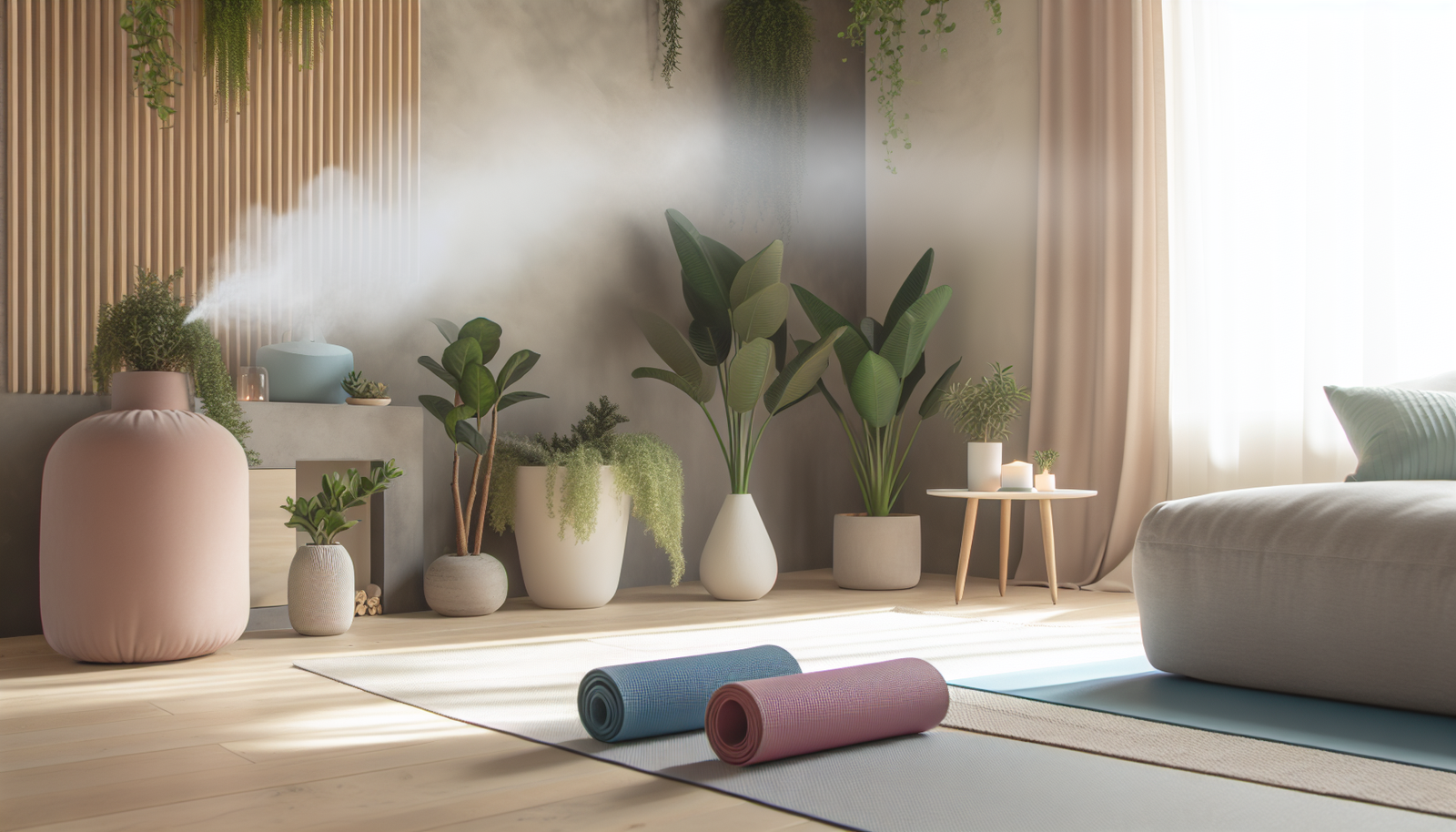
Create zen corners with carefully selected calming plants and natural decor to foster mindfulness and relaxation.
Actionable Step
- Experiment by adding one new plant-based element to each high-stress zone (work, living room, bedroom).
- Try a weekend community gardening activity or join a local plant care group for social connection.
Case Studies & Expert Opinions: Real Impact of Plants on Mental Health
Case Study: University Study on Plant Interaction and Anxiety
At the University of Technology Sydney, a controlled study showed that university students who cared for plants over four weeks experienced a 15% reduction in state anxiety and a 12% increase in reported well-being compared to a control group.
Expert Insight from Dr. Rachel Kaplan, Environmental Psychologist
“Plants introduce a natural stimulus that resets overstimulated minds. Their presence encourages calm, reduces sensory overload, and reconnects individuals to nature — vital for mental restoration.”
Practical Lessons
- Consistency matters: daily short interaction with plants enhances mental improvements.
- Personal connection builds deeper psychological benefits than merely having plants present.
FAQ Section: Using Plants to Improve Mental Health
How many plants do I need to see mental health benefits?
Even one or two well-cared-for plants can reduce anxiety and improve mood. However, increasing variety and interaction improves overall effects.
Can plants help with clinical depression or anxiety disorders?
While plants support mental well-being, they aren’t substitutes for professional treatment. Use them as complementary tools alongside therapy or medication.
Which plants are easiest for beginners to care for?
Snake plants, pothos, and spider plants require minimal water and light, making them perfect for novice plant owners.
Do outdoor plants offer the same mental health benefits?
Yes. Gardening and spending time around outdoor greenery have strong positive impacts on stress reduction and mood elevation.
Can plants improve sleep quality?
Certain plants like lavender and snake plants improve air quality and emit calming scents that can contribute to better sleep patterns.
How should I integrate plants if I have limited space?
Try vertical gardens, hanging planters, or small container plants that fit shelves or window sills. Even desk plants count.
Conclusion & Next Steps
Using plants to improve mental health offers a natural, accessible path to reducing stress and enhancing mood. From selecting the right greenery to embracing daily care rituals, plants act as subtle therapists in our environments. Science confirms their calming effects, while countless individuals report deeper feelings of well-being simply by adding nature’s touch to their lives.
Ready to start? Pick your first mental health plant, set up a care schedule, and notice your mental landscape transform. For more strategies to optimize your well-being, explore our stress reduction techniques and mindfulness practices.
Content Disclaimer
The information provided in this article is for educational purposes only and does not constitute medical advice. Consult a licensed healthcare provider for any mental health concerns or treatment.