

Ever walked into a room and felt instantly drawn to a specific piece of art? Like, it just grabs your attention? That’s the kind of impact we’re talking about today: wall art that doesn’t just sit there but actually commands attention. It’s not just decoration; it’s a statement, a conversation starter, and a reflection of your unique style. So, how do you make it happen? Let’s explore!
Why Bother with Attention-Grabbing Wall Art?
Think about it – your walls are basically blank canvases just waiting for something interesting! It’s not just about filling space; it’s about injecting personality and energy. Choosing the right kind of wall art can totally transform the vibe of a room. Beyond aesthetics, wall art can evoke emotions, spark creativity, and even boost your mood. Who wouldn’t want that?
You see spaces designed by top-tier interior designers, and they all have that ‘wow’ factor. Well, guess what? A huge part of that is often strategically chosen, attention-grabbing art. But, before you even think about what to buy, consider what your space is already saying. Is it bright and airy, or more cozy and intimate? What colors dominate the room? Understanding your space allows you to complement and enhance the existing atmosphere, rather than clash with it.
Figuring Out Your Style: What Speaks to You?
Okay, let’s get personal for a second: what are you into? Are you drawn to bold abstract paintings, stunning photography, or maybe something totally unexpected? What resonates with you on an emotional level? Figuring this out is crucial ’cause you want your art to say something about you.
You know what? Finding your style isn’t always easy. So many options and directions… It’s like trying to pick a favorite song – where do you even begin? Start by exploring different styles and genres. Visit galleries, browse online art platforms, and flip through design magazines. Pay attention to what catches your eye and makes you feel something. Maybe you consistently find yourself drawn to vibrant color palettes, or perhaps you’re more of a minimalist with a penchant for black and white photography.
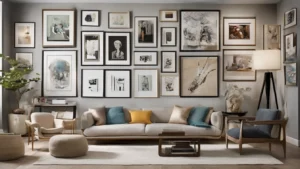
And don’t be afraid to mix and match! A curated gallery wall with diverse pieces can be just as impactful as a single, large statement piece. The key? Cohesion. Find a common thread that ties everything together, whether it’s a color scheme, a theme, or a similar aesthetic. It’s your space, your story so let’s start telling it!
Size Matters: How Big Should You Go?
Alright, picture this: Tiny postage stamp art on a huge wall? Not the best look, right? Scale is critical! You wanna find that balance so the art complements the space without getting lost or feeling overwhelming. Here’s a handy tip: for larger walls, consider a single, oversized piece or a gallery wall arrangement. For smaller spaces, a few carefully chosen smaller pieces can work wonders.
Here’s the thing about measuring – don’t just eyeball it! Grab a measuring tape (you know you have one somewhere), and get the exact dimensions of your wall. Then, use painter’s tape to map out the size and placement of the artwork. This helps you visualize how the piece will look in the space and avoid any costly mistakes. Remember, there’s no shame in rearranging things a few times until you get it just right.
Color Psychology: Setting the Mood with Hues
Colors have power, don’t they? They can make you feel happy, calm, energetic – even hungry! When choosing wall art, think about the mood you want to create in the room. A splash of bold red can energize a living room, while soothing blues and greens can create a relaxing bedroom retreat.
Let me explain. Red is typically associated with energy, passion, and excitement. Think bold, dramatic statements. Blue, on the other hand, is often linked to tranquility, peace, and serenity. Greens evoke nature, growth, and harmony. Yellows are cheerful, optimistic, and uplifting. And neutrals? Well, those are all about sophistication and calm. Seriously, give it a try! Spend some time researching color psychology; it’s truly fascinating.
Texture and Dimension: Adding Tactile Appeal
Who says wall art has to be flat? Playing with texture and dimension can add a whole new layer of interest. Think canvases with thick impasto paint, sculptural wall hangings, or even mixed media pieces with found objects. Texture invites you to reach out and touch, creating a more engaging and interactive experience.
Honestly, you’d be surprised by what you can use to add texture these days. We’re not just talking about paint here. Consider woven tapestries, macramé wall hangings, or even metal sculptures. And don’t underestimate the impact of framing. A chunky, rustic wood frame can add a ton of character to a simple print, while a sleek, modern metal frame can elevate a contemporary piece.
Lighting Matters: Showcasing Your Art in the Best Light
You could have the most amazing piece of art in the world, but if it’s poorly lit, it’s gonna fall flat. Proper lighting is key to showcasing your wall art and making it shine (literally!). Consider installing spotlights or track lighting to highlight specific pieces. Natural light is great, of course, but you need a backup plan for those gloomy days or evening hours.
Here’s the thing. Different types of lighting have different effects. Warm lighting (think incandescent bulbs) can create a cozy, inviting atmosphere, while cool lighting (like LED bulbs) can enhance colors and details. You know what else is cool? Dimmable lights! You can adjust the brightness to suit the mood and time of day. Play around with different options until you find what works best for your space and your art.
Spotlights:
- Adjustable to focus on a specific area
- Great for highlighting textures and details
Track Lighting:
- Flexible and versatile
- Allows you to illuminate multiple pieces of art
Picture Lights:
- Mounted directly above the artwork
- Provides focused, even illumination
Thinking Outside the Frame: Alternative Wall Art Ideas
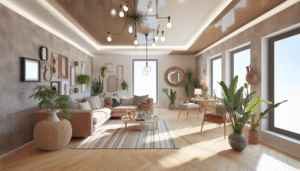
Alright, let’s get creative and think outside the box for a second– or outside the frame, I suppose. Wall art doesn’t have to be limited to paintings and prints. Get inventive with tapestries, mirrors, sculptural installations, or even plants!
Have you seen those living walls? They’re a total showstopper! Imagine a wall covered in lush greenery – it’s like bringing the outdoors in! Or how about a collection of vintage maps or antique plates? The possibilities are endless. The perfect alternative can really set your room off!
Here are some alternative ideas:
- Mirrors
- Tapestries
- Plants
- Sculptural Installations
Creating a Gallery Wall That Wows
Gallery walls are a popular and eye-catching way to showcase your personality through art. But done wrong, can be a chaotic, mismatched mess without the wow factor. So how do you set them up for maximum impact?
Planning is key! Before you start hammering nails, lay out your arrangement on the floor. Play around with different combinations and spacing until you find a layout you love. Consider a mix of sizes, shapes, and frame styles for added interest. And don’t be afraid to break the rules and add unexpected elements like decorative objects or personal mementos.
Some advice to consider:
- Start with a focal point
- Keep spacing consistent
- Vary sizes, shapes, and frames
Budget-Friendly Options: Getting the Look Without Breaking the Bank
You don’t need to spend a fortune to have amazing wall art. There are tons of affordable options available, from thrift store finds to DIY projects. The only limit is your imagination!
Printable art is a great option, as it allows you loads creative control without the traditional price tag. Or, If you’re even a little crafty, try your hand at creating your own artwork! There are tons of online tutorials and inspiration to get you started. And don’t forget about framing – a well-chosen frame can instantly elevate a budget-friendly print.
- DIY!
- Thrift stores
- Printable art
Wall Art That Demands Attention: Final Thoughts
Wall art is so much more than just decoration, it’s a way to express yourself, enhance your space, and create a home that truly reflects your personality. So go ahead, get creative, and let your walls tell your story!
Honestly? Picking out your wall art should be fun. Do what looks good, and feels good. Don’t stress it too much, there are no real mistakes. A new piece might be just what your space needs to really become your own! It’s not just about filling space; it’s about making a statement and creating a space that you truly love. Go for it, and have fun with it!
Frequently Asked Questions (FAQ)
DISCLAIMER
This article provides general information about selecting and displaying wall art. Always consider the specific conditions of your space and the weight and size of your artwork when making decisions about hanging hardware. If you’re unsure about any aspect of the process, consult a professional.
// JavaScript to handle FAQ accordion functionality
document.addEventListener(‘DOMContentLoaded’, function() {
const faqQuestions = document.querySelectorAll(‘.faq-question’);
faqQuestions.forEach(question => {
question.addEventListener(‘click’, function() {
const answer = this.nextElementSibling;
if (answer.classList.contains(‘active’)) {
answer.classList.remove(‘active’);
} else {
// Close all other answers before opening the current one
document.querySelectorAll(‘.faq-answer.active’).forEach(activeAnswer => {
activeAnswer.classList.remove(‘active’);
});
answer.classList.add(‘active’);
}
});
});
});
Categories
- Accent Walls & Ceilings (84)
- Art Curation & Gallery (83)
- Bedding Style Trends (89)
- Bedroom Makeover (96)
- Bohemian & Eclectic Styles (80)
- DIY & Budget-Friendly Decor (78)
- Eco-Friendly Design (83)
- Furniture Care (87)
- Home Decor & Design Ideas (181)
- Home Wellness Spaces (103)
- Integrated Outdoor Living (91)
- Japandi Style (84)
- Kids and Nursery Decor (73)
- Living Room Decor (99)
- Mix & Match Techniques (95)
- Modern & Contemporary Design (88)
- Rug Sizing & Placement (89)
- Scandinavian Design Inspiration (51)
- Seasonal Home Decor (100)
- Small Space Solutions (93)
- Wall Art & Painting Tips (94)
Recent Comments
Archives
Product Gallery
-
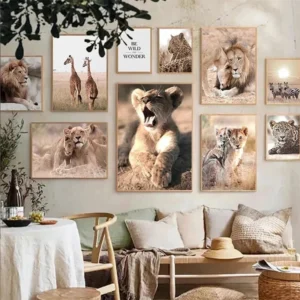 Majestic African Wildlife Canvas Art for Stylish Home Decor
Rated 5.00 out of 5
Majestic African Wildlife Canvas Art for Stylish Home Decor
Rated 5.00 out of 5 -
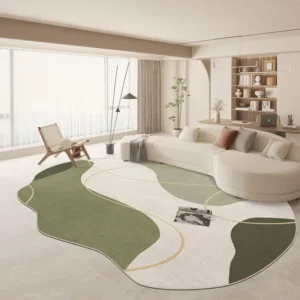 Cozy Irregular Green Plush Rug for Nordic Living Spaces
Rated 5.00 out of 5$51.32 – $323.66Price range: $51.32 through $323.66
Cozy Irregular Green Plush Rug for Nordic Living Spaces
Rated 5.00 out of 5$51.32 – $323.66Price range: $51.32 through $323.66 -
 Scandinavian Geometric Area Rugs for Stylish Home Décor
Rated 5.00 out of 5$36.85 – $558.40Price range: $36.85 through $558.40
Scandinavian Geometric Area Rugs for Stylish Home Décor
Rated 5.00 out of 5$36.85 – $558.40Price range: $36.85 through $558.40