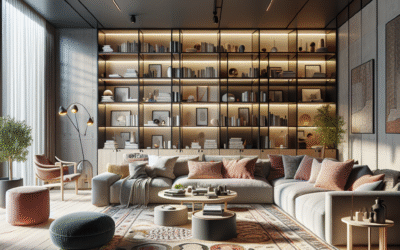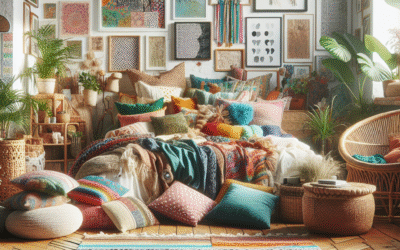
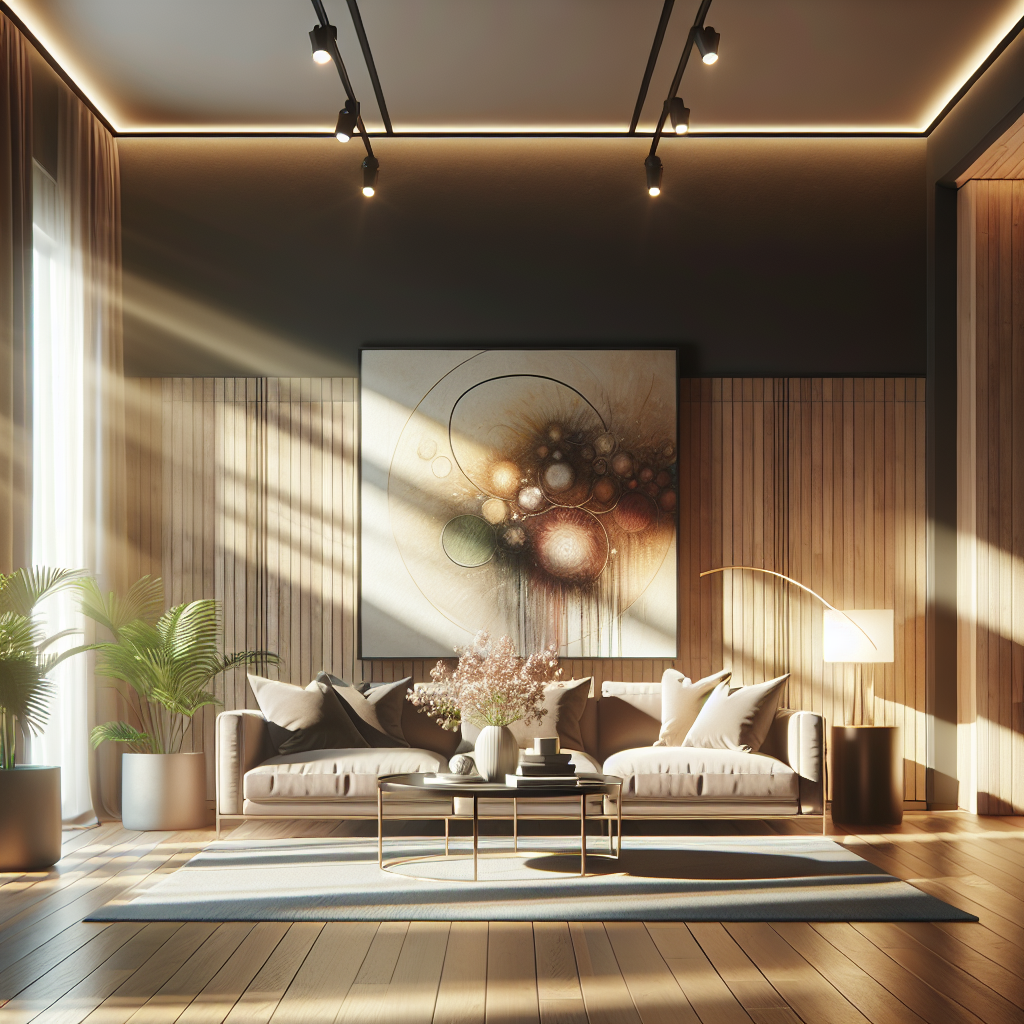

Your living room feels incomplete, but you can’t pinpoint why. The furniture’s positioned perfectly, the lighting’s warm and inviting, yet something’s missing. Then it hits you – those blank walls are desperately crying out for attention. Wall art isn’t just decoration hanging on your walls; it’s the star of your room’s show, the element that transforms a house into a home and a space into a story.
Consider this: interior designers consistently rank artwork as the number one factor that makes a room feel finished and personalized. Yet most homeowners treat wall art as an afterthought, grabbing whatever’s on sale or leaving walls bare indefinitely. This approach misses the transformative power of thoughtfully chosen pieces.
In this comprehensive guide, you’ll discover how to select wall art that doesn’t just fill empty spaces but commands attention, reflects your personality, and elevates your entire room’s aesthetic. We’ll explore everything from understanding different art styles and sizing principles to mastering placement techniques and creating cohesive gallery walls that wow guests. By the end, you’ll have the confidence to make wall art truly shine as the star of your room’s show.
Understanding Why Wall Art Takes Center Stage
Great wall art possesses an almost magnetic quality – it draws the eye, anchors the space, and sets the entire room’s mood. But what exactly makes certain pieces stand out while others fade into the background?
The Psychology Behind Impactful Wall Art
Neuroscientist Dr. Susan Greenfield’s research reveals that our brains process visual art within 13 milliseconds, faster than we consciously recognize. This split-second reaction influences our entire perception of a space. When wall art serves as the star of your room’s show, it creates what designers call a “focal point hierarchy” – a visual roadway that guides attention through the space purposefully.
Successful focal points share three characteristics:
- Visual Weight: The piece commands attention through size, color, or contrast
- Emotional Resonance: It evokes feelings that align with the room’s intended atmosphere
- Compositional Balance: It harmonizes with rather than competes against other room elements
Think about the last time you walked into a beautifully designed hotel lobby or restaurant. Chances are, a striking piece of wall art immediately caught your attention and influenced your impression of the entire space.
The Science of Color and Mood
Color psychology plays a crucial role in making wall art the star performer. Research from the Institute for Color Research indicates that people make subconscious judgments about environments within 90 seconds, with 62-90% of that assessment based on color alone.
Different colors trigger specific emotional responses:
- Blue tones: Promote calm and focus, ideal for bedrooms and home offices
- Warm reds and oranges: Stimulate conversation and appetite, perfect for dining areas
- Green hues: Create balance and freshness, suitable for any room
- Neutral palettes: Provide sophisticated backdrops that highlight other design elements
Choosing the Right Size to Command Attention
Size dramatically impacts whether your wall art becomes the star of your room’s show or gets lost in the background. Many homeowners make the critical mistake of choosing pieces that are too small, creating what designers call “postage stamp syndrome.”
The Two-Thirds Rule
Professional interior designers follow the two-thirds rule: artwork should cover approximately two-thirds the width of the furniture piece below it. For a standard sofa measuring 84 inches, your wall art should span roughly 56 inches. This proportion ensures the art feels substantial enough to anchor the space visually.
Here’s how this translates to different furniture pieces:
- Above a king-size bed: 48-60 inches wide
- Over a dining table: Half to two-thirds the table’s width
- In entryways: 24-36 inches wide for standard hallway widths
- Large empty walls: Consider pieces 60+ inches or gallery wall arrangements
Creating Impact with Oversized Pieces
Sometimes, breaking conventional rules creates the most stunning results. Oversized art – pieces that span 90% or more of available wall space – can transform your wall art into an undeniable star. This approach works exceptionally well in:
- Minimalist spaces where the art provides the primary visual interest
- Rooms with high ceilings that need grounding elements
- Open floor plans requiring distinct zone definition
Celebrity interior designer Kelly Hoppen frequently uses this technique, selecting massive canvases that essentially become architectural elements rather than mere decorations.
Mastering Placement for Maximum Visual Impact
Even the most beautiful artwork fails to become the star of your room’s show if it’s poorly positioned. Proper placement involves more than just centering a piece on the wall – it requires understanding sight lines, room flow, and human psychology.
The 57-Inch Standard
Museums worldwide hang artwork with center points at 57 inches from the floor – the average human eye level. This standard ensures optimal viewing comfort and should be your baseline for most pieces. However, context matters:
- Above furniture: Leave 6-8 inches between furniture top and artwork bottom
- In hallways: Stick closer to the 57-inch center rule
- Dining rooms: Account for seated eye level, typically 2-3 inches lower
- Bedrooms: Consider viewing angles from the bed when positioning
Creating Conversation Areas
Strategic placement makes wall art the star by directing traffic flow and creating intimate conversation zones. Position your most impactful pieces where people naturally pause or gather:
- Opposite the main entrance for immediate visual impact
- Behind seating areas to create cozy backdrops
- At the end of long hallways to draw people forward
- Adjacent to fireplaces or other natural gathering spots
Gallery Walls: Orchestrating Multiple Stars
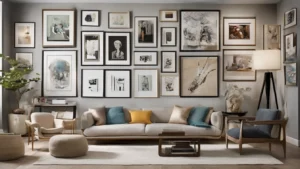
When executed properly, gallery walls transform multiple pieces into a cohesive ensemble cast, with wall art collectively becoming the star of your room’s show. The key lies in thoughtful curation and strategic arrangement.
Planning Your Gallery Layout
Before hammering a single nail, plan your gallery wall layout on paper or using digital tools. Cut paper templates matching your frame sizes and tape them to the wall, allowing you to experiment without creating holes.
Successful gallery walls follow these principles:
- Unifying element: Consistent framing, color palette, or thematic connection
- Varied scale: Mix sizes to create visual rhythm
- Balanced weight: Distribute visual heaviness evenly across the arrangement
- Breathing room: Maintain 2-5 inches between frames
Gallery Wall Styles That Steal the Show
Salon Style: Dense arrangements covering most available wall space, perfect for dramatic impact in dining rooms or home libraries.
Grid Formation: Uniform spacing and alignment creates clean, modern appeal ideal for contemporary spaces.
Organic Clustering: Asymmetrical arrangements that feel naturally evolved, excellent for casual family rooms.
Linear Design: Horizontal arrangements that emphasize width and work beautifully above long furniture pieces.
Selecting Art Styles That Define Your Space
The art style you choose dramatically influences whether your wall art becomes the star of your room’s show or merely background noise. Understanding different categories helps you select pieces that align with your space’s personality and your personal aesthetic.
Abstract Art for Modern Sophistication
Abstract pieces excel at becoming room stars because they invite interpretation and create emotional responses without depicting recognizable subjects. These works pair excellently with contemporary furniture and clean architectural lines.
Abstract art works particularly well when:
- Your room features neutral colors that allow the art’s palette to pop
- You want flexibility to rearrange furniture without worrying about thematic conflicts
- The space serves multiple functions and needs adaptable visual interest
Photography for Personal Connection
Large-scale photography, whether black and white landscapes or vibrant street scenes, creates immediate emotional connections. Photography becomes the star when it captures moments or places that resonate with your experiences.
Consider these photography approaches:
- Oversized black and white prints: Timeless elegance that complements any color scheme
- Nature photography: Brings outdoor serenity indoors, perfect for urban environments
- Architectural photography: Emphasizes geometric forms and creates sophisticated focal points
Mixed Media and Textural Works
Three-dimensional pieces and mixed media artworks naturally command attention through their tactile qualities. These works become room stars by engaging multiple senses and creating dynamic shadow play as lighting changes throughout the day.
Lighting Your Star Performers
Even the most magnificent artwork fails to become the star of your room’s show without proper lighting. Strategic illumination transforms good pieces into showstoppers and ensures your investment gets the attention it deserves.
Picture Lighting Fundamentals
Professional galleries use specific lighting techniques that you can adapt for residential spaces:
- Track lighting: Adjustable spotlights that highlight multiple pieces
- Picture lights: Mounted directly above frames for focused illumination
- Recessed spots: Clean, architectural lighting that doesn’t compete with artwork
- Floor uplights: Dramatic lighting from below for sculptural pieces
Natural Light Considerations
While natural light beautifully illuminates artwork during daytime hours, it requires careful management to prevent damage and ensure consistent visibility:
- Use UV-filtering glass for valuable pieces in sunny locations
- Position artwork perpendicular to windows to minimize glare
- Install adjustable window treatments for light control
- Consider how seasonal light changes affect your art’s appearance
Framing and Presentation Excellence
The frame you choose can either elevate your artwork to star status or diminish its impact significantly. Professional framing isn’t just about protection – it’s about creating a presentation that commands respect and attention.
Frame Selection Strategies
Your frame choice should enhance rather than compete with the artwork:
- Modern pieces: Clean, minimal frames or even frameless floating mounts
- Traditional art: Ornate frames that complement the piece’s historical context
- Photography: Simple frames that don’t distract from the image
- Mixed collections: Consistent framing creates unity across diverse pieces
Matting for Impact
Proper matting creates breathing space around artwork and can dramatically increase its visual presence:
- Wide mats: Make small pieces appear more substantial
- Colored mats: Can echo room colors or artwork details
- Double matting: Creates sophisticated layered effects
- Float mounting: Shows the artwork’s entire edge for contemporary appeal
Budget-Friendly Ways to Create Star Quality Art
Making wall art the star of your room’s show doesn’t require spending thousands on original pieces. Smart strategies can help you achieve high-impact results while maintaining reasonable budgets.
High-Quality Prints and Reproductions
Modern printing technology creates museum-quality reproductions that rival originals in visual impact:
- Giclée prints: Archival quality prints on canvas or fine paper
- Metal prints: Contemporary mounting that creates vibrant, glossy finishes
- Acrylic mounting: Gives photographs depth and modern sophistication
DIY Art Projects That Impress
Creating your own large-scale art allows complete customization while saving significant money:
- Abstract paintings: Large canvases with bold color blocks or gestural marks
- Photography enlargements: Your own travel photos printed oversized
- Textile art: Framed vintage fabrics or tapestries create textural interest
- Botanical prints: Pressed flowers or leaves in sleek frames
Room-Specific Strategies for Maximum Impact
Different rooms require unique approaches to make wall art the star of your room’s show. Understanding each space’s function and flow ensures your art choices enhance rather than interfere with daily activities.
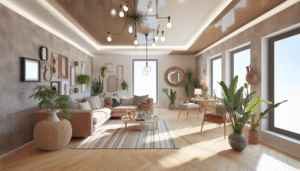
Living Room Statements
Living rooms offer the most opportunities for dramatic wall art statements since they typically feature the largest wall spaces and serve as primary gathering areas:
- Position major pieces opposite the main entrance for immediate impact
- Consider the view from all seating positions when selecting placement
- Use art to define conversation areas in open floor plans
- Balance television screens with equally compelling art on opposite walls
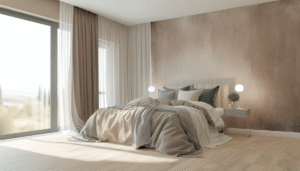
Bedroom Serenity
Bedroom wall art should promote relaxation while reflecting personal style:
- Choose calming colors and peaceful subjects for restful environments
- Position art where it’s visible from the bed without being overwhelming
- Consider diptychs or triptychs for above king-size beds
- Use bedside lighting to create intimate evening ambiance
Dining Room Drama
Dining rooms tolerate more dramatic, conversation-starting artwork since meals provide natural break times from visual intensity:
- Bold colors and dynamic compositions work well in dining spaces
- Consider how art appears in candlelight for evening dinner parties
- Food-related themes can enhance the dining experience
- Ensure pieces are positioned for comfortable viewing while seated
Maintenance and Care for Lasting Impact
Protecting your investment ensures your wall art continues serving as the star of your room’s show for years to come. Proper maintenance preserves both aesthetic appeal and monetary value.
Cleaning and Dusting
Different artworks require specific cleaning approaches:
- Framed pieces: Dust frames weekly with soft cloths, clean glass monthly
- Canvas paintings: Use soft brushes to remove dust, avoid cleaning products
- Metal and acrylic pieces: Clean with appropriate materials for the specific surface
- Professional cleaning: Schedule annually for valuable pieces
Environmental Protection
Controlling environmental factors prevents damage and maintains artwork’s visual impact:
- Maintain consistent humidity levels between 45-55%
- Keep temperatures stable, avoiding extreme fluctuations
- Protect from direct sunlight with UV-filtering window treatments
- Ensure adequate air circulation to prevent moisture buildup
Frequently Asked Questions
How do I know if my wall art is the right size for my space?
Use the two-thirds rule as a starting point: artwork should cover approximately two-thirds the width of furniture below it. For standalone walls, pieces should feel substantial enough to anchor the space without overwhelming it. When in doubt, err on the side of slightly larger rather than too small.
Can I mix different art styles in the same room?
Absolutely! Mixing styles creates visual interest and personality. The key is finding a unifying element such as a consistent color palette, similar framing, or complementary themes. Start with one dominant style and add accents from others to maintain cohesion.
What’s the best height to hang wall art?
The standard is 57 inches from floor to center of artwork, which corresponds to average eye level. However, adjust this rule based on context: leave 6-8 inches between furniture and art, and consider the primary viewing position in each room.
How much should I spend on wall art for my home?
Budget 5-15% of your room’s total decorating budget on wall art. This ensures adequate investment in impactful pieces without overwhelming other design elements. Remember that high-quality prints and strategic DIY projects can achieve expensive looks for less.
Should wall art match my furniture and decor exactly?
No, exact matching often creates flat, uninteresting spaces. Instead, aim for harmony through complementary colors, similar styles, or shared themes. The best wall art enhances your decor while adding its own personality and visual interest.
How do I create a gallery wall without making mistakes?
Plan your layout first using paper templates taped to the wall. This allows experimentation without creating holes. Start with your largest piece as an anchor, then build around it. Maintain 2-5 inches between frames and ensure the overall arrangement feels balanced.
What lighting works best for highlighting wall art?
Use adjustable track lighting or picture lights for focused illumination. Position lights at 30-degree angles to minimize glare and shadows. LED bulbs offer energy efficiency and don’t emit heat that could damage artwork over time.
Can I use wall art to make small rooms appear larger?
Yes, strategically chosen wall art can enhance spatial perception. Light colors and horizontal compositions can make rooms feel wider, while oversized pieces can create dramatic focal points that draw attention away from size limitations. Mirrors as wall art also reflect light and create depth.
Conclusion: Your Wall Art Success Story
Transforming your space with wall art that truly serves as the star of your room’s show requires thoughtful planning, but the results justify every effort invested. By understanding scale, mastering placement, selecting appropriate styles, and providing proper lighting, you create environments that reflect your personality while impressing everyone who enters.
Remember that great wall art isn’t about following rules rigidly – it’s about understanding principles well enough to break them confidently when creativity calls. Start with one impactful piece that speaks to you, then build your collection gradually. Each addition should contribute to your room’s overall story while maintaining its own distinct voice.
The most successful installations happen when homeowners trust their instincts while applying design fundamentals. Your wall art should make you smile every time you see it, create talking points for guests, and anchor your space with personality and style.
Whether you’re starting with a single statement piece or planning an elaborate gallery wall, approach the process as an adventure in self-expression. The walls of your home are blank canvases waiting for your vision – make them sing with artwork that earns standing ovations from everyone who experiences your space.
—
####
Content Disclaimer
The information provided in this article is for educational and inspirational purposes only. Interior design preferences are subjective, and what works in one space may not suit another. Always consider your specific room dimensions, lighting conditions, and personal style when making art selection and placement decisions. For valuable artwork, consult professional framers and conservation specialists. Results and aesthetic preferences may vary based on individual circumstances and tastes.
Categories
- Accent Walls & Ceilings (84)
- Art Curation & Gallery (83)
- Bedding Style Trends (89)
- Bedroom Makeover (96)
- Bohemian & Eclectic Styles (80)
- DIY & Budget-Friendly Decor (78)
- Eco-Friendly Design (83)
- Furniture Care (87)
- Home Decor & Design Ideas (181)
- Home Wellness Spaces (103)
- Integrated Outdoor Living (91)
- Japandi Style (84)
- Kids and Nursery Decor (73)
- Living Room Decor (99)
- Mix & Match Techniques (95)
- Modern & Contemporary Design (88)
- Rug Sizing & Placement (89)
- Scandinavian Design Inspiration (51)
- Seasonal Home Decor (100)
- Small Space Solutions (93)
- Wall Art & Painting Tips (94)
Recent Comments
Archives
Product Gallery
-
 Majestic African Wildlife Canvas Art for Stylish Home Decor
Rated 5.00 out of 5
Majestic African Wildlife Canvas Art for Stylish Home Decor
Rated 5.00 out of 5 -
 Cozy Irregular Green Plush Rug for Nordic Living Spaces
Rated 5.00 out of 5$44.89 – $283.06Price range: $44.89 through $283.06
Cozy Irregular Green Plush Rug for Nordic Living Spaces
Rated 5.00 out of 5$44.89 – $283.06Price range: $44.89 through $283.06 -
 Scandinavian Geometric Area Rugs for Stylish Home Décor
Rated 5.00 out of 5$32.24 – $488.38Price range: $32.24 through $488.38
Scandinavian Geometric Area Rugs for Stylish Home Décor
Rated 5.00 out of 5$32.24 – $488.38Price range: $32.24 through $488.38