


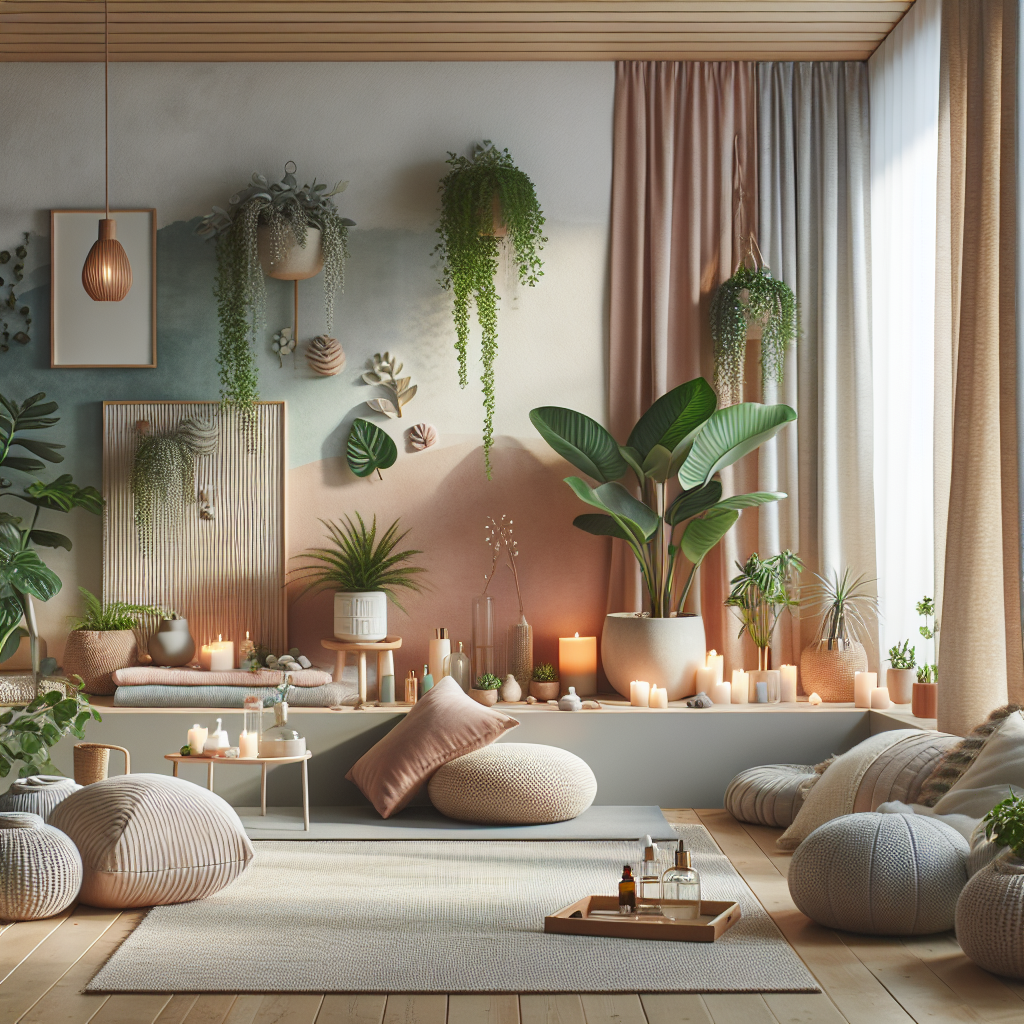

Opening Section
A New Era of Home Wellness
In today’s fast-paced world, prioritizing health and wellness is more critical than ever. Yet, many of us struggle to create environments that support our well-being. This is where wellness technology comes into play. Integrating wellness technology in homes can transform your living space into a sanctuary that promotes physical health, mental clarity, and emotional balance.
Imagine waking up to a gentle sunrise simulation, receiving reminders to hydrate, and unwinding in an environment optimized for relaxation—all thanks to innovative wellness technology. In this article, you will learn how to seamlessly integrate wellness technology into your home, the benefits it offers, and practical tips for implementation.
Value Proposition and Roadmap
You will discover:
- The benefits of wellness technology in your home.
- Types of wellness technologies available.
- Steps to successfully integrate these technologies.
- Real-world examples of how these systems can enhance your quality of life.
Let’s embark on this journey to elevate your home into a wellness oasis.
The Benefits of Wellness Technology
Integrating wellness technology in homes can lead to significant enhancements in overall well-being. Let’s delve into the advantages:
1. Physical Health Improvement
Wearable Health Devices: Devices like smartwatches or fitness trackers can monitor heart rates, sleep patterns, and physical activity.
Smart Nutrition: Smart kitchen appliances can help manage your diet by suggesting recipes based on nutritional preferences or dietary restrictions.
2. Mental Clarity
Mindfulness Apps: By integrating meditation and breathing apps, you can cultivate mental clarity and reduce stress.
Ambient Sound Systems: These can create a peaceful atmosphere, reducing anxiety and promoting focus.
3. Enhanced Sleep Quality
Sleep Tracking Devices: Such devices can monitor sleep cycles and provide insights into how to improve your rest.
Smart Lighting: Systems that adjust lighting according to your sleep patterns can promote healthier sleep habits.
4. Emotional Well-Being
Home Automation: Technologies that adapt to your mood, providing a comforting environment can enhance emotional health.
Virtual Therapy: Access to online counseling and mental health resources contributes to emotional stability and resilience.
5. Sustainability
Many wellness technologies focus on improving energy efficiency, thus reducing your overall carbon footprint and promoting a more sustainable lifestyle.
How to Choose the Right Wellness Technology
Selecting appropriate wellness technologies requires you to consider various factors. Here are key steps to guide your decision-making process.
1. Assess Your Needs
Start with identifying your specific wellness goals—whether they focus on physical health, mental clarity, emotional balance, or sustainable living.
2. Research Available Technologies
Consider various types of technologies available, including:
- Wearable Devices: Fitness trackers, smartwatches, and health monitoring gadgets.
- Smart Home Systems: Thermostats, lighting, and air quality monitors.
3. Read Reviews and Testimonials
Look into user experiences and expert reviews to gauge the effectiveness of specific wellness products.
4. Evaluate Compatibility
Ensure any new technology you consider is compatible with your existing home systems like home automation or smart devices.
5. Consider Budget
Evaluate the cost versus the potential benefits, and consider long-term savings associated with energy-efficient technologies.
Types of Wellness Technology to Integrate
1. Air Quality Monitors
Polluted indoor air can negatively impact health and productivity. Devices that measure air quality can help filter common pollutants.
2. Smart Lighting
Utilize smart bulbs or lighting systems that adapt to natural light cycles, promoting better sleep and wellness.
3. Smart Thermostats
These systems adjust home temperature to enhance comfort and can even contribute to energy savings.
4. Water Quality Sensors
Maintaining hydration is vital for health. These systems monitor and alert you to water quality issues.
5. Wellness Apps
From fitness to meditation, mobile applications can support a range of wellness goals with tailored programs.
6. Virtual Reality for Relaxation
VR experiences can transport users to calming environments, facilitating relaxation and stress relief.
Real-World Examples
Case Study 1: The Sustainable Smart Home
A family in California integrated solar panels, smart thermostats, and air quality monitors into their home. They reported a 40% reduction in energy bills and improved indoor air quality, leading to fewer seasonal allergies.
Case Study 2: The Mindful Space
An individual transformed their apartment using ambient sound systems and smart lighting to create a calming environment. Their focus improved, and anxiety levels decreased significantly, showcasing the impact of technology on mental wellness.
Case Study 3: The Health Hub
By using wearable technology and smart kitchen devices, a couple could track their diet and physical activity, leading to a healthier lifestyle and significant weight loss.
Steps for Integration: Practical Implementation
Step 1: Set Clear Goals
Define what wellness means to you and what technologies will best suit those needs.
Step 2: Invest in Quality Products
Opt for high-quality technology that aligns with your health goals and is backed by user reviews.
Step 3: Install and Educate
Ensure proper installation of devices and educate your family on how to use them effectively.
Step 4: Regularly Assess and Adjust
Monitor the effectiveness of your integrated technologies, and make adjustments where necessary.
Future Trends in Home Wellness Technology
As wellness technology continues to evolve, the landscape will expand with innovations that aim for seamless integration. Upcoming trends include:
- AI and Machine Learning: More personalized wellness solutions based on data insights.
- Telemedicine Expansion: Increased access to healthcare through virtual consultations.
- Smart Furniture: Furniture designed to enhance productivity and comfort.
FAQ Section (Schema Optimized)
What is wellness technology?
Wellness technology refers to devices and systems designed to enhance health, well-being, and quality of life at home.
How can I integrate wellness technology into my home?
Identify your wellness goals, research available technologies, and choose products that align with your lifestyle.
What are some popular wellness technologies for homes?
Popular options include smart lighting, wearable health devices, air quality monitors, and apps that encourage mindfulness.
How does wellness technology promote better sleep?
Devices like smart lighting adjust according to sleep cycles, while sleep trackers provide insights into rest quality.
Can wellness technology help with mental health?
Yes, apps for mindfulness and ambient sound systems can significantly enhance emotional well-being.
Is wellness technology cost-effective?
While initial investments can vary, many wellness technologies lead to longer-term savings, particularly in energy efficiency.
What are energy-efficient technologies for homes?
Smart thermostats, energy-monitoring devices, and sustainable appliances help reduce energy usage and costs.
Are there any risks associated with wellness technology?
While generally safe, some individuals may be concerned about data privacy and dependence on technology for well-being.
Conclusion & Next Steps
Integrating wellness technology in homes can significantly enhance your quality of life by promoting physical health, mental clarity, and emotional balance. By identifying your specific needs and carefully selecting the right technologies, you can create a supportive environment that nurtures wellness.
Start your journey today! Explore various wellness technologies that resonate with you. If you found this article insightful, consider checking out our related content on smart home automation or mindfulness practices for even more ideas on enhancing your home environment.
Content Disclaimer
The information in this article is provided for educational purposes only and should not be considered medical advice. Consult healthcare professionals for health-related concerns. Product links may contain affiliate relationships.
Categories
- Accent Walls & Ceilings (84)
- Art Curation & Gallery (83)
- Bedding Style Trends (89)
- Bedroom Makeover (96)
- Bohemian & Eclectic Styles (80)
- DIY & Budget-Friendly Decor (78)
- Eco-Friendly Design (83)
- Furniture Care (87)
- Home Decor & Design Ideas (181)
- Home Wellness Spaces (103)
- Integrated Outdoor Living (91)
- Japandi Style (84)
- Kids and Nursery Decor (73)
- Living Room Decor (99)
- Mix & Match Techniques (95)
- Modern & Contemporary Design (88)
- Rug Sizing & Placement (89)
- Scandinavian Design Inspiration (51)
- Seasonal Home Decor (100)
- Small Space Solutions (93)
- Wall Art & Painting Tips (94)
Recent Comments
Archives
Product Gallery
-
 Majestic African Wildlife Canvas Art for Stylish Home Decor
Rated 5.00 out of 5
Majestic African Wildlife Canvas Art for Stylish Home Decor
Rated 5.00 out of 5 -
 Cozy Irregular Green Plush Rug for Nordic Living Spaces
Rated 5.00 out of 5$284.00 – $1,788.00Price range: $284.00 through $1,788.00
Cozy Irregular Green Plush Rug for Nordic Living Spaces
Rated 5.00 out of 5$284.00 – $1,788.00Price range: $284.00 through $1,788.00 -
 Scandinavian Geometric Area Rugs for Stylish Home Décor
Rated 5.00 out of 5$204.00 – $3,084.00Price range: $204.00 through $3,084.00
Scandinavian Geometric Area Rugs for Stylish Home Décor
Rated 5.00 out of 5$204.00 – $3,084.00Price range: $204.00 through $3,084.00