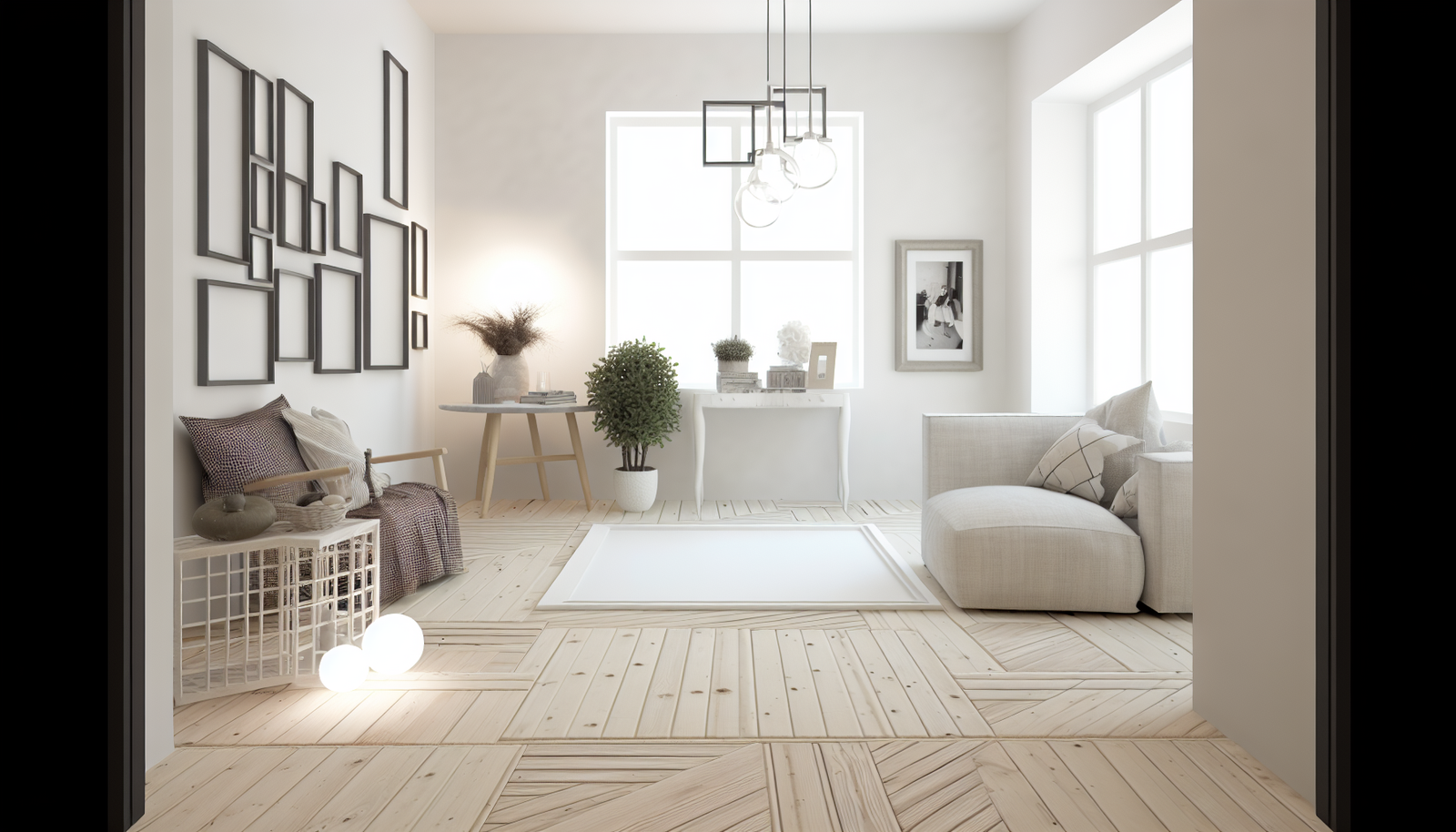

In a world of ever-shrinking living spaces, the dream of a comfortable, functional, and aesthetically pleasing home can often feel out of reach. Are you tired of tripping over clutter, feeling overwhelmed by limited square footage, or struggling to find a place for everything you own? You’re not alone. Many homeowners and renters face the challenge of making the most of their compact dwellings. But what if we told you that embracing a philosophy of simplicity could unlock the true potential of your small space? This isn’t just about clever storage; it’s about a fundamental shift in how you view your home and your possessions.
This comprehensive guide dives deep into effective small space solutions, focusing on the powerful concept of simplicity. We’ll explore actionable strategies to declutter, organize, and design your home, transforming it into a serene, efficient sanctuary, no matter its size. From innovative furniture choices to mindful living practices, prepare to discover how less truly can be more, leading to a home that feels expansive, inviting, and perfectly aligned with your lifestyle. Get ready to reclaim your space and your peace of mind.
Unlock Your Compact Home’s Potential: The Simplicity Mindset
Living in a small space doesn’t have to mean sacrificing comfort or style. In fact, it presents a unique opportunity to cultivate a more intentional, unburdened lifestyle. The core of effective small space living lies not in acquiring more things or building more shelves, but in adopting a simplicity mindset. This foundational shift helps you filter out the unnecessary, prioritize what truly enhances your life, and appreciate the beauty of a curated environment.
Defining Simplicity for Small Spaces
What does “simplicity” really mean in the context of a compact home? It’s more than just tidiness. Simplicity is about:
- Intentionality: Every item in your home serves a purpose or brings genuine joy. There’s no “just in case” clutter.
- Clarity: A clear physical space often leads to a clear mind. Reducing visual noise creates a calming atmosphere.
- Efficiency: Your home works for you, not against you. Functional layouts and accessible storage make daily routines smoother.
- Sustainability: Consuming less, reusing more, and appreciating what you have contributes to a more sustainable lifestyle.
- Freedom: Less stuff means less to clean, organize, and maintain, freeing up time and energy for what truly matters.
Embracing this mindset is the first, crucial step toward truly effective small space solutions. It’s about designing a life, not just a room.
The Hidden Benefits of Decluttering Your Small Space
Decluttering might seem like a daunting task, especially when space is limited. Yet, the benefits extend far beyond a tidy appearance. When you declutter, you’re not just organizing items; you’re also organizing your life and mind. Studies show that a cluttered home can increase stress levels and decrease focus. Conversely, a streamlined environment promotes a sense of calm and control.
- Reduced Stress: Less visual chaos means less cognitive load. You’ll feel calmer and more relaxed at home.
- Improved Focus: A tidy environment minimizes distractions, making it easier to concentrate on tasks or relax without interruptions.
- Easier Cleaning: With fewer items surface areas, cleaning becomes quicker and more efficient.
- Enhanced Aesthetics: Even the smallest room can look grander and more inviting when free of unnecessary items.
- Financial Savings: A minimalist approach often leads to more conscious spending, saving money in the long run.
- Better Air Quality: Less stuff means less dust accumulation, contributing to a healthier living environment.
Think of decluttering as an investment in your well-being. It’s the essential prerequisite for implementing any lasting small space solutions.
Mastering Strategic Decluttering: Your Foundation for Small Space Solutions
Before you even think about buying storage bins or modular furniture, the most effective small space solution is to dramatically reduce what you own. Strategic decluttering isn’t about deprivation; it’s about conscious curation. It’s about making space for what truly matters.
The “One In, One Out” Rule and Beyond
A classic, yet highly effective, decluttering strategy for small spaces is the “one in, one out” rule. This simple principle means that every time you bring a new item into your home, you must remove an old one of the same type. For example, if you buy a new shirt, an old one goes to donation. This immediately prevents accumulation.
Beyond this rule, consider these advanced techniques:
- The Four-Box Method: Label boxes “Keep,” “Donate,” “Trash,” and “Relocate.” Go through items quickly, assigning each one to a box. This prevents paralysis by analysis.
- The Upside Down Hanger Trick: Turn all your clothes hangers backward. When you wear an item, turn the hanger correctly. After six months or a year, donate everything still hanging backward—you don’t wear it.
- Digital Decluttering: Don’t forget your digital life impacts your mental space. Organize files, delete old emails, and unsubscribe from unnecessary newsletters.
- Seasonal Swaps: Instead of storing all clothing year-round, rotate seasonal items. This frees up prime closet space and ensures you only have what’s relevant readily available.
- Vertical Thinking: When decluttering, identify items that could be stored vertically rather than horizontally, like files or books. This minimizes footprint.
Remember, decluttering is an ongoing process, not a one-time event. Integrate these habits into your routine for sustained success in managing your small space.
Identifying and Eliminating “Space Wasters”
Every small home has its hidden culprits: items that consume disproportionate amounts of space relative to their utility or value. Identifying these “space wasters” is a critical step in strategic decluttering.
- Duplicate Items:
- Do you have three nearly identical mixing bowls, or five spatulas? Small spaces don’t have the luxury for redundancy. Keep the best, donate the rest.
- Sentimental Clutter:
- While important, a vast collection of memorabilia can quickly overwhelm a small area. Consider digitizing photos, creating a curated “memory box,” or displaying only a few select pieces at a time.
- “Just in Case” Items:
- Tools you use once a year, craft supplies for a project you might start, or bulk purchases that don’t fit – these items are prime candidates for re-evaluation. Rent or borrow rarely used tools, or re-think impulse buys.
- Unread Books/Magazines:
- While beloved, physical books can be immense space hogs. Consider donating read books, using a ereader, or utilizing your local library. Magazines can often be recycled after reading.
- Impulse Buys:
- Those “bargains” that don’t quite fit your aesthetic or serve a purpose often become clutter. Before buying something new, ask: Do I have a place for this? Do I truly need it?
A ruthless but honest assessment of these space wasters will free up significant room, creating a cleaner canvas for your small space solutions.
Intelligent Design for Small Spaces: Furniture and Layout Strategies
Once decluttered, the next step in maximizing your compact living area is intelligent design. This involves selecting multi-functional furniture and arranging your space in a way that enhances flow and openness.
Multifunctional Furniture: The Small Space Game-Changer
The single most impactful design strategy for small spaces is investing in furniture that serves more than one purpose. This is where clever engineering meets practical living, allowing you to get double or even triple the utility from a single item.
- Sofa Beds/Daybeds: A sofa that transforms into a bed is a classic for a reason, perfect for guest rooms or studio apartments. Daybeds offer a similar benefit, serving as both seating and sleeping.
- Storage Ottomans/Benches: These pieces provide extra seating, a convenient footrest, and discreet storage for blankets, books, or games.
- Coffee Tables with Storage: Instead of a flat surface, seek out coffee tables with drawers, lift-tops, or hidden compartments. Some even expand into dining tables!
- Nesting Tables: A set of tables that fit inside one another can be pulled out for extra surface area when needed, then neatly tucked away.
- Wall-Mounted Desks/Fold-Down Tables: Perfect for a small home office or dining nook, these tables can disappear when not in use, freeing up valuable floor space.
- Beds with Under-Storage: Platform beds with built-in drawers or lift-up frames provide massive storage potential for linens, off-season clothing, or bulky items.
- Bookshelves with Desks: Some modular shelving units feature pull-out desks or integrated workstations, combining storage and function.
When selecting multifunctional pieces, prioritize quality and ensure they genuinely fit your aesthetic. A well-chosen piece often becomes the cornerstone of your small space solutions.
Clever Layouts to Maximize Flow and Openness
The arrangement of your furniture significantly impacts the perceived size and functionality of any room, especially small ones. Strategic layouts can make a compact area feel much larger and more inviting.
- Define Zones: Even in a studio, use rugs, shelving, or strategic furniture placement to subtly define different activity zones (e.g., sleeping, living, dining, working). This creates a sense of order and purpose for each area.
- Keep Sightlines Clear: Avoid blocking windows or pathways with tall furniture. This allows light to travel further and helps the eye perceive the space as more open.
- Float Furniture: Instead of pushing all furniture against walls, try pulling pieces slightly away. This can surprisingly make a room feel more spacious and less squashed.
- Utilize Corners: Corners are often neglected. Consider corner shelving units, corner desks, or even a small accent chair to make use of these often-wasted spots.
- Scale Matters: Choose furniture proportionate to the room size. Oversized pieces will overwhelm a small space, while overly tiny ones might look lost. Aim for streamline, slender designs.
- Vertical Emphasis: Draw the eye upward with tall, slender bookcases, floor-to-ceiling curtains, or vertical wall art. This creates an illusion of height.
- Traffic Pathways: Ensure clear, unobstructed pathways between rooms and within a single room. Aim for at least 30-36 inches of clear walking space.
A well-thought-out layout is a cost-effective and immediate small space solution that enhances both aesthetics and practicality. Sketch out ideas before moving heavy items.
Storage & Organization Hacks: Every Inch Counts
Once you’ve decluttered and planned your layout, it’s time to implement smart storage and organization systems. For small spaces, this means thinking vertically, maximizing hidden areas, and choosing solutions that blend seamlessly into your decor.
Vertical Storage: Reaching for the Sky
When horizontal space is limited, the only way to go is up! Vertical storage is perhaps the most impactful small space solution for increasing capacity without occupying more floor area. This strategy transforms empty walls into functional assets.
- Floor-to-Ceiling Shelving: Install bookshelves or custom shelving units that extend all the way to the ceiling. This maximizes every possible inch.
- Wall-Mounted Solutions: Consider floating shelves, wall-mounted racks (for spices, toiletries, or tools), and pegboards. Pegboards are incredibly versatile for crafts, kitchenware, or even entryway organization.
- Over-the-Door Organizers: Utilize the often-forgotten back of doors for shoes, cleaning supplies, toiletries, or even pantry items. They come in various styles, from pockets to hooks.
- Ladder Shelves: These stylish units lean against a wall, offering multiple tiers for books, decor, or even plants, with a relatively small footprint.
- Hanging Organizers: In closets, use hanging shoe racks, multiple-tier hanging shelves, or garment bags to maximize vertical storage for clothes and accessories.
- Magnetic Strips: Install magnetic strips in kitchens for knives, or in bathrooms for small metal items like tweezers or hairpins.
Always secure wall-mounted shelves properly to prevent accidents. When utilizing vertical space, remember to store less frequently used items on higher shelves, reserving easily accessible spots for daily essentials.
Unlocking Hidden Storage Hotspots
Beyond obvious shelves and drawers, every small home has untapped storage potential. The savvy small space dweller learns to look for and utilize these hidden hotspots, transforming wasted areas into valuable storage real estate.
- Under the Bed:
- A prime location for storing off-season clothing, extra linens, or sentimental items. Use rolling storage bins, vacuum-sealed bags, or platform beds with built-in drawers. This is one of the most effective small space solutions for bedrooms.
- Behind Doors/Inside Cabinets:
- Add slim shelves inside pantry doors, command hooks for cleaning tools behind bathroom doors, or spice racks on the inside of kitchen cabinet doors.
- Above Cabinets/High Up:
- The space above kitchen cabinets, wardrobes, or even doorways can hold baskets or decorative boxes for rarely used items. Just ensure they are easily accessible with a step stool.
- Inside Furniture:
- As mentioned, storage ottomans, coffee tables with lifting tops, and beds with drawers are fantastic. Don’t forget hollow furniture bases or even unused fireplaces.
- Wall Cavities:
- For the more adventurous, recessed shelving or medicine cabinets can be installed within wall cavities, creating flush storage without encroaching on room space. Consult a professional for this.
- Stair Risers/Hallway Nooks:
- If you have stairs, consider converting risers into pull-out drawers. Unused hallway corners can house a slim console table with storage baskets underneath.
Thinking creatively about these overlooked areas can significantly increase your storage capacity, ensuring that every square inch contributes to your overall small space solutions strategy.
Illusion & Atmosphere: Making Your Small Space Feel Bigger and Brighter
Beyond practical storage and layout, creating the right atmosphere can profoundly impact how a small space is perceived. Strategic use of color, lighting, and reflective surfaces can make a room feel far more expansive and inviting than its actual dimensions.
Color Palettes that Expand Space
The colors you choose for your walls, furniture, and decor play a crucial role in shaping the perception of space. Certain palettes have a magical ability to make rooms feel larger and airier.
- Light and Neutral Tones: Whites, off-whites, pastels, and soft grays reflect light, making a room feel more open and brighter. These colors also provide a versatile backdrop, allowing your carefully chosen furniture and decor to stand out.
- Monochromatic Schemes: Using different shades of the same color creates a seamless look, preventing the eye from stopping at distinct color breaks, thereby making walls feel further away.
- Cool Colors: Blues and greens tend to recede, giving the illusion of depth. Use subtle cool tones, especially on walls that you want to appear further away.
- Avoiding Dark Contrasts: While a dark accent wall can be impactful, too many contrasting, dark colors can make a small room feel boxed in. If you must use dark colors, reserve them for smaller accents or furniture.
- Paint the Ceiling White: A white ceiling makes the room feel taller and more open, drawing the eye upwards.
- Wall-to-Wall Carpeting in Light Hues: A continuous floor covering, especially in a light color, eliminates visual breaks and makes the floor appear to extend further.
The right color palette is a powerful, yet often overlooked, component of successful small space solutions, establishing the very foundation of your spatial illusions.
Strategic Lighting & Reflective Surfaces
Light is a designer’s most potent tool for creating an expansive feel. When natural light is insufficient, intelligent artificial lighting and reflective surfaces can work wonders to brighten and enlarge a room.
- Maximize Natural Light:
- Use sheer or light-colored window treatments that allow light to filter through.
- Keep window sills clear of clutter.
- Consider installing larger windows if renovation is an option.
- Layered Lighting: Instead of a single overhead fixture, incorporate multiple light sources.
- Ambient Lighting: Recessed lights or flush-mount fixtures provide overall illumination.
- Task Lighting: Spotlights or desk lamps for specific activities.
- Accent Lighting: Uplights or picture lights to highlight decor and create depth.
This creates warmth and prevents dark corners that make a room feel smaller.
- Mirrors, Mirrors Everywhere:
- Place a large mirror opposite a window to reflect natural light and outdoor views, making the room feel twice as large.
- Lean a full-length mirror against a wall to add height and depth perception.
- Use mirrored furniture or accents to subtly bounce light around the room.
Glass and Acrylic Furniture: Transparent furniture like glass coffee tables or acrylic chairs visually disappears, preventing the room from feeling crowded. - Shiny Surfaces: Opt for materials with a slight sheen – polished metals, glossy paint, or lightly reflective tiles – to help reflect light and add brightness.
Combining these lighting and reflective strategies can dramatically open up even the most confined areas, proving that intelligent design is as crucial as intelligent storage in mastering small space solutions.
Mindful Living in a Small Home: Cultivating Simplicity Beyond Stuff
True small space solutions aren’t just about what you do with your furniture; they’re about how you live. Cultivating a mindful approach to consumption, routines, and your relationship with your belongings is the ultimate key to sustained comfort and joy in a compact home.
The Art of Conscious Consumption
Living simply and well in a small space requires a foundational shift in how you acquire new items. Conscious consumption is about asking deliberate questions before making a purchase, ensuring every new item is a value-add, not a future piece of clutter.
- The “Do I Need This?” Question: Before buying, pause and honestly assess if the item serves a genuine purpose or fills a true need. Avoid impulse buys driven by marketing or boredom.
- Long-Term Value Over Short-Term Trend: Opt for durable, high-quality items that will last, rather than cheap, disposable trends. Quality items often have better resale value too.
- Multi-Purpose Potential: Can the item do more than one thing? A serving platter that doubles as decor, or a blanket that is both warm and stylish.
- The “One In, One Out” Habit: As previously mentioned, make it a non-negotiable rule. This keeps your inventory balanced.
- Rent, Borrow, or Share: For rarely used items (e.g., specialized tools, party supplies), consider borrowing from friends, renting, or using community resources rather than buying.
- Experiences Over Things: Prioritize spending your money on experiences (travel, classes, concerts) rather than physical possessions. Experiences create memories, not clutter.
- Delayed Gratification: Put an item you want on a “wish list” for 30 days. If you still genuinely need and want it after that time, then consider buying.
By practicing conscious consumption, you not only keep your small space organized but also develop a healthier financial and environmental footprint. It’s a cornerstone of sustainable small space solutions.
Creating Routines for Sustained Organization
A beautifully organized small space doesn’t magically stay that way. It requires consistent effort and smart routines. Building daily and weekly habits ensures that clutter doesn’t accumulate, maintaining your home’s serenity and functionality.
Consider these simple, yet powerful, routines:
- The Daily Five-Minute Tidy: Before bed, or at the end of your workday, spend just five minutes putting things back where they belong. Put dirty dishes in the dishwasher, clear surfaces, tidy pillows, and put away clothes. This prevents small messes from snowballing.
- “A Place for Everything”: Ensure every item in your home has a designated spot. If it doesn’t, it’s either an item to be decluttered or you need to create a new home for it.
- Mail and Paper Management: Deal with mail immediately. Sort into “action,” “file,” or “recycle.” Avoid paper piles by having a dedicated incoming mail spot and a system for processing it weekly.
- Regular “Reset” Days: Set aside 15-30 minutes once a week for a deeper reset. This might involve wiping down kitchen counters, tidying drawers, or doing a quick closet scan.
- Donation Box: Keep a designated donation box or bag in an accessible area (e.g., closet, laundry room). As you come across items you no longer need, immediately place them in the box. When it’s full, drop it off.
- The “Landing Strip” Ritual: Designate a small area near your entrance (a tray, a hook, a small shelf) where you immediately put keys, wallet, phone, and mail upon entering. This prevents entryway clutter.
Consistency is key. These small, regular efforts are far more effective than infrequent, overwhelming decluttering marathons. They are fundamental to maintaining the integrity of your small space solutions.
Compare the impact of daily tidying versus sporadic major clean-ups:
| Daily 5-Min Tidy | Sporadic Major Clean-Up |
|---|---|
| Prevents clutter build-up | Overwhelming, burnout risk |
| Maintains calm environment | Periodic stress spikes |
| Builds good habits | Focuses on reaction, not prevention |
| Sustainable, low effort | High effort, hard to maintain |
| Always presentable | Only clean after the “crisis” |
Real-World Transformations: Small Space Solutions in Action
Theory is one thing, but seeing practical implementations brings small space solutions to life. Let’s look at examples of how these principles translate into tangible improvements in common small living areas.
Case Study: The Studio Apartment Makeover
Sarah, a graphic designer living in a 400 sq ft studio apartment, felt overwhelmed by clutter and a lack of defined living areas. Her goal was to create distinct zones for sleeping, working, and relaxing, all within a cohesive, minimalist aesthetic.
Initial Challenges:
- No clear separation between functions.
- Furniture too large and bulky for the space.
- Lack of proper storage for art supplies and clothes.
- Dark walls made the space feel even smaller.
Small Space Solutions Implemented:
- Decluttering First: Sarah ruthlessly decluttered her impulsive art supply purchases and outdated clothes, donating 3 large bags.
- Lighter Palette: Walls were painted a soft, cool gray (Benjamin Moore’s Gray Owl) and the ceiling bright white.
- Zoning with Rugs and Shelving: A large area rug defined the “living” area. A slim, open-back bookcase was placed behind the sofa, subtly separating the sleeping zone without blocking light.
- Multifunctional Furniture:
- A sofa that converted into a guest bed.
- A coffee table with a lifting top for dining or working.
- Her bed was swapped for a platform bed with four large under-bed storage drawers.
- Vertical Storage:
- Floating shelves above her desk held books and small decor.
- A pegboard organization system was installed for her art tools, freeing up desk surface.
- Smart Lighting: Added a tall, slender floor lamp with an uplight feature and small LED strip lights under the floating shelves for accent lighting. A large mirror was placed opposite the window.
Results: Sarah’s studio now feels much larger, more organized, and perfectly tailored to her lifestyle. She reported feeling less stressed and more productive in her home. The distinct zones created a sense of spaciousness and purpose, demonstrating the power of holistic small space solutions.
Kitchens & Bathrooms: Maximizing Small Utility Spaces
Kitchens and bathrooms, though often small, are high-traffic, high-utility areas that demand intelligent small space solutions. Every inch must be optimized for functionality.
Small Kitchen Strategies:
- Drawer Organizers: Keep cutlery, utensils, and small gadgets tidy.
- Vertical Pan/Lid Organizers: Store these bulky items upright in cabinets.
- Pull-Out Pantry Shelves: Access items at the back of deep cabinets easily.
- Magnetic Knife Strips: Frees up drawer space and keeps knives accessible.
- Stackable Food Containers: Maximize pantry or fridge space.
- Over-the-Sink Cutting Boards: Creates extra prep space.
- Rolling Carts/Islands: Provide extra prep and storage, can be moved when not needed.
- Undersink Organizers: Tiered or pull-out solutions for cleaning supplies.
Small Bathroom Strategies:
- Medicine Cabinet Inserts: Maximize small storage with dividers or pull-out shelves.
- Shower Caddies/Niches: Keep toiletries off the tub edge. Built-in niches are ideal.
- Over-the-Toilet Storage: Slim shelving units or cabinets that utilize vertical space.
- Wall-Mounted Sinks/Vanities: Frees up floor space, giving an airy feel.
- Recessed Shower Doors: Slide into the wall rather than swinging outwards.
- Towel Hooks vs. Bars: Multiple hooks take up less wall space than a long bar.
- Small Bins/Baskets: Keep small items organized within drawers or on open shelves.
These dedicated small space solutions for utility areas ensure that even the most compact rooms are efficient and clutter-free, making daily routines seamless.
Future-Proofing Your Small Space: Longevity and Adaptability
The best small space solutions aren’t just about immediate fixes; they’re about creating a home that can adapt to changing needs over time. Thinking about longevity and adaptability when designing your compact dwelling ensures it remains functional and enjoyable for years to come.
Modular and Scalable Systems
One of the smartest investments for a small home is in modular and scalable furniture or storage systems. These pieces are designed to be reconfigured, expanded, or even collapsed to suit different purposes or future living situations.
- Modular Shelving Units: Systems like IKEA’s Kallax or custom-built modular units can be arranged in various configurations, functioning as room dividers, bookcases, or even basic desks. You can add or remove sections as your needs change.
- Sectional Sofas: Some sectionals are designed so individual pieces can be rearranged, allowing you to create different seating configurations or even split into separate chairs, offering incredible flexibility.
- Expandable Dining Tables: Tables with extendable leaves can transform from a compact two-seater to a family-sized dining surface, perfect for entertaining.
- Folding or Collapsible Furniture: Stocking a few folding chairs or a collapsible serving cart means you can host more guests or have extra surface area, then store everything flat when not in use.
- Custom Built-ins with Adaptability: While an initial investment, custom built-in closets or wall units can often incorporate adjustable shelves, removable rods, and interchangeable components to adapt to different storage needs over time.
Prioritizing modularity in your furniture and storage choices is a key strategy for creating truly resilient and long-lasting small space solutions.
Designing for Life Changes
Your living situation is rarely static. You might get a pet, work from home, start a family, or host aging relatives. Designing your small space with future adaptability in mind can save you time, money, and stress down the line.
- Flexible Zones: Instead of rigidly defining spaces, aim for flexible zones. A dining nook could become a home office, or a guest room could double as a nursery.
- Neutral Base: While adding personality is important, starting with a neutral palette for walls and major furniture allows for easier redecoration without major overhauls. Pops of color can come from easily changeable accessories.
- Durable Materials: Choose finishes and fabrics that can withstand wear and tear. This is especially important for small spaces where items get a lot of use. Washable slipcovers, resilient flooring, and scratch-resistant surfaces are smart choices.
- Ergonomics for All Ages: If you anticipate small children or elderly visitors, consider furniture heights, clear pathways, and accessible storage in advance.
- Technology Integration: Plan for charging stations, smart home devices, and cable management in advance. A messy tangle of wires can quickly overwhelm a small space.
- Investment in Quality Over Quantity: True small space solutions value well-made items that stand the test of time, reducing the need for frequent replacements and minimizing waste.
By thinking ahead and building in flexibility, you ensure your small home remains a comfortable and efficient sanctuary, no matter what life throws your way. This long-term perspective elevates simple organization to truly strategic living.
For more insights on sustainable home practices, consider exploring resources from the Environmental Protection Agency’s Greener Products program.
FAQs about Small Space Solutions
What is the single most important tip for living in a small space?
The most crucial tip for living well in a small space is to prioritize ruthless decluttering. Before you buy any new furniture or storage, get rid of everything you don’t truly need or love. Less stuff inherently creates more space and reduces visual clutter, making all other small space solutions more effective.
How can I make a small room look bigger without renovating?
To make a small room look bigger without renovation, focus on light colors for walls and ceilings, maximize natural light, and strategically use mirrors. Opt for furniture with slender profiles or transparent materials like glass or acrylic. Maintain clear sightlines and avoid blocking windows or pathways.
What kind of furniture is best for small apartments?
Multifunctional and modular furniture is best for small apartments. Look for sofa beds, storage ottomans, nesting tables, wall-mounted or fold-down desks, and beds with built-in storage. Pieces that can be reconfigured or serve multiple purposes are invaluable small space solutions.
How do I organize clothes in a tiny closet?
For a tiny closet, employ vertical storage: use hanging organizers (for shoes, accessories), multi-tier hangers, and slimline hangers to maximize rod space. Fold clothes neatly, use drawer dividers, and consider vacuum-seal bags for off-season items to reduce bulk. The “upside down hanger” trick helps identify unused items for donation.
Are open shelves good for small spaces or do they create clutter?
Open shelves can be great for small spaces as they don’t visually block walls, making the room feel more open. However, they require careful curation to avoid looking cluttered. Display only a few aesthetically pleasing or frequently used items, and group smaller items in decorative baskets or bins. If you struggle with keeping them tidy, closed storage might be a better option.
How can I make my small home feel less cramped and more welcoming?
To make your small home feel less cramped, prioritize clear pathways and declutter regularly. Introduce natural elements like plants, and use soft textures and warm lighting to create a welcoming atmosphere. Personalize the space with meaningful decor, but avoid over-accessorizing. A pleasant scent can also contribute to a more inviting ambiance.
What’s the best way to deal with sentimental items in a small home?
Dealing with sentimental items in a small home requires thoughtful curation. Photograph items you don’t have space for, create a dedicated “memory box” for truly special keepsakes, or display only a select few pieces at a time. Rotate displayed items periodically to enjoy more of your collection without overwhelming your space. Consider digitizing old photos and letters.
Conclusion: Your Spacious, Simple Sanctuary Awaits
Transforming a small space into a functional, beautiful, and serene sanctuary is entirely achievable by embracing the philosophy of simplicity. It’s not about magic tricks or endless purchases; it’s about intentional living, smart design, and consistent habits. From the foundational act of decluttering to the intelligent choice of multifunctional furniture and the strategic use of light and color, every step contributes to a home that feels expansive and inviting.
The journey to mastering small space solutions is ongoing, but the rewards are profound: less stress, more time, deeper appreciation for your belongings, and a home that truly supports your life. Start small, be patient, and celebrate each gain in space and clarity. Your ideal home, a beacon of simplicity and comfort, is waiting for you to create it. Begin implementing these strategies today and reclaim your compact living area, one conscious decision at a time.
Ready to take the next step in optimizing your home? Explore our guide on The Ultimate Guide to Minimalist Living for deeper insights into intentional consumption and living with less.
For additional design inspiration for smaller homes, platforms like Pinterest offer a wealth of visual ideas and community insights.
Content Disclaimer
The information provided in this article regarding small space solutions and home organization is for general informational and educational purposes only, and does not constitute professional design or architectural advice. While strategies are suggested, individual results may vary based on specific circumstances, property characteristics, and personal preferences. Always consult with qualified professionals for specific structural or renovation projects. The inclusion of product types or general categories does not imply endorsement of any specific brand. Readers are encouraged to conduct their own research and exercise due diligence before implementing any recommendations.
Categories
- Accent Walls & Ceilings (84)
- Art Curation & Gallery (83)
- Bedding Style Trends (89)
- Bedroom Makeover (96)
- Bohemian & Eclectic Styles (80)
- DIY & Budget-Friendly Decor (78)
- Eco-Friendly Design (83)
- Furniture Care (87)
- Home Decor & Design Ideas (181)
- Home Wellness Spaces (103)
- Integrated Outdoor Living (91)
- Japandi Style (84)
- Kids and Nursery Decor (73)
- Living Room Decor (99)
- Mix & Match Techniques (95)
- Modern & Contemporary Design (88)
- Rug Sizing & Placement (89)
- Scandinavian Design Inspiration (51)
- Seasonal Home Decor (100)
- Small Space Solutions (93)
- Wall Art & Painting Tips (94)
Recent Comments
Archives
Product Gallery
-
 Majestic African Wildlife Canvas Art for Stylish Home Decor
Rated 5.00 out of 5
Majestic African Wildlife Canvas Art for Stylish Home Decor
Rated 5.00 out of 5 -
 Cozy Irregular Green Plush Rug for Nordic Living Spaces
Rated 5.00 out of 5$51.10 – $322.28Price range: $51.10 through $322.28
Cozy Irregular Green Plush Rug for Nordic Living Spaces
Rated 5.00 out of 5$51.10 – $322.28Price range: $51.10 through $322.28 -
 Scandinavian Geometric Area Rugs for Stylish Home Décor
Rated 5.00 out of 5$36.70 – $556.03Price range: $36.70 through $556.03
Scandinavian Geometric Area Rugs for Stylish Home Décor
Rated 5.00 out of 5$36.70 – $556.03Price range: $36.70 through $556.03