


Small Space Solutions With Floating Furniture: Maximize Your Home’s Potential
In an increasingly urbanized world, living quarters often shrink, presenting a common dilemma: how to make a small space feel expansive, functional, and aesthetically pleasing? The answer lies not in magic, but in smart design. Small space solutions with floating furniture offer a transformative approach, blending innovative design with practical utility to revolutionize cramped interiors. This guide dives deep into how wall-mounted and suspended pieces can unlock hidden potential, clear clutter, and create an illusion of spaciousness that traditional furniture simply can’t match.
Forget bulky dressers and sprawling desks. Imagine sleek shelves that appear to float, entertainment units that free up floor space, and even beds that fold away or seemingly hover. This isn’t just about saving square footage; it’s about optimizing flow, enhancing visual lines, and injecting a minimalist elegance into your home. We’ll explore the myriad benefits, delve into specific applications for every room, and provide actionable insights to help you implement these revolutionary space-saving strategies. By the end, you’ll have a clear roadmap to transform your small dwelling into a remarkably efficient and stylish sanctuary.
Why Floating Furniture is a Game-Changer for Small Spaces
Traditional furniture, with its imposing legs and solid forms, can quickly overwhelm a compact room. It dictates pathways, creates visual barriers, and often leaves little room for maneuver. Floating furniture, on the other hand, defies gravity and, in doing so, radically alters your perception of space. This isn’t just a trend; it’s a fundamental shift in how we approach interior design for limited areas.
The Illusion of Space: More Than Just Aesthetics
The primary benefit of small space solutions with floating furniture is its unparalleled ability to create an illusion of openness. When furniture is mounted directly to the wall, or suspended from the ceiling, the floor beneath remains clear. This continuous stretch of flooring makes a room feel larger, less cluttered, and more breathable. It’s a trick of the eye that pays dividends in comfort and perceived square footage.
- Uninterrupted Sightlines: Clear floor space allows your gaze to travel across the room without obstruction, making the area feel deeper and wider.
- Enhanced Natural Light: With less bulk blocking windows or reflecting light, natural illumination can permeate the room more effectively, further contributing to a bright, airy atmosphere.
- Reduced Visual Clutter: Fewer legs, fewer shadows, and simpler forms mean a cleaner, more minimalist aesthetic that naturally declutters the visual environment.
Maximizing Every Inch: Practical Utility and Storage
Beyond aesthetics, floating furniture is inherently practical, allowing you to utilize vertical space that often goes wasted. In a small home, every square inch counts, and wall-mounted units excel at converting dead zones into functional areas.
- Vertical Storage Solutions: Floating shelves, cabinets, and media consoles lift storage off the floor, freeing up valuable real estate for walking paths, additional seating, or simply open space.
- Multi-Functional Design: Many floating pieces are designed with multi-purpose functionality in mind. A floating desk might incorporate shelving, or a wall-mounted entertainment unit could double as an artistic display.
- Customizable Configurations: Unlike fixed, standalone units, floating furniture can often be configured precisely to your needs and the dimensions of your wall, offering bespoke solutions without the custom price tag.
Ease of Maintenance and Flexibility
The benefits extend to day-to-day living, making maintenance simpler and offering greater flexibility in room arrangement.
- Effortless Cleaning: Dust bunnies and hidden dirt accumulate under traditional furniture. With floating pieces, cleaning the floor becomes incredibly easy, requiring no heavy lifting or awkward maneuvering.
- Adaptable Layouts: While wall-mounted, many systems are modular, allowing for future adjustments or additions. If your needs change, you can often reconfigure or add components without replacing the entire setup.
- Modern Aesthetic Appeal: Floating furniture naturally lends itself to a contemporary, minimalist, and sleek design aesthetic, instantly upgrading the look and feel of any room.
Common Types of Floating Furniture for Every Room
The versatility of floating furniture means there’s a solution for nearly every need and every room in your home. From living rooms to bathrooms, designers have reimagined essential pieces to defy gravity and optimize space.
The Living Room: Centerpieces That Don’t Dominate
Your living room is often the heart of your home, and in a small apartment, it needs to be both functional and inviting without feeling cramped. Small space solutions with floating furniture are particularly impactful here.
- Floating TV Consoles/Media Units:
- Description: Mounted entertainment centers that house your television, media devices, and often offer enclosed storage or open shelving.
- Benefits: Frees up floor space, creates a clean visual line, and minimizes clutter around the focal point of the room. They can be custom-built or purchased modularly.
- Tip: Look for units with integrated cable management to keep wires out of sight, enhancing the sleek look.
- Floating Shelves:
- Description: Simple boards mounted directly to the wall without visible supports. They come in various lengths, depths, and materials.
- Benefits: Perfect for displaying decor, books, or small plants without taking up floor space. They can be arranged in creative patterns to add architectural interest.
- Tip: Mix and match lengths and depths to create dynamic arrangements. Consider using them in corners for overlooked storage opportunities.
- Floating Side Tables:
- Description: Small, often cantilevered tables suitable for holding a drink, a book, or a remote.
- Benefits: Provide functional surfaces next to sofas or armchairs without the visual clutter of legs. Ideal for maximizing space in tight seating arrangements.
- Tip: Choose designs that complement your sofa’s height for comfortable use.
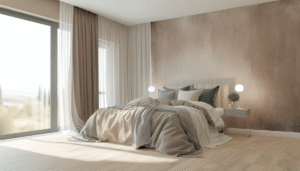
The Bedroom: Serenity and Space Saving
Bedrooms in small dwellings often feel overwhelmed by the bed itself. Floating furniture helps reclaim precious floor area and maintain a sense of calm.
- Floating Bed Frames:
- Description: Bed frames designed with recessed bases or invisible supports, creating the illusion that the mattress is hovering above the floor.
- Benefits: Opens up the floor beneath the bed, making the room feel significantly larger and lighter. Easier to clean underneath.
- Tip: Integrate under-bed lighting to enhance the floating effect and add ambient glow.
- Floating Nightstands:
- Description: Wall-mounted bedside tables, often with a single drawer or an open shelf.
- Benefits: Keeps the area around the bed clear, preventing a cluttered feel. Perfect for smaller bedrooms where every inch matters.
- Tip: Ensure adequate mounting strength, especially if you tend to put heavier items on your nightstand.
- Wall-Mounted Dressers/Cabinets:
- Description: Instead of standalone chests, individual drawers or small cabinet units are mounted at an ergonomic height on the wall.
- Benefits: Provides essential storage for clothing or linens without consuming floor space. Can be arranged to fit specific wall dimensions.
- Tip: Combine different sizes of floating drawer units to create a custom storage wall tailored to your wardrobe needs.
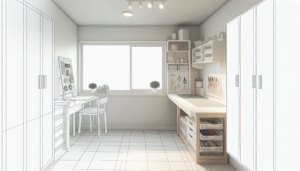
The Home Office/Workspace: Productivity in Compact Corners
Even if your "office" is just a corner of your living room or bedroom, floating furniture can create a dedicated, efficient workspace.
- Floating Desks:
- Description: A desk surface mounted directly to the wall, often with integrated shelving or drawers.
- Benefits: Maximizes space, allows for custom height placement (e.g., standing desk option), and can be folded away in some designs.
- Tip: Consider a "drop-leaf" floating desk that folds up against the wall when not in use, perfect for truly tiny spaces.
- Wall-Mounted File Storage:
- Description: Systems of shelves and compartments designed to hold files, office supplies, and equipment.
- Benefits: Keeps essential office items organized and off the desk surface, promoting a clutter-free work environment.
- Tip: Use clear, labeled containers on open floating shelves to maintain a tidy appearance.
The Kitchen and Dining Area: Efficiency and Elegance
Kitchens and dining spaces in small homes benefit immensely from clever, space-saving designs.
- Floating Kitchen Shelves:
- Description: Open shelving for dishes, glasses, or pantry items, replacing bulky upper cabinets.
- Benefits: Creates an open, airy feel in the kitchen, making it seem larger. Can be very stylish for curated displays.
- Tip: Keep items on display neat and consistent in color/material to maintain a sophisticated look. Use for everyday items to minimize dust accumulation.
- Floating Countertops/Breakfast Bars:
- Description: Counter surfaces cantilevered from a wall, often serving as a dining area or prep space.
- Benefits: Provides flexible dining or work surfaces without the need for traditional tables, which can obstruct pathways.
- Tip: Pair with backless stools that can tuck away completely underneath to save even more space.
The Bathroom: Functional Serenity
Bathrooms are often the smallest rooms, making floating elements especially effective.
- Floating Vanities:
- Description: A bathroom sink and countertop unit mounted to the wall, revealing the floor beneath.
- Benefits: Makes even the tiniest bathroom feel more spacious and easier to clean. Adds a sleek, modern touch.
- Tip: Choose a vanity with integrated drawers or shelves to maximize storage within the unit itself.
- Floating Bathroom Shelves/Cabinets:
- Description: Wall-mounted shelves or small cabinets for toiletries, towels, or decor.
- Benefits: Keeps necessities organized and off the counter, reducing clutter in a high-traffic area.
- Tip: Use baskets or decorative boxes on open shelves to corral smaller items and maintain a tidy appearance.
Design Principles for Optimizing Small Spaces with Floating Furniture
Implementing floating furniture isn’t just about buying a piece and screwing it to the wall. To truly maximize its impact, you need to understand the underlying design principles that make small spaces shine while using small space solutions with floating furniture.
1. Embrace Vertical Space: The Unsung Hero of Small Homes
In a small footprint, what you lack horizontally, you gain vertically. Floating furniture is the quintessential tool for activating this often-neglected dimension.
- Go Up, Not Out: Instead of a wide bookcase that takes up floor space, opt for tall, narrow floating shelves. Mount cabinets above doors or windows.
- Layering and Stacking: Use tiered floating shelves. Stack wall-mounted storage units in a column to create a seamless storage wall that doesn’t impede floor space.
- Consider the Entire Wall: Don’t just think about eye level. Utilize space from floor to ceiling for storage or display, drawing the eye upwards and reinforcing the sense of height.
2. Maintain Open Sightlines: The Illusion of Expansiveness
The unbroken line of sight across a clear floor is the secret weapon of small space design. Floating furniture actively supports this principle.
- Keep Pathways Clear: By lifting furniture off the floor, you naturally create unobstructed paths, making movement through the room effortless and reinforcing a spacious feel.
- Minimize Visual Obstructions: Choose slender, minimalist designs for floating pieces. Avoid overly deep shelves or units that protrude excessively into the room, which can break the open visual plane.
- "Leg-less" is More: The absence of legs is key. It allows light to flow unhindered and maintains a continuous perception of floor, expanding the perceived size of the room.
3. Choose the Right Scale and Proportion: Size Matters
Just because it floats doesn’t mean it can’t overwhelm. The dimensions of your floating furniture must be appropriate for the size of your room and the items it will hold.
- Measure Twice, Buy Once: Before purchasing, use painter’s tape to outline the footprint of the proposed floating piece on your wall. This helps visualize its impact.
- Don’t Overfill: A common mistake is to cram too many floating shelves or units onto a single wall. Leave negative space – it’s just as important as the furniture itself.
- Proportion to Room Size: A massive floating media console might overpower a tiny living room. Opt for streamlined, shallower designs that serve their purpose without dominating the visual field.
4. Leverage Multi-Functional Design: The Power of Double Duty
In small spaces, every item should ideally serve more than one purpose. Floating furniture often lends itself beautifully to this concept.
- Desk/Shelf Combo: A floating desk with integrated shelves below or above.
- Bench/Storage: A floating bench in an entryway that also has hidden storage compartments.
- Display/Storage: A floating media unit that houses electronics but also provides open shelves for decorative items.
- Mirror/Shelf: A wall-mounted mirror with a small integrated shelf beneath it for keys or small items.
5. Material and Color Choices: Lightness and Reflection
The materials and colors you choose for your floating furniture can significantly enhance the feeling of space.
- Light Colors and Neutrals: White, off-white, light gray, and natural wood tones reflect light, making a space feel brighter and more open.
- Reflective Surfaces: Glass shelves, mirrored backings, or high-gloss finishes can bounce light around the room, enhancing illumination and the illusion of depth.
- Transparent Materials: Acrylic or glass floating shelves are almost invisible, allowing light and walls to show through, maximizing the feeling of openness.
- Consistent Tones: Using a consistent color palette for your walls and floating furniture can create a seamless, integrated look that contributes to perceived spaciousness.
6. Strategic Lighting: Highlighting and Expanding
Lighting plays a crucial role in creating atmosphere and influencing the perceived size of a room. Integrate lighting with your floating furniture to amplify its benefits.
- Under-Shelf/Under-Cabinet Lighting: LED strips installed underneath floating shelves or cabinets can illuminate the wall below, drawing attention to the clear floor space and adding a soft glow.
- Recessed Lighting: Instead of hanging fixtures, opt for recessed lighting in the ceiling that washes walls in light, creating an even, expansive illumination.
- Accent Lighting: Use small, directional spotlights to highlight specific floating shelves or decorative items, creating depth and visual interest.
By consciously applying these design principles, your small space solutions with floating furniture will not only be functional but also contribute to an overall sense of spaciousness, serenity, and modern elegance in your home.
Installation Considerations and Safety First
While the benefits of floating furniture are compelling, proper installation is paramount. Incorrect mounting can lead to damage, injury, and frustration. This section outlines key considerations to ensure your floating furniture is safe, secure, and perfectly positioned.
1. Identify Wall Studs and Weight Bearing Capacity
This is arguably the most critical step. Floating furniture must be anchored into something incredibly sturdy.
- Stud Finders are Essential: A good quality stud finder will quickly locate the vertical wooden or metal studs within your walls. These are the strongest points for anchoring.
- Drill Pilot Holes: Once studs are located, use a small drill bit to create pilot holes. This prevents splitting if you’re drilling into wood and ensures your screws go in cleanly.
- Understand Weight Limits: Every piece of floating furniture or mounting bracket will have a stated weight capacity. Do not exceed this. Consider the weight of the furniture itself plus everything you intend to put on it. A stack of books, for example, can be surprisingly heavy.
- Drywall Anchors (Use with Caution): If a stud is not available where you need it, heavy-duty toggle bolts or molly bolts designed for drywall can be used for lighter floating shelves. However, never rely solely on drywall anchors for heavy items like a floating TV console or a desk. Always prioritize mounting to studs for significant weight.
2. Choose the Right Mounting Hardware
The type of hardware dictates the strength and stability of your installation.
- Lag Bolts/Screws: Long, robust screws designed for anchoring into studs.
- Toggle Bolts/Molly Bolts: Expandable anchors for drywall when studs aren’t an option. Ensure they are rated for the weight.
- French Cleats: A two-part mounting system (one attached to the wall, one to the furniture) that interlocks. Offers very strong support and even weight distribution, often used for heavier floating cabinets or vanity units.
- Brackets: Invisible brackets that slide into pre-drilled holes in the furniture piece are common for floating shelves, creating a seamless look. Ensure these are long enough to provide adequate leverage.
3. Precision and Leveling: The Key to Professional Results
A crooked floating shelf is an eyesore and can affect stability.
- Laser Level or Spirit Level: Essential tools for ensuring your furniture is perfectly horizontal. Mark your drilling points carefully.
- Measure from the Floor (or Ceiling): To ensure consistency, especially if mounting multiple pieces or aligning with other furniture, measure up from the floor rather than relying solely on the wall’s squareness.
- Teamwork: For larger or heavier pieces, an extra pair of hands will make balancing and securing the unit much easier and safer.
4. Consider Wall Materials
Different wall types require different approaches.
- Drywall/Plaster: Most common. Requires careful stud finding or appropriate drywall anchors.
- Concrete/Brick: Requires a hammer drill and masonry bits. Use concrete screws or specialized masonry anchors. This is extremely strong for heavy items.
- Tile: If mounting in a tiled bathroom or kitchen, you’ll need tile-specific drill bits and extra caution to prevent cracking the tile. It’s often best to drill into grout lines if possible to minimize tile damage.
5. Professional Installation vs. DIY
While many floating furniture pieces are DIY-friendly for those with basic tools and skills, sometimes professional help is warranted.
- When to DIY: For simple floating shelves for light items, small wall-mounted nightstands, or floating media consoles that are easily accessible for drilling into studs.
- When to Hire a Pro:
- For very heavy items (e.g., a large floating vanity, a full wall of cabinetry).
- If you’re unsure about wall material, stud location, or the appropriate hardware.
- If the installation requires complex wiring (e.g., integrated lighting in a media unit).
- If you live in a rental and want to avoid damage to walls that could cost you your deposit.
6. Check for Electrical Wiring and Plumbing
Before drilling, always be aware of what might be behind your walls.
- Use a Multi-Function Locator: Some advanced stud finders can detect electrical wires and even plumbing pipes.
- Be Cautious Around Outlets/Switches: Assume there’s wiring nearby any electrical outlet or light switch. Trace general routes of wiring.
- Plumbing in Bathrooms/Kitchens: Be extra vigilant in these areas. Striking a pipe can cause significant water damage.
By taking these installation considerations seriously, you can confidently integrate small space solutions with floating furniture into your home, creating attractive, functional, and safe living areas.
Styling Your Floating Furniture: Beyond Basic Storage
Floating furniture, while inherently practical, also serves as a powerful design element. It’s an opportunity to showcase your personality, integrate art, and contribute to the overall aesthetic of your mini-mansion. Effective styling transforms these functional pieces into captivating focal points.
Curated Displays: Less is Truly More
The airy nature of floating furniture means that visible clutter is even more jarring. Embrace a minimalist approach to styling.
- The Rule of Three (or Odd Numbers): When arranging objects on a shelf, grouping items in odd numbers (3, 5, 7) creates a more visually appealing and dynamic arrangement than even numbers.
- Vary Heights and Textures: Mix tall items (vases, books standing upright) with shorter ones (trinkets, small sculptures) and incorporate different materials (ceramic, wood, metal, glass) to add visual interest.
- Create Vignettes: Treat each section of a floating shelf or console as a small, curated scene. Instead of scattering items, group them purposefully.
- Thoughtful Negative Space: Don’t feel compelled to fill every inch. White space, or empty space, is crucial for allowing the eye to rest and appreciating individual items. It reinforces the minimalist aesthetic that floating furniture embodies.
Integrating Lighting: Enhance Mood and Highlight Features
Lighting can dramatically change the perception of your floating furniture and the entire room.
- Under-Shelf LED Strips: Install thin LED strips beneath floating shelves or media consoles. This creates a soft, ambient glow that illuminates the wall below, enhancing the "floating" effect and adding depth. It’s perfect for evening ambiance.
- Spotlights for Artwork: If a floating shelf displays a particular art piece or collection, a small, directional spotlight mounted above can highlight it, transforming the shelf into a gallery-like display.
- Backlighting for Depth: For floating bed frames or vanity units, backlighting can create a dramatic halo effect, making the piece truly appear to float and adding a luxurious touch.
- Task Lighting: For floating desks, ensure adequate task lighting directly on the desk surface (e.g., a flexible desk lamp with a small base) to support productivity.
Color and Material Harmony: Cohesion is Key
The finishes and colors of your floating furniture and the items you place on them should work in concert with your overall room palette.
- Match or Contrast:
- Match: Choose floating furniture that matches your wall color for a seamless, almost invisible effect, especially beneficial in very small rooms.
- Contrast: Use a contrasting color (e.g., dark wood shelves on a light wall) to make the floating piece a distinct design statement.
- Natural Materials: Wood, stone, and natural fibers bring warmth and texture, especially effective against clean, modern lines of floating units.
- Metallic Accents: Incorporate metallic elements (brass, chrome, matte black) through decorative objects or the furniture’s hardware to add a touch of sophistication and sparkle.
- Pop of Color: If your room is largely neutral, use accessories on your floating shelves or console to introduce strategic pops of color that align with your overall scheme.
Practicality Meets Beauty: The Functional Display
Consider how often you use items. Everyday essentials can become part of your display.
- Cookbooks in the Kitchen: A stack of beautifully bound cookbooks on wall-mounted kitchen shelves can be both practical and aesthetically pleasing.
- Organized Office Supplies: In a floating office setup, use stylish containers or magazine files to keep pens, notebooks, and documents tidy but accessible.
- Bathroom Essentials: In a floating bathroom vanity or on shelves, decant soaps and lotions into attractive dispensers, use decorative trays for jewelry, and stack neatly folded towels.
- Media Console Books/Magazines: A handful of art books or attractive magazines can balance a floating media console, softening the tech focus.
By consciously styling your small space solutions with floating furniture, you elevate its purpose from mere storage to an integral part of your home’s design narrative, proving that practical solutions can also be profoundly beautiful.
Real-World Case Studies and Inspirations
To truly grasp the transformative power of small space solutions with floating furniture, let’s look at how homeowners and designers have leveraged these ideas in practical, inspiring ways. These examples demonstrate the versatility and impact of thoughtful application.
Case Study 1: The Tiny Urban Studio Apartment
The Challenge: A 300 sq ft studio apartment in a bustling city. The tenant, a young professional, needed a living area, bedroom, and workspace, all while maintaining an open, uncluttered feel. The primary goal was to make the space feel larger and highly functional from morning coffee to evening relaxation.
Floating Solutions Implemented:
- Floating Bed Frame: A custom-built floating platform bed with integrated LED strip lighting underneath. This immediately freed up floor space around the bed and created a striking visual centerpiece that appeared to levitate.
- Wall-Mounted Media Unit with Integrated Desk: A sleek, low-profile floating media console was installed along one wall, extending into a cantilevered desk surface on one end. Drawers were integrated into the console for hidden storage of electronics, and the desk provided a dedicated workspace without a bulky footprint.
- Floating Shelves for Display and Storage: Above the desk and in a small entryway nook, minimalist floating shelves were installed. These served
- Desk area: For books, a small plant, and office necessities.
- Entryway: For keys, mail, and a small decorative bowl, keeping flat surfaces clear.
- Floating Kitchen Shelves: In the compact kitchenette, upper cabinets were removed and replaced with two long, open floating shelves made of reclaimed wood, providing open storage for dishes and glassware, enhancing the open-concept feel.
The Impact: The apartment felt surprisingly spacious and airy. The continuous floor space created by the floating bed and console visually expanded the room, and the wall-mounted elements efficiently utilized vertical space. The minimalist aesthetic combined with thoughtful lighting made the tiny studio feel sophisticated and highly livable, a true testament to small space solutions with floating furniture.
Case Study 2: The Multi-Functional Kids’ Room
The Challenge: A shared bedroom for two children, needing to accommodate sleeping, play, and study areas in a compact dimension. Traditional bunk beds and desks felt too heavy and created dark corners.
Floating Solutions Implemented:
- Floating Study Nooks: Along one wall, two individual floating desks were installed at slightly different heights (one for each child), each with a small floating shelf above for books and art supplies. This created dedicated study zones without taking up floor space with heavy desk legs.
- Wall-Mounted Storage Cabinets: Instead of standalone chests of drawers, shallow, colorful wall-mounted cabinets with push-latch doors were installed at a child-friendly height along another wall. These stored toys, games, and clothes, keeping the floor clear for play.
- Creative Floating Cubbies: Irregularly shaped floating cubbies were mounted near the "play" zone, providing open storage for favorite toys and plush animals, adding a playful architectural element.
The Impact: The room became incredibly versatile. With clear floor space, the children had ample room for imaginative play. The floating desks provided functional study areas, and the wall-mounted storage meant easy cleanup and a brighter, more inviting environment. The clever use of small space solutions with floating furniture transformed a potentially cramped room into a vibrant, organized, and fun space for two.
Case Study 3: The Compact Modern Bathroom
The Challenge: A typical small bathroom with just enough space for a toilet, a small shower, and a sink. The client desired a clean, contemporary look and more perceived space.
Floating Solutions Implemented:
- Floating Vanity: A sleek, wall-mounted vanity with a single, integrated sink was installed. The clear space underneath not only made the bathroom feel larger but also much easier to clean.
- Recessed Wall Niche with Floating Shelves: Instead of a bulky medicine cabinet, a recessed wall niche was created in the shower area, with two small, thin glass floating shelves. This provided discreet storage for shower essentials without protruding into the shower space, maintaining clean lines.
- Floating Toilet Shelf: Above the toilet, a narrow floating shelf was installed, providing a spot for a small plant, extra toilet paper, or decorative items, optimizing an often-overlooked vertical space.
The Impact: The bathroom underwent a dramatic transformation. The floating vanity immediately made the room feel notably more spacious and luxurious. The lack of legs and clear sightlines created an undeniable sense of openness, turning a utilitarian space into a serene, minimalist retreat. This bathroom became a prime example of effective small space solutions with floating furniture.
These case studies highlight the diverse applications and profound impact of incorporating floating furniture. They are not merely design choices but strategic investments in maximizing perceived space, functionality, and aesthetic appeal in any compact living environment.
Comparison: Floating Furniture vs. Traditional Furniture
When redesigning a small space, understanding the distinct advantages and disadvantages of floating versus traditional furniture is crucial. Both have their place, but for maximizing limited square footage and creating a contemporary aesthetic, floating furniture often emerges as the clear winner.
| Feature | Floating Furniture | Traditional Furniture |
|---|---|---|
| Space Perception | Creates illusion of more floor space; airy, open. | Can make rooms feel smaller, cluttered, heavy. |
| Floor Access | Completely clear beneath, easy cleaning. | Obstructs floor, difficult to clean around/under. |
| Aesthetic | Modern, minimalist, sleek, architectural. | Classic, conventional, often bulkier. |
| Customization | Highly customizable heights/configurations. | Fixed dimensions, less flexible placement. |
| Installation | Requires secure wall mounting, often more complex. | Simply placed on the floor, no installation needed. |
| Portability | Not easily moved or rearranged once installed. | Can be easily repositioned, moved between rooms. |
| Load Bearing | Limited by wall integrity and mounting hardware. | Generally very strong, supported by legs/base. |
| Cost | Can range from affordable (shelves) to high-end (custom units). | Wide range, often less expensive for basic items. |
| Room Flow | Enhances flow, removes physical barriers. | Can impede flow, create obstacles. |
| Vertical Usage | Excellent for utilizing vertical wall space. | Primarily uses floor space, less vertical by design. |
| Light & Air | Maximizes natural light and air circulation. | Can block light, create shadowed areas. |
When to Choose Floating Furniture:
- You live in a small apartment or home: This is its primary strength – maximizing every inch.
- You desire a modern, minimalist aesthetic: Floating pieces inherently lend themselves to this style.
- You want easy cleaning: No more moving heavy furniture to mop or vacuum.
- You need to utilize vertical space efficiently: Think wall storage, desks, and media units.
- You want to create an open, airy feel: The clear floor space is key here.
- You value clean lines and visual simplicity.
When Traditional Furniture Might Be Preferable:
- You have ample space: If square footage isn’t an issue, the strong visual grounding of traditional furniture might be preferred.
- You frequently rearrange your furniture: Traditional pieces offer unmatched flexibility in layout changes.
- You regularly move residences: Portability is a huge advantage.
- You need very heavy-duty load-bearing capacity: While floating furniture can be strong, traditional pieces often have higher intrinsic weight limits.
- You prefer classic or eclectic interior design styles: Traditional pieces often complement these aesthetics better.
- You’re on a very tight budget for initial setup: Simple stand-alone items can be cheaper to buy and install.
It’s important to note that a truly optimized small space often employs a harmonious blend of both. A floating media console might be perfectly balanced by a comfortable, traditional sofa. The key is to strategically use small space solutions with floating furniture where they offer the most significant advantage: reclaiming floor space, enhancing flow, and contributing to a sense of openness.
Future Trends and Innovations in Floating Furniture
The realm of small space solutions with floating furniture is constantly evolving, driven by technological advancements, smart home integration, and a growing demand for versatile living environments. The future promises even more ingenious designs that blend aesthetics, practicality, and connectivity.
1. Smart Integration: Furniture with a Brain
Expect floating furniture to become increasingly ‘smart,’ seamlessly integrating technology for enhanced functionality.
- Integrated Charging Stations: Floating nightstands and desks will commonly feature built-in wireless charging pads and discreet USB ports.
- Ambient Lighting with Sensors: LED strips under floating elements will become more sophisticated, with motion sensors, tunable white light, and RGB capabilities controlled via apps or voice commands.
- Hidden Speakers and Projectors: Wall-mounted media units could conceal high-quality sound systems or even short-throw projectors, turning a blank wall into a home cinema experience without visible equipment.
- Temperature Control: Imagine a floating bed frame with integrated heating or cooling elements.
2. Modular and Customizable Systems: Design Your Own Space
The trend towards personalization will continue, offering consumers unprecedented control over their floating furniture configurations.
- Hyper-Modular Components: Furniture systems will consist of even smaller, interlocking modules that can be endlessly reconfigured, allowing users to adapt to changing needs or even relocate components with ease.
- AI-Powered Design Tools: Software and apps that use AI to suggest optimal floating furniture layouts based on room dimensions, user habits, and aesthetic preferences.
- Subscription-Based Furniture: Companies might offer modular floating furniture on a subscription model, allowing users to swap out components or expand their systems as their needs evolve, promoting sustainability.
3. Sustainable Materials and Manufacturing: Eco-Conscious Design
As environmental awareness grows, the materials and production processes for floating furniture will become more sustainable.
- Reclaimed and Recycled Materials: Increased use of reclaimed wood, recycled plastics, and metals in furniture construction.
- Biodegradable Composites: Development of innovative, strong, and lightweight materials that are biodegradable at the end of their lifecycle.
- Local Sourcing and Production: Emphasis on localized manufacturing to reduce carbon footprint and support regional economies.
- Net-Zero Manufacturing: Furniture companies striving for processes that have zero net impact on the environment.
4. Biophilic Design Integration: Bringing Nature Indoors
The therapeutic benefits of connecting with nature will see floating furniture incorporating more natural elements.
- Integrated Planters: Floating shelves and desks with built-in compartments for plants, allowing greenery to be seamlessly integrated into the design.
- Living Walls as Backdrops: Floating furniture often stands against clear walls, providing an ideal backdrop for vertical gardens or preserved moss walls, blurring the lines between furniture and nature.
- Natural Textures and Finishes: A greater emphasis on raw, untreated wood, stone, and woven materials that evoke natural landscapes.
5. Invisible Technology for Seamless Aesthetics
The goal of future floating furniture is not just to float, but to make technology disappear.
- Wireless Power Transfer: Imagine shelves that can power devices placed on them without any visible wires or charging pads.
- Integrated Displays: Floating panels that can transform from a decorative surface to a digital display for notes, schedules, or ambient art.
- Self-Cleaning Surfaces: Innovations in surface materials that repel dust and grime, making maintenance even easier for high-mounted furniture.
The future of small space solutions with floating furniture is bright, promising not just space-saving designs but highly intelligent, customizable, and environmentally conscious pieces that will redefine how we live and interact with our compact homes. These innovations will further cement floating furniture as a cornerstone of modern, efficient, and thoughtful interior design.
FAQ: Small Space Solutions with Floating Furniture
What weight can floating furniture hold?
The weight capacity of floating furniture varies significantly based on the type of furniture, the mounting hardware used, and the integrity of the wall (e.g., whether it’s anchored into a stud or solely into drywall). Always check the manufacturer’s specifications. Generally, small floating shelves anchored into studs might hold 20-50 lbs, while heavy-duty floating desks or vanities mounted with robust hardware into multiple studs could support 100-200 lbs or more. Always prioritize mounting to wall studs for maximum strength and safety.
Is floating furniture suitable for renters?
It depends on your lease agreement. Mounting floating furniture involves drilling holes into walls, which often requires landlord permission. If allowed, using minimal, easily patched holes into studs is best. For lighter items, command strips or temporary adhesive solutions designed for shelves might be an alternative, though these have very limited weight capacities and are not truly “floating” furniture in the traditional sense. Always consult your landlord before making significant alterations.
How do I hide wires with floating TV units?
Effective wire management is crucial for floating TV units to maintain their sleek aesthetic. Many floating media consoles come with pre-drilled holes or channels for cable routing. You can also install in-wall cable management kits (requiring cutting holes in your drywall) or use adhesive cable channels painted to match your wall for a less invasive solution. Consider placing a small power strip inside the unit for fewer visible cords.
Can I install floating furniture myself?
For experienced DIYers with the right tools (stud finder, drill, level), installing simple floating shelves or a basic floating media console is achievable. For heavier items like floating vanities, desks, or custom cabinetry, or if you’re unsure about wall types or locating studs, it’s highly recommended to hire a professional handyman or carpenter to ensure safe and secure installation. Proper mounting is critical to prevent damage or injury.
What’s the best material for floating shelves?
The “best” material depends on your aesthetic and functional needs.
* **Wood:** Classic, warm, durable, versatile. Can be solid, reclaimed, or engineered wood.
* **MDF/Particle Board:** More affordable, often laminated, but generally less durable for heavy loads.
* **Glass/Acrylic:** Creates a very open, minimalist look; ideal for displaying lighter items.
* **Metal:** Industrial, strong, can be combined with other materials.
Choose a material that complements your room’s design and can safely support the intended weight.
How do I clean underneath floating furniture?
Cleaning underneath floating furniture is one of its major advantages! Since there are no legs or bases obstructing the floor, you can easily clean the entire floor surface with a vacuum, mop, or robot vacuum. This reduces dust and makes maintaining hygiene simple and quick.
Do floating beds truly save space, or is it just an illusion?
Floating beds create an illusion of greater space by freeing up the visible floor area underneath the bed, making the room seem larger and less cluttered. While they don’t add square footage, the perception of openness and the ease of cleaning contribute significantly to a more functional and aesthetically pleasing small bedroom. Some designs also allow for under-bed storage without visual clutter.
Conclusion: Transform Your Small Space with Floating Furniture
The challenge of cultivating a comfortable, functional, and aesthetically pleasing home in a small space is a universal one. However, as we’ve explored, the solution lies not in magic, but in intelligent design. Small space solutions with floating furniture offer an elegant and immensely practical way to revolutionize your compact living environment. By removing visual clutter, maximizing vertical real estate, and enhancing the perception of openness, these innovative pieces unlock hidden potential in every room.
From sleek floating TV consoles that streamline your living area to wall-mounted desks that create efficient home offices, and from airy floating bed frames that promote serenity to space-saving vanities in bathrooms, the applications are limitless. We’ve seen how integrating design principles like strategic lighting, careful material choices, and an unwavering focus on visual lightness can amplify their impact. Moreover, understanding critical installation considerations ensures these transformative elements are not just beautiful but also safe and durable.
The future of floating furniture promises even greater integration with smart home technology, enhanced modularity, and a commitment to sustainable materials, further cementing its role as a cornerstone of modern, efficient living. Embrace these innovative designs, and you’ll discover that a small footprint doesn’t mean sacrificing style or function. Instead, it becomes an opportunity to create a meticulously curated, remarkably efficient, and wonderfully expansive sanctuary you’ll love coming home to.
Ready to reclaim your space and elevate your home’s design? Start by identifying one area where floating furniture could make the biggest difference, perhaps a cluttered living room or a cramped bedroom. Research specific types of floating pieces that align with your needs and aesthetic. Measure your space, plan your installation, and prepare to be amazed by the transformation. The journey to a more spacious and stylish home begins with thoughtful design choices, and floating furniture is your powerful first step.
Content Disclaimer
The information provided in this article is for general informational and educational purposes only, and is not a substitute for professional advice. While we strive to provide accurate and up-to-date content, home design concepts, installation methods, and product recommendations are subject to individual circumstances and product specifications. We recommend consulting with qualified professionals (such as interior designers, carpenters, or contractors) for personalized advice, especially concerning structural modifications, electrical wiring, or plumbing. The author and publisher are not liable for any losses or damages arising from the use of this information. Product recommendations are based on widely available types and do not constitute endorsements of specific brands, unless explicitly stated as an example. Results may vary based on individual application and installation accuracy.
Categories
- Accent Walls & Ceilings (84)
- Art Curation & Gallery (83)
- Bedding Style Trends (89)
- Bedroom Makeover (96)
- Bohemian & Eclectic Styles (80)
- DIY & Budget-Friendly Decor (78)
- Eco-Friendly Design (83)
- Furniture Care (87)
- Home Decor & Design Ideas (181)
- Home Wellness Spaces (103)
- Integrated Outdoor Living (91)
- Japandi Style (84)
- Kids and Nursery Decor (73)
- Living Room Decor (99)
- Mix & Match Techniques (95)
- Modern & Contemporary Design (88)
- Rug Sizing & Placement (89)
- Scandinavian Design Inspiration (51)
- Seasonal Home Decor (100)
- Small Space Solutions (93)
- Wall Art & Painting Tips (94)
Recent Comments
Archives
Product Gallery
-
 Majestic African Wildlife Canvas Art for Stylish Home Decor
Rated 5.00 out of 5
Majestic African Wildlife Canvas Art for Stylish Home Decor
Rated 5.00 out of 5 -
 Cozy Irregular Green Plush Rug for Nordic Living Spaces
Rated 5.00 out of 5$44.89 – $283.06Price range: $44.89 through $283.06
Cozy Irregular Green Plush Rug for Nordic Living Spaces
Rated 5.00 out of 5$44.89 – $283.06Price range: $44.89 through $283.06 -
 Scandinavian Geometric Area Rugs for Stylish Home Décor
Rated 5.00 out of 5$32.24 – $488.38Price range: $32.24 through $488.38
Scandinavian Geometric Area Rugs for Stylish Home Décor
Rated 5.00 out of 5$32.24 – $488.38Price range: $32.24 through $488.38